Jan 01,2025
Activated carbon stands out as one of those key ingredients in modern water treatment systems. What makes this stuff so special? Well, during production, materials like wood, coal, or coconut shells get transformed through a process called activation. This creates something amazing inside the carbon granules – tiny holes all over the place. These microscopic pockets work wonders when it comes to grabbing hold of unwanted substances in water. That's why so many filtration systems rely on activated carbon. The pores just soak up all sorts of contaminants, leaving cleaner water behind. Pretty impressive for something that looks so ordinary at first glance.
Activated carbon offers some pretty significant advantages when it comes to treating water. What makes it so effective is how well it grabs onto all sorts of impurities, which helps make water taste better, smell nicer, and generally improves the whole experience. The stuff sticks to things like organic compounds, chlorine, and various other nasties floating around in our water sources. For folks at home or businesses needing clean water, this means safer drinking water that actually tastes good too. Most municipal water systems rely on activated carbon filtration because it's essential for meeting those strict regulations about what counts as safe and acceptable water quality standards.
Activated carbon plays a key role in many water filtration setups, whether it's for those little filter pitchers we keep in our kitchens or the massive treatment plants that serve entire cities. What makes activated carbon so valuable is how good it is at grabbing onto all sorts of contaminants, both organic stuff like pesticides and inorganic compounds too. Municipal water treatment facilities depend heavily on this material to ensure tap water stays safe for everyone. At home, most point-of-use filters also contain activated carbon layers because they work remarkably well at improving water quality right where we need it most.

The way activated carbon works through adsorption makes it so effective for treating water. When contaminants stick to the surface of activated carbon, they get trapped because of all those tiny pores in the material. This basically pulls impurities out of the water supply. The amount of stuff that can be captured is measured as adsorption capacity, showing just how good these materials are at holding onto pollutants. Market research from Future Market Insights shows why there's growing interest in activated carbon filters throughout different industries lately. Their ability to remove all sorts of contaminants explains why manufacturers keep looking for ways to incorporate them into their processes.
Activated carbon works really well for taking out certain types of stuff from water, like chlorine, those pesky volatile organic compounds we call VOCs, plus various heavy metals. Why does this matter? Well, chlorine changes how water tastes and can be unsafe in high amounts. The VOCs and heavy metals are bad news too since they might cause health problems over time. Getting rid of these things makes water better overall, it actually tastes cleaner and smells less offensive. That's why so many filtration systems around the world rely on activated carbon despite all the fancy alternatives available nowadays.
Activated carbon works pretty well when compared to most other ways of filtering stuff out of water. Research published in Environmental Science & Technology Letters shows that activated carbon either keeps up with or beats many different filtration techniques, particularly good at getting rid of those pesky organic compounds. We see this material all over the place actually—from simple home water filters sitting under kitchen sinks to massive treatment plants serving entire cities. That makes sense why so many people rely on it as part of their quest for safer drinking water around the globe. And numbers back this up too: the market for these filters has been growing steadily at about 7.2 percent each year, mainly because folks just want cleaner water options available everywhere they go.

Activated carbon plays a big role in water treatment throughout many different settings - think home filters, fish tanks, and even large industrial operations. What makes this material so good at cleaning water? Well, it grabs onto impurities really well through something called adsorption. That's why people use it to make tap water safe to drink, keep aquariums free of harmful substances, and treat waste streams before they go back into the environment. As more folks worry about having access to clean water, activated carbon keeps proving itself time after time, especially important in places where water quality regulations are strict or where contamination risks are high.
There's plenty of proof showing how well activated carbon works at cleaning up water quality across various industries. Take municipal water treatment plants for instance many of them saw real improvements after installing those carbon filters. And it's not just cities either. The food and beverage industry relies heavily on activated carbon too. Breweries and juice processors use it to get rid of unwanted stuff like chlorine and organic compounds that can mess with taste and safety standards. These real world applications back up what lab tests already told us about carbon's filtering capabilities.
Activated carbon works really well across many water treatment situations because it tackles all sorts of problems that come up. Cities treating their drinking water rely on this stuff to hit those tough government requirements, and when disasters strike, portable water filters pack activated carbon so they can clean contaminated supplies fast. What makes it stand out is how adaptable it is – whether dealing with industrial waste or sudden contamination events, this material keeps performing reliably. That's why so many water treatment plants around the world keep stockpiling activated carbon despite newer alternatives coming onto the market.
Finding a good activated carbon supplier makes all the difference when it comes to getting effective water treatment results. What matters most? Look at companies with solid track records in their field first. They should offer various types of carbon products designed for different purposes since not every application needs the same material. Customer service isn't just nice to have either; reliable technical support becomes essential during installation or troubleshooting situations. Suppliers who understand both the science behind activated carbon and how it works in real world conditions tend to provide better long term value for businesses invested in water purification systems.
Quality assurance and certification standards are also crucial factors. Suppliers should adhere to strict quality controls and possess relevant certifications that demonstrate compliance with industry standards. Third-party testing further validates the performance and safety of the activated carbon products offered, providing peace of mind.
A reliable supplier can significantly impact overall water treatment efficiency and compliance with safety regulations. By choosing one that aligns with these criteria, you empower your operations to maintain high-quality water treatment processes, ultimately safeguarding health and environmental standards.
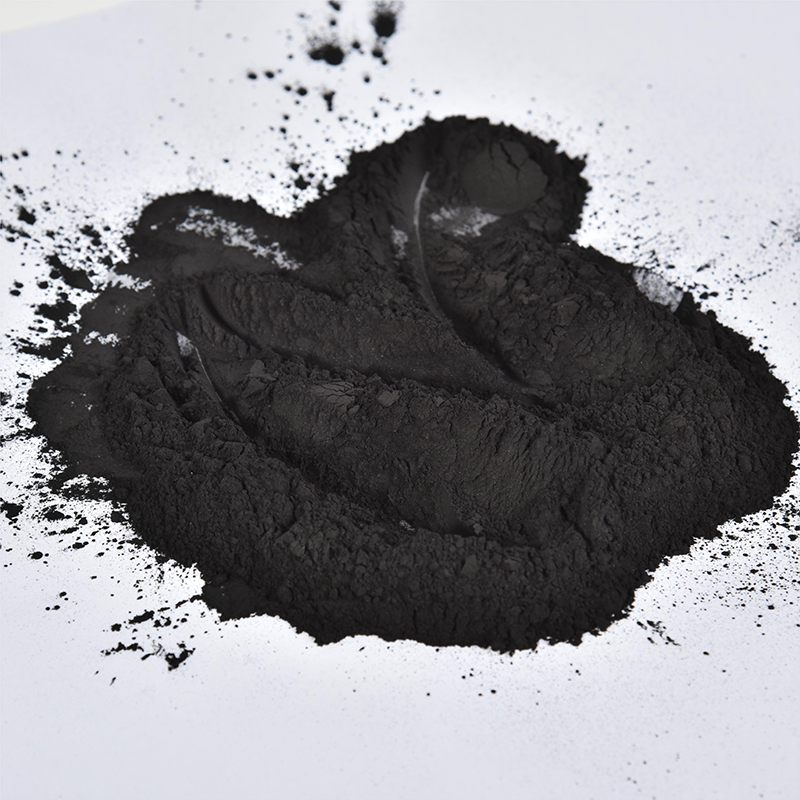
Coal powder activated carbon stands out from regular activated carbon because of how it's actually produced and where it works best. Instead of staying in larger pieces like granular versions, this type gets made when raw materials are crushed down to something really fine. That fine texture makes it grab onto stuff faster during adsorption processes. Because of this special makeup, manufacturers can create several different quality levels for specific jobs across industries. Some common uses include getting rid of colors in liquids and helping particles clump together for easier removal in water treatment plants or chemical processing facilities.
Coal powder activated carbon has become pretty much essential in modern water treatment operations. This material works exceptionally well at pulling out nasty stuff from water including dioxins and those tricky low boiling point chemicals that can slip through other filtration systems. That's why so many plants rely on it for treating both industrial waste streams and city wastewater. What makes this carbon stand out is how fast it grabs onto pollutants during the adsorption process. Water treatment facilities need this speed because time matters when dealing with large volumes of contaminated water. Without quick action from activated carbon, harmful substances might pass right through the system into our drinking water supplies, posing serious risks to communities downstream.
Coal powder activated carbon offers several key advantages that make it stand out in water treatment applications. The material comes at a reasonable price point and can be produced efficiently on a large scale, which explains why it's so commonly used across different sectors. What really sets this type of carbon apart though is its impressive ability to absorb contaminants. Industrial facilities often rely on it because they don't need to replace filters as frequently when dealing with substantial water volumes. Many manufacturing plants have switched to coal-based activated carbon simply because it balances effectiveness with operational costs better than some alternatives on the market today.
 EN
EN