
Sep 07,2025
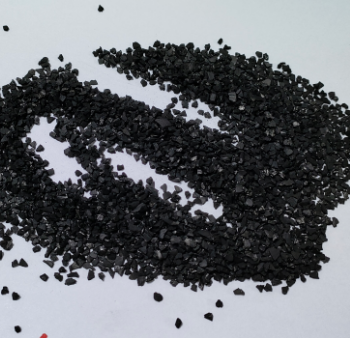
Activated carbon works great for cleaning both air and water because it uses something called adsorption. This happens when bad stuff sticks to the tiny holes in the carbon's structure. Not to be confused with absorption, where things actually go through the material, adsorption keeps pollutants stuck right on the surface of the activated carbon. The surface area here gets really impressive too, sometimes reaching over 1000 square meters for just one gram of carbon. To put this into perspective, about 3 or 4 grams would cover as much space as a whole football field! Because of this massive surface area, activated carbon captures all sorts of nasty stuff like VOCs, chlorine leftovers from water treatment, and unpleasant smells effectively.
Contaminants adhere through two primary mechanisms:
The effectiveness of activated carbon depends on its pore hierarchy, which determines what types of contaminants it can capture:
| Pore Type | Size Range | Target Contaminants |
|---|---|---|
| Micropores | <2 nm | Gases, small organic molecules |
| Mesopores | 2–50 nm | Medium-weight VOCs, pesticides |
| Macropores | >50 nm | Larger particles, flow distribution |
A 2023 material analysis found that coal-based carbon contains 20% more micropores than coconut-based variants, enhancing gas-phase adsorption in air filters. However, macropores are critical for maintaining flow rates and minimizing pressure drops in liquid systems.
When activated through steam, coconut shell carbon creates those tiny pores that work really well for filtering vapors. Coal based carbon tends to go a different route though. Most people treat it with phosphoric acid which gives it bigger pores that handle liquids much better. Coconut carbon usually scores higher on iodine tests showing it has more surface area available, but when things get damp in those big industrial scrubber systems, coal carbon actually holds up better. Picking the right material really comes down to what kind of contaminants we're dealing with, whether they're floating around in air or mixed into water, plus how humid the environment gets during operation.
Municipalities and industries rely heavily on granular activated carbon (GAC) and powdered activated carbon (PAC) for treating water supplies. The granular form typically has particles ranging between 0.2 to 5 mm in size, which allows for longer contact periods with contaminants. This makes GAC particularly good at grabbing chlorine molecules, pesticides, and volatile organic compounds when water flows continuously through treatment systems. On the other hand, PAC comes in much finer particles under 0.18 mm, so it works fast during batch treatments where operators need to tackle stubborn stuff like dyes and pharmaceutical residues left behind in wastewater streams. Both types can originate from coconut shells or coal sources, though many professionals swear that coconut based GAC just performs better overall because of its enhanced micro pore structure that traps those pesky organic compounds more effectively.
Carbon block filters work by pressing together granulated activated carbon into a solid piece. This creates both physical filtering down to really tiny particles (less than 1 micrometer) and chemical adsorption at the same time. The tight packing means water spends more time in contact with the carbon material around 40% longer than when using loose GAC. That extra exposure helps catch nasty stuff like lead, mercury, and those tricky new pollutants we keep hearing about such as PFAS chemicals. According to market research from last year, most under sink filtration systems actually use this type of filter. About two thirds of them rely on carbon blocks because they take up less space while still meeting strict NSF standards for removing well over sixty different impurities from tap water.
Activated carbon fiber, or ACF for short, has this amazing 3D porous structure that makes it absorb stuff about twice as fast as regular granular activated carbon. That's why so many HVAC systems and industrial air cleaners are switching to it these days. What really stands out though is how flexible ACF can be shaped. We've seen it work wonders in respirator masks and even in those fancy life support systems used in space travel. Tests show it can pull out nearly all volatile organic compounds from the air, around 99.7%, even when air is moving through at crazy speeds like 15 meters per second. Then there's catalytic carbon which takes things one step further. When they add metals like copper or iron to the mix, it doesn't just grab onto bad gases but actually breaks them apart through chemical reactions. This means harmful stuff like hydrogen sulfide and ozone get destroyed permanently instead of just sitting there waiting to escape back into the environment.
| Form | Best Use Case | Contaminant Focus | Lifespan |
|---|---|---|---|
| GAC | Municipal water plants | Chlorine, pesticides | 6–12 months |
| PAC | Wastewater treatment | Pharmaceuticals, dyes | Single-use |
| Carbon Block | Home/office filters | Lead, microplastics | 3–6 months |
| ACF | Industrial air systems | VOCs, acidic gases | 12–18 months |
Select GAC for high-flow liquid systems, carbon blocks for point-of-use drinking water, and ACF for rapid-response air filtration. For complex emissions, pair catalytic carbon with UV oxidation to enhance breakdown of recalcitrant gases.
Activated carbon does a pretty good job at getting rid of more than 90% of those pesky volatile organic compounds, chlorine leftovers from treatment processes, and traces of pesticides through what's called adsorption. The tiny pores in activated carbon grab onto stuff like benzene and chloroform with around 85 to 95% success rate according to testing done on certified systems. When it comes to controlling bad smells, this material works wonders against sulfur compounds that cause rotten egg odors and other musty smells by catching particles down to about half a micron in size. That makes activated carbon really useful not just for cleaning water but also for improving indoor air quality in places where people spend time.
Activated carbon filters can take out around 60 to 80 percent of heavy metals such as lead and mercury using a process called physisorption. But when it comes to pharmaceuticals, things get a bit trickier. The non polar drugs we commonly think of like antidepressants stick pretty well to carbon surfaces with removal rates hitting about 70 to 85 percent. However those water loving compounds like metformin don't bind so easily and often need special treatments or combinations of different carbon materials to work effectively. For industrial solvents including stuff like trichloroethylene, carbon does an amazing job removing up to 90 percent of these contaminants, especially when the water moves slowly through the system at less than 1.5 gallons per minute flow rate.
Key limitations include:
To overcome these gaps, combine activated carbon with:
Activated carbon’s versatility makes it indispensable across residential, municipal, and industrial purification systems. Its ability to adsorb organic contaminants ensures clean water and breathable air in diverse environments through tailored configurations.
Filters installed under sinks and those in pitchers rely on activated carbon to get rid of chlorine, VOCs, and bad tasting stuff from tap water. For homes wanting comprehensive treatment, whole house systems handle all the water coming into the property. Some research indicates these can cut pesticide and herbicide levels by as much as 95% throughout the entire household. When it comes to places needing good water flow, carbon block filters tend to work best. They mix both mechanical screening and chemical adsorption methods, trapping tiny particles as small as half a micron in size. Many homeowners find this combination approach gives them cleaner water without sacrificing pressure or flow rate.
Water treatment plants across cities rely on granular activated carbon beds to process vast amounts of water every day, typically within broader treatment approaches. Many industrial operations also turn to these carbon systems when dealing with waste water requirements. Refineries commonly combine carbon filtration with ozone treatment methods to tackle stubborn petroleum residues. Meanwhile, semiconductor factories need extremely clean water for their processes, so they filter through special catalytic carbon systems that keep their expensive equipment running smoothly without buildup issues.
Many modern HVAC systems include activated carbon filters that help remove harmful stuff like formaldehyde and nitrogen oxides from indoor air. Studies show these filters work especially well in places like schools and hospitals when paired with UV light technology, cutting down on germs floating around by somewhere between 60 to maybe even 80 percent according to some reports. Workers in certain industries wear respirators with carbon layers to guard against dangerous solvent vapors. Meanwhile, big factories often install carbon-based scrubbers to trap mercury coming out of waste incinerators, which helps keep toxic substances from escaping into the environment.
The best results happen when water stays in touch with activated carbon for around 2 to 5 minutes, which gives enough time to get rid of most chlorine and those pesky VOCs. If the water flows through too fast, say over 1.5 gallons per minute, things start going wrong pretty quickly. The Water Quality Association found that at these higher speeds, we lose between 18% and 22% effectiveness against VOCs in their 2023 report. Most home GAC filters need replacing every 6 to 9 months or so, but the thicker carbon block versions tend to stick around longer, usually lasting 8 to 12 months because they don't get clogged as easily and channels form more slowly inside them.
Temperatures above 86°F (30°C) reduce adsorption capacity by 12–15%, particularly affecting pesticide removal in water. In air filtration, relative humidity above 60% decreases formaldehyde adsorption efficiency by 20–25% in activated carbon fiber (ACF), though coal-based carbon maintains better performance under humid conditions, as shown in Environmental Science & Technology (2022).
Choose filters that meet:
Avoid galvanic corrosion by using dielectric unions when installing carbon blocks in metal housings. For whole-house systems, opt for 10∇ x 54∇ tanks containing 1.5–2.0 ft³ of GAC to maintain flow rates under 7 gpm during backwashing cycles.
 EN
EN