
Sep 11,2025
The magic behind activated carbon adsorption lies in its sponge-like structure with an insane surface area of around 1,000 square meters per gram. These tiny pores grab onto all sorts of nasties through both physical sticking and chemical bonding. What makes this method so good at cleaning things up? Well, it works wonders for both air and water treatment because it can tackle pretty much anything from organic stuff to gases and even teeny tiny particles. Lab tests show it removes more than 90% of common pollutants such as benzene and chlorine when conditions are just right. That's why we see it everywhere from home water filters to industrial pollution control systems.
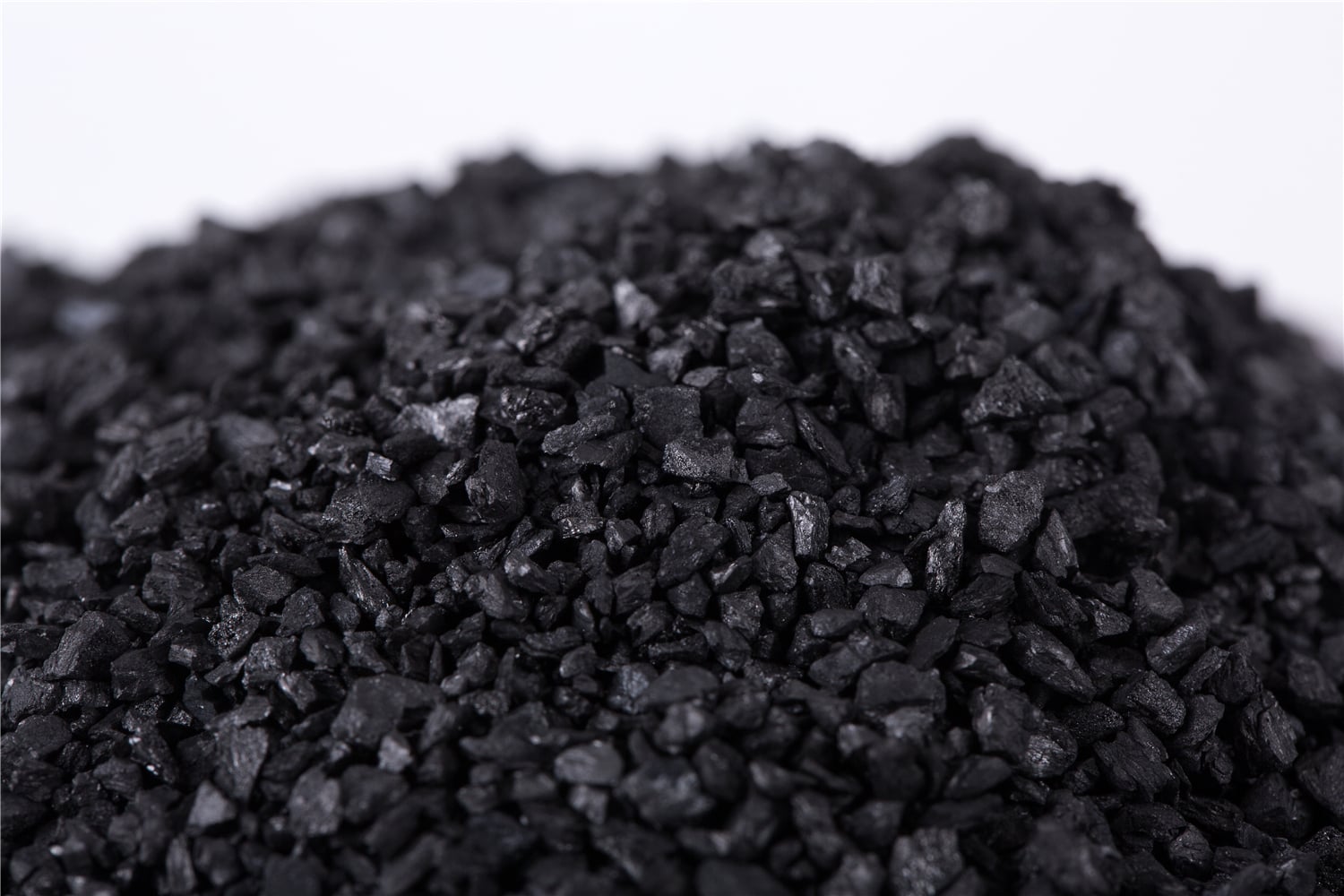
Activated carbon plays a big role in water treatment by grabbing onto stuff like chlorine and pesticides through something called adsorption. Basically, molecules stick to the carbon surface because of these weak forces known as van der Waals interactions. Works especially well with organic stuff since they tend to cling to the carbon's hydrophobic nature. Municipal water systems often use granular activated carbon filters, and studies show these can cut down trihalomethane levels around half. That makes a real difference when it comes to keeping our tap water safe to drink across cities and towns nationwide.
Activated carbon works wonders at pulling out those pesky volatile organic compounds (VOCs) and getting rid of unpleasant smells. It does this by trapping gas molecules inside tiny pockets called micropores. Take formaldehyde as an example. The activated carbon grabs onto it in two different ways: first through simple physical attraction, and then through something called chemisorption where actual chemical bonds form between the harmful substance and certain oxygen groups sitting on the surface of the carbon. Because it combines these two methods, activated carbon can tackle bad smells coming from all sorts of places including cigarette smoke and factories spewing pollutants into the air.
How well something gets absorbed really hinges on how the pore sizes match up with what needs to be removed from the mix. Small pores under 2 nanometers in width are great for grabbing tiny gas molecules such as hydrogen sulfide. Bigger pores ranging from around 2 to 50 nanometers work better against those pesky organic pollutants we often find in water treatment scenarios. Surface chemistry matters too. When carbon has been treated so it becomes oxidized, this actually helps pull out ions more effectively. But if the surface remains non-polar, it tends to stick better to all sorts of organic stuff instead. This makes sense when looking at different filtration requirements across industries dealing with contaminated materials daily.
In continuous use, activated carbon reaches saturation when adsorption sites fill, marked by a breakthrough curve where contaminant levels suddenly spike downstream. System designers optimize flow rates and filter thickness to delay saturation—a 2023 study found doubling contact time extends GAC filter lifespan by 40% in water treatment plants.
How well activated carbon works for cleaning air and water depends mostly on two things: the structure of its pores and how much surface area it has. Good quality carbon can have surface areas above 1500 square meters per gram, which is pretty amazing when you think about it. The tiny holes in the carbon, some smaller than 2 nanometers (micropores) and others between 2 to 50 nanometers (mesopores), act like little traps that catch pollutants either by sticking to them physically or chemically. Recent research published last year showed something interesting too. Carbon samples with a micropore volume around 0.25 cubic centimeters per gram managed to remove nearly all benzene from air, taking out 98% compared to just 72% removal rates for other carbons with different pore sizes.
| Pore Type | Target Contaminants | Adsorption Capacity (mg/g) | Common Applications |
|---|---|---|---|
| Micropores | VOCs, chlorine, small ions | 200–400 | Drinking water filters |
| Mesopores | Pesticides, dyes, proteins | 150–300 | Industrial wastewater systems |
Micropores excel at capturing smaller molecules like formaldehyde (0.45 nm kinetic diameter), while mesopores adsorb larger organic compounds such as atrazine pesticides (1.2 nm). Recent advancements enable precise pore engineering—chemical activation creates 85% micropores for gas-phase filtration, while steam activation yields 40% mesopores for liquid-phase applications.
Activation techniques dictate pore architecture:
A comparative analysis of activation protocols showed chemical methods increase micropore volume by 60% compared to physical methods, significantly enhancing VOC removal rates in air purification systems.
While synthetic carbons offer consistent 2–3 nm pore uniformity (CV <15%), biomass-derived variants from coconut shells or wood exhibit broader 1–5 nm distributions (CV 25–40%). This structural variation explains why synthetic carbons achieve 90%+ mercury removal in water treatment versus 70–80% for biomass types, though the latter demonstrate superior cost-efficiency for general odor control applications.
Granular activated carbon (GAC) traps chlorine, volatile organic compounds (VOCs), and odor-causing molecules through adsorption, where contaminants adhere to its vast porous surface. This process removes up to 99% of residual chlorine and 95% of benzene derivatives in drinking water systems, as demonstrated in industrial filtration studies.
Municipal plants employ GAC beds to process millions of gallons daily, while compact point-of-use filters leverage the same technology for household water purification. Systems combining GAC with pre-filtration stages achieve 80% longer filter lifespans by preventing particulate clogging.
A midwestern U.S. water utility reduced THM levels by 60% within six months after upgrading to GAC filtration, cutting disinfection byproduct concentrations from 80 ppb to 32 ppb (below EPA’s 80 ppb threshold).
Modern GAC filters target:
The material’s 1,000+ m²/g surface area enables simultaneous removal of diverse contaminants through size-selective pore networks.
The way activated carbon works is pretty amazing when it comes to grabbing those pesky volatile organic compounds (VOCs) such as formaldehyde and benzene right off surfaces. What makes this material so effective? Well, look at its structure - full of tiny pores that create an enormous surface area, sometimes reaching over 1000 square meters per gram! This means factories and workshops can rely on activated carbon to trap all sorts of airborne chemicals coming from things like manufacturing equipment, glues, and cleaning agents. Take toluene vapor for instance. According to research published in Environmental Science & Technology back in 2023, just one cubic foot of this stuff can soak up around 60% of toluene vapors under lab conditions. No wonder many industries consider activated carbon essential for keeping their workplaces safe and compliant with health regulations.
HVAC systems integrated with activated carbon filters reduce kitchen smells, pet odors, and tobacco smoke by 70–85% in commercial buildings. Standalone purifiers with 5+ pounds of carbon achieve similar results in homes, as larger carbon volumes increase contact time and adsorption efficiency.
The latest smart air purifiers combine activated carbon filters with those fancy IoT sensors that track VOC levels as they happen. When these devices sense a sudden jump in formaldehyde - often coming from brand new furniture or after someone sprays cleaning stuff around - they automatically crank up the fan speed. This means cleaner air gets filtered properly without anyone needing to touch a button. Pretty cool actually. And guess what? More than 40 percent of high end models come with an app that reminds owners when it's time to replace those carbon filters. No more guessing games about whether the filter is still doing its job effectively.
Tests conducted by independent labs indicate that activated carbon filters can eliminate around 94% of formaldehyde and roughly 91% of benzene from sealed test chambers within just 24 hours. These results generally match what the EPA recommends for cutting down indoor air pollution dangers, especially important in cities where volatile organic compounds (VOCs) often reach levels 3 to 5 times higher than what's considered safe. Most filters stay effective for approximately three to six months before needing replacement though this timeframe varies quite a bit based on how much air flows through them daily and the actual amount of contaminants present in the environment.
Three critical factors govern activated carbon filter efficiency: contact time, temperature, and humidity. Longer contact intervals enhance adsorption, particularly for larger organic molecules, while elevated temperatures above 35°C (95°F) can reduce VOC capture rates by 15–20%. Humidity levels exceeding 60% RH compromise performance in moisture-sensitive applications, necessitating pre-filtration in tropical climates.
Filter lifespan depends on saturation thresholds, with granular activated carbon (GAC) typically processing 500–1,000 gallons of water before exhibiting reduced flow rates or odor breakthrough. Advanced monitoring systems now track pressure differentials and output quality to signal replacement needs, preventing performance drops below 80% efficiency.
Regeneration challenges persist, as thermal reactivation requires 700–900°C temperatures—consuming 30% of new carbon’s production energy. While 45–60% of industrial-grade carbons undergo regeneration cycles, impregnated variants for mercury or acid gas removal often require secure landfill disposal due to hazardous byproducts.
Sustainable production breakthroughs leverage coconut husks, walnut shells, and agricultural waste, cutting manufacturing emissions by 40% compared to coal-based precursors. A 2023 pilot project demonstrated chemically modified rice husk carbons matching traditional performance in chlorine removal while reducing costs by 18%.
The circular economy model is gaining traction, with spent carbon being repurposed into construction composites or soil conditioners. Emerging closed-loop systems aim to reclaim 75% of adsorbed contaminants for industrial reuse while recycling carbon substrates, potentially extending functional lifespans by 300% compared to single-use filters.
 EN
EN