Jan 15,2025
Activated carbon comes from carbon rich materials such as coconut shells and various types of wood, and what makes it special is all those tiny holes throughout its structure. People know this stuff for pulling out VOCs and getting rid of bad smells pretty well. The reason behind this effectiveness lies in the massive surface area combined with countless microscopic pores inside the material. These little pockets grab onto molecules floating around in the air, making activated carbon one of the best options when trying to clean up indoor spaces or industrial areas where chemical fumes might be present.
Odor removal with activated carbon works through two main mechanisms: physical and chemical adsorption. When it comes to physical adsorption, smell particles stick to the carbon surface and get trapped inside its tiny pores thanks to those weak Van der Waals forces we all learned about in chemistry class. For chemical adsorption though, things work differently. Certain reactive sites on the carbon actually form stronger bonds with stubborn odors like hydrogen sulfide, basically locking those nasty smells away forever. This dual action approach explains why activated carbon remains so popular in air purification systems. From industrial waste treatment plants to home dehumidifiers, this versatile material tackles bad smells efficiently across countless applications where clean air matters most.

Coconut shell activated carbon stands out because of how good it is for the environment plus its ability to grab onto stuff really well. What's cool about this material is that it comes from coconut shells, which are basically waste products from the food industry anyway. Compared to other materials made from things we can't grow back, coconut shell carbon just makes more sense environmentally speaking. Research keeps showing that this stuff works better than many alternatives at pulling out those pesky VOCs and bad smells from the air. For companies trying to cut down on pollution but still need effective filtration systems, coconut shell activated carbon has become pretty popular lately. We see it used everywhere from water treatment plants to industrial air purification systems where clean air matters most.
Wood based activated carbon stands out because it doesn't cost too much money and can be found almost anywhere. Made from regular wood materials, this type of activated carbon is pretty easy to get hold of, which explains why people use it so often in things like filtering water or cleaning up bad smells in the air. The fact that it works well without breaking the bank makes many businesses choose this option when they need something that performs adequately but won't drain their finances. What's interesting about wood derived carbon is how good it actually is at getting rid of unpleasant odors too. Factories dealing with chemicals, food processing plants, even some residential areas struggling with musty smells all find value in these products. They just work reliably day after day across different industries.
Looking at how coconut shell activated carbon stacks up against wood-based versions, one important thing to consider is their ability to grab onto stuff. Studies show that coconut shell tends to pull in more gas molecules than wood-based options do. The reason? Coconut shells have bigger tiny holes inside them that catch those small particles better, making them really good at getting rid of bad smells. Some tests actually showed coconut shell carbon pulling out around 25 percent extra sulfur stuff, which we all know makes things smell awful. That kind of difference matters when someone wants something that works well without needing constant replacement.
Looking at how different types of activated carbon get used shows what works best for various situations. Coconut shell activated carbon really stands out when we need strong adsorption power and clean results. We see this in things like air purifiers and water treatment systems around the world. What makes coconut shell special is its capability to catch those tiny particles, which is why it's so popular wherever air quality matters a lot, including homes and hospitals where people actually breathe better because of it. On the other side of things, wood based activated carbon has become a go to option for many big industries simply because it costs less money and there's plenty available everywhere. These industries don't always need super precise adsorption levels, but they do care about getting enough material at reasonable prices. That's why wood based carbon ends up being the smart pick for places like mines and factories dealing with exhaust gases all day long.

Finding the right activated carbon to tackle bad smells isn't just guesswork. The main things to look at are pore size and surface area since they play a big role in how well the carbon captures those unpleasant odors. Coconut shell based products generally have more surface area than wood derived ones, which makes them better at grabbing onto smaller molecules responsible for mildewy or musty smells. When shopping around, it's important to know exactly what kind of stink needs eliminating. Some types work better against certain nasties like cigarette smoke or industrial chemicals because of how their surfaces interact with different compounds during the absorption process.
People use activated carbon all over the place, both around the house and in big factories. At home, it works wonders inside refrigerators to stop those annoying food smells, gets rid of bad air in purifiers, and even keeps trash cans from stinking up the kitchen. When we look at bigger operations, wood based activated carbon really shines for handling emissions and cleaning air during manufacturing. The reason? Its bigger pores grab hold of all sorts of industrial nasties much better than other materials can manage.
When selecting activated carbon products for odor removal, both wood-based columnar activated carbon and coconut shell activated carbon stand out for their exceptional effectiveness in various applications. These products are renowned for their efficient adsorption capabilities, attributable to their unique physical structures and material properties.
Wood based columnar activated carbon stands out because of its massive surface area and well developed pores, which makes it work really well for things like treating gases or processing sewage. The material has good adsorption properties, holds up physically over time, and lasts through repeated use, so it works great at an industrial level where systems need to purify air or clean up gases. What's interesting about this stuff is how versatile it actually is. We see it being used across different industries for removing sulfur compounds, getting rid of nitrogen oxides, and even recovering solvents from waste streams.
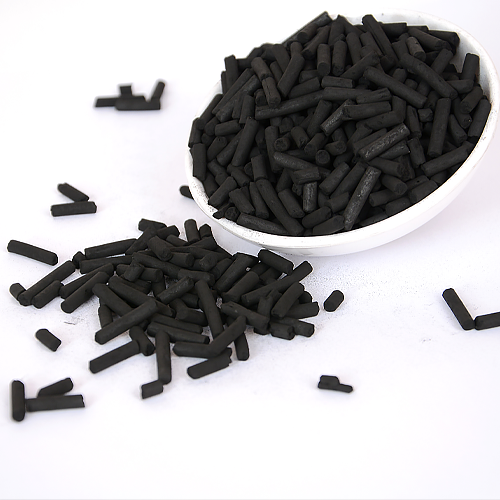
Coconut Shell Activated Carbon stands out because it has this dense structure with lots of tiny pores that really grab onto small particles and stuff. People love using this kind in their home water filters and those little air purifiers we keep around the house. The good news is that making coconut shell carbon doesn't hurt the environment much either, plus it does an amazing job getting rid of those pesky smells down at the microscopic level. So when someone needs to tackle bad odors somewhere, they can pick between these two kinds of activated carbon based on what exactly they're dealing with. One works better here, another there, but both get the job done pretty well in their own way across all sorts of situations where smell control matters.
 EN
EN