Jan 07,2025
Activated carbon stands out as a really important stuff for filtering things in industries. What makes it special? Well, it has this amazing ability to hold onto all sorts of impurities because of how porous it is and the huge surface area it packs. The way it works is pretty straightforward but effective - it grabs onto contaminants in water, air, or other substances we need cleaned up. Most of this stuff comes from sources rich in carbon content, think coal or those coconut shells people talk about so much these days. After going through a special treatment process that basically creates millions of tiny holes throughout the material, what we get is something that filters stuff better than most alternatives available today in manufacturing settings.
Adsorption plays a key role in how activated carbon works, allowing it to grab onto and remove all sorts of contaminants from things like air, water, and various gases. When this happens, the impurities stick to the massive surface area of the carbon material. Think about it like a sponge but for pollution particles. The ability to do this kind of adsorption work means activated carbon has become essential across many sectors where keeping operations clean matters most. Water treatment plants rely heavily on these materials, just as factories dealing with air quality issues find them absolutely necessary for their daily processes.

Powder activated carbon brings a range of green advantages to industrial settings because it comes from plant-based materials that can be replenished. The way this material is made actually cuts down on carbon emissions during production, which makes sense why many companies choose it for their filtration needs. Beyond just cutting back on pollution, this approach helps tackle the big picture issue of how industries need to become more sustainable these days. What's interesting too is that when factories switch to powder activated carbon, they tend to produce less dangerous waste as well. This matters a lot since governments around the world keep tightening rules about what kinds of waste manufacturers can release into the environment.
When it comes to saving money, powder activated carbon stands out as a solid choice for removing contaminants across various industrial sectors, often cutting costs significantly. What makes PAC work so well is its ability to grab onto pollutants and hold them tight, which means companies spend less on treating wastewater. Another plus? Systems using this material don't need replacing as often, so maintenance bills stay lower too. Manufacturing plants and chemical processing facilities especially notice these savings when they have to keep purifying water day after day. For factory managers watching bottom lines but still needing to meet environmental regulations, PAC offers a way to cut operational spending without sacrificing compliance standards.
Picking the right kind of powdered activated carbon matters a lot when it comes to getting good results from industrial filtration systems. There are several things to consider here including particle size, how the carbon was activated, and what kinds of impurities actually exist in the water or air being treated. Smaller particles generally work better because they create more surface area which means stronger adsorption power. That makes these tiny grains ideal for catching those really fine particles that slip through other filters. Then there's the question of activation methods. Some manufacturers go with physical activation while others prefer chemical processes. Each approach affects how porous the final product becomes and changes how well it grabs onto different substances. So depending on what exactly needs filtering out, one method might be better than another for particular industrial situations.
Keeping filtration systems with activated carbon running smoothly over time requires sticking to good maintenance routines. Regular checkups are needed to see how well the filters are still grabbing pollutants, plus looking around the whole system for problems before they get big. When the carbon gets too full of stuff it was supposed to catch, either cleaning it out or swapping it completely becomes necessary to stop everything from working worse than it should. Staying on top of these things helps keep the system doing what it's meant to do while also making sure it lasts longer without unexpected breakdowns that nobody wants during production hours.

Activated carbon has become really important in industrial water treatment because it works so well at cutting down on harmful stuff in water. The material grabs onto all sorts of bad chemicals including those pesky VOCs, pesticide residues, and even chlorine that makes tap water taste weird. Environmental regulations have gotten pretty tough lately, and many plants rely heavily on this stuff to stay within legal limits. The EPA actually lists activated carbon as a key component for meeting municipal water treatment standards across the country. Plants using this technology typically see major drops in things like dissolved organics and various other污染物 that would otherwise make water unsafe for drinking or industrial use.
Activated carbon plays a big role in controlling air pollution by filtering out certain harmful substances. What sets it apart is its ability to grab hold of those pesky volatile organic compounds we call VOCs, along with unpleasant smells and various gases like sulfur dioxide and nitrogen oxides that come out of factories and plants. Because of this special talent, industries across the board tend to go with activated carbon solutions when they want better air quality around their facilities. Plus, these systems help companies stay on top of environmental regulations without breaking the bank on expensive alternatives.
Activated carbon plays a big role in the food and beverage sector where it removes off-flavors and unpleasant smells from products, which ultimately improves how they taste and smell. Manufacturers use it all the time during processes like clearing color from sugar, cleaning up edible oils, and making drinks clearer and better tasting. For companies looking to make their products more appealing to customers, this stuff is pretty much essential since it keeps flavors consistent and looks good on store shelves. What's interesting is that beyond just improving taste, activated carbon actually has lots of different uses across many industries. Food producers aren't the only ones benefiting either; because it works so well at filtering out impurities, it also helps reduce waste and supports greener manufacturing practices in several sectors at once.

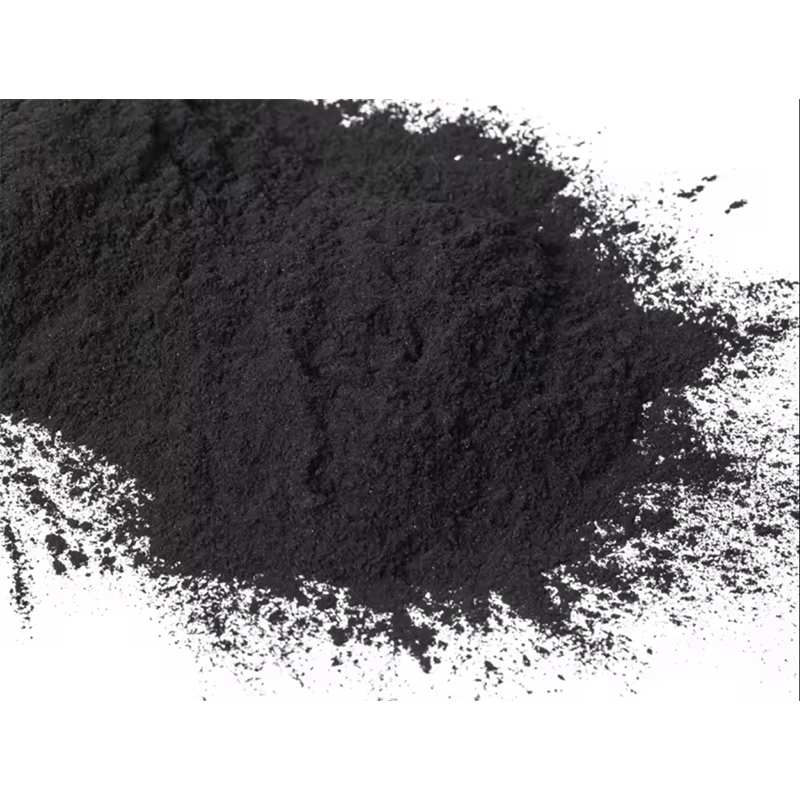
What sets Yihang Activated Carbon apart from others on the market? Look no further than their special production method and those important certifications they've earned. They start with high grade shells and wood chips, then subject them to steam activation that really boosts performance. The end product? A totally safe, flavorless black powder with an impressive surface area and serious adsorption power that works wonders in all sorts of purification applications. And let's talk about quality control for a moment. Yihang holds that ISO9001 certification, which means they follow strict international standards throughout every step of manufacturing. For anyone needing reliable carbon solutions, these credentials matter a lot.
Yihang's powder activated carbon stands out for several reasons including its impressive decolorizing properties, rapid adsorption capabilities, and effectiveness at removing various contaminants. These qualities make it suitable for numerous applications such as treating colored sugars or cleaning industrial wastewater processes mentioned earlier in our discussion of the sector. Beyond just water treatment, this material plays an important role in air filtration systems too. Many food and beverage producers rely on it to eliminate unpleasant flavors and smells during production cycles. The versatility across different sectors speaks volumes about why manufacturers continue to turn to Yihang solutions when dealing with complex purification challenges.
 EN
EN