
Oct 17,2025
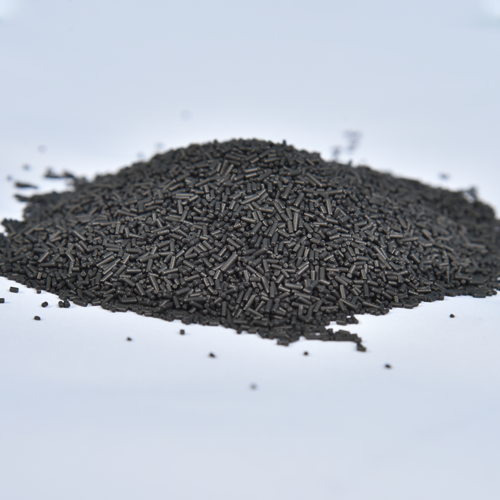
Testing activated carbon shows how well it can pull out impurities via adsorption, where stuff sticks to those tiny pores in the material. The Environmental Protection Agency sets pretty strict standards here, requiring filters to take out at least 95 percent of synthetic organic chemicals in tap water. Tap water straight from the source often has more than 60 different bad stuff floating around in it. That's why standard tests are so important. They check things like pore size distribution, iodine absorption numbers, and ash levels. These measurements tell us if the carbon will actually work over time and last long enough to be worth putting in a filtration system.
Carbon filters that have been properly tested can cut down chlorine levels by almost all - around 99% - and take out about 85% of those nasty VOCs from city water supplies according to NSF/ANSI 53-2025 standards. These kinds of results actually help move us closer to the World Health Organization's goal for cleaner drinking water by 2030. They do this by reducing the chance people get sick from stomach issues caused by bad water quality. When filters pass the ASTM D3860 tests, they grab hold of more than 90% of pesticides such as atrazine. This matters a lot because it protects kids, elderly folks, and others who might suffer long term effects from these chemicals. Testing that meets regulations isn't just about staying on the right side of the law either. It makes sure our tap water stays safe day after day through proper filter checks and balances.
Activated carbon works by grabbing onto contaminants through a process called adsorption. Basically, molecules stick to the surface of the carbon because it has all these tiny pores. According to research published in 2024 looking at how fast things get absorbed, around 85 percent of those organic pollutants actually attach themselves through what's known as physisorption. That means they're held there by these really weak Van der Waals forces instead of forming actual chemical bonds. The way the pores are structured matters a lot here. When water moves through the filter material, stuff like chlorine and various pesticides gets caught inside those microscopic spaces. It's kind of like how dust sticks to Velcro but on a much smaller scale.
Three core metrics determine activated carbon effectiveness:
Research shows carbons with 15–20% mesopores by volume remove 40% more pesticides than standard materials, underscoring the need to match pore architecture with target contaminants during testing.
In most water treatment scenarios, physical adsorption is what we see happening most of the time. But when it comes to getting rid of heavy metals such as lead, chemical adsorption or chemisorption becomes really important. This process works because there are these special functional groups on the surface of carbon materials, which typically come from oxidation treatments applied during manufacturing. According to field testing results, carbons that have been chemically modified can reduce lead levels by around 92 percent, whereas regular untreated versions only manage about 68%. The tradeoff here is that modifying the surface actually cuts down on porosity by roughly 15 to 20%, but many operators still find this worthwhile given the improved contaminant removal capabilities.
The amount of contact time really matters when it comes to system performance. When materials stay in contact for less than a minute, we see a drop in VOC removal of around 38% compared with what the EPA suggests as ideal (about 4 to 6 minutes). Flow rates that go above 10 gallons per minute per cubic foot of carbon tend to create channeling problems, which means roughly 15 to 20 percent of those tiny pores inside just aren't getting used properly. Look at what happens when someone tweaks the flow rate down from 12 GPM to 8 GPM – chloroform removal jumps from 83% all the way up to 94%. This shows pretty clearly that getting those hydraulic conditions right can make things work better without having to slow things down too much.
When water pH drops below 6.5, it actually boosts heavy metal adsorption by around 22%, primarily because the carbon surfaces become protonated. On the flip side, when conditions turn more alkaline above pH 8, this environment works better for removing those tricky perfluorinated compounds. Temperature plays its own role too. We've seen that moving from 10 degrees Celsius to 30 degrees Celsius can literally double how fast certain pesticides like atrazine get adsorbed, which means operators need to adjust their kinetic models accordingly. Seasonal fluctuations matter as well. Cold weather affects fluid viscosity significantly enough that systems must compensate with about 18% longer hydraulic retention times just to keep achieving that 99% trichloroethylene removal rate during winter months compared to summer operations.
Carbon beds that are properly optimized can remove about 95% of contaminants when operating at around 7 gallons per minute, mainly because their pore sizes match what needs filtering out. Water treatment professionals who apply these pseudo second order kinetic models typically see around a 32% drop in filter replacement expenses since they know exactly when filters will stop working effectively. Many energy companies across the country have adopted this approach successfully, treating approximately 15 million gallons each day all while meeting those important NSF ANSI 61 requirements for materials that come into contact with drinking water. The real world benefits speak for themselves in both cost savings and regulatory compliance.
The main difference between granular activated carbon (GAC) and powdered activated carbon (PAC) lies in their particle sizes and how they're applied in water treatment. Granular stuff has bigger particles ranging from about 0.2 to 5 millimeters and works well in fixed bed systems where treatment runs continuously over months or even years. Powdered activated carbon comes in much finer particles, usually under 0.18 mm, which makes it great for quick adsorption in batch operations though operators need to keep adding fresh PAC regularly. When dealing with pharmaceutical contaminants specifically, PAC tends to grab onto them about 30 percent faster at first glance, but GAC holds out longer because of those nicely developed pores throughout the material. Most municipal water treatment plants stick with GAC since it delivers steady results day after day, whereas PAC gets pulled out of storage when there's an urgent situation or sudden contamination problem that needs immediate attention.
What we start with when making activated carbon really affects how the pores form and what kind of job it does. Coconut shells produce carbon with lots of tiny micropores around 1 to 2 nanometers in size. These little holes work great at grabbing small stuff like chloroform from water. On the flip side, carbon made from coal tends to have bigger mesopores between 2 and 50 nanometers. Those spaces catch larger pollutants such as PFAS chemicals better. Recent industry research back in 2024 showed that coconut shell granular activated carbon actually scores about 40 percent higher on iodine number tests, which basically means those micropores are doing their thing better than what comes out of coal. When picking materials for specific jobs, getting the right match between the carbon source and what needs to be removed matters a lot during testing phases. Some folks mix different raw materials together to get the best of both worlds in terms of pore structure, but this approach needs real world testing under actual operating conditions before anyone should trust the results.
When testing activated carbon for municipal water systems, dynamic column testing does a much better job simulating what actually happens in the field. It accounts for all sorts of variables we see every day - different flow rates, pH levels ranging from about 5.5 to 8.5, and temperatures anywhere between 4 and 30 degrees Celsius. According to Water Quality Association data from 2022, this approach gives results that are roughly 87 percent more accurate compared to those old static testing methods when it comes to figuring out how long the carbon will last before needing replacement. What makes dynamic testing really stand out is its ability to catch problems with iodine values that get overlooked in around one third of static tests. This means operators get a much clearer picture of just how durable their filtration systems truly are under normal operating conditions.
Breakthrough curve analysis identifies two key performance thresholds:
Field data indicates coconut-shell-based carbons sustain >95% chloroform removal for 8–12 months in dynamic tests, outperforming coal-based variants, which typically last 6–9 months under identical conditions.
Static tests provide quick TOC removal results in 24-hour bench trials but fail to account for operational realities such as:
These omissions contribute to a 22% failure rate among batch-tested carbons during 90-day continuous NSF/ANSI 61 evaluations.
Integrating dynamic column testing with accelerated aging simulations enables manufacturers to meet performance-based durability standards while cutting validation costs by 40%. According to a 2023 EPA guidance document, phased testing improves accuracy:
This approach reduces false-positive certification rates from 18% with batch-only methods to less than 4% in peer-reviewed studies, ensuring only truly effective filters reach public water systems.
Activated carbon is used in water treatment to adsorb impurities and contaminants from water, ensuring safer and cleaner drinking water.
Activated carbon is tested through methods like adsorption capacity, pore size distribution analysis, and dynamic column testing to ensure optimal performance against contaminants.
Granular activated carbon has larger particles and is typically used in fixed bed systems, whereas powdered activated carbon has finer particles suitable for batch operations, providing faster adsorption.
Factors include surface area, pore size distribution, adsorption kinetics, contact time, flow rate, pH levels, temperature, and raw material composition.
 EN
EN