Oct 22,2025
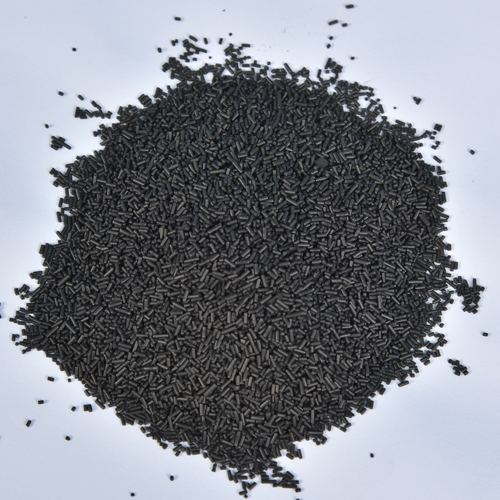
Activated carbon acts as a molecular sponge in water purification, utilizing its high surface area—up to 1,600 m²/g (Ponemon 2023)—to remove contaminants through two primary mechanisms:
Modern filtration systems integrate activated carbon with additional treatment stages to address over 60 EPA-identified contaminants, ensuring comprehensive protection in both residential and municipal applications.
Testing evaluates performance across three critical dimensions:
These metrics guide material selection and system design for reliable, long-term performance.
| Standard | Scope | Key Metric |
|---|---|---|
| AWWA B604 | Granular carbon performance | Chlorine removal ≥90% |
| NSF/ANSI 42 | Aesthetic effects reduction | VOC reduction to <0.5 mg/L |
| ISO 11820 | Regeneration potential | 80% capacity retention after 5 cycles |
Recent studies show coconut shell-based carbons achieve 98.7% chloroform removal under NSF/ANSI 53 guidelines, outperforming coal-based alternatives by 23%, due to their superior micropore uniformity and lower leaching risk.
Coal-based activated carbon offers high surface area (>800 m²/g) but suffers from elevated ash content (≥12%), reducing efficiency for dissolved contaminants like pesticides. Wood-derived carbon provides moderate microporosity (40–60%) suitable for mid-weight organics, while coconut shell variants deliver optimal performance for potable water—featuring 80–90% microporosity and bulk densities near 0.48 g/cm³, enhancing contact time and adsorption kinetics. A 2024 lifecycle assessment found coconut shell materials reduce CO₂ emissions by 37% compared to coal-based options, supporting sustainable wastewater treatment practices per EPA guidelines.
Coconut shell activated carbon achieves iodine numbers of 1,050 mg/g—15–20% higher than coal-based types—due to its homogeneous micropore structure (<2 nm). This precision enhances removal rates for chlorine (≥98%) and VOCs in water filtration systems, while its low inorganic content minimizes leaching risks. Manufacturers report up to 30% longer service life with coconut-derived media, significantly lowering replacement frequency and operational costs in municipal settings.
Thermal reactivation restores 85–92% of coconut shell carbon’s capacity, maintaining structural integrity over 5–7 cycles. In contrast, wood-based materials recover only ~40%, and coal-based variants degrade after 2–3 cycles due to pore collapse. This durability reduces annual replacement costs by $18–$22 per cubic meter, making coconut shell carbon a cost-effective choice for utilities focused on long-term infrastructure planning.
While coal-based carbons may reach surface areas over 1,600 m²/g, their elevated ash content (≥12%) reduces effectiveness for dissolved contaminants like pesticides. Coconut shell carbon, despite having a slightly lower total surface area (900–1,200 m²/g), offers a superior micropore structure (<2 nm), enhancing removal rates for chlorine (≥98%) and VOCs, while avoiding leaching risks associated with higher ash content. This pore architecture makes coconut shell variants especially effective for potable water purification, delivering benefits in both performance and sustainability.
The hardness of materials plays a key role in resisting wear during backwashing processes, which helps maintain the structural integrity of granules over time. When ash content goes beyond 12%, efficiency for capturing dissolved contaminants like pesticides reduces. While coal-based activated carbon offers a high surface area, its elevated ash content diminishes its capability for efficiently binding contaminants. Conversely, coconut shell carbon delivers about 80–90% microporosity and bulk densities near 0.48 g/cm³, ideal for industries dealing with challenging organic pollutants and contributing to sustained water treatment outcomes.
The selection of raw materials for activated carbon is critical, particularly when considering the size and nature of the pollutants targeted. Here are some key considerations for different types of raw materials:
While synthetic carbons offer a higher adsorption capacity for specific molecules (e.g., 750–780 mg/g for synthetic versus 625–825 mg/g for natural materials), they are often priced three times higher than natural materials. This cost differential can heavily sway decisions, especially for large-scale municipal water treatment facilities looking for budget-friendly, long-term solutions. The ability of coconut shell carbon to be regenerated multiple times—5 to 7 cycles—makes it a cost-effective choice for utilities.
Physical adsorption and chemical adsorption play significant roles in water purification. Physical adsorption relies on weaker van der Waals forces to capture non-polar molecules such as chlorine and VOCs temporarily. Chemical adsorption, on the other hand, forms stronger bonds like covalent or ionic bonds to bind pollutants like heavy metals permanently to the carbon surface. Coal-based activated carbons have been found to remove about 22% more arsenic compared to other types due to their ability to form strong bonds with metals.
The presence of specific functional groups like carboxyl (-COOH) and hydroxyl groups (-OH) significantly affects the selectivity of activated carbon in binding with contaminants. For instance, carboxyl groups may increase affinity for certain contaminants but decrease bonding efficiency for others. This suggests an intriguing challenge of managing the presence and arrangement of various chemical sites on the activated carbon to optimize its performance for specific applications.
Activated carbon acts as a molecular sponge with a high surface area, removing contaminants through physical adsorption and chemical bonding.
Activated carbon testing evaluates performance in adsorption capacity, contaminant specificity, and operational longevity to guide material selection and system design.
Coconut shell activated carbon is preferred for potable water applications due to its high microporosity, low ash content, and superior removal rates for chlorine and VOCs, resulting in improved performance and reduced leaching risks.
Synthetic carbons typically offer higher adsorption capacity at a greater cost, whereas natural materials like coconut shell carbon are more budget-friendly with extended service life due to higher regeneration capability.
Physical adsorption involves weak forces attracting non-polar compounds to the carbon surface temporarily. Chemical adsorption forms stronger, more permanent chemical bonds to bind pollutants like heavy metals to the carbon surface.
Functional groups on activated carbon surfaces, such as carboxyl and hydroxyl (-COOH and -OH respectively), determine which contaminants can be effectively adsorbed, influencing the selectivity and removal capability of the material.
 EN
EN