Sep 20,2025
Activated carbon’s exceptional adsorptive properties make it indispensable for removing unwanted pigments in food production. Derived from carbon-rich materials like coconut shells or wood, its highly porous structure provides surface areas exceeding 1,000 m²/g—enabling efficient capture of color molecules through van der Waals forces and π-π interactions.
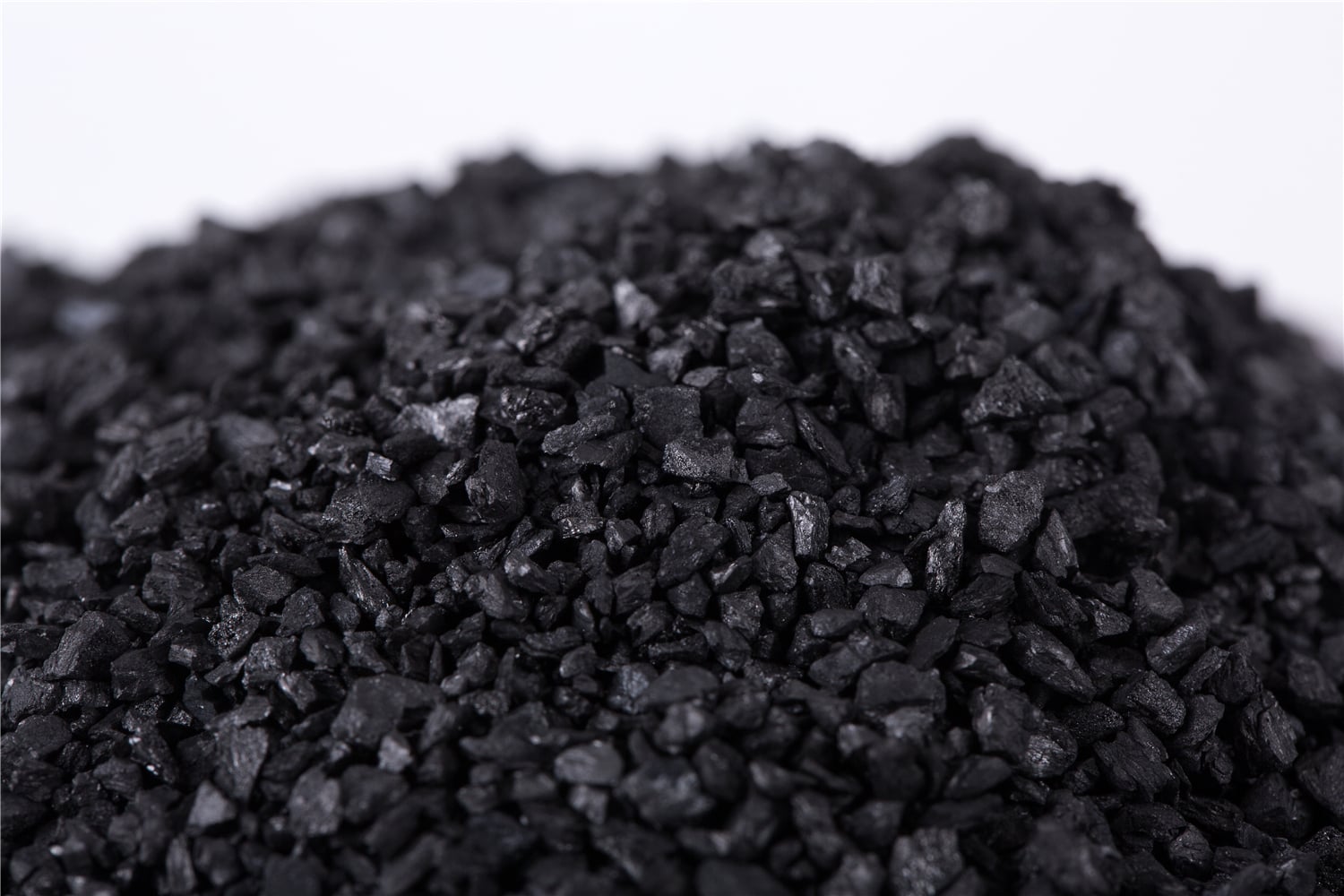
Activated carbon acts like a tiny molecular sponge in food processing, grabbing hold of unwanted pigments such as caramel colors and those red-purple anthocyanins without messing with the good stuff our bodies need. Take juice production for instance. When clarifying juices, this material can pull out around 95-98% of those pesky tannins that make drinks look cloudy, all while keeping most of the valuable vitamin C intact. Food manufacturers have been running tests on this stuff for years now, and what they keep finding is pretty impressive results across different areas including sugar refining where it helps remove impurities, edible oil treatment to get rid of color issues, and even in making various beverages clearer without affecting taste profiles much at all.
Three key advantages drive its widespread adoption:
While ion-exchange resins target charged pigments specifically, activated carbon removes 42% more non-polar color bodies common in caramelized sugars. Unlike bleaching clays that require acidic conditions, activated carbon operates effectively across a wide pH range (2–11), minimizing the need for pre-treatment adjustments.
Materials that comply with FDA 21 CFR §177.2460 standards as well as EFSA guidelines typically show residual ash content staying under 5%, while heavy metal levels remain below the critical threshold of 10 parts per million. Looking ahead, industry reports from 2025 suggest around 12% yearly expansion in the market for food grade activated carbon. This growth seems largely fueled by manufacturers wanting to remove natural pigments without compromising on their clean label claims. Most facilities find that running regular reactivation cycles between four to six times before replacement helps keep the material working properly. This practice not only maintains good adsorption properties but also makes financial sense for businesses looking at long term operational costs and environmental impact considerations.
This unique combination of safety, efficiency, and regulatory compliance positions activated carbon as the gold standard for food color removal in modern manufacturing.
Activated carbon gets rid of food colorants mainly through two processes: physical adsorption and chemical bonding. With physical adsorption, weak forces between molecules such as van der Waals attractions cause dye particles to stick onto the carbon's many tiny pores. Then there's chemical adsorption, where colorants actually form bonds with certain parts of the carbon surface. For example, azo dyes tend to grab onto carboxyl groups by sharing electrons. This is different from regular absorption, where substances get dissolved inside a material. Adsorption works by trapping contaminants right on the surface instead, so the carbon itself stays intact and can keep working effectively over time.
Adsorption efficiency depends heavily on pore geometry and surface chemistry. Mesopores (2–50 nm diameter) are optimal for mid-sized organic dyes, while micropores (<2 nm) may exclude bulkier pigments like carotenoids. Acid-washed activated carbon increases hydroxyl group concentration by 40%, enhancing electrostatic attraction for charged food dyes and improving selectivity in complex matrices.
The process of adsorption hits a sort of balance point where the rate at which molecules stick to surfaces equals how fast they come off again. When we crank up the heat between about 50 and 60 degrees Celsius, it definitely speeds things up at first glance, but there's a tradeoff here since overall capacity drops somewhere around 12 to maybe even 18 percent because those weak attractions called van der Waals forces just don't hold as well anymore. How long something needs to sit depends heavily on what exactly is being treated. For instance, getting rid of color from fruit juices generally takes anywhere from 10 to 20 minutes or so, while thicker stuff like syrup might actually take way longer, sometimes pushing past 45 whole minutes before all that unwanted pigment disappears completely.
When surface areas go beyond around 1,500 square meters per gram, there's actually not much benefit for handling those big pigment molecules. Take carotenoids for instance they need pores larger than 5 nanometers to be captured properly. That's exactly why those super high surface area materials with tiny pores don't work so well in these situations. And then there's another issue too. In really acidic drinks where pH drops below 3.5, the adsorption power goes down somewhere between 25% to 30%. Why? Because all those hydrogen ions just take over the spots where dyes would normally stick, making it harder for the color compounds to bind effectively.
Activated carbon works really well at getting rid of those natural colors we see in things like berry juices (think about those anthocyanins) as well as man-made dyes. This happens because of something called physical adsorption, which is basically when molecules stick to the surface due to these weak attractions known as van der Waals forces. According to some research published in 2023 by IFST, when using powdered activated carbon in soft drinks, it managed to cut down on caramel coloring by around 94% with just 0.4 grams per liter. That's actually pretty impressive compared to bentonite clay, beating it by about 23%. What makes this possible is the special structure of activated carbon. Its mesopores measure between 20 and 50 angstroms, making them great at capturing medium sized molecules such as chlorophyll-a that measures around 34 angstroms. Even better, most of the valuable vitamins remain intact throughout this process, with studies showing preservation rates staying above 98%.
For apple juice processing, most facilities rely on about 100 to 150 parts per million of granular activated carbon. This treatment knocks out around 89 percent of those pesky browning enzymes called polyphenol oxidase, all while keeping the pH level stable between 4.2 and 4.5. Things work differently when it comes to tropical juices though. Mango puree producers often turn to steam activated coconut shell carbon instead. They find this method cuts down beta carotene content by roughly 82%, which beats the 67% removal rate seen with regular silica gel treatments. A study that came out last year in Food Chemistry Journal actually looked at how temperature affects antioxidants during processing. The results were pretty interesting too. When they did adsorption at cooler temperatures around 10 degrees Celsius, nearly 91% of anthocyanins stayed intact compared to just 74% preservation when working at warmer 30 degree conditions.
Best practices include:
Higher ionic strength (>0.1M) enhances adsorption of anionic dyes like Allura Red AC by 33%, though post-filtration is required to meet FDA turbidity standards (<2 NTU).
The effectiveness of adsorbing synthetic dyes, including stuff like Allura Red and Tartrazine, really depends on the pH level. When we look at pH ranges between 3 and 5, something interesting happens. The carboxyl groups get protonated, creating a positive charge on the surface. This makes it super attractive to those negatively charged anionic dyes. Studies show about 92 percent better binding compared to when things are more alkaline. Now for the opposite case with cationic dyes such as methylene blue, the best results come around pH levels of 8 to 10. That's where the electrostatic forces stop pushing back so hard. Think about everyday stuff like tomato juice which naturally sits around pH 4.3. These kinds of naturally acidic environments actually match up pretty well with what we need to remove those common acidic colorants effectively.
When there's a lot of dye present, say 200 parts per million or more, the removal process slows down quite a bit, somewhere between 18 to 35 percent slower actually because the pores get saturated. But if we're dealing with much lower concentrations around 20 to 50 ppm, things work out really well, getting rid of over 95% of color within just half an hour. What about temperature? Well, when it gets too hot, above 50 degrees Celsius, the material loses about 12% of its ability to grab onto dyes for every additional 10 degrees. The molecules move around too much and those weak attractions called van der Waals forces start breaking down. On the flip side, cooling things down to refrigerator temperatures, somewhere between 4 and 10 degrees Celsius, makes a big difference. For thick solutions such as caramel syrup, the total amount of dye removed goes up by roughly 22%. The downside is that these cold conditions require more time for proper contact, but the tradeoff can be worth it depending on what exactly needs treating.
The presence of high ionic strength in things like brined foods or sports drinks creates what we call competitive adsorption issues. Take sodium chloride at 0.5M concentration for instance it cuts down erythrosine uptake by around 41%, because those ions basically clog up the tiny pores. Foods that contain complex mixtures with proteins or fats tend to be less efficient overall, showing reductions between 15 to 30% when compared against simple laboratory solutions. Look at activated carbon performance for example it manages to remove about 84% of annatto color from cheese whey, while achieving nearly 97% removal in controlled buffer solutions. The difference? Casein micelles in milk products actually shield those pigment molecules from getting captured. And when dealing with water samples where total dissolved solids go above 2,500 ppm mark, operators typically need to bump up their carbon dosage by roughly 30% just to keep the same level of effectiveness. This matters a lot in food processing plants where maintaining color stability is crucial for product quality.
When it comes time to pick between powdered activated carbon (PAC) and granular activated carbon (GAC), manufacturers generally look at what their specific processes require and what kind of results they need. PAC particles are really tiny, measuring under 0.18 mm, which means they grab onto stuff quickly during treatment. That's why many juice processors prefer PAC for their batch operations where speed matters most. On the flip side, GAC comes in bigger chunks ranging from about 0.8 to 5 mm. These larger granules work better in continuous flow applications like those long beverage bottling lines we see everywhere. They cause less pressure loss across the system too, plus they tend to hold up better over time against wear and tear compared to PAC.
| Factor | PAC | GAC |
|---|---|---|
| Particle Size | <0.18 mm (high surface area) | 0.8–5 mm (low flow resistance) |
| Surface Area | 800–1200 m²/g | 400–800 m²/g |
| Application Context | Batch processing, short-term use | Continuous systems, reusable beds |
Coconut shell-derived activated carbon now dominates 68% of food-grade applications due to its optimal micropore structure for capturing small dye molecules.
GAC can actually be heated up again to get back around 65% of its original capacity after going through three cycles. Still, most folks in food processing stick with single use PAC because they want to avoid any risk of cross contamination. The regulations are pretty strict for both types of carbon. They need to meet FDA standards found in 21 CFR 177.2600 which means keeping heavy metals down to less than 0.1 parts per million and total ash below 5%. When it comes to beverage decolorization work, nearly all manufacturers look for third party certifications such as NSF ANSI 61. About 94% of them make this a top priority since these certifications basically guarantee good quality products that follow all the rules.
 EN
EN