Sep 19,2025
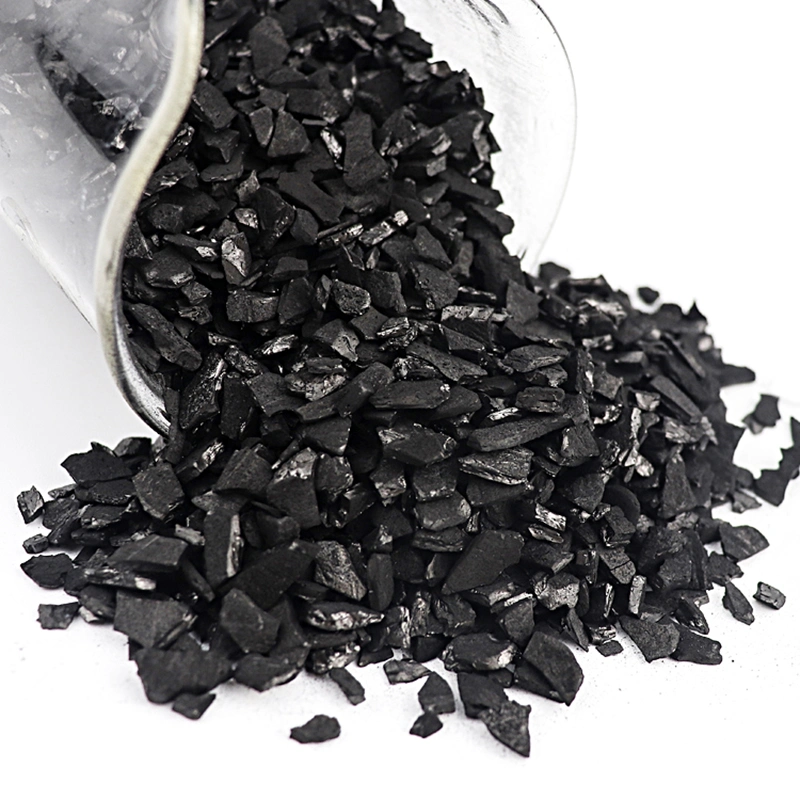
These days, both city governments and manufacturing plants are turning to coconut shell activated carbon for their water treatment needs because it comes from renewable sources and ticks all the boxes when it comes to meeting regulations. According to some recent research published by GlobeNewswire back in 2025, around two thirds of newly planned water treatment facilities specifically call for these kinds of biological materials just to stay compliant with those ever tightening EPA sustainability rules. What makes coconut shell carbon stand out compared to traditional coal based options? Well, industrial users report needing to replace filters roughly 30 to maybe even 40 percent less often, which cuts down on maintenance expenses over time. Plus, this material does an excellent job at getting rid of stuff like chlorine and volatile organic compounds from the water supply, making it a smart choice for businesses looking at both environmental impact and bottom line savings.
Water industries around the world are increasingly turning to circular approaches that make better sense environmentally, and this has led many to start using carbon made from coconut shells. We're talking about millions of tons of coconut waste being put to good use each year instead of going to landfills. When it comes to emissions, coconut shell carbon wins hands down compared to traditional methods. Studies show it creates roughly three quarters less carbon dioxide during manufacturing than when they make activated carbon from coal according to research published last year. This fits nicely with the global push for cleaner water access as outlined by the United Nations. What makes this approach really work is what happens after these carbon filters have done their job. Instead of just throwing them away, companies can either regenerate the material so it works again or turn it into something useful for fixing damaged soils through a process called biochar creation.
What was once just trash from coconut orchards is now being turned into high quality activated carbon with surface areas ranging between 1200 to 1500 square meters per gram, which actually competes pretty well against man made alternatives. Take one factory in Southeast Asia for example they process around 12 thousand metric tons annually of those coconut husks and turn them into stuff used for water filters, showing this isn't just a small scale experiment anymore. The whole concept of turning waste into something useful keeps organic material out of landfills and gives operators working on water treatment projects a chance to earn carbon credits according to those ISO standards. Makes sense really when looking at both environmental benefits and economic incentives.
The amazing ability of coconut shell activated carbon to absorb stuff comes down to its tiny pores and huge surface area, somewhere around 1200 to 1500 square meters per gram. These microscopic holes work kind of like a filter at the molecular level, grabbing onto really small particles even smaller than 0.3 nanometers across. According to research published in the 2024 Material Efficiency Study, this material removes about 84.4 percent of typical water contaminants, which beats most other materials used for similar purposes today.
The material’s uniform pore distribution targets chlorine, volatile organic compounds (VOCs), and odor-causing molecules with precision. Unlike broader-pored alternatives, this structure minimizes pore-blocking from larger organic substances, maintaining consistent performance across varied water chemistries.
Acid-washed coconut carbon retains <0.5% ash content, eliminating metallic impurities that could leach into treated water. This purity extends filter lifespans by 30–40% compared to standard grades, as shown in industrial durability testing.
| Property | Coconut Shell Activated Carbon | Coal-Based Activated Carbon |
|---|---|---|
| Pore Structure | Predominantly microporous (0.3–0.9 nm) | Macro/mesoporous (1–50 nm) |
| Target Contaminants | Chlorine, VOCs, disinfection byproducts | Large organics, colorants |
| Hardness | 95–98 (Mohs scale) | 85–90 (Mohs scale) |
| Renewability | Waste agricultural material | Fossil fuel derivative |
Coconut shell variants demonstrate superior adsorption of small-molecule pollutants critical in potable water systems, while coal-based alternatives excel in industrial wastewater applications requiring broad-spectrum organic removal.
The tiny pores in coconut shell activated carbon work really well at pulling out those pesky VOCs, leftover chlorine, and whatever makes water smell bad in household filters. These granular filters have an impressive surface area ranging from around 1200 to 1500 square meters per gram, which means they can handle anywhere between 500 to 1000 gallons of water before needing to be replaced. That makes them great choices for both under sink setups and full house filtration systems. People who've used these filters often notice a big difference too, with most reporting about a 90 to 95 percent drop in chlorine taste. And the good news keeps coming since the levels of THMs typically fall below what the EPA considers safe after passing through these filters.
Agricultural runoff containing atrazine and chlorinated hydrocarbons poses risks to decentralized water supplies. Community-scale filters with coconut shell carbon achieve 80–85% pesticide adsorption, as validated by a 2023 WHO-funded pilot in Southeast Asia. Acid-washed grades create ion-exchange sites that enhance binding of halogenated compounds, improving contaminant retention.
According to research published in 2024, coconut shell activated carbon can remove around 94 to 97 percent of lead, copper, and cadmium from synthetic wastewater samples. What makes this material stand out is its very low ash content, typically below 3%, which means there's much less risk of chemicals getting leached back into the water when treating acidic waste streams. This gives coconut shell carbon an edge over traditional coal-based alternatives especially when working with solutions that maintain stable pH levels throughout processing. Industry professionals have started adopting reactivated carbon beds for recovering valuable metals such as gold across multiple cycles. The cost savings are pretty impressive too, with some operations reporting reductions in material expenses anywhere between thirty and forty percent over time.
One small town along Florida's coast managed to cut down on harmful disinfection byproducts by nearly two thirds after they put in place coconut shell carbon filters at entry points throughout their water system. Looking at the whole picture from production to disposal, these new systems left behind only about 72% of what traditional coal based options would have produced. Why? Because they came from closer sources and used materials that can actually be replenished naturally over time. What's really interesting though is how this technology has started making waves beyond just regular water treatment. Local emergency crews have begun carrying around portable filtration units equipped with similar coconut shell carbon tech. During recent floods, these mobile setups were able to clean and treat well over 2000 gallons of water every single day while helping communities get back on their feet.
Coconut shell activated carbon transforms agricultural byproducts into high-efficiency filtration media, diverting 8.2 million metric tons of coconut waste annually from landfills globally. This circular economy approach aligns with the renewable resource utilization priorities outlined in modern agricultural sustainability frameworks, creating value chains where waste shells become premium adsorbents.
The manufacturing process requires 34% less energy than coal-based alternatives, with CO₂ emissions reduced by 41% according to 2023 biomass carbon production studies. Steam activation methods leverage the shells' inherent cellulose structure, eliminating the need for chemical binders used in traditional carbon pelletization.
| Factor | Coconut Shell Carbon | Coal-Based Carbon |
|---|---|---|
| Production Energy | 12-15 kWh/kg | 18-22 kWh/kg |
| Regeneration Cycles | 4-6 | 2-3 |
| Biodegradability | 92% in 2 years | 38% in 5 years |
Coconut-derived media maintains 85% adsorption efficiency after five regeneration cycles, significantly outperforming coal carbon’s 60% retention rate. Municipal plants report 22% longer filter bed lifespans, translating to $18k annual savings in media replacement costs for medium-scale systems.
While seasonal coconut harvests create supply fluctuations, hybrid sourcing models combining Southeast Asian and Caribbean suppliers have increased annual production capacity by 37% since 2021. Ongoing research into shell pretreatment methods aims to boost yield efficiency by 15–20% within the next decade.
Modern water filtration setups are combining coconut shell activated carbon with ultrafiltration membranes and UV light treatment to create multiple layers of defense against impurities. The system works because the carbon grabs hold of organic stuff while the UV kills microbes and the membranes catch tiny particles. Water treatment plants have seen pretty impressive results from this combo approach. Some recent research indicates that these combined systems can cut down on pathogens by about 99.7% in city water supplies. That's actually quite a bit better than what we see from systems that only use one technology, with improvements ranging between 18 to 22 percentage points according to the data.
Scientists working on coconut shell carbon have started incorporating nanotechnology to tackle all sorts of contaminants including pharmaceutical residues, microplastics, and dangerous heavy metals such as lead and arsenic. When they embed these tiny nano-oxides within the carbon structure itself, the ability to absorb harmful substances like chromium(VI) goes way up – somewhere around 40 to maybe even 60 percent better than what we see with regular carbon products. There was this really interesting development back in 2023 where researchers showed that their modified carbon filters could remove about 94 percent of those stubborn PFAS chemicals from groundwater samples during field tests. This kind of advancement makes a real difference in cleaning up contaminated water sources across different regions.
Next-generation water treatment systems integrate IoT sensors with coconut shell carbon filters to monitor contaminant breakthrough, carbon bed saturation, and flow rate optimization. These AI-driven platforms automatically adjust filtration parameters, extending media lifespan by 30% while ensuring consistent water quality—critical for industrial operations requiring uninterrupted performance.
 EN
EN