Feb 01,2025
Activated carbon works as a sponge-like substance with lots of tiny holes throughout it, making it really good at grabbing stuff out of air and water. When pollutants come into contact with this material, they stick to its surface through what scientists call adsorption. Basically, the molecules get attracted to the carbon's surface because of certain forces between them. This whole sticking process helps clean things up pretty well in various filtration systems around us today.
Activated carbon appears in several different formats like granular, powdered, and extruded versions. These different forms work best for particular applications across various fields. The stuff really shines in areas like environmental cleanup, medical treatments, and even food production processes. Take granular activated carbon (GAC) for instance. Water treatment plants rely heavily on this type because it grabs onto impurities so well. When GAC does its job properly, tap water becomes safer to drink since many nasty chemicals get filtered out before reaching consumers' homes.
Activated carbon is really important in water treatment because it filters out stuff like chlorine and other chemicals that make water smell bad or taste weird. When these impurities are removed, the water becomes safer to drink since it gets rid of harmful substances that could be dangerous if consumed over time. We see activated carbon being used everywhere from municipal water plants to home filtration systems, which shows just how vital this material is for keeping our environment clean and protecting people's health when they need fresh water.
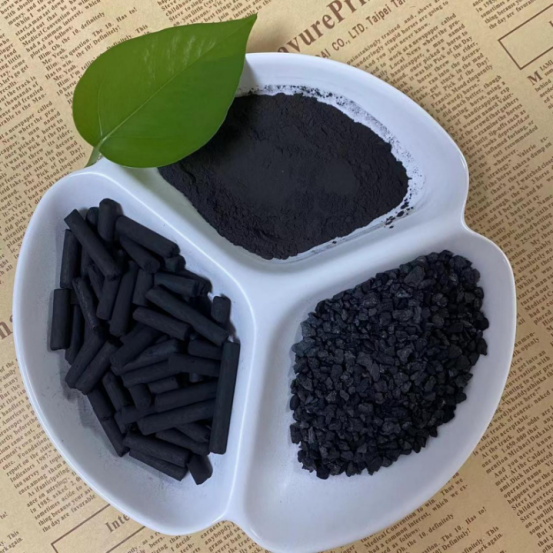
Granular Activated Carbon, or GAC as it's commonly called, has bigger particles compared to other forms, making it work really well in water filters. The granules themselves are pretty tough stuff, so they don't break down easily even when water keeps flowing through them all day long at those treatment facilities. People also find GAC useful for cleaning up bad smells in air systems because it reacts more slowly than powdered versions. This slow reaction means pollutants have more time to stick to the carbon surface before getting flushed away, which actually improves how clean the final product ends up being.
Powdered Activated Carbon or PAC comes in much smaller particles usually under 1 mm across. These tiny grains create way more surface area which makes them great for fast adsorption needs. Most often, PAC gets added straight into things like gravity filters or at the point where raw water enters treatment systems because it's so versatile and doesn't break the bank. The really small particle size means stuff gets processed quicker, which is why many plants prefer PAC when dealing with situations where contaminants need to be removed fast without waiting around.
How GAC and PAC physically behave really impacts how well they can absorb stuff, mainly because of differences in surface area and what's going on inside those pores. GAC has bigger particles so it actually presents less surface area from the outside looking in. But here's the thing its internal structure makes it great at grabbing hold of larger molecules over time, which matters a lot for applications that run for extended periods. PAC works differently since it's much finer grained material. This means there's simply more surface available for quick absorption processes compared to how much material we're talking about. The increased surface to mass ratio gives PAC an edge when speed matters most in adsorption tasks.
When it comes to money matters, GAC and PAC definitely have their differences based on how efficient they are, what the application needs are, and how much someone buys at once. GAC tends to be better value for money when dealing with big scale filtering jobs that run continuously because it can be reused multiple times before needing replacement. On the flip side, PAC looks cheaper at first glance but ends up costing more over time since it needs regular top-ups and special handling during operations. Some facilities find themselves spending extra cash on labor just keeping PAC systems stocked properly. So when deciding between these two options, most companies end up looking closely at exactly what their particular situation demands, how well each material works for them, and of course how tight their budget actually is.
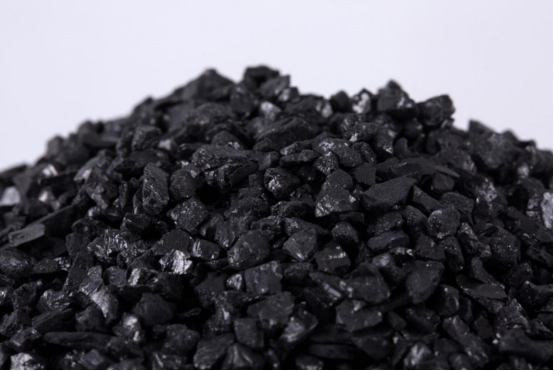
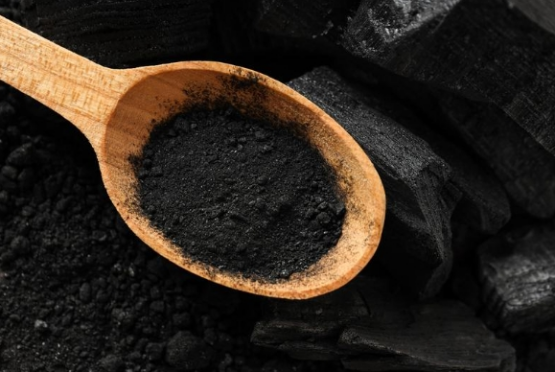
Getting the correct kind of activated carbon matters a lot when it comes to good filtration and adsorption across different uses. There are several things worth thinking about here - mainly particle size, what exactly needs filtering, and how fast we want those impurities removed. Granular Activated Carbon or GAC typically comes in bigger chunks which works well when time isn't pressing and we need something that keeps working over days or weeks. On the flip side, Powdered Activated Carbon known as PAC consists of much smaller grains. These tiny particles grab onto contaminants really quickly, so PAC becomes the go to choice whenever speed matters most in the filtration process.
Granular activated carbon finds its place in many applications needing good flow rates and extended contact time between the material and what needs cleaning. Think about things like city water treatment plants, air filters in buildings, or factories dealing with all sorts of messy stuff where the carbon just sits there doing its job over hours or even days. The bigger granules in GAC work pretty well at grabbing onto impurities, which means these systems can run longer before needing replacement. That makes sense from a budget standpoint too since replacing filters constantly gets expensive fast, especially when running large scale operations day after day.
Powdered activated carbon comes into play when fast results matter most, like during those urgent decolorization jobs or cleaning up chemical spills. The tiny particles work quickly because they have lots of surface area touching whatever needs purification, which makes them great at grabbing contaminants right away. We see PAC being put to good use in municipal water plants across the country, plus various industrial settings where getting things done fast isn't just nice to have it's absolutely necessary for operations to run smoothly.
When deciding between GAC and PAC for an application, look at how well each works for what needs doing. Granular Activated Carbon handles big volumes of fluid over time pretty well, which makes it good for continuous operations. Powdered Activated Carbon grabs onto contaminants fast though, so it's better when speed matters most. Checking actual numbers about efficiency rates and how much stuff gets absorbed in various situations helps make smarter choices. This kind of information leads to better results without breaking the bank, something every plant manager wants to see happen.
Granular activated carbon or GAC has some pretty good advantages worth mentioning. It lasts longer than many alternatives and can be regenerated fairly easily, which makes sense when dealing with big scale operations. The reason GAC works so well in these situations comes down to those tiny particles that allow it to keep going without constant replacement while still being economical to clean and reuse. Municipal water plants love this stuff because it handles all sorts of contaminants day after day. Same goes for industrial air filtration systems where consistent performance matters most. Many facilities report their GAC filters running reliably for years before needing major attention.
Powdered activated carbon, or PAC as it's commonly called, works really fast when it comes to grabbing onto stuff we don't want in water or air. The tiny particles are basically little magnets for pollutants, which is why this stuff gets deployed so often during emergencies like chemical spills or when trying to remove color from industrial wastewater. What makes PAC stand out though is how versatile it actually is. We can throw it into water treatment systems without much fuss, but it also handles gases coming out of smokestacks pretty well too. That kind of dual functionality makes it a go-to solution for many plants dealing with different types of contamination problems day after day.
Granular Activated Carbon does have some downsides though. The main problem is how big and heavy it gets, which creates headaches when trying to fit into compact filtration setups. Because the particles themselves are relatively large, they tend to cause significant pressure loss across the system. This becomes a real issue for facilities where space matters most. Still, many industries stick with GAC because in certain situations the benefits just can't be matched by alternatives. For wastewater treatment plants especially, the tradeoff between space requirements and contaminant removal efficiency still makes sense.
PAC comes with some downsides too. One major problem is dust creation which can be quite messy. Also, because PAC gets used up so fast, operators have to keep refilling it much more often than other materials. The fact that PAC isn't usually kept in a special container makes things tricky on site. Workers often deal with problems like blocked equipment or leftover material buildup around the system. All these issues mean plant managers need solid plans for restocking and maintenance work, particularly when running operations nonstop without breaks.
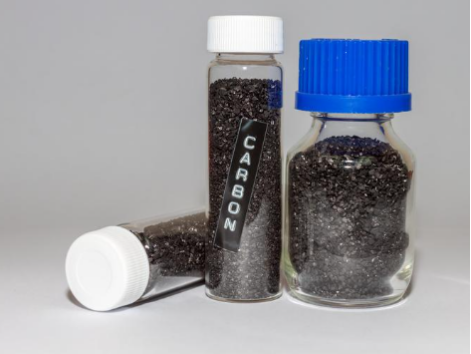
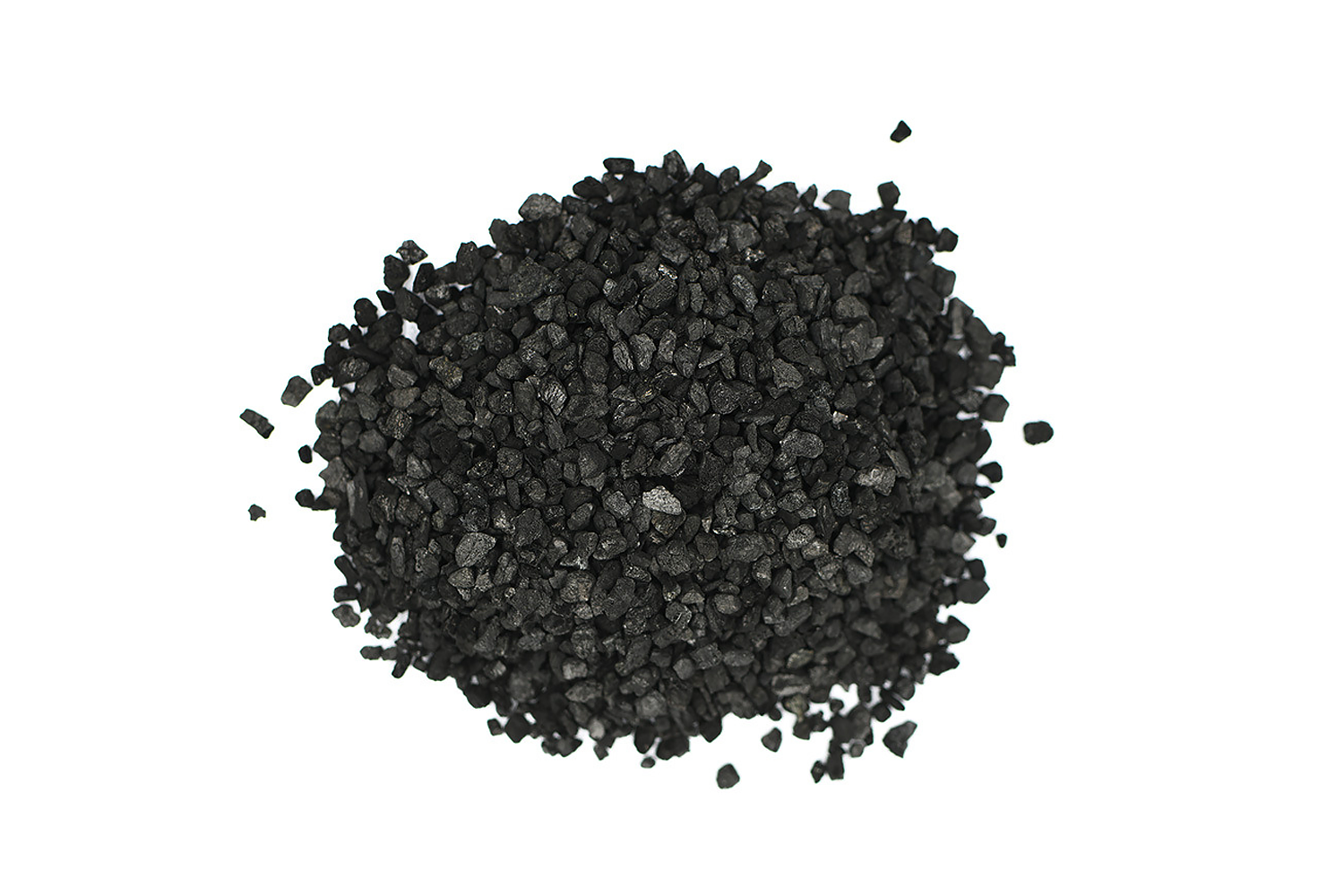
Granular activated carbon, when crushed into smaller particles, plays a really important role in treating water because of how well it can grab onto stuff. This stuff works great at pulling out all sorts of bad stuff from water including chlorine, those pesky volatile organic compounds we hear so much about, plus lots of other unwanted chemicals. That's why folks rely on it heavily for cleaning up tap water before people drink it, as well as getting rid of nasties in wastewater systems across the country. What makes this material stand out is not just effectiveness but also how adaptable it proves to be in different situations where clean water matters most.
This granular activated carbon comes in several particle size options including 4x8, 8x10, 6x12, and 8x30 mesh, which makes it suitable for all sorts of treatment requirements depending on the specific application. The material has strong adsorption properties with iodine values between 400 and 1200 mg per gram, meaning it can grab hold of many different types of pollutants effectively. Common uses span across air and water filtration systems, solvent recovery processes, and general air cleaning applications. Many industrial sectors find this product particularly useful because it works well across so many different scenarios where contaminant removal is needed.
Yihang's granular activated carbon distinguishes itself through its high quality and durability, supported by ISO quality inspection certifications. With over 25 years of manufacturing experience, Yihang has earned a reputation for delivering competitively priced, superior products. Customer testimonials emphasize its effectiveness and durability, reinforcing Yihang's commitment to quality and reliability.
 EN
EN