
Feb 03,2025
Activated carbon, sometimes called activated charcoal, comes from materials rich in carbon and has lots of tiny pores that let it grab onto all sorts of stuff. The manufacturing process actually expands these pores so there's way more surface area available for grabbing contaminants out of water or air. Because of how it's structured, this stuff works wonders in environmental cleanup situations. We see it used everywhere from filtering drinking water supplies to cleaning up industrial waste sites where pollutants need to be removed before they cause problems.
Activated carbon works mainly because it can grab onto all sorts of pollutants found in both liquids and gases. That's why it's so important for protecting our environment these days. We find it being used everywhere from cleaning up the air we breathe to treating drinking water supplies and fixing contaminated soils. When activated carbon removes stuff like organic compounds, heavy metals, and those pesky volatile chemicals, it helps keep ecosystems healthy while also meeting tough environmental standards set by regulators. Given how versatile and efficient this material proves to be, no wonder industries continue relying on it heavily when tackling pollution problems and working toward greener practices overall.

In many municipal wastewater treatment plants across the country, activated carbon does some serious work by pulling out all sorts of unwanted stuff from water including both organic matter and various inorganic compounds. What this means is that our soils stay cleaner and rivers lakes don't get overloaded with trash, helping keep nature in check. The stuff works really well at grabbing onto impurities too, so when dealing with massive amounts of dirty water coming through these facilities day after day, activated carbon becomes almost essential equipment. Since it grabs hold of dangerous chemicals before they can escape into drinking water sources, communities benefit from safer tap water and local ecosystems avoid getting poisoned by industrial runoff.
Industries often turn to activated carbon for treating their process water when they need to meet those tough environmental regulations. When factories remove all sorts of nasty stuff from their wastewater, they're actually protecting both people's health and local ecosystems at the same time. Activated carbon plays a big role here because it helps cut down on dangerous substances before anything gets dumped into rivers or lakes. What many companies don't realize is how this simple step does double duty it keeps them out of trouble with regulators while also making good business sense long term. After all, nobody wants to be known as the factory that messed up the water supply.

Activated carbon is really important for improving air quality since it forms the backbone of many air filtration systems including air purifiers and HVAC units. These filtration setups work pretty well at grabbing those nasty airborne particles, which means better breathing conditions inside buildings. What makes activated carbon so effective? Its massive surface area combined with all those tiny pores lets it pull in stuff like VOCs, bad smells, and various pollutants right out of the air stream. People who install these carbon filters in their homes or offices tend to notice fewer irritants floating around, and most importantly, they end up with spaces that feel much cleaner and healthier overall.
Activated carbon plays a major role in removing mercury from industrial processes, tackling what remains one of the biggest environmental threats because mercury is so toxic to both humans and wildlife. Activated Carbon Injection or ACI works pretty well according to various studies showing that it can remove around 95 percent of mercury emissions coming out of coal fired power stations. Recent findings back this up too, suggesting that companies which implement these methods find it easier to follow the strict rules laid down under MATS by the EPA. Beyond just meeting regulations though, this approach makes a real difference in cleaning up the air we breathe while protecting communities from harmful pollutants that would otherwise escape into the atmosphere unchecked.

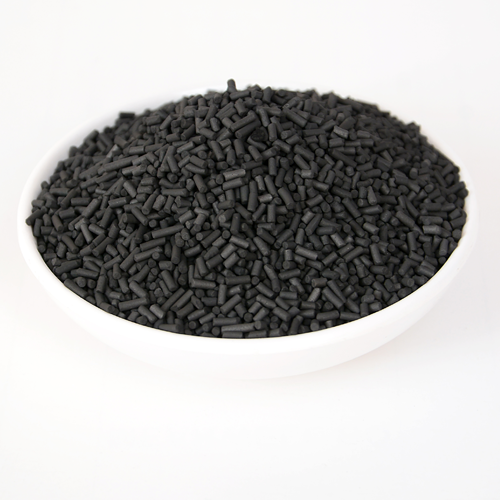
Activated carbon pellets come in all sorts of sizes and shapes, which makes them super flexible for different uses. They play a big role in things like cleaning air and water because of how they're designed to work efficiently. What makes these pellets so useful is that they fit into lots of different filtration setups without much trouble. From small home filters to massive industrial systems, companies across many sectors rely on activated carbon pellets to get the job done right.
Activated carbon pellets offer plenty of advantages that explain why so many industries rely on them for treating contaminants at reasonable prices. These pellets have impressive adsorption properties, meaning they can grab hold of more pollutants than most alternatives throughout their lifespan. Another big plus is how little dust they produce during handling, making them safer and easier to work with across different settings from industrial plants to residential water filters. What really stands out though is their regenerability factor. After being saturated with impurities, these pellets can often go through cleaning processes that restore much of their original effectiveness. This not only cuts down on replacement expenses over time but also makes sense environmentally when looking at waste reduction goals.
Activated carbon plays a big role in making waste management more sustainable because it grabs pollutants really well, which cuts down what ends up in landfills and creates chances for recycling stuff we might otherwise throw away. What makes activated carbon so good at this job? Its surface area is packed with tiny pores that stick to all sorts of contaminants, helping keep both air and water cleaner than they would be otherwise. When waste isn't loaded with harmful substances anymore, there's just less stuff needing disposal altogether. That means fewer trips to the dump and more materials getting reused or recycled instead of sitting in a landfill for decades.
The ability to reactivate activated carbon means it can be used for much longer periods, making it a sustainable option when looking at environmental impact across its entire lifespan. When the material becomes saturated with pollutants, it undergoes thermal treatment that brings back its ability to absorb substances. This reactivation significantly increases how long we can get value from each batch of activated carbon. Beyond just saving money, this characteristic plays a key part in conserving resources and cutting down on waste that would otherwise end up in landfills. Many industries are starting to recognize these advantages as they seek ways to operate more sustainably without sacrificing performance.
Looking ahead, activated carbon still holds great potential for controlling pollution, especially as new production techniques continue to emerge. Many of these approaches center around eco-friendly tech that cuts down on environmental impact across the board. Take recent improvements in how we activate the carbon itself – this has made it better at grabbing pollutants while simultaneously lowering those pesky greenhouse gases emitted during manufacturing. With both companies and government agencies pushing harder than ever for greener operations, these kinds of breakthroughs keep activated carbon right where it belongs at the front lines of modern pollution management strategies.
Activated carbon plays a key role in sustainable development, fitting right into global efforts aimed at cleaner air and water plus fighting climate change. We see it everywhere really—from scrubbing harmful stuff out of factory exhausts to making sure tap water stays safe for drinking. This versatility makes activated carbon pretty essential for building a greener future. As industries work harder to meet environmental targets, this material keeps showing up in solutions across different sectors. Whether it's reducing pollution or helping communities access better water quality, activated carbon remains central to many practical approaches tackling our planet's biggest challenges today.
 EN
EN