
Oct 12,2026
Among many spirits, vodka stands out for its purity and clarity. Whether enjoyed on its own or as a base in cocktails, vodka's clean taste is at the heart of its quality. But have you ever wondered where this ultimate purity comes from? The answer may surprise you—activated carbon. This article will delve into the crucial role activated carbon plays in vodka filtration, revealing the purification secrets behind premium vodka.
Activated carbon is a specially treated carbon material with an extremely high surface area and powerful adsorption capacity. Its microporous structure allows a single gram of activated carbon to possess a surface area larger than that of a football field. This remarkable structure enables it to effectively absorb impurities, pigments, odors, and organic compounds, making it a star material in the purification field.
From water purification to air purification, from medical detoxification to food processing, activated carbon has a wide and profound application. In alcohol production, and particularly in vodka making, activated carbon plays an indispensable role.
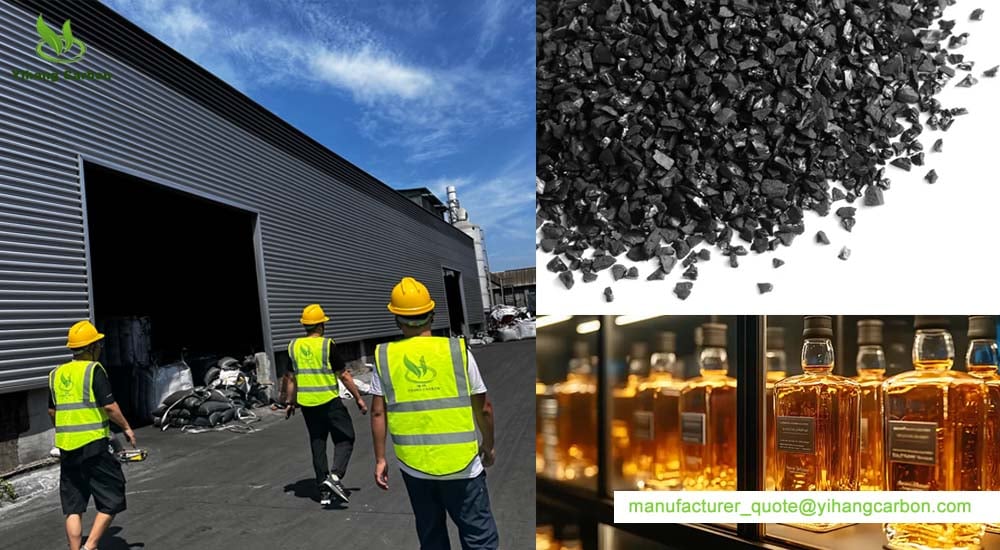
Vodka Filtration: From Traditional Crafts to Modern Technology
The traditional definition of vodka is a neutral alcoholic beverage obtained through distillation, typically from grain or potato sources. While the alcohol concentration after distillation is high, it still contains small amounts of impurities, congeners (such as aldehydes, esters, methanol), and unpleasant taste components.
This is where the filtration process becomes crucial. Activated carbon filtration is one of the most effective methods. When vodka passes through a specially formulated activated carbon filter bed, the activated carbon acts like a sophisticated molecular prison, capturing and locking away undesirable substances that affect the purity of the liquid while allowing alcohol molecules to pass freely, ultimately resulting in a purer, smoother liquid.
30 years manufacturing. MOQ 1 ton. Free samples. Reply within 1 hours.
1. Impurity Removal: Activated carbon effectively removes trace impurities, heavy metals, and other harmful substances remaining after distillation, ensuring the purity and safety of the vodka.
2. Improved Taste: By adsorbing pungent congeners and aldehydes, activated carbon filtration significantly reduces the harshness of alcohol, making vodka smoother and more mellow.
3. Enhanced Flavor Balance: During the filtration process, activated carbon selectively retains desirable flavor components in the liquor, removing discordant elements and achieving a perfectly balanced flavor profile.
4. Enhanced Stability: By removing components that may cause cloudiness or discoloration, activated carbon helps vodka maintain its crystal-clear appearance and long-term stability.
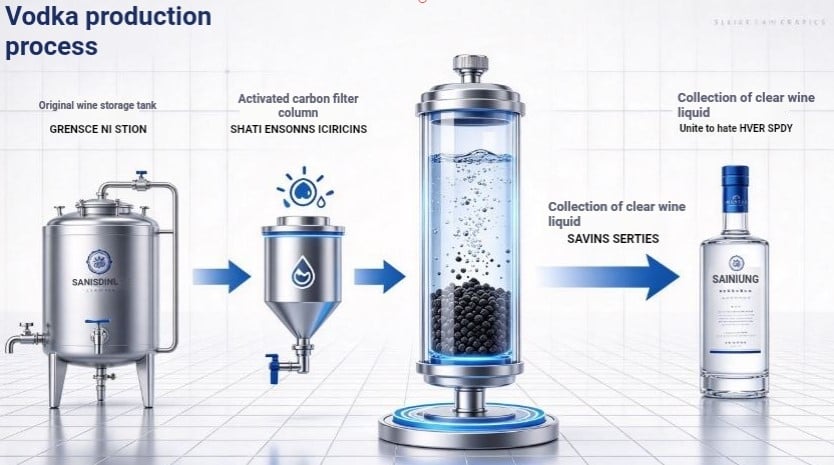
Not all activated carbon filtration methods produce the same results. Filtration effectiveness depends on several factors:
Activated Carbon Type: Activated carbon made from different raw materials, such as wood, coconut shell, and coal, has different pore structures and adsorption properties. Coconut shell activated carbon, due to its rich microporous structure, is often considered a high-end option.
Contact Time: The length of time the liquor is in contact with the activated carbon directly affects filtration effectiveness. Too little contact time may result in inadequate filtration, while too much contact time may lead to excessive adsorption, affecting flavor.
Filtration Times: Some top-tier vodka brands use multiple filtration processes, even combining different types of activated carbon, to achieve ultimate purity.
Charcoal Bed Design: The design of the filtration system determines the efficiency of contact between the liquor and the activated carbon, directly impacting filtration effectiveness and consistency.
30 years manufacturing. MOQ 1 ton. Free samples. Reply within 1 hours.
As a consumer, how can you identify a vodka that has been treated with high-quality activated carbon?
First, check the product label or brand literature. Many brands use terms like "multiple filtration" and "charcoal-filtered" as selling points. Second, judge by tasting experience: A high-quality charcoal-filtered vodka should have a crystal-clear appearance, virtually no pungent alcohol aroma, a smooth, clean taste, and a crisp, clean finish.
It's important to note that more filtration isn't always better. Over-filtration can strip the liquor of its character, rendering it overly flat. The secret to top-tier brands lies in finding the perfect balance between purification and flavor preservation.
The use of activated carbon in vodka production is a perfect marriage of science and art. While not as often discussed by consumers as the raw materials or distillation process, it is the essential unsung hero in creating premium vodka. The next time you enjoy a glass of clear, pure, and smooth vodka, consider the silent purification master—activated carbon. It's its work, transforming the raw distilled spirit into the crystal-clear nectar in our glasses.
In the pursuit of ultimate quality, activated carbon filtration technology continues to evolve and innovate. From traditional techniques to modern technology, this simple material continues to safeguard vodka's most essential characteristic: purity.
 EN
EN