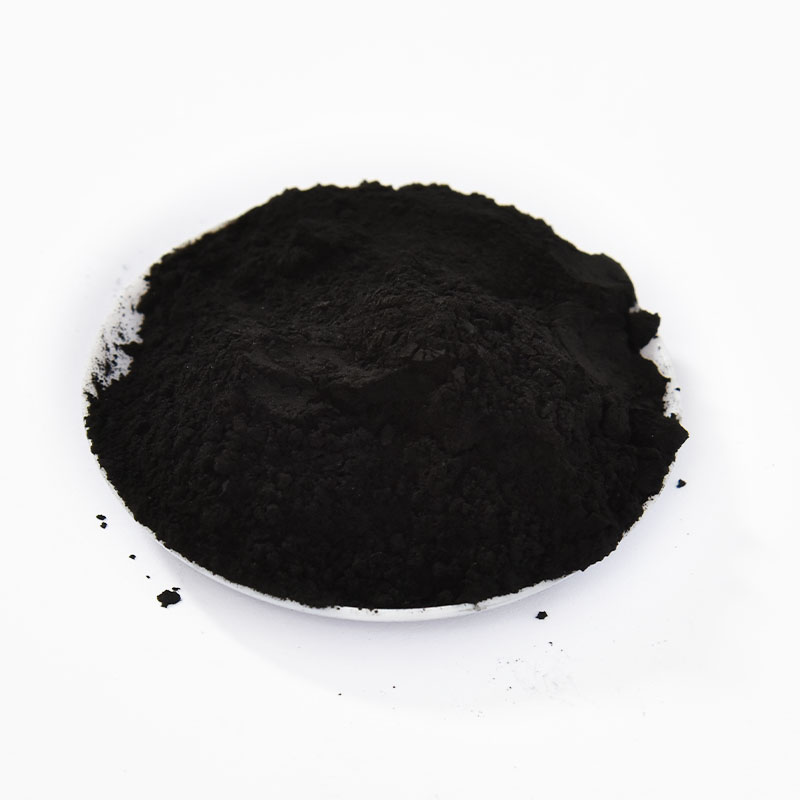
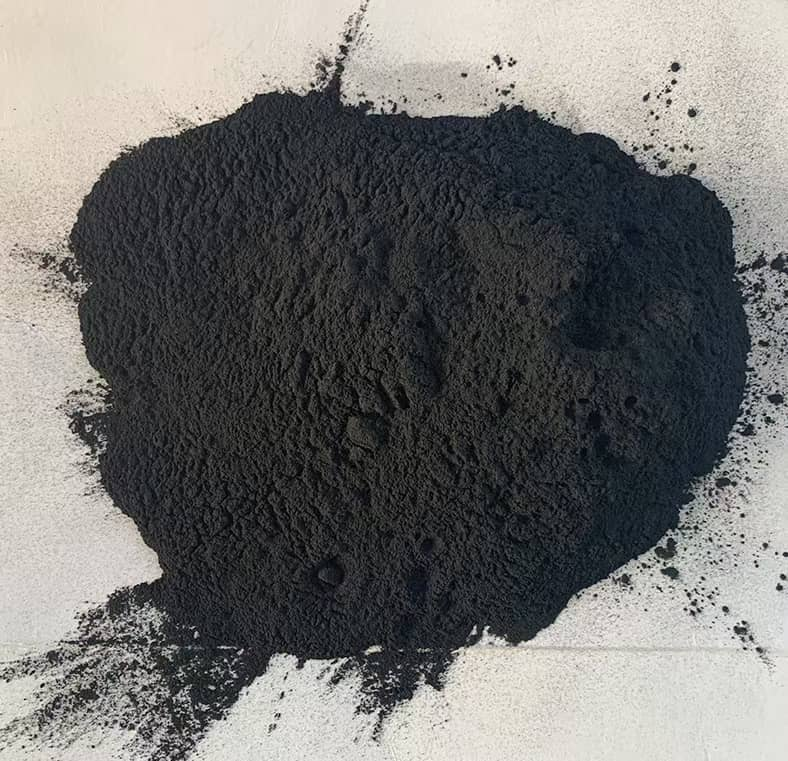

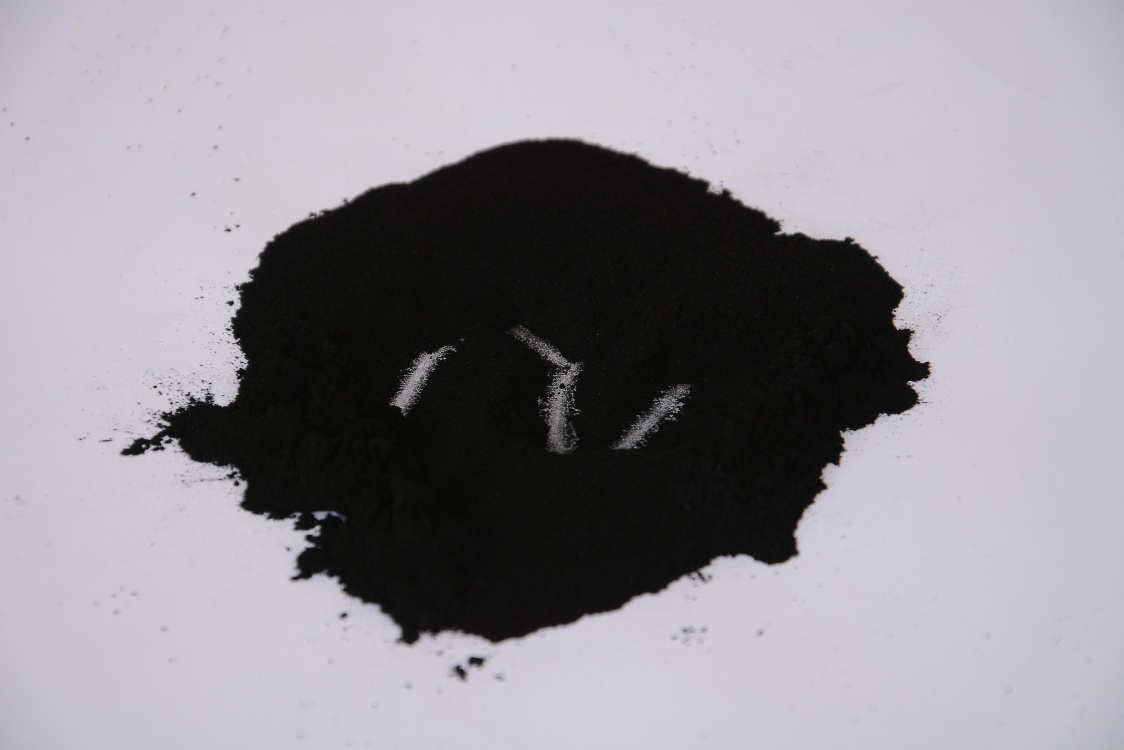
Food-grade phosphoric acid method wood powder activated carbon, highly efficient removal of sugar solution macromolecular pigments, benchmark material for the sugar industry's decolorization process.
High‑performance wood‑based powdered activated carbon specially engineered for sugarcane syrup and sucrose liquid decolorization in food‑grade sugar manufacturing. It features well‑developed mesoporous structure, strong adsorption capacity for colloids, pigment impurities and odorous substances within sugar liquor. This food‑compliant carbon effectively removes melanoidins and caramel pigments, improves liquid clarity and final sugar whiteness. Suitable for continuous and batch decolorization processes in sugar mills, with stable filtration performance, low carbon dosage and minimal sugar loss, helping sugar producers optimize production efficiency and meet high‑end sugar quality standards.
Food‑grade wood‑based powdered activated carbon is manufactured from high‑quality sawdust via phosphoric‑acid activation process. It features highly‑developed mesopore structure, which is the core advantage for sugar liquor decolorization. Sugar liquid contains large‑molecule color bodies such as melanoidins and caramel pigments. These macromolecular impurities can be efficiently captured by abundant mesopores of wood PAC, while micropore‑dominated coconut‑shell or coal‑based activated carbon cannot achieve comparable decoloring performance.
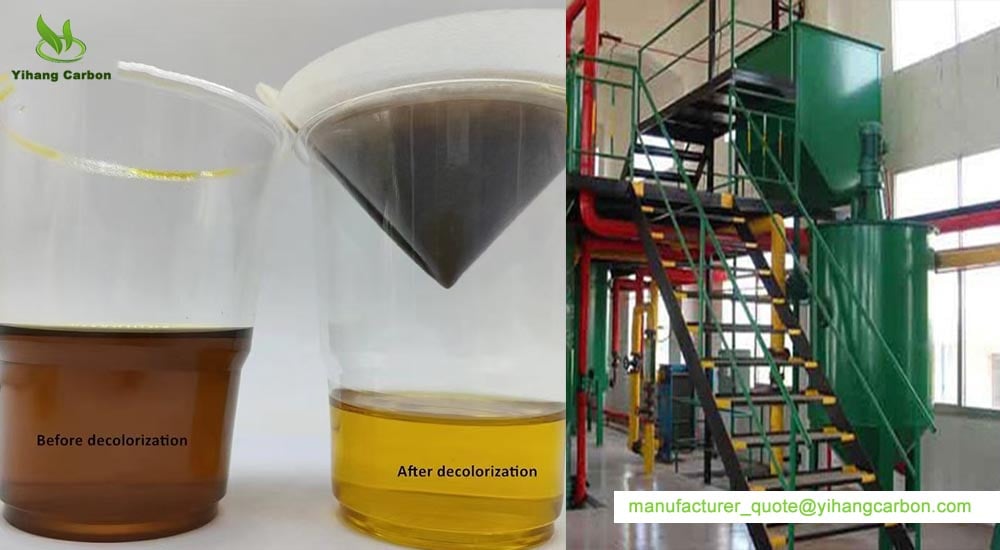
Our wood‑based PAC reaches methylene‑blue value up to 280 mg/g, ranking top among all powdered activated carbon products. With low ash content and strict heavy‑metal control, this material complies with FCC food‑grade standard, HALAL and KOSHER requirements, and fits cane‑sugar and beet‑sugar refining production perfectly. In batch‑mode sugar decolorization process, add PAC into sugar liquor with proper dosage, keep stirring for 15‑60 minutes for sufficient adsorption, then filter out carbon residue to obtain light‑colored refined sugar solution. Two‑stage dosing solution can realize over 95% color removal rate and reach ICUMSA 45 color standard in single pass, lowering carbon consumption by up to 35% compared with conventional carbon materials. Each batch is supplied with complete COA test report, supporting SGS/BV third‑party inspection.
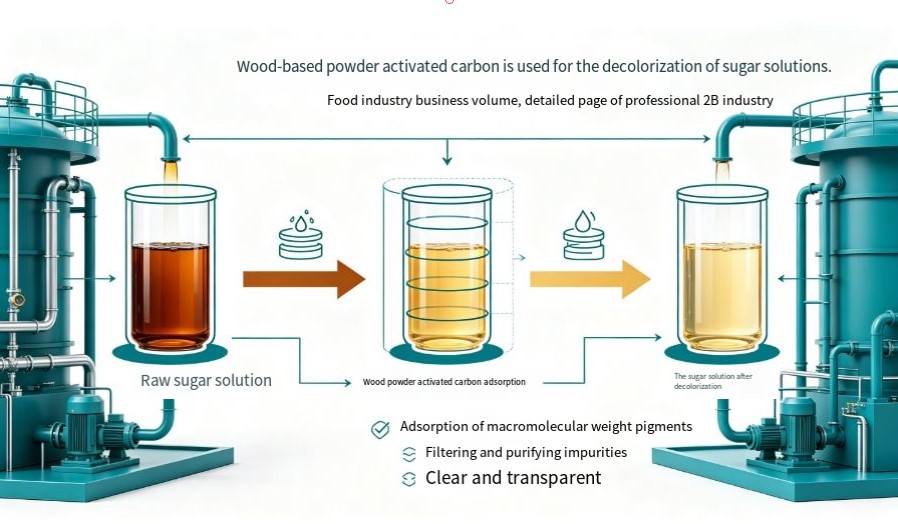
Wood-based powder activated carbon is used for sugar and liquid decolorization.
| Item | Specification(Model: HojeePure WPW1200‑Sugar Grade) |
|---|---|
| Raw Material | Sawdust / Wood chips |
| Mesh Size | 200‑325 mesh |
| Iodine Number | 700‑1200 mg/g |
| Methylene Blue Value | 180‑280 mg/g |
| Caramel Decolorization Rate | >100% |
| Specific Surface Area | 1000‑1300 m²/g |
| Ash Content | <3% |
| Moisture | <8% |
| pH Value | 3‑5 (phosphoric‑acid activation) |
| Activation Process | Phosphoric‑acid activation (ZnCl₂ optional) |
| Certifications | ISO9001, FCC Food‑grade, HALAL, KOSHER |
A:Sugar‑liquid color contaminants are large organic molecules. Produced by phosphoric‑acid activation, wood‑based PAC owns rich mesopore structure and maximum methylene‑blue value (up to 280 mg/g) among all activated‑carbon varieties. Mesopores can accommodate those large pigment molecules, delivering unmatched decoloring capacity. Coconut‑shell carbon is dominated by micropores, so it cannot efficiently adsorb sugar color bodies。
A:For sucrose liquid refining, typical working dosage ranges 0.1‑0.3% (w/w). Keep stirring for 15‑60 minutes, and actual parameters should be adjusted according to initial color value and target ICUMSA index. Two‑stage PAC feeding is recommended for deep‑decolor demand, which can reduce total carbon consumption while ensuring over 95% color removal rate。
A:Food‑grade PAC for sugar production shall have ISO 9001 quality‑management certification, FCC food‑grade compliance. For export business, HALAL and KOSHER certificates are necessary. Every batch must be attached with COA analysis report, and support SGS or BV third‑party testing service。
A:Phosphoric‑acid‑activated wood carbon forms higher mesopore volume and better macromolecule decoloring performance, which is mainstream choice for sugar decolorization. Steam‑activated wood carbon generates more micropores, more suitable for small‑molecule adsorption scenarios, and its decolor efficiency for sugar liquor is relatively poor。
A:Available in 25 kg PP woven bag, 500 kg jumbo bag, 1000 kg super sack, also support OEM custom‑branded packaging. Minimum order quantity is 3 tons. Standard lead time is 7‑10 working days, our logistics team can handle full set of export documents。
A:Base wood‑PAC material is the same. But edible‑oil refining requires extra acid‑washed low‑ash variant to avoid metal‑ion contamination to oil products. We can supply both standard sugar‑decolor grade and acid‑washed oil‑special grade for selection。
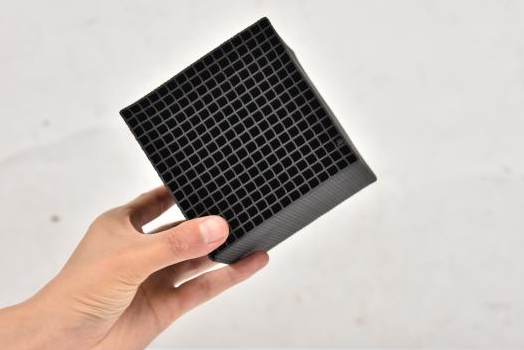
Products Number: Waterproof cubic activated carbon water purification honeycomb activated carbon
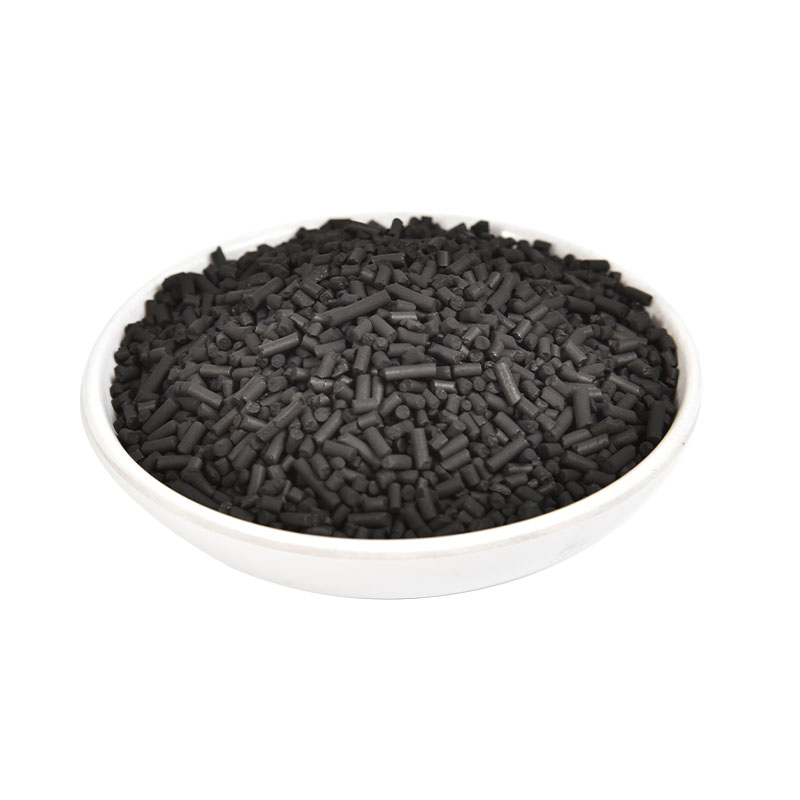
Products Number: Coal-Based Pellet Activated Carbon 4mm Diameter - Gas Adsorption for Toluene and VOC Removal
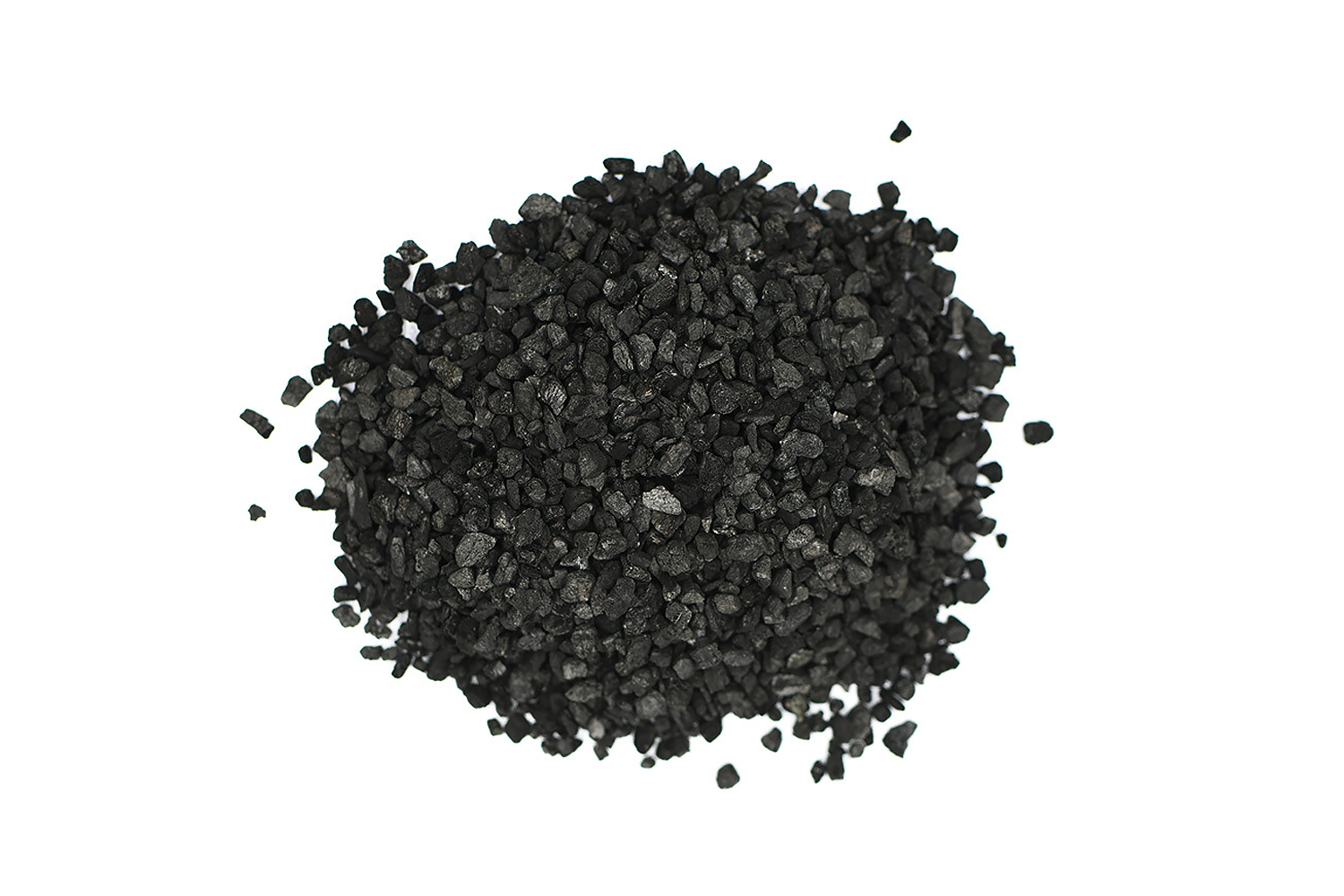
Products Number: Crushed activated charcoal Water Treatment Granular Activated Carbon
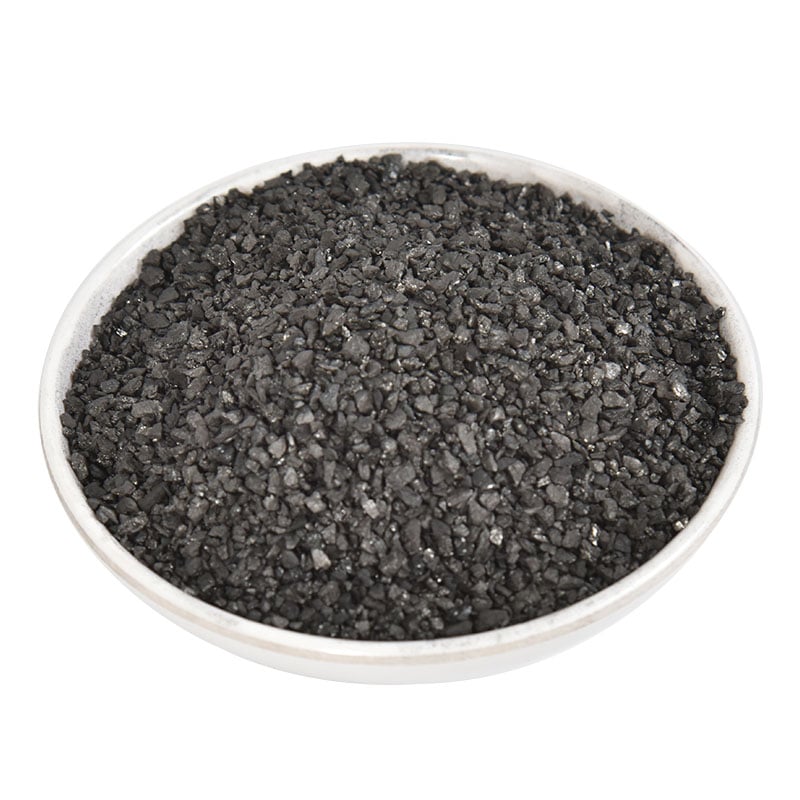
Products Number: Coal-based activated Carbon Water Purification Granular Activated charcoal
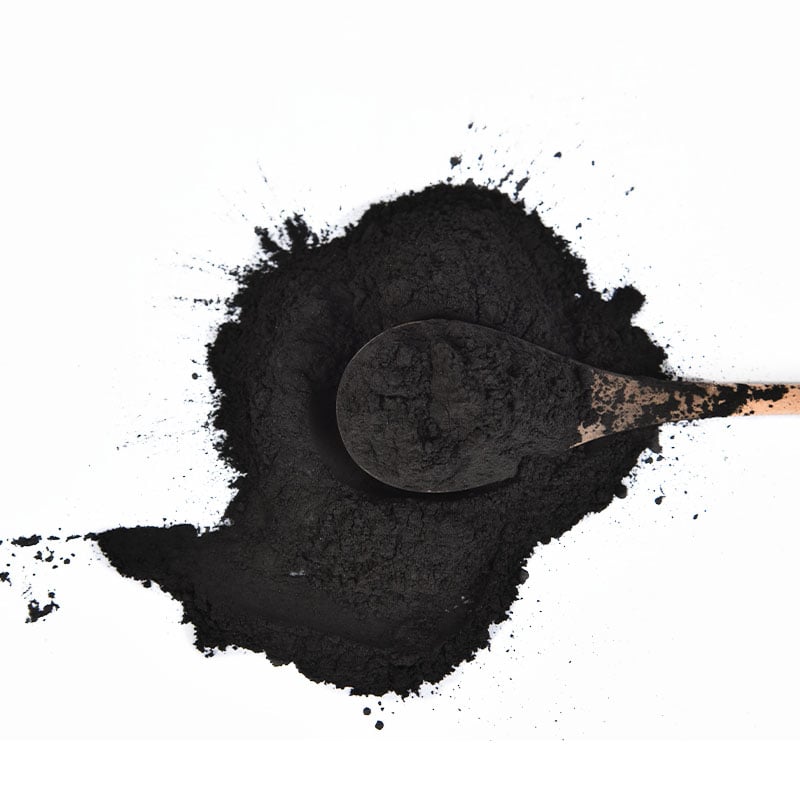
Products Number: Powdered activated carbon is used in waste incineration
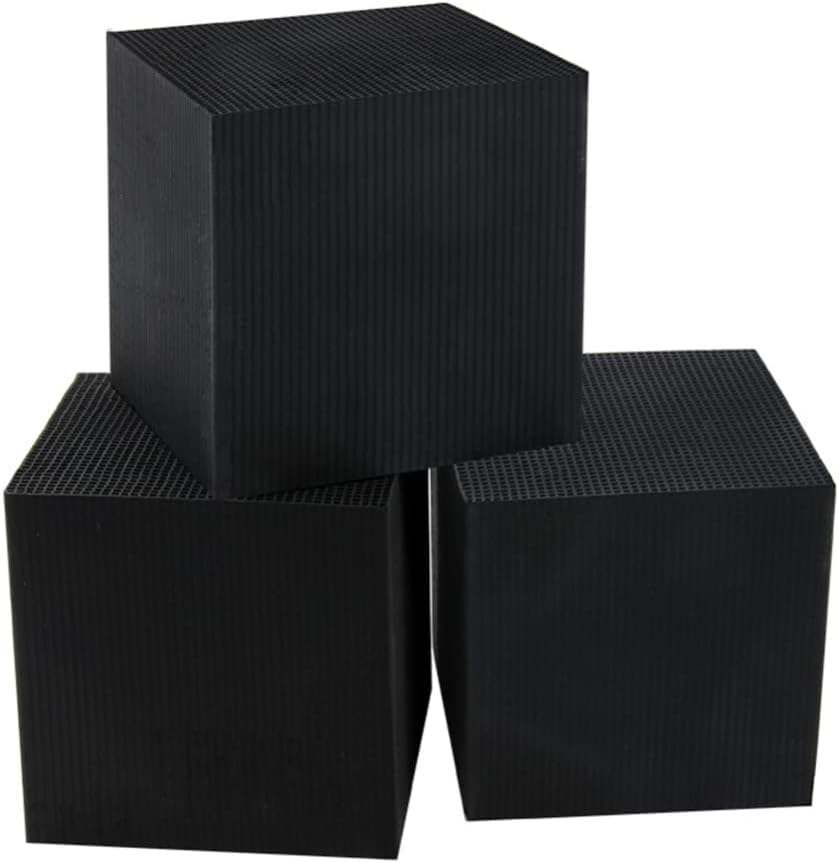
Products Number: Honeycomb Activated Carbon Specialized for Pool & Aquarium Water Purification
 EN
EN