Nov 03,2025
Ensuring product safety and quality is vital in the food industry, and activated carbon for food decolorization is an important part of this process. It gets rid of unwanted colors, smells, and impurities in food products, including beverages, alcohol, and MSG mother liquor, helping to satisfy market standards and consumer demands. Nevertheless, there are varied kinds of activated carbon, and so determining which is the safest to use for food decolorization is very difficult. This article will outline practical recommendations based on my expertise and case studies.
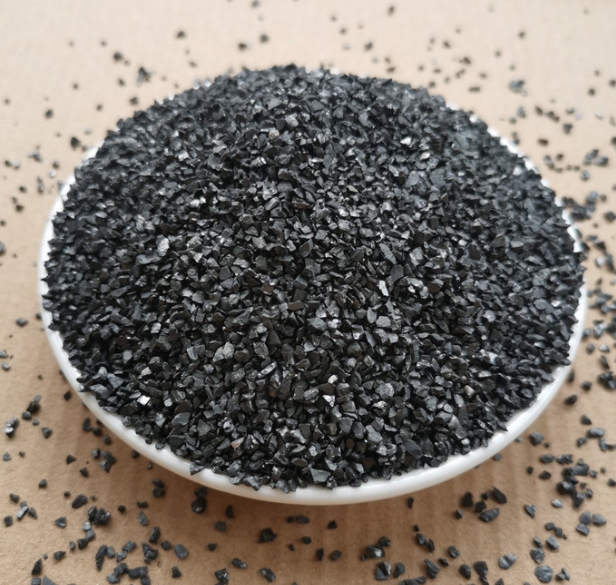
For food decolorization, it is important to understand the different uses of the different types of activated carbon and more importantly choose the right one. For gas treatment such as air purification and exhaust gas purification, honeycomb activated carbon and pellet activated carbon (columnar activated carbon) are used. Honeycomb activated carbon is efficient in adsorbing harmful gases such as VOCs in paint booths due to its large specific surface area and good air permeability. The high mechanical strength of Pellet activated carbon makes it widely used in solvent recovery and gas purification equipment.
In the food industry, powdered activated carbon is the best glycyrrhizin decolorization and purification choice. Yihang Carbon is an activated carbon manufacturer with 25+ years of experience that sells high quality powdered activated carbon designed for food decolorization. For instance, during white wine production, Yihang Carbon activated carbon works to adsorb colored wine constituents. Most importantly, the taste and aroma of the wine is preserved. After treatment, the wine is clear and the quality is improved. Yihang's powdered activated carbon is also used during the processing of MSG mother liquor to remove dark pigments providing the final MSG product with a pure white color. Hence, for food decolorization, the powdered activated carbon should be the first choice.
In regard to food safety, the purity of activated food grade carbon is critical. All activated food grade carbon used in food decolorization processes must contain little to no impurities, especially heavy metals and harmful organic compounds. Yihang Carbon has its own quality inspection unit which monitors quality from the beginning to the end of the production process. For each batch of activated carbon produced, Yihang Carbon conducts food safety compliance audits to ensure the concentration of heavy metals, including lead and arsenic, is within the allowable limits.
For a more clear understanding of why purity is important, consider the example of a small juice factory that decolorizes its juice using activated carbon of poor quality. The factory tested the juice and found the arsenic content to be above the limit which resulted in the factory recalling the juice and losing a lot of money. On the other hand, a large scale alcohol factory that chose Yihang’s powder activated carbon for food decolorization has never faced issues related to impurities. This is because Yihang Carbon provides the factory with full confidence in the safety of the product with their regular testing reports. This is why, for activated carbon used in food decolorization, it is important to obtain quality inspection reports from suppliers.
Certifications serve as an important assurance of the reliability and safety of the product. Yihang Carbon as well as all activated carbon used for food decolorization must meet certain standards and obtain the relevant certifications. For instance, Yihang Carbon has multiple certifications which include the ISO 9001, ISO 14001, and ISO 45001 certifications, as well as an AAA enterprise credit rating certificate which showcase the enterprise's credibility within the sphere.
Certifications are especially crucial for food businesses. For instance, if a food manufacturer wants to export its products to the European Union, the activated carbon used for decolorization must meet certain EU standards. Yihang Carbon has products that meet the export standards of various countries and regions. Therefore, these products are suitable for export-oriented food businesses. For instance, an MSG exporting food additive company in Europe uses Yihang’s activated carbon for food decolorization. Yihang's products made it possible for the company's MSG to successfully enter the European market, as there were no certification problems.
Along with activated carbon quality, supplier strength and after sales service are crucial in the selection process. A strong supplier can offer consistent quality. Yihang Carbon is a leading player in the industry with a 33,000 square feet factory, 392 Sleppe carbon activation furnaces and vertical carbonization converter production lines, 5,000 tons of activated carbon produced annually, and a staff of 20 industry experts with 20+ years of industry experience offering product solution consulting and guided customization.
While Yihang’s after sales service helps in the resolution of issues if and when they arise, they act quickly upon the first sign of trouble. A dairy processing facility using Yihang’s activated carbon for milk powder production had issues with uneven decolorization. After assessing the circumstances, Yihang’s customer support dispatched a specialist, who determined it to be an operational error and provided additional instructions, rectifying the issue almost immediately. In this instance, the facility’s trouble was quickly solved and production was able to resume without delay. Judging by this scenario, it is reasonable to conclude that the selection of a supplier with efficient after sales services positively impacts operational fluidity when using activated carbon for the food decolorization process.
 EN
EN