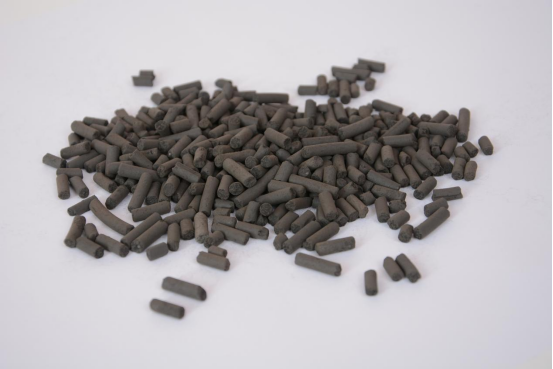
Pellet Activated Carbon for H₂S Removal in Air Desulfurization Systems
Air / Gas Desulfurization Activated Carbon | H₂S Removal & Odor Control Solutions
Looking for activated carbon for air / gas desulfurization?
Learn how impregnated carbon removes H2S and sulfur gases in wastewater, biogas, and industrial air treatment systems.
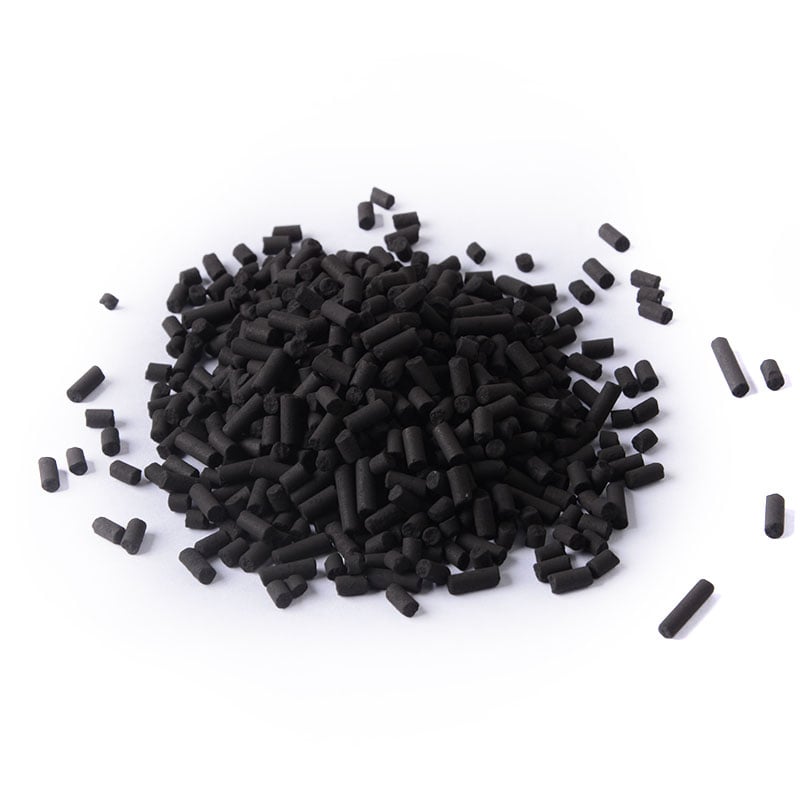
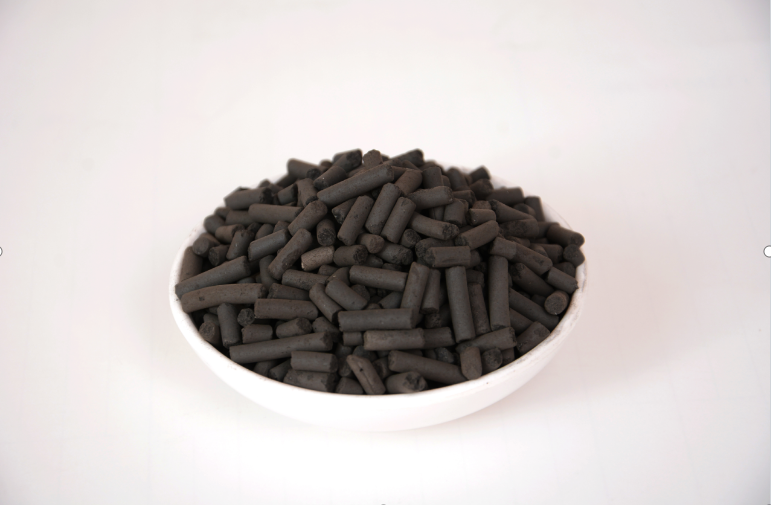
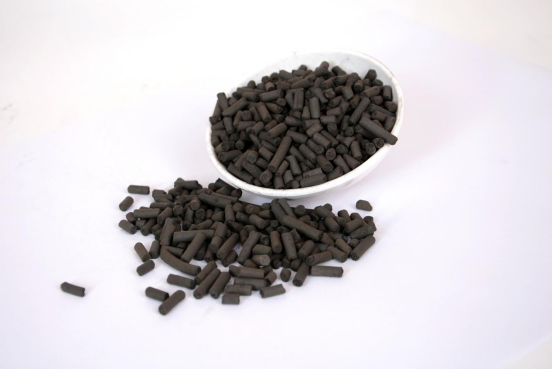
Yihang company supply Pellet Activated Carbon used for H2S Removal General Specifications: Size 4mm / iodine value 800-1100mg/g / CTC 40-80%.
Hydrogen sulfide (H₂S) is one of the most challenging gases in industrial air treatment.
It causes corrosion, strong odors, and environmental compliance issues.
Standard activated carbon is not enough.
Effective air desulfurization requires chemically impregnated activated carbon designed specifically for sulfur compounds.
Flue gas desulfurization presents unique challenges: high humidity, corrosive sulfur compounds, and massive air volumes. Standard activated carbon fails quickly under these conditions. Our 4mm pelletized activated carbon is specifically formulated with enhanced hydrophobic properties and high CTC activity to deliver consistent SO₂ and H2S removal—even in moisture-saturated exhaust streams.
Impregnated activated carbon is widely used in air desulfurization systems to remove hydrogen sulfide (H₂S), mercaptans, and other sulfur compounds through chemical adsorption and catalytic reactions.
Unlike standard carbon, impregnated activated carbon removes H₂S through a combination of adsorption and chemical reaction.
The impregnated chemicals (such as KOH or KI) react with H₂S and convert it into stable compounds, preventing release back into the air.
To achieve highly efficient desulfurization, activated carbon is typically classified based on its physical form and chemical treatment method:
|
Application |
Pollutant |
Why use 4mm Pellets carbon |
|
Power Plant Flue Gas |
SO₂, NOₓ, trace VOCs |
High-volume gas streams require low pressure drop; 4mm geometry minimizes fan energy |
|
Steel Mill Sintering Exhaust |
SO₂, dioxins, heavy metals |
High hardness (>95%) withstands abrasive particulate-laden flows |
|
Waste Incineration |
Acid gases, mercury, dioxins |
Hydrophobic surface resists moisture competition in high-humidity scrubber exhaust |
|
Wastewater Treatment Odor Control |
H2S, mercaptans, NH₃ |
Deep-bed configuration with consistent pellet integrity |
|
Biogas Purification |
H2S, siloxanes |
High CTC activity extends breakthrough time before regeneration |
|
Landfill Gas Treatment |
H2S, VOCs, siloxanes |
Durable pellets suitable for thermal reactivation cycles |
|
Parameter |
Specification |
Why It Matters for Desulfurization |
|
Diameter |
4.0 mm |
Optimal balance of pressure drop and contact time |
|
CTC |
50–70% |
Directly correlates to SO₂ breakthrough capacity |
|
Hardness |
≥95% |
Prevents dusting in deep-bed adsorbers |
|
Moisture |
≤5% |
Minimizes water loading in humid streams |
|
Ash Content |
≤10% |
Reduces secondary pollution and corrosion risk |
|
Bulk Density |
450–550 g/L |
Ensures consistent bed packing density |


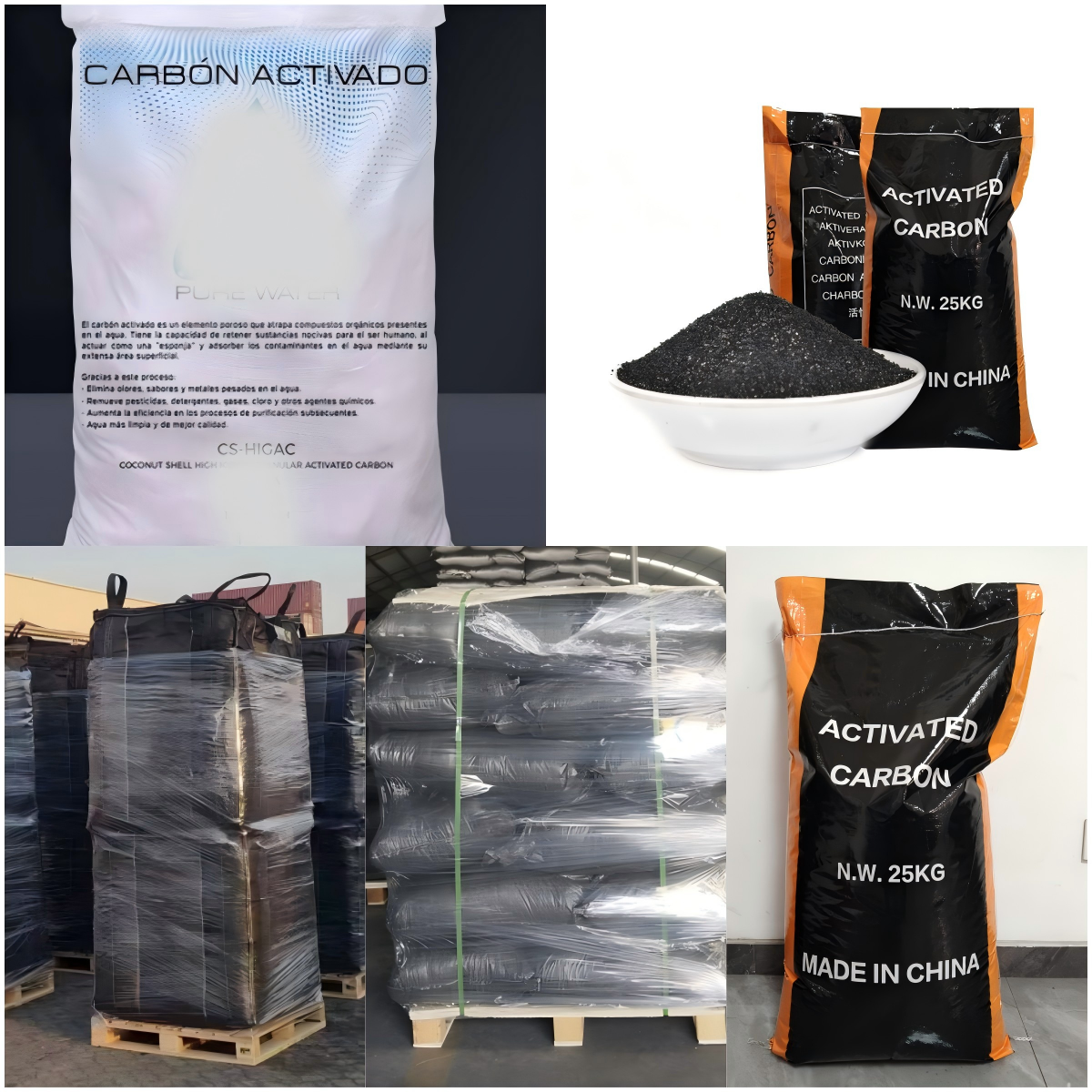
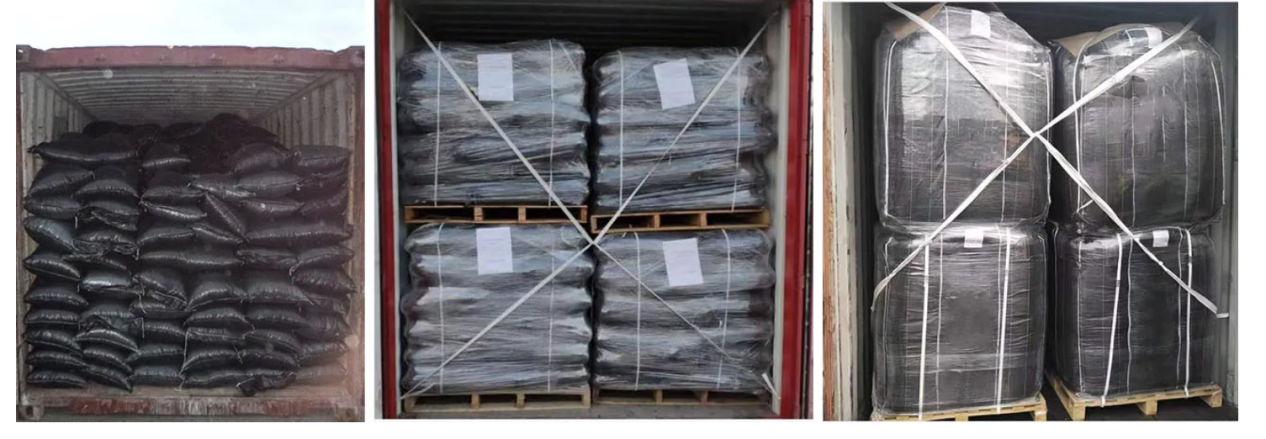
Custom Supply & Delivery
25kg / 500kg
pallet
OEM
7–30 days
global shipping
After-Sales Guarantee:
We offer complimentary sample testing and provide technical guidance. For bulk purchases, we offer customized solutions and preferential pricing; furthermore, we guarantee free returns or exchanges for any quality-related issues occurring within the warranty period.
Trust & Credibility:
Standard carbon has limited SO₂ capacity. For effective flue gas desulfurization, we recommend high-CTC pelletized carbon with hydrophobic treatment to maintain performance in humid exhaust.
Moisture competes for adsorption sites. Our hydrophobic formulation reduces water uptake, preserving pore volume for SO₂ and H2S capture.
Activated coke has lower surface area but higher mechanical strength. Our 4mm pellets offer a middle ground: high CTC activity with sufficient hardness for deep-bed operation.
Yes. Our high-hardness pellets withstand multiple thermal reactivation cycles. We offer spent carbon take-back and regeneration services.
For typical WWTP odor control, 0.8–1.2 meter bed depth with 1.5–2.0 second contact time provides effective H2S breakthrough delay.
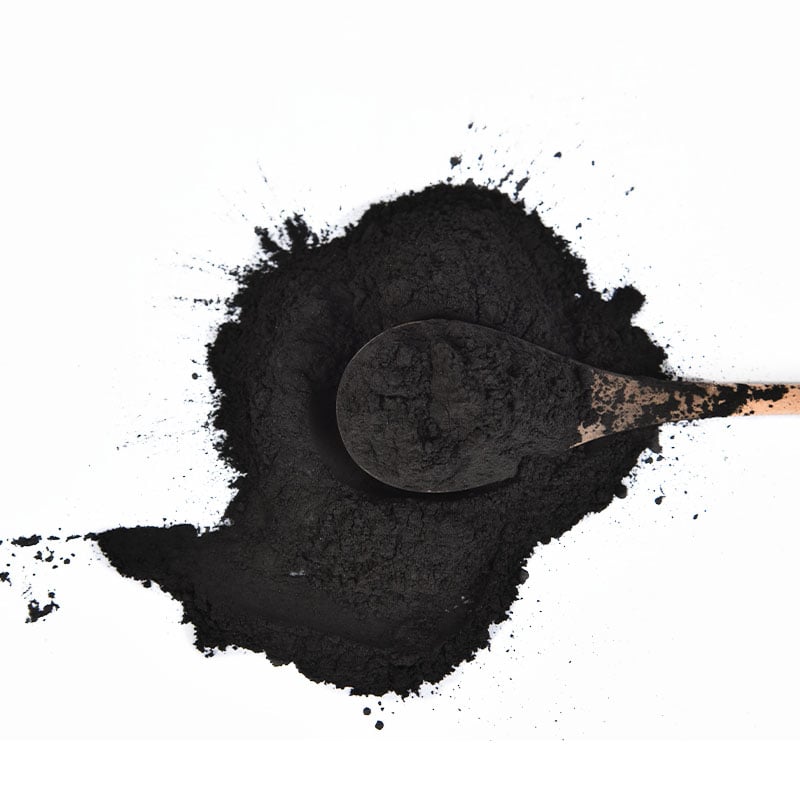
Products Number: Powder Activated Carbon
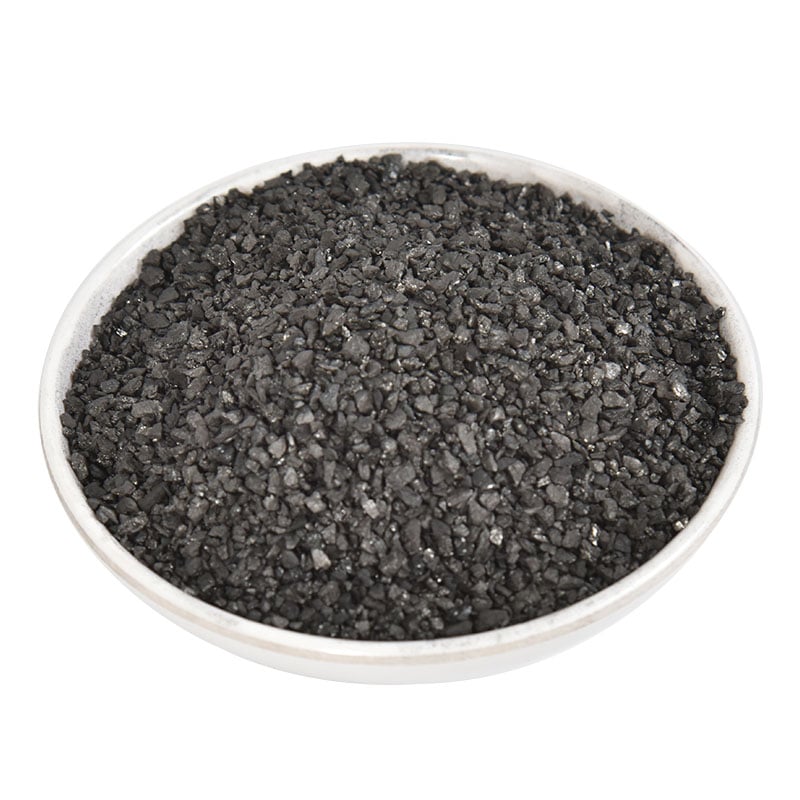
Products Number: Coal-based activated Carbon Water Purification Granular Activated charcoal
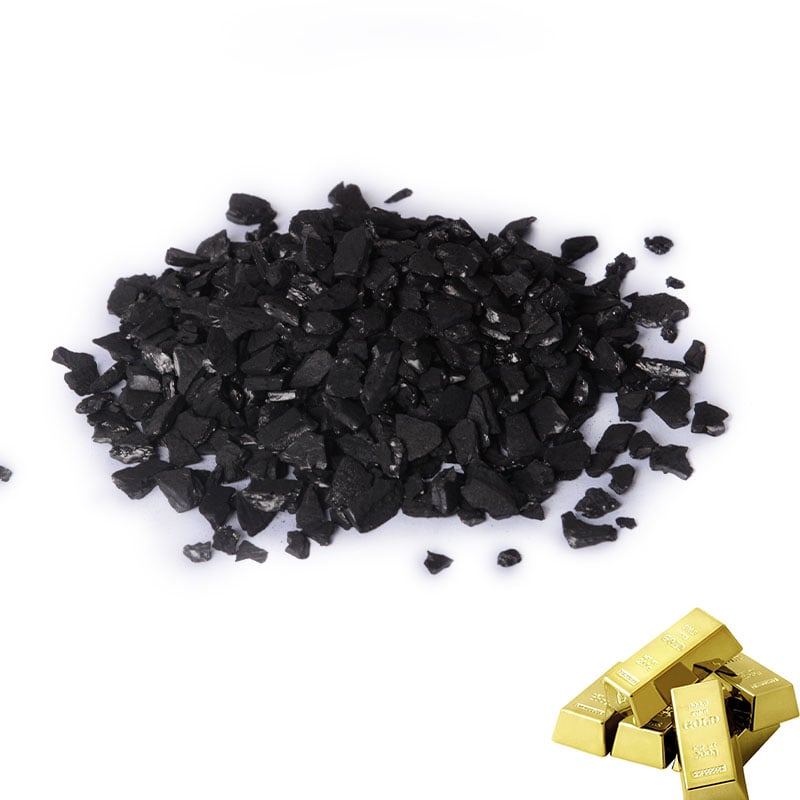
Products Number: Gold Recovery Activated Charcoal Coconut Shell Granular Activated Carbon
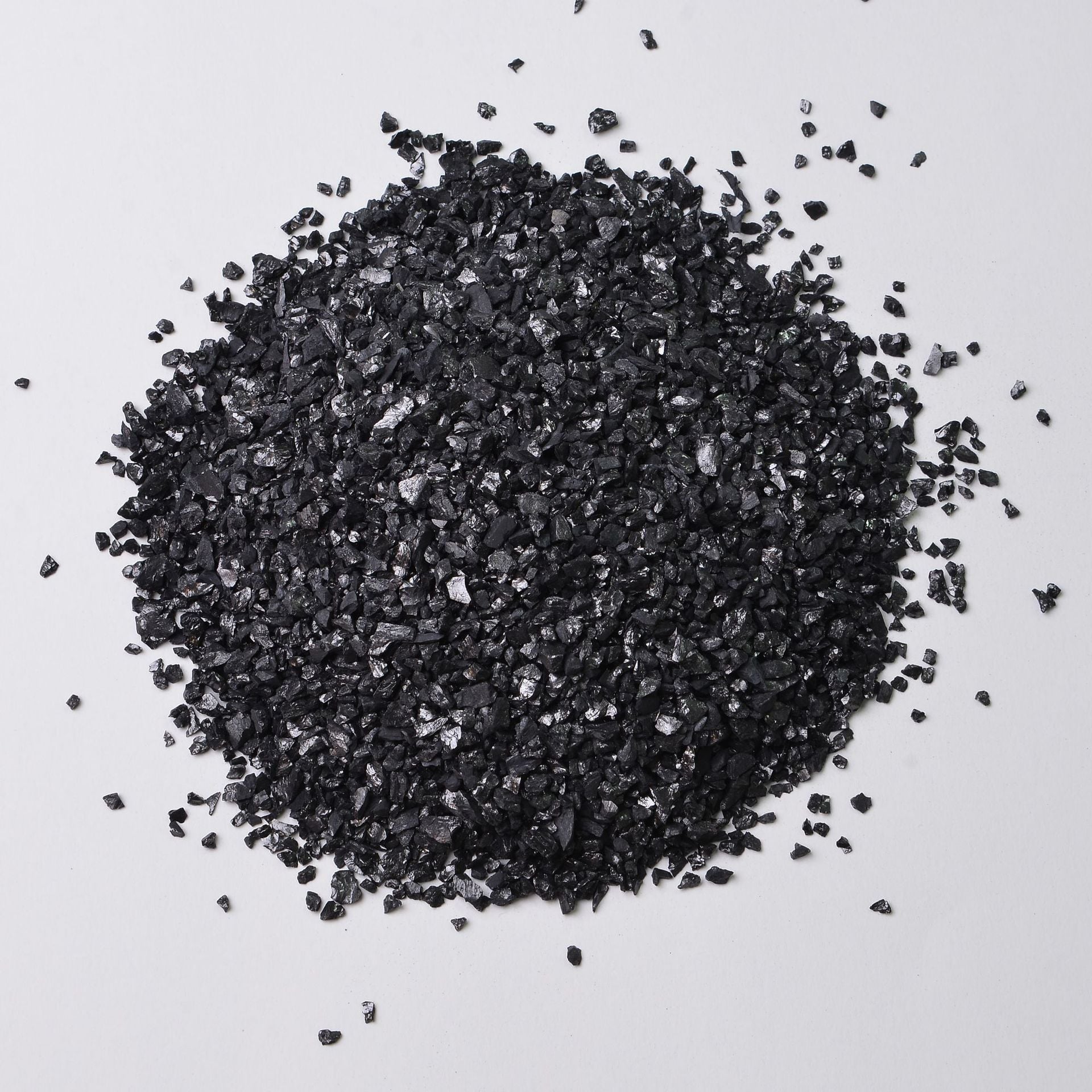
Products Number: 70% 80% 85% 90% fixed carbon content
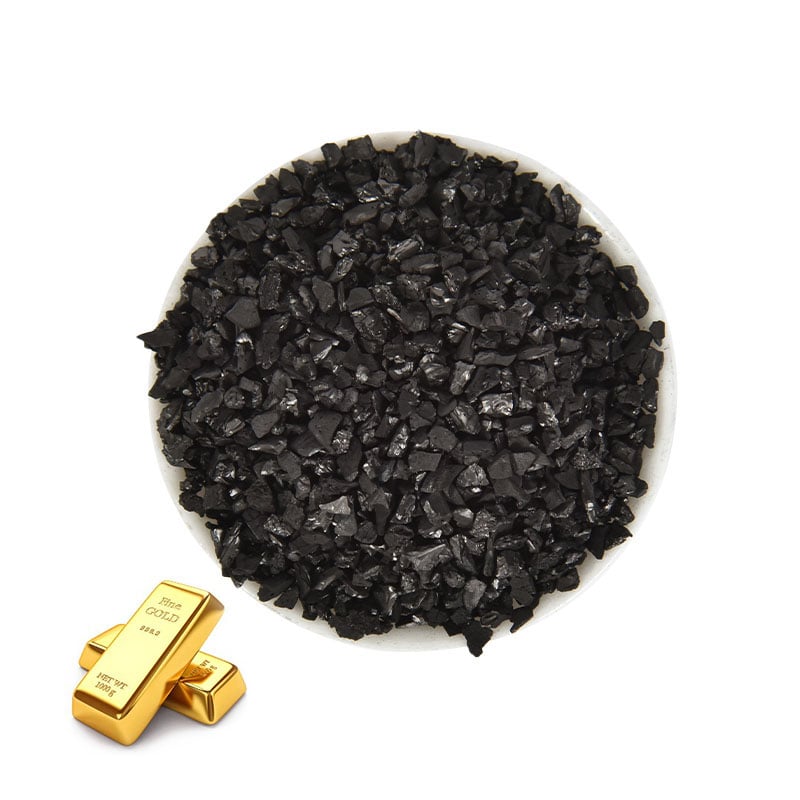
Products Number: Gold-Specific 6-12 Mesh CTC 60% Coconut Shell Activated Carbon
Products Number: Granular activated carbon is used for water treatment.
 EN
EN