Yihang کاربن: تازہ ہوا کے نظام کے ہوا کے علاج کے لئے ہنی کامب ایکٹیویٹڈ کاربن
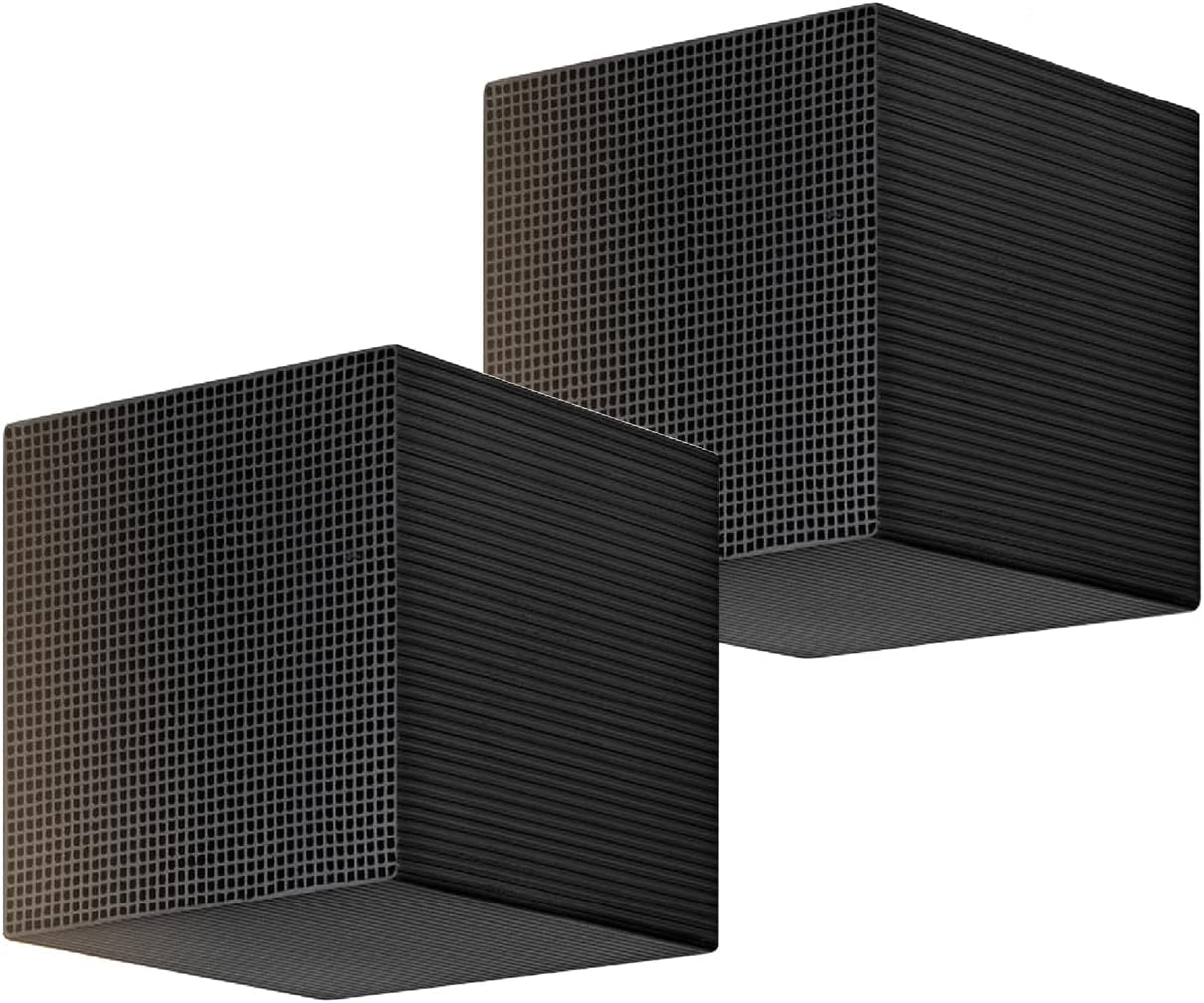
تازہ ہوا کے نظام میں ہوا کے علاج کے لیے ہنی کامب ایکٹیویٹڈ کاربن: اس میں ایک وسیع مخصوص سطحی رقبہ، ہوا کے بہاؤ کی کم مزاحمت، توانائی کی کارکردگی، اعلی ساختی طاقت، اور ہوا کے بہاؤ کی یکساں تقسیم شامل ہے۔ اپنی مرضی کے مطابق وضاحتیں اور بلک خریداری دستیاب ہیں۔
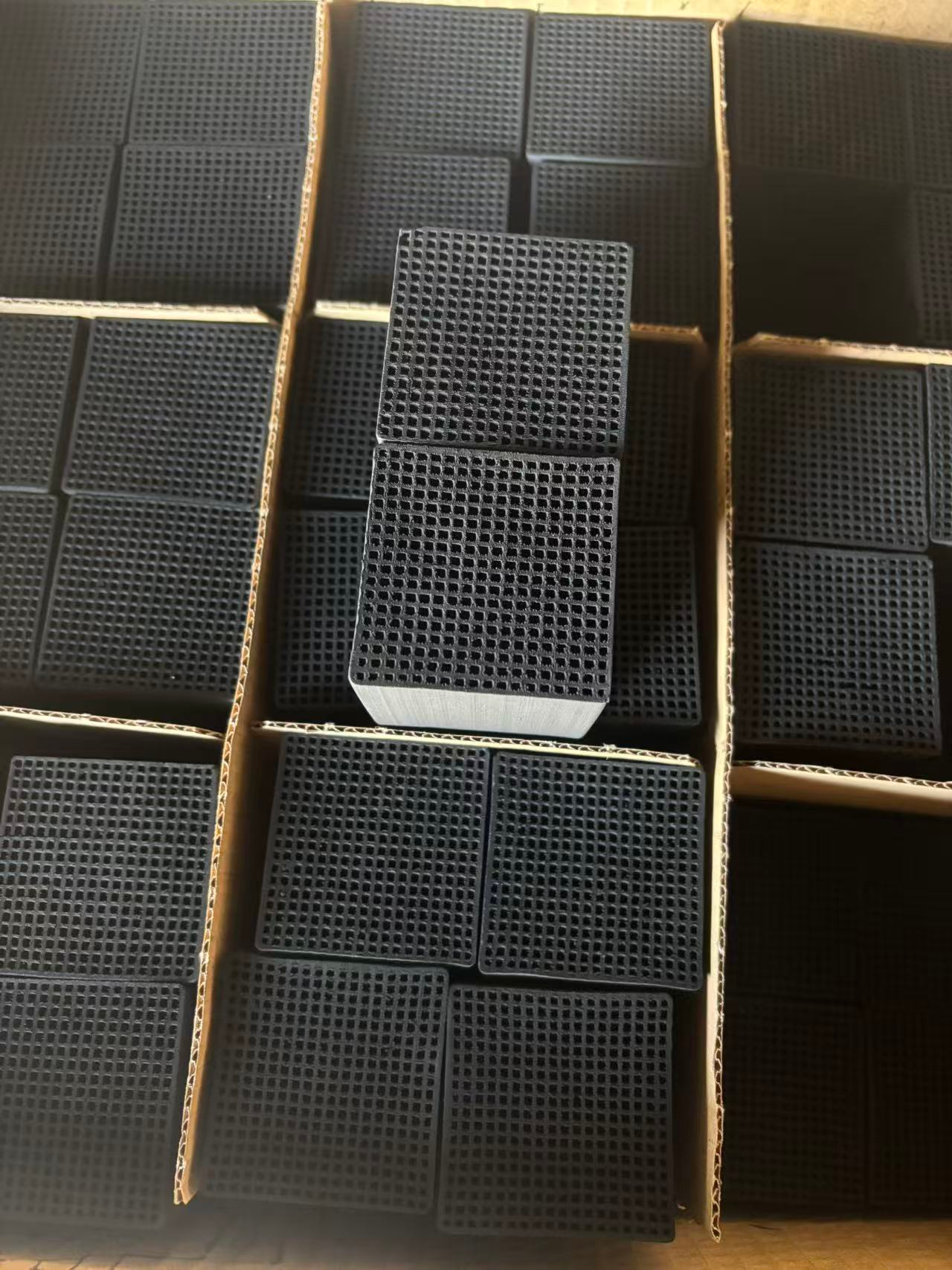
ہوا صاف کرنے والا ہنی کامب کاربن / ڈکٹ پیوریفیکیشن ہنی کامب کاربن / فیوم پیوریفیکیشن ایکٹیویٹڈ کاربن / 25x25x25mm ایکٹیویٹڈ کاربن بلاکس / حسب ضرورت ہنی کامب ایکٹیویٹڈ کاربن
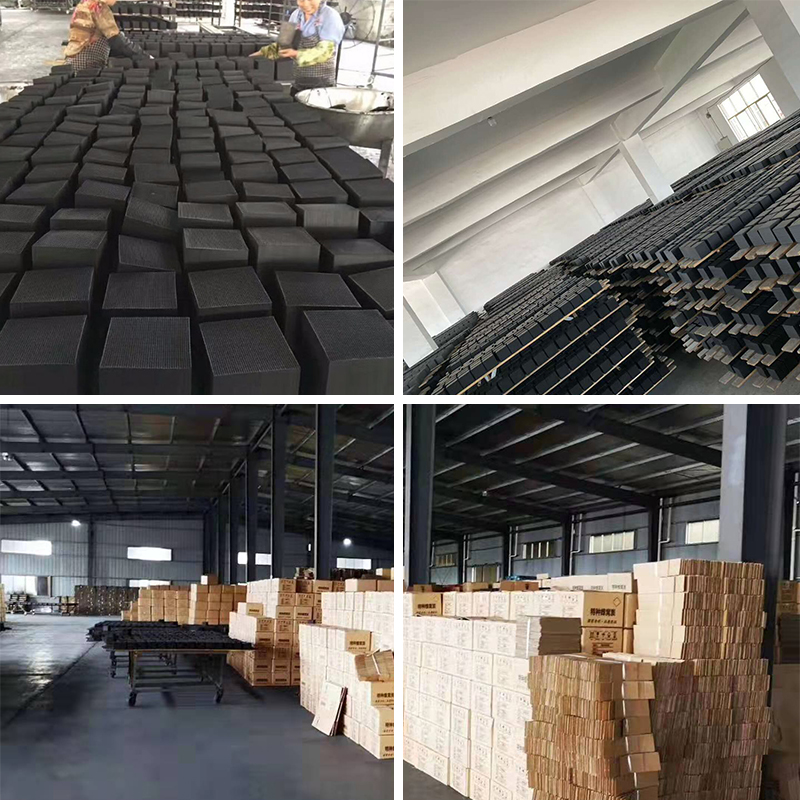
شہد کی چھال فعال کاربن ایک انتہائی موثر جذباتی مواد ہے جو خاص طور پر بڑے حجم اور کم حراستی والی فضلہ گیسوں کے علاج کے لئے ڈیزائن کیا گیا ہے۔ یہ ایک ٹھوس بلاک کی شکل اختیار کرتا ہے جس میں ہزاروں متوازی، سیدھے راستے ہیں جو ایک باقاعدہ، شہد کی چھال کی طرح ساخت پیدا کرتے ہیں۔ یہ منفرد ترتیب فعال کاربن کی طاقتور جذب کی صلاحیتوں کو انتہائی کم ہوا کے بہاؤ کے خلاف مزاحمت کے ساتھ جوڑتی ہے۔ تازہ ہوا کے نظام کے ڈکٹ ورک کے اندر، شہد کی چھال فعال کاربن ایک "پلمونری فلٹر" کی طرح ایک اہم کردار ادا کرتا ہے. اس کا بنیادی کام اندرونی ہوا سے بدبوؤں، نقصان دہ گیسوں (جیسے SO2 اور NOx) اور کچھ غیر مستحکم نامیاتی مرکبات (VOCs) کو ہٹانا ہے، جبکہ ہوا کے حجم کے بغیر کسی رکاوٹ کو یقینی بنانا ہے. چونکہ تازہ ہوا کے نظام عام طور پر معلق چھتوں میں نصب ہوتے ہیں اور 24 گھنٹے مسلسل کام کرنے کی ضرورت ہوتی ہے ، لہذا ہوا کے بہاؤ کے مزاحمت (دباؤ میں کمی) اور استعمال شدہ فعال کاربن کی حفاظت کے بارے میں غیر معمولی سخت تقاضے ہیں۔ 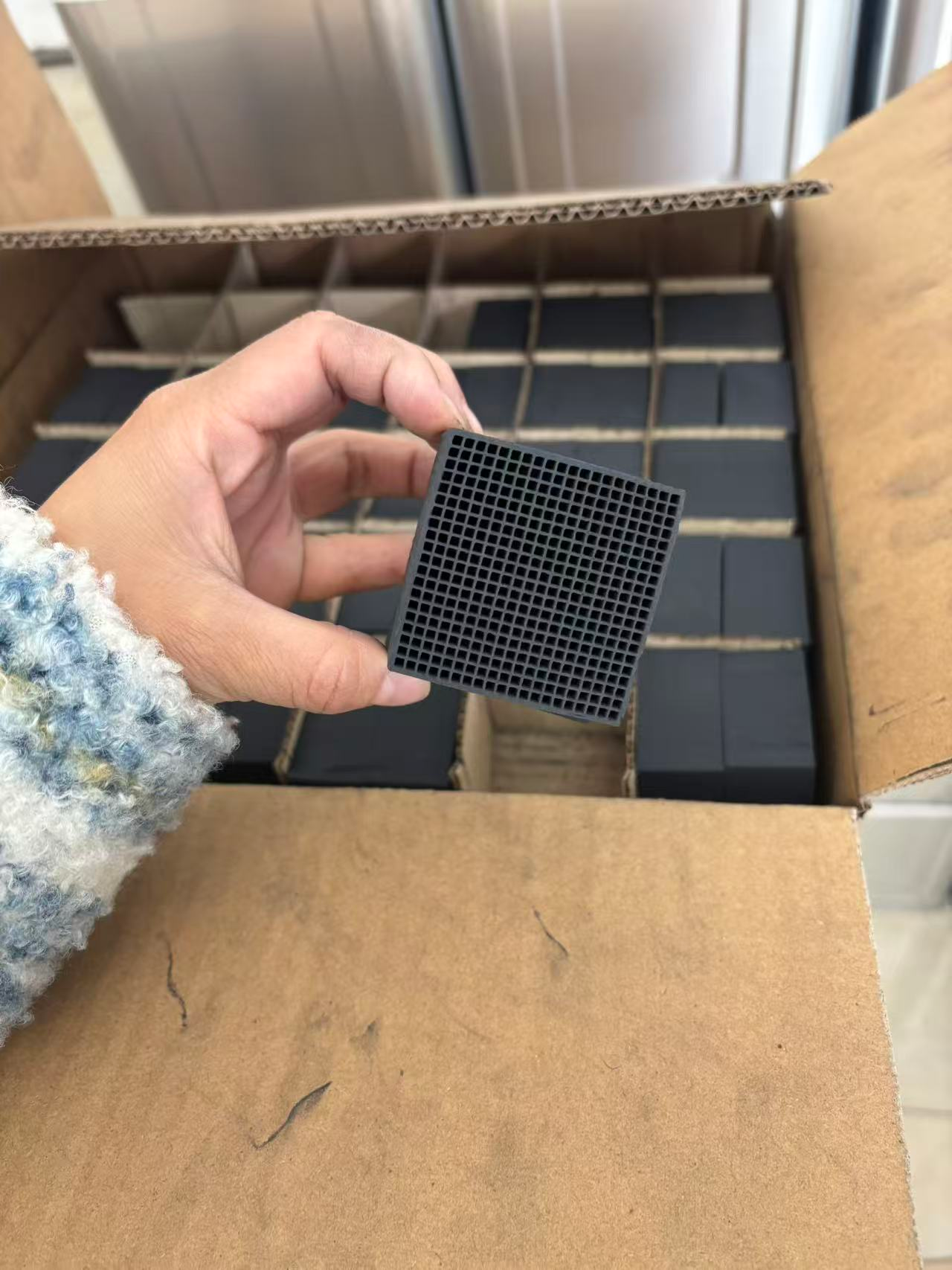
|
ماڈل |
YHHC-55WF |
برانڈ |
YIHANG |
|
ابعاد |
100*100*100(±3) ملی میٹر |
صفات |
پانی کے خلاف محفوظ، پانی کے خلاف محفوظ نہیں |
|
CPSI |
100 (25/50/150/200 دستیاب ہیں) |
بھرنے کی کثافت |
300±50 کلوگرام فی مکعب میٹر |
|
کاربن ٹیٹرا کلورائیڈ کا ایڈسورپشن / سی ٹی سی |
55-60% |
آئوڈائن ویلیو |
500 ملی گرام فی گرام سے زیادہ |
|
خاص سطحی علاقہ |
600 مربع میٹر فی گرام سے زیادہ |
VOCs کا ایڈسورپشن حجم |
≈80 کلوگرام/مکعب میٹر |
|
دیوار کی ضخامت |
0.5-1 ملی میٹر |
دباو کی مزبوطی |
مثبت دباؤ ≥ 0.9 میگا پاسکل؛ |
|
دباو گرہا |
≤ 490 پاسکل |
ایڈسورب کردہ مادہ |
بدبو، نقصان دہ گیسیں (جیسے SO₂ اور NOx)، اور کچھ غیر مستحکم نامیاتی مرکبات (VOCs) |
1. صنعتی کچن کے دخان فلٹریشن سسٹم
2. دفتری عمارت کے تازہ ہوا کے سسٹم
3. رہائشی عمارت کے تازہ ہوا کے سسٹم
4. باہر کے گرلز سے بدبوؤں کا ازالہ
5. معماری وینٹی لیشن ڈکٹ کی بدبو زدہ ہوا کو ختم کرنا 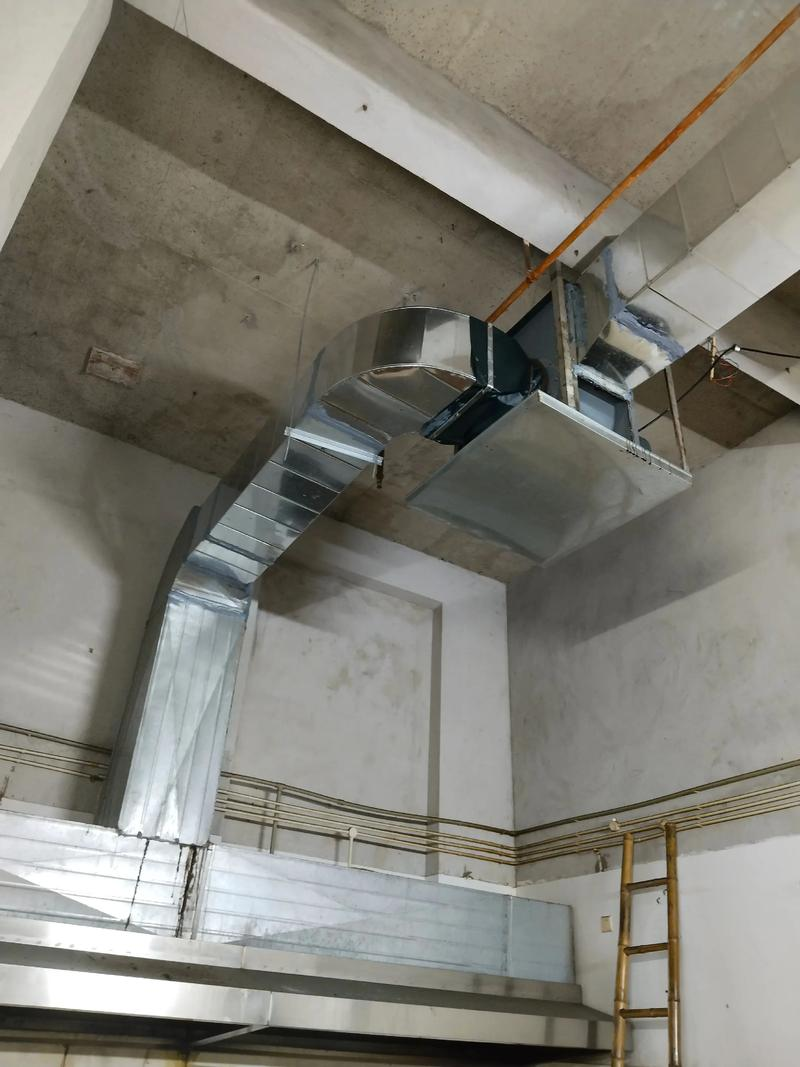
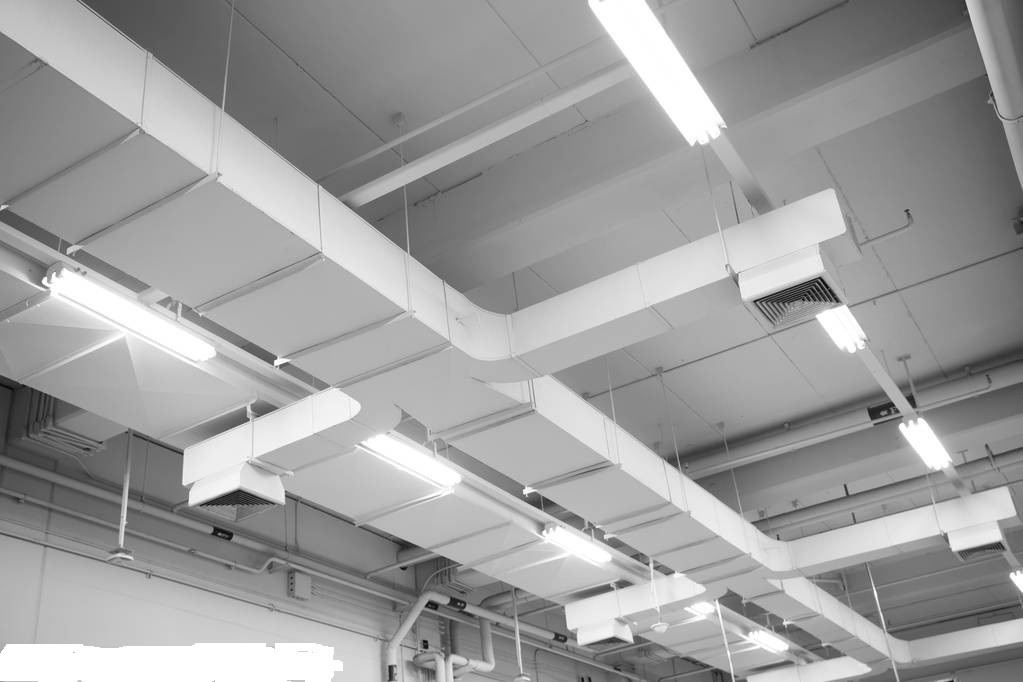
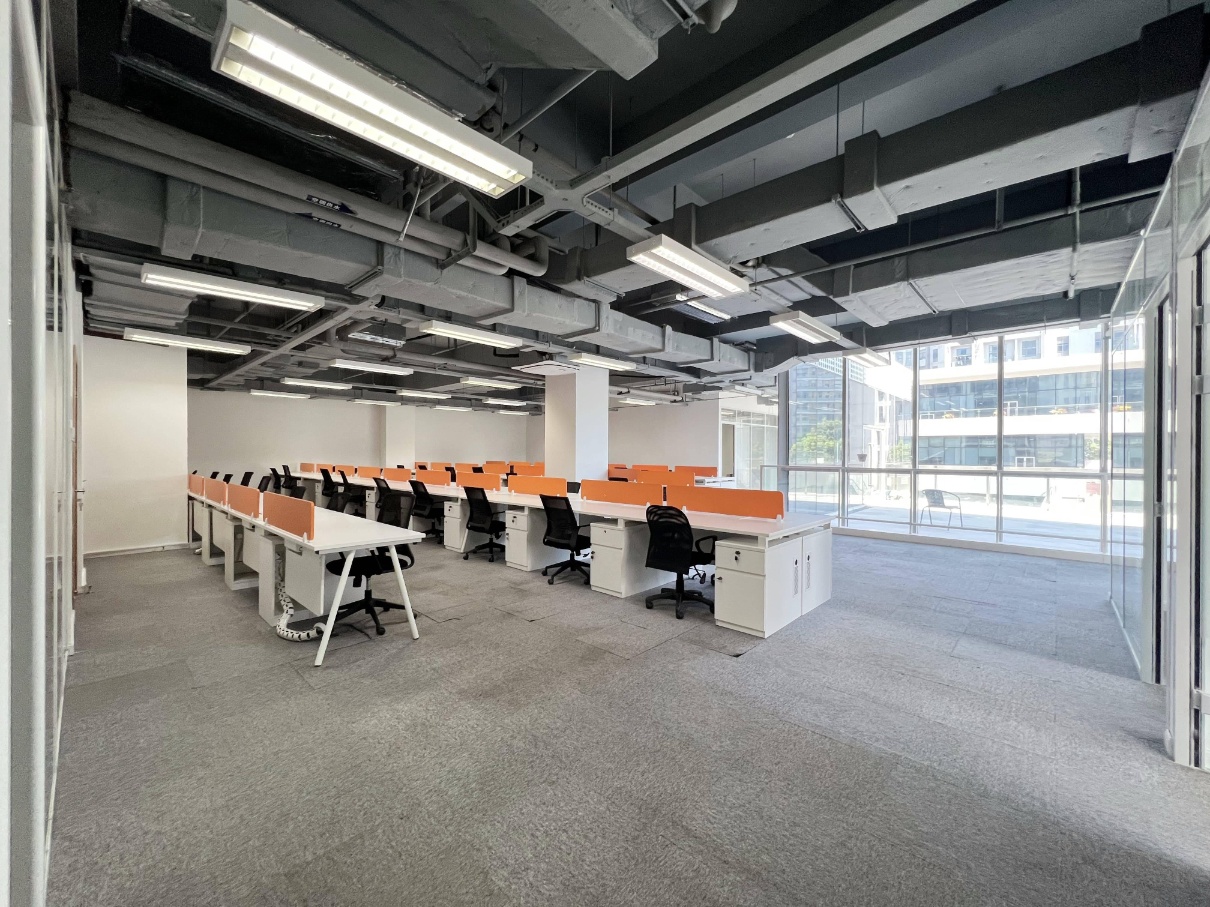
سوال: تازہ ہوا کے فلٹریشن سسٹم میں استعمال ہونے والے ہنی کامب ایکٹیویٹڈ کاربن کے مناسب معیارات کا انتخاب کیسے کریں؟
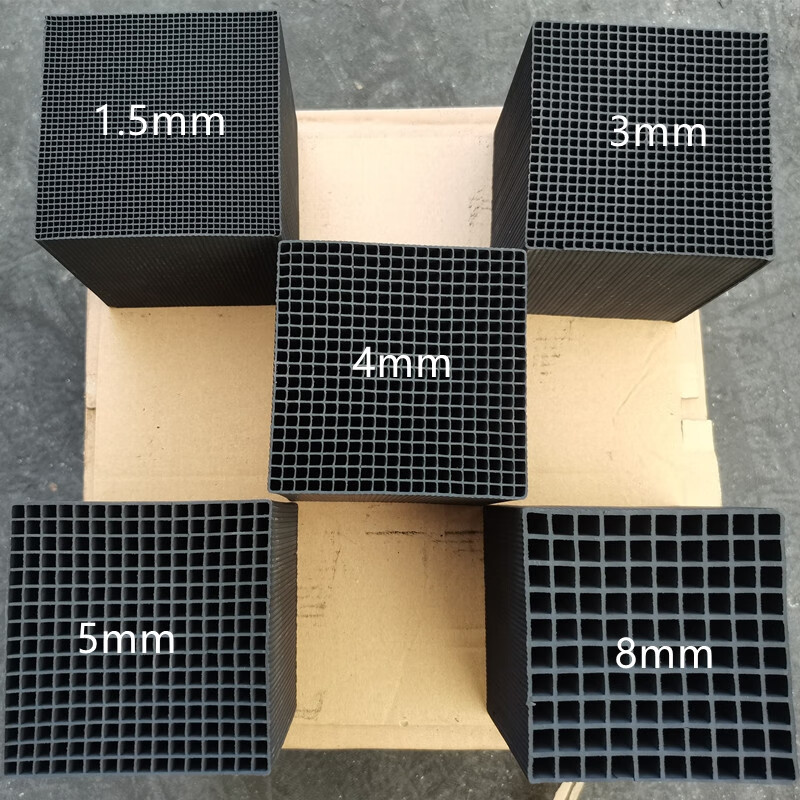
جواب: ہنی کامب ایکٹیویٹڈ کاربن کے معیارات کے انتخاب کی کلید، جذب کی موثریت اور ہوا کے بہاؤ کے مقابلے (یا گندگی سے بچاؤ کی صلاحیت) کے درمیان توازن قائم کرنا ہے۔ سادہ الفاظ میں کہیں تو، کھول کا سائز ڈکٹ ورک میں موجود آلودگی کے ذرات کے مالیکیولر سائز اور دھول کی شدت کی بنیاد پر طے کیا جانا چاہیے۔
سوال: ہوا کی صفائی کے لیے استعمال ہونے والے ہنی کامب ایکٹیویٹڈ کاربن کو کتنے عرصے بعد تبدیل کرنا چاہیے؟
تجویز کردہ تبدیلی کا دورانیہ: 6 تا 12 ماہ۔ فیصلہ کرنے کی بنیاد: تازہ ہوا کے سسٹم عام طور پر واضح "بدبو" کے اشارے نہیں دیتے ہیں (کیونکہ ہوا مسلسل تبدیل ہو رہی ہوتی ہے)۔ ہم سیزنل انتقال کے دوران (مثلاً سردیوں کے دھند اور آلودگی کے موسم کے آغاز سے پہلے) سالانہ ایک بار تبدیلی کرنے کی تجویز کرتے ہیں، جس میں مقامی ہوا کی کوالٹی کی صورتحال کو بھی مدنظر رکھا جائے۔
سوال: کیا آپ خاص مواصفات کی درخواست کے مطابق ترمیم کی سہولت فراہم کرتے ہیں؟
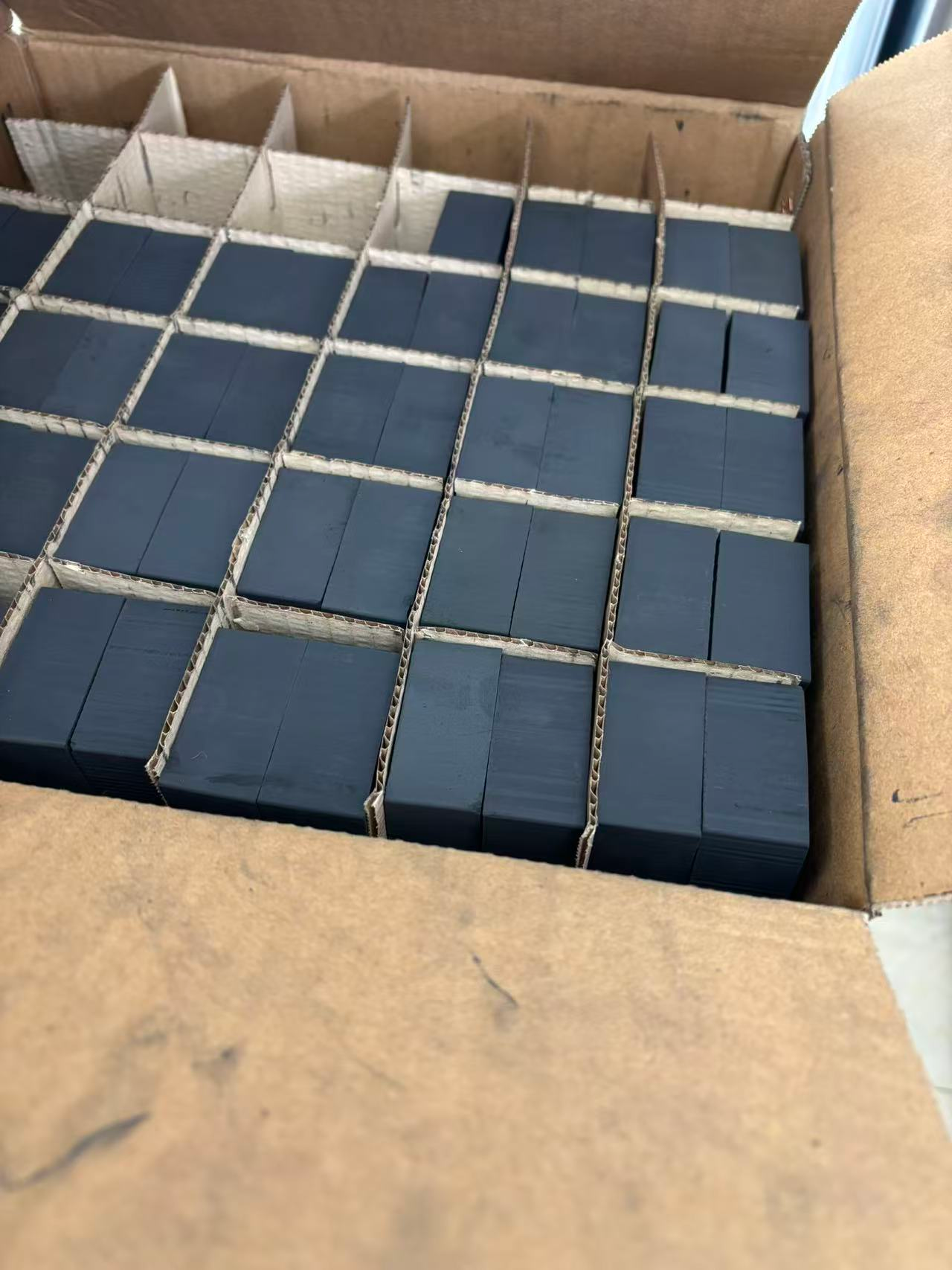
جواب: جی ہاں، ہم ایسا کرتے ہیں۔ ہم خلیہ نما (ہنی کامب) کے ابعاد، خلیوں کے سائز اور پیکیجنگ کی مواصفات کو ترتیب دے سکتے ہیں، اور درخواست پر تیسرے فریق کی طرف سے جانچ کی رپورٹیں فراہم کرتے ہیں۔
ہم مفت نمونہ ٹیسٹنگ اور فنی رہنمائی کی سہولت فراہم کرتے ہیں۔ بڑے پیمانے پر خریداری کے لیے، ہم تخصیص شدہ حل اور ترجیحی قیمتیں فراہم کرتے ہیں۔ ہم وارنٹی کی مدت کے دوران معیار سے متعلقہ کسی بھی مسئلے کی صورت میں مفت واپسی یا تبدیلی کی ضمانت دیتے ہیں۔
سندیں: آئی ایس او 9001 معیارِ معیاری انتظام کی سند؛ ہوا کی صفائی کے استعمال کے لیے حفاظتی تقاضوں کے مطابق۔
تازہ ہوا کے نظام کے ڈکٹ ورک کے استعمال کے لیے، ہم 100–150 سی پی ایس آئی (سلز پر سکوائر انچ) کی کثافت، کوئلہ پر مبنی ذیلی ساخت اور آگ روک خصوصیات والے خلیہ نما فعال کاربن کا انتخاب کرنے کی سفارش کرتے ہیں۔
100 سی پی ایس آئی (کھول کا سائز: تقریباً 4 ملی میٹر): کم ہوا کے بہاؤ کے مقابلے کو فراہم کرتا ہے؛ یہ اعلیٰ ہوا کے بہاؤ کے حجم یا باہر کی ہوا کی معیار میں کمی (تھوڑی زیادہ دھول کی موجودگی) جیسے حالات کے لیے مناسب ہے، کیونکہ اس کا سیل ہونے کا امکان کم ہوتا ہے۔
150 سی پی ایس آئی (کھول کا سائز: تقریباً 3 ملی میٹر): اس میں بڑا خاص سطحی رقبہ اور زیادہ جذب کرنے کی کارکردگی ہوتی ہے؛ یہ ان نظاموں کے لیے مناسب ہے جن میں ہوا کے معیار کی سخت شرائط ہوں اور جہاں موثر ابتدائی فلٹریشن کے مراحل موجود ہوں۔
اگر نصب کرنے کی جگہ کسی کیمیائی پلانٹ کے قریب ہو یا کسی حالیہ مرمت شدہ عمارت کے اندر ہو، تو ہم خاص کیمیائی گیسوں کو دور کرنے کی صلاحیت بڑھانے کے لیے مشبع (کیمیائی طور پر ترمیم شدہ) ہنی کامب کاربن کے استعمال کی سفارش کرتے ہیں۔
نصب کے دوران، ہنی کامب کاربن بلاک اور اس کے ماؤنٹنگ فریم کے درمیان کوئی خلا نہیں ہونا چاہیے (کوئی بھی خلا 3 ملی میٹر سے کم ہونا چاہیے)۔ ورنہ، ہوا کا بہاؤ "چھلانگ لگا کر" (شارٹ سرکٹ ہو کر) گزر جائے گا، جس کے نتیجے میں ہوا کا ایک بڑا حصہ فلٹریشن کے بغیر اندر کے مقام پر داخل ہو جائے گا۔
چونکہ تازہ ہوا کے کاربن فلٹرز عام طور پر سسٹم کے موٹر کے قریب یا محدود سیلنگ کی جگہوں کے اندر نصب کیے جاتے ہیں، اس لیے آگ کی حفاظت کی کارکردگی انتہائی اہمیت کی حامل ہوتی ہے۔ پیشہ ورانہ سپورٹ: ہم وی او سی (VOC) کے ضائع گیس کے علاج کے لیے فعال کاربن کی تحقیق و ترقی اور تیاری میں 25 سال سے زائد کے تجربے کے ساتھ، پروڈکٹ کے انتخاب پر ذاتی نوعیت کی، ایک-ایک کی رہنمائی فراہم کرتے ہیں۔ 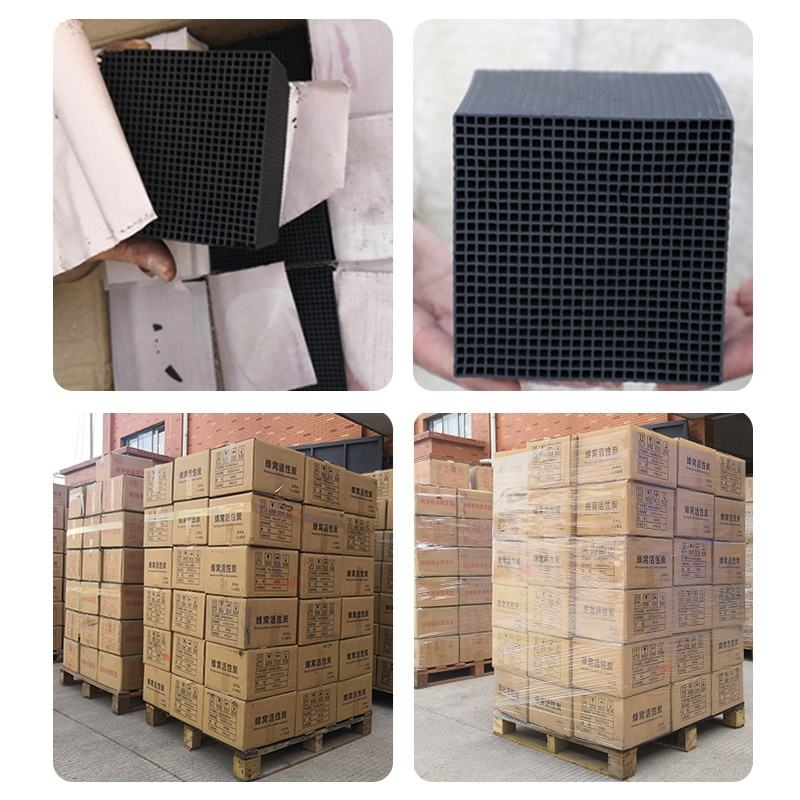
مصنوعات کی تعداد: 70% 80% 85% 90% ثابت کاربن محتوائیں
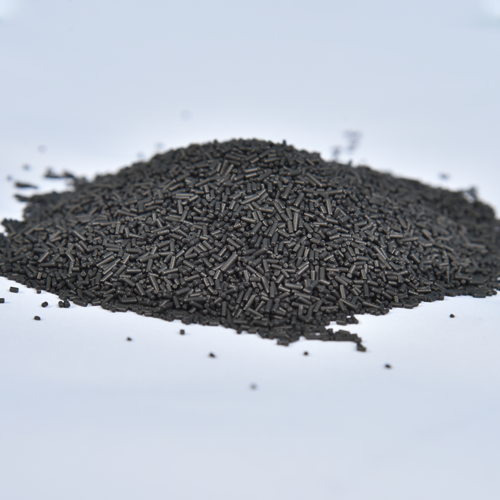
مصنوعات کی تعداد: کاربن مالیکیولر سیوی PSA N2 جنریٹر CMS
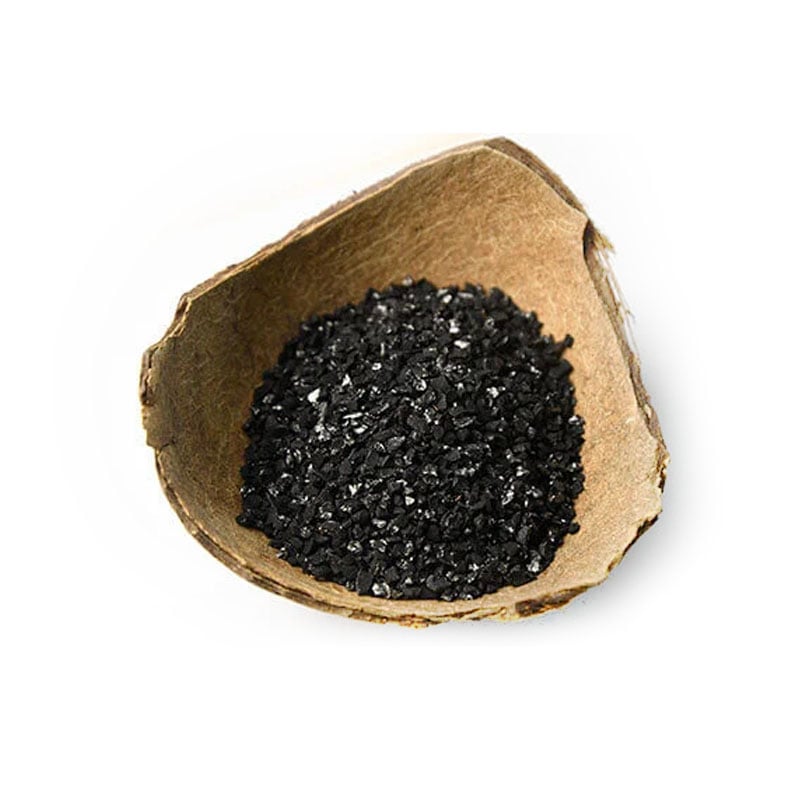
مصنوعات کی تعداد: کوکونٹ شیل گرینولر ایکٹیویٹڈ کاربن
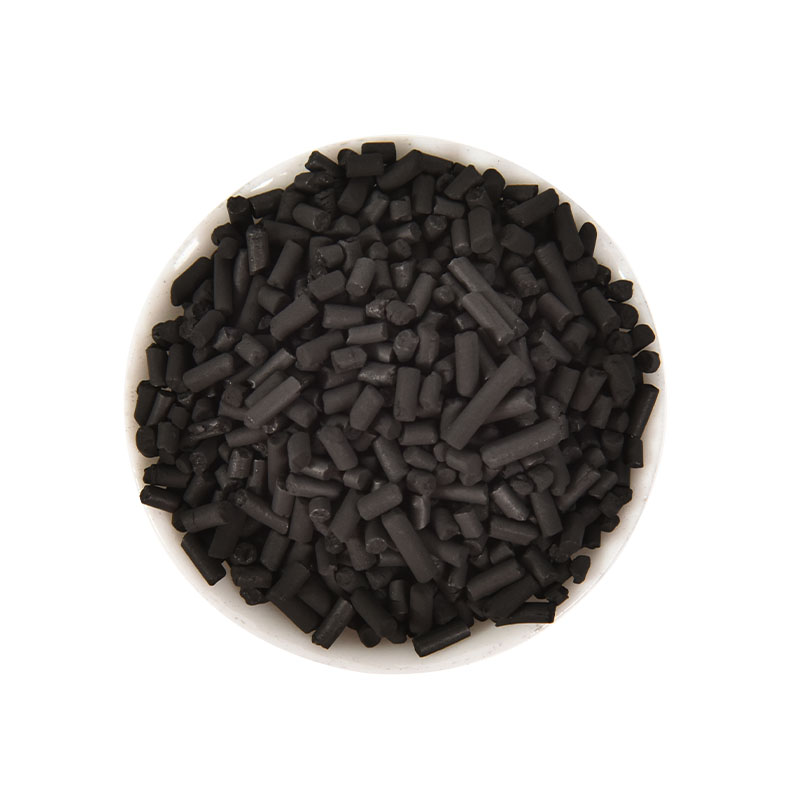
مصنوعات کی تعداد: سولفور میں داخل کردہ فاضلہ پانی کے معالجے کے لئے کویل بیسڈ کالمار ایکٹیویٹڈ کاربن
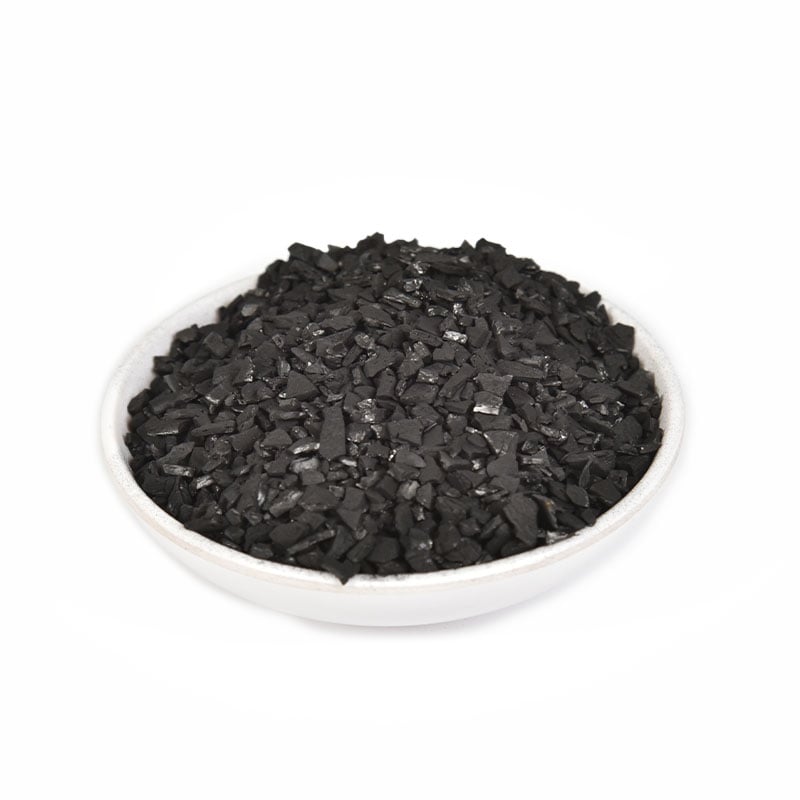
مصنوعات کی تعداد: کوکونٹ شیل ایکٹیویٹڈ کاربن جس کی آئوڈین ویلیو 1100-1200 ہے
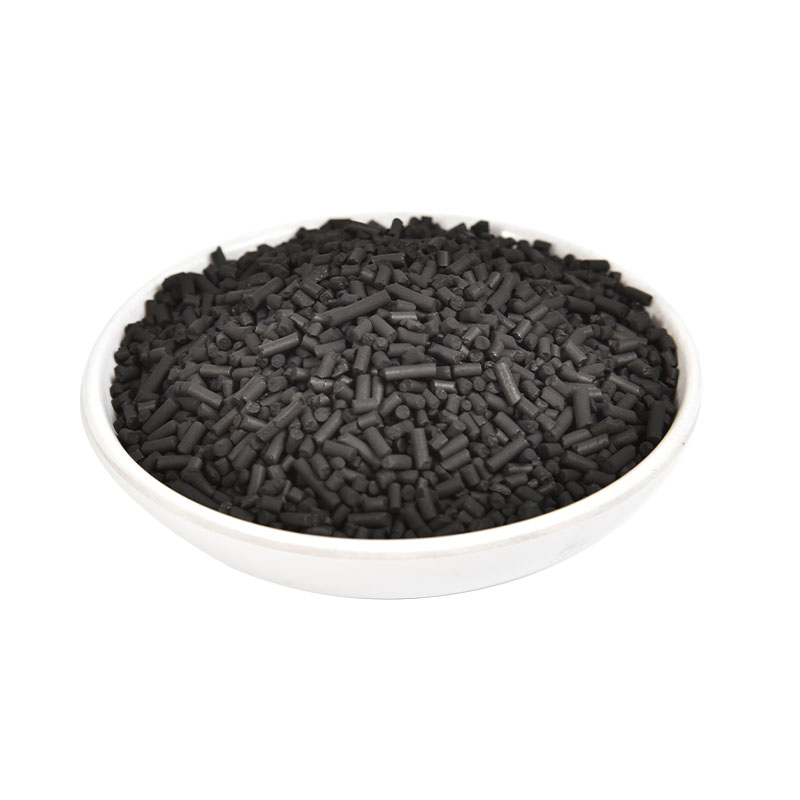
مصنوعات کی تعداد: ترسیب شدہ استوانہ نما فعال کاربن
 EN
EN