VOC گیس کے علاج کے لیے ہنی کامب ایکٹیویٹڈ کاربن - ییہنگ کاربن
Honeycomb ایکٹیویٹڈ کاربن اعلی حجم، کم ارتکاز والی VOCs ایگزاسٹ گیس کے علاج کے لیے ڈیزائن کیا گیا ہے۔
ایک بڑے پیمانے پر مخصوص سطح کے علاقے، کم ہوا کے بہاؤ کے خلاف مزاحمت، توانائی کی کارکردگی، اعلی ساختی طاقت، اور یکساں ہوا کے بہاؤ کی تقسیم کو نمایاں کرتا ہے۔ اپنی مرضی کے مطابق وضاحتیں اور بلک خریداری کی حمایت کرتا ہے۔
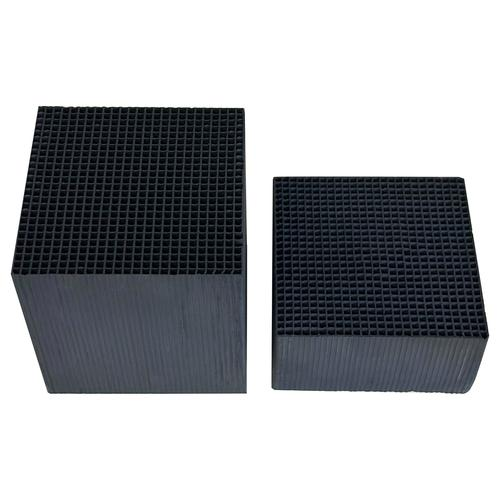
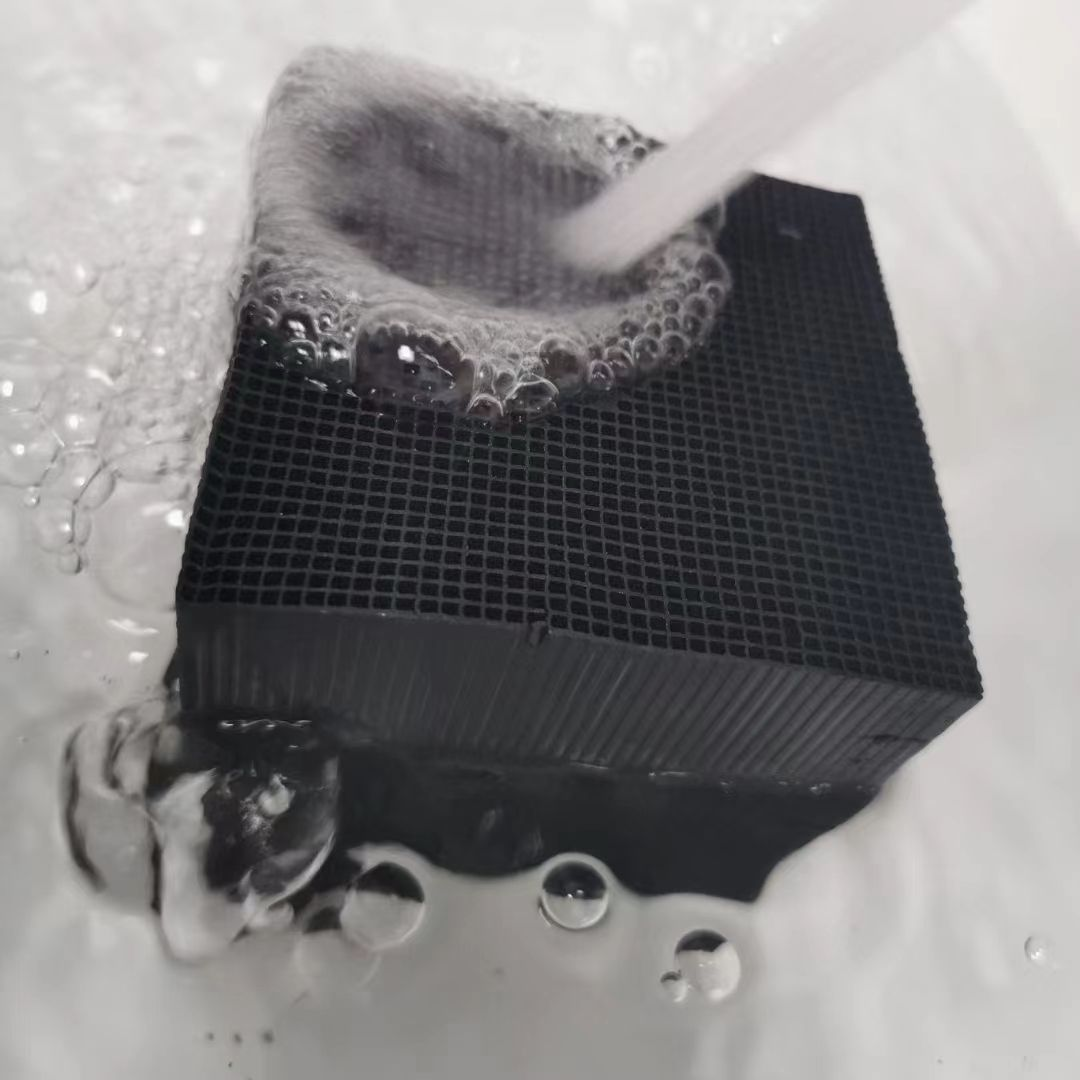
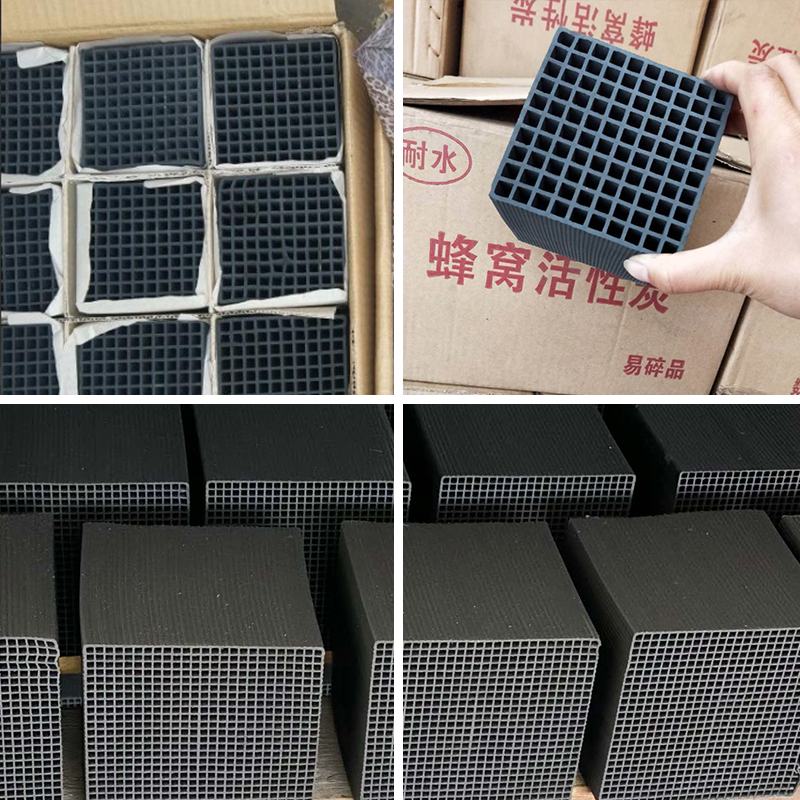
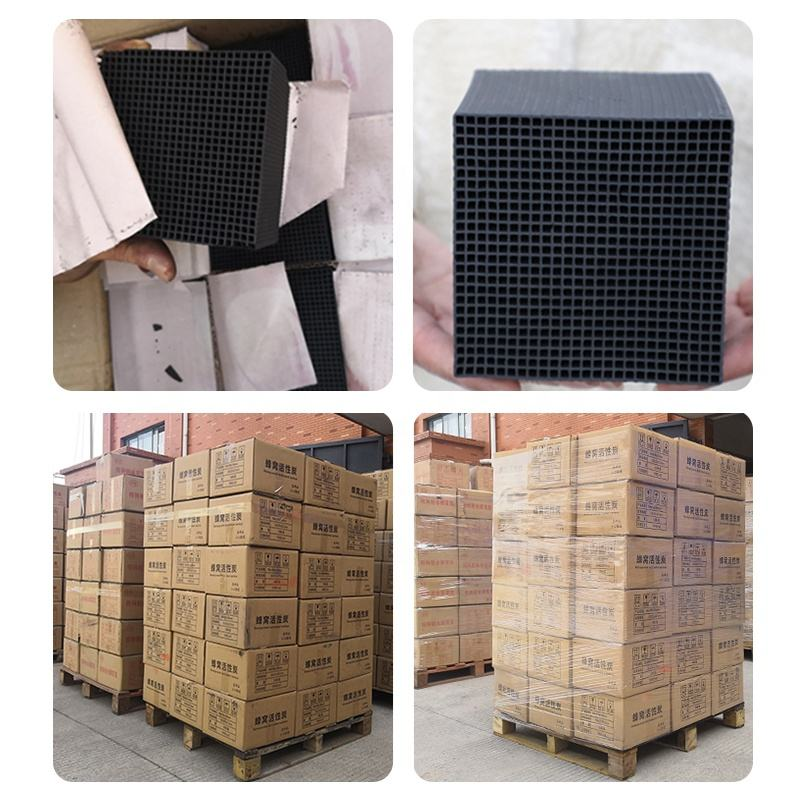
ہنی کومب ایکٹیویٹڈ کاربن برائے VOCs / پانی سے بچنے والا ہنی کامب کاربن / 100x100x100mm Honeycomb ایکٹیویٹڈ کاربن / Custom Honeycomb ایکٹیویٹڈ کاربن
چھتیس کے شہد کے خلیوں جیسا فعال کاربن ایک انتہائی موثر تجذب مادہ ہے جو خاص طور پر بڑی مقدار میں، کم غیرتھی سانس کے گیسوں کے علاج کے لیے تیار کیا گیا ہے، اور اس کا وسیع استعمال جزوی آرگینک مرکبات (VOC) کے خاتمے کے شعبے میں کیا جاتا ہے۔ یہ بلاک شکل کا فعال کاربن اخراج ڈھالنے کے عمل کے ذریعے تیار کیا جاتا ہے، جس میں اس کی ساخت کے اندر ہزاروں متوازی، سیدھے گزر کے راستے موجود ہوتے ہیں، جو ایک منظم، شہد کے خلیوں جیسے نمونہ بناتے ہیں۔ اس منفرد ڈھانچے کی وجہ سے اس مادے کو دوہرا فائدہ حاصل ہوتا ہے: فعال کاربن کی ذاتی طور پر طاقتور تجذب صلاحیت، اور ہوا کے بہاؤ کے لیے انتہائی کم مزاحمت۔ جب VOC سے آلودہ سانس کا گیس ان سیدھے راستوں سے گزرتا ہے تو آلودگی کے مالیکیول—جیسے بینزین، ٹولوئن، اور فارملڈی ہائیڈ—تجذب کے جسمانی عمل کے ذریعے فعال کاربن کی اندرونی دیواروں کو سجا نے والے وسیع شبکہِ مائیکروپورز اور میسوپورز کے ذریعے پکڑے جاتے ہیں اور قید کر دیے جاتے ہیں، جس سے گیس کے بہاؤ کو صاف کیا جاتا ہے۔
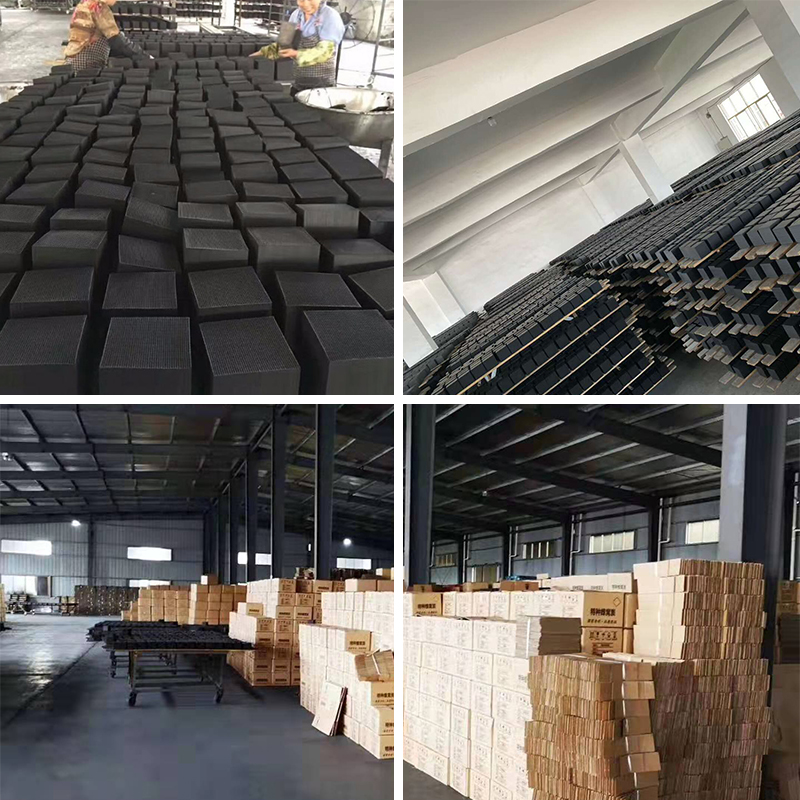
ہنی کامب فعال کاربن ایک خاص شکل کا فعال کاربن ہے، جو فضلہ گیس کے علاج اور ہوا کی صفائی کے فلٹر میں مقبول اور وسیع پیمانے پر استعمال ہوتا ہے۔ یی ہینگ کا ہنی کامب فعال کاربن معیاری مخلوط فعال کاربن کے پاؤڈر کو خام مال کے طور پر استعمال کرتا ہے، جسے اعلیٰ درجہ حرارت پر فعال کرنے کے بعد تشکیل دیا جاتا ہے۔ روایتی تیاری کے عمل سے مختلف طور پر، یی ہینگ اپنی خود تیار کردہ فارمولہ اور پیٹنٹ شدہ دو مرحلہ فعال کرنے کی ٹیکنالوجی کا استعمال کرتا ہے، جس کے ذریعے وی او سیز (VOCs) کے زیادہ بڑے جذب کے حجم اور اعلیٰ ڈی سارپشن کارکردگی کو حاصل کیا جاتا ہے۔
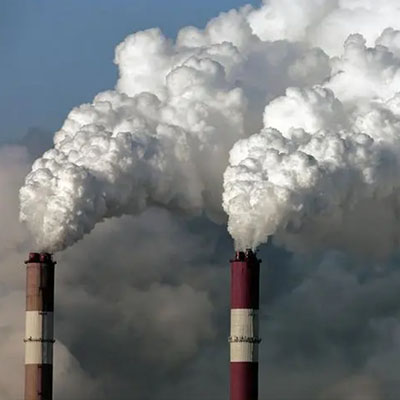
اس کا رابطے کا رقبہ نسبتاً بڑا ہوتا ہے، اس کی مائیکروپورس ساخت بہتر ہوتی ہے، اور اس کی ایڈسورپشن گنجائش بھی زیادہ ہوتی ہے؛ اس کی سب سے بڑی خصوصیت ہوا کے مقابلے کا کم ہونا ہے۔ عام طور پر اس کا استعمال فیکٹریوں میں گیس کے نکلنے، اسپرے پینٹ کے کمرے کی بدبو کو دور کرنے اور دیگر ماحولیاتی تحفظ کے شعبوں میں کیا جاتا ہے۔
|
ماڈل |
YHHC-55WF |
برانڈ |
YIHANG |
|
ابعاد |
100*100*100(±3) ملی میٹر |
صفات |
پانی کے خلاف محفوظ، پانی کے خلاف محفوظ نہیں |
|
CPSI |
100 (25/50/150/200 دستیاب ہیں) |
بھرنے کی کثافت |
300±50 کلوگرام فی مکعب میٹر |
|
کاربن ٹیٹرا کلورائیڈ کا ایڈسورپشن / سی ٹی سی |
55-60% |
آئوڈائن ویلیو |
500 ملی گرام فی گرام سے زیادہ |
|
خاص سطحی علاقہ |
600 مربع میٹر فی گرام سے زیادہ |
VOCs کا ایڈسورپشن حجم |
≈80 کلوگرام/مکعب میٹر |
|
دیوار کی ضخامت |
0.5-1 ملی میٹر |
دباو کی مزبوطی |
مثبت دباؤ ≥ 0.9 میگا پاسکل؛ |
|
دباو گرہا |
≤ 490 پاسکل |
ایڈسورب کردہ مادہ |
ٹولوئین، زائلین، غیر میتھین کل ہائیڈروکاربن وغیرہ |
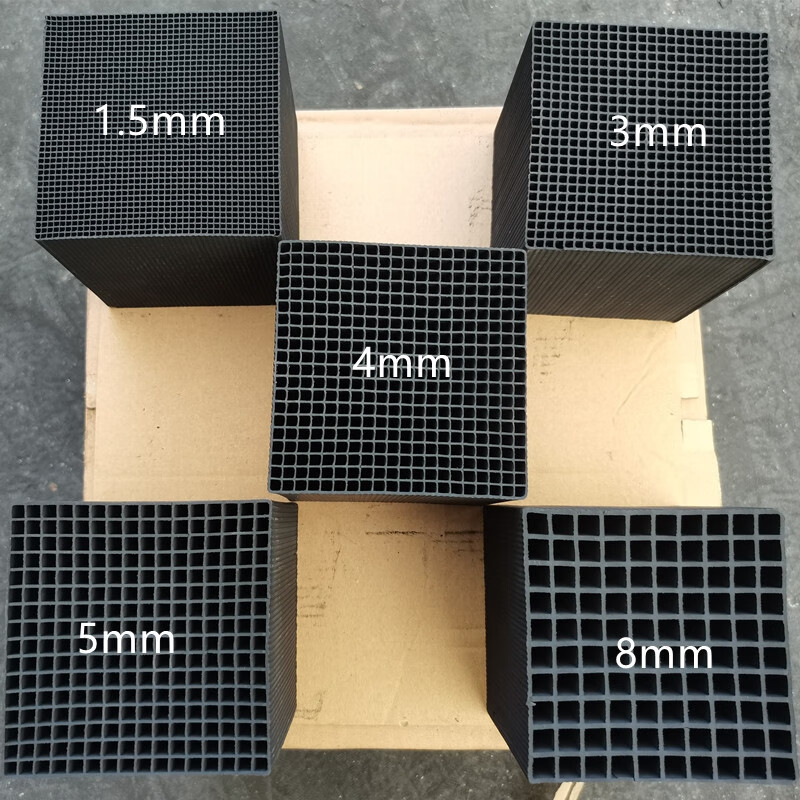
سوال: مختلف قسم کی VOC نکاس گیسوں کے لیے موزوں ہنی کامب ایکٹیویٹڈ کاربن کی خصوصیات کا انتخاب کیسے کریں؟
الف: ہنی کامب فعال کاربن کی خصوصیات کا انتخاب کرنے کا اہم نکتہ ایڈسورپشن کارکردگی اور ہوا کے بہاؤ کے مقابلے (اور اس کے اٹکنے کے مقابلے) کے درمیان توازن قائم کرنا ہے۔ سادہ الفاظ میں کہیں تو، بہترین کھول کا سائز اخراج گیس میں موجود آلودگی کے مالیکیول کے سائز اور دھول کی مقدار کی بنیاد پر طے کیا جاتا ہے۔
سوال: نکاس گیس کے علاج کے لیے استعمال ہونے والے ہنی کامب ایکٹیویٹڈ کاربن کو کتنے عرصے بعد تبدیل کرنا چاہیے؟
جواب: شہد کے خلیہ کے فعال کاربن کو تبدیل کرنے کا کوئی مقررہ یا مطلق وقتی دورانیہ نہیں ہوتا۔ تبدیلی کا دورانیہ آؤٹ لیٹ گیس کی کثافت، علاج کی جانے والی ہوا کے بہاؤ کی مقدار، سسٹم میں پیک کردہ فعال کاربن کی مقدار، اور کسی بھی پیشِ علاج کے عمل کی موثریت جیسے عوامل پر منحصر ہوتا ہے۔
سوال: کیا آپ خاص مواصفات کی درخواست کے مطابق ترمیم کی سہولت فراہم کرتے ہیں؟
جواب: جی ہاں، ہم فراہم کرتے ہیں۔ ہم خلیہ نما (ہنی کامب) ابعاد، سوراخ کے سائز اور پیکیجنگ کے مواصفات کی درخواست کے مطابق ترمیم کے اختیارات پیش کرتے ہیں، اور ضرورت پڑنے پر تیسرے فریق کی طرف سے تصدیق شدہ معائنہ رپورٹس بھی فراہم کر سکتے ہیں۔
ہم مفت نمونہ ٹیسٹنگ اور فنی رہنمائی کی سہولت فراہم کرتے ہیں۔ بڑے پیمانے پر خریداری کے لیے، ہم درخواست کے مطابق حل اور ترجیحی قیمتیں فراہم کرتے ہیں؛ اس کے علاوہ، ہم وارنٹی کے دوران کسی بھی معیار سے متعلقہ مسائل کی صورت میں مفت واپسی یا تبادلے کی گارنٹی دیتے ہیں۔
1. سرٹیفیکیشنز: آئی ایس او 9001 کوالٹی مینجمنٹ سرٹیفیکیشن؛ وی او سی آؤٹ لیٹ گیس کے علاج کے اطلاقات کے لیے مکمل طور پر حفاظتی تقاضوں کے مطابق۔
2. کیس اسٹڈی کے اہم نکات:
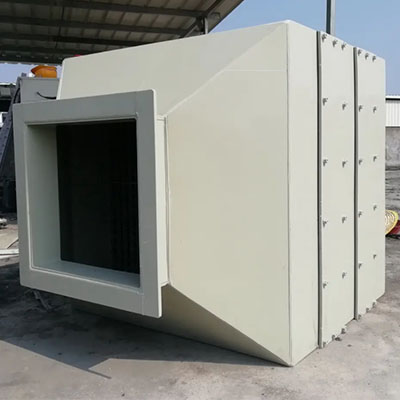
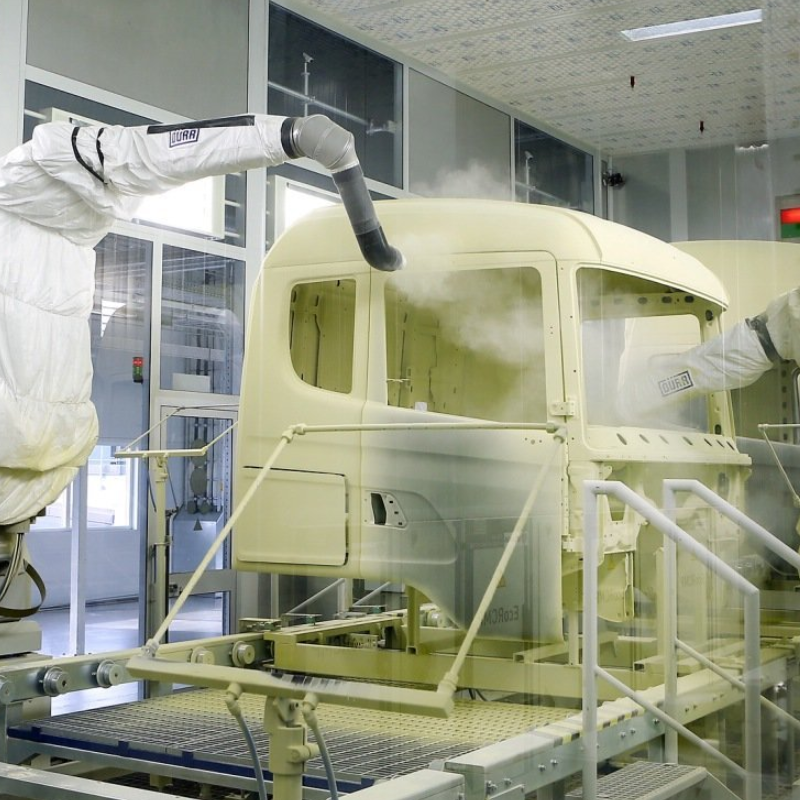
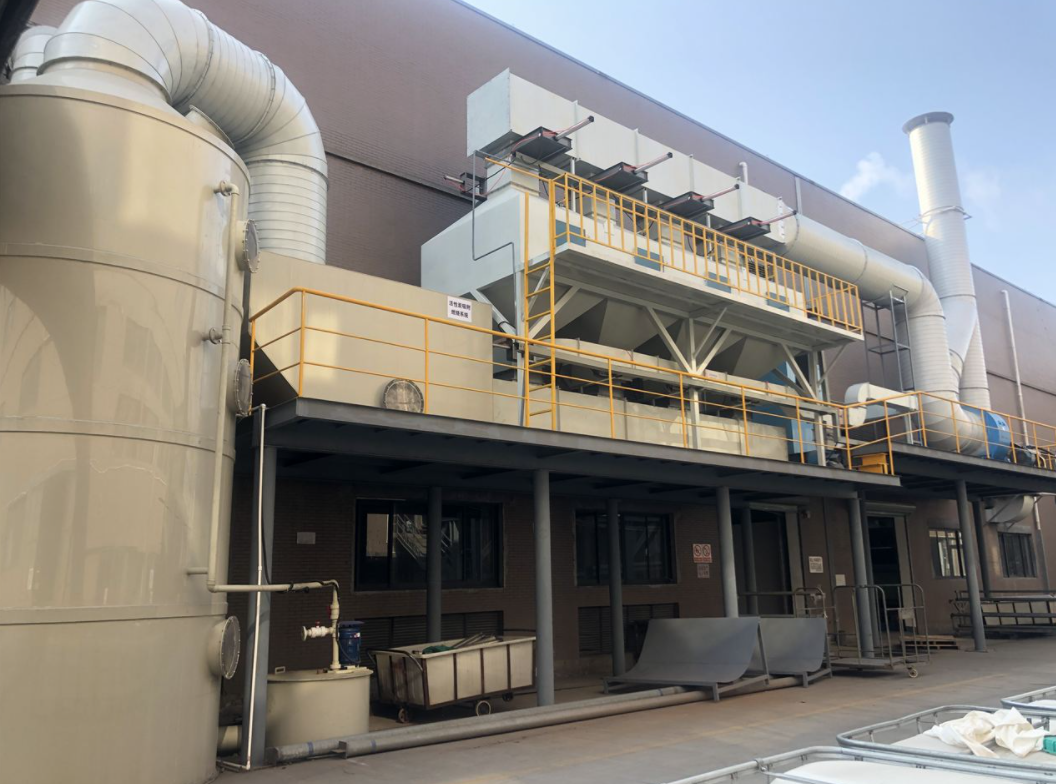
خودکار اسپرے پینٹنگ کے عادم گیس کے مخصوص چیلنجز — جو بند ہونے کے زیادہ خطرے اور بڑے ہوا کے بہاؤ کے حجم کی وجہ سے مشہور ہیں — کو حل کرنے کے لیے، اس منصوبے نے درج ذیل تکنیکی نقطہ نظر اپنایا:
پروسس فلو:
عادم گیس کا اکٹھا کرنا → خشک فلٹریشن (پیشِ علاج) → چھتی دار فعال کاربن کا ایڈسوربشن بیڈ → جگہ پر ڈیسرپشن → کیٹالیٹک احتراق (CO) → قانونی طور پر منظور شدہ اخراج
ایڈسوربشن کا مواد: چھتی دار فعال کاربن۔
کم ہوا کا بہاؤ مزاحمت: دانے دار فعال کاربن کے مقابلے میں، چھتی دار کاربن کا ہوا کے بہاؤ کے خلاف مزاحمت بہت کم ہوتی ہے، جو اسپرے پینٹنگ کے بوتھوں میں عام طور پر موجود زیادہ ہوا کے بہاؤ کی آپریٹنگ حالتوں کے لیے مثالی طور پر مناسب ہے۔ یہ خصوصیت وینٹی لیشن فینز کی بجلی کی کھپت کو کافی حد تک کم کرتی ہے۔
اعلیٰ ایڈسوربشن کارکردگی: اس کے وسیع ترین خاص سطحی رقبے (≥ 750 میٹر²/گرام) کو استعمال کرتے ہوئے عادم گیس میں موجود VOCs کو مؤثر طریقے سے ایڈسورب اور مرکوز کرتا ہے۔
پیشہ ورانہ سپورٹ: VOC کے علاج کے لیے فعال کاربن کی تحقیق و ترقی اور تیاری میں 25 سال سے زائد کے تجربے کی بنیاد پر، ہم آپ کو آپ کی خاص ضروریات کے لیے بہترین مصنوعات کے انتخاب میں مدد دینے کے لیے ذاتی نوعیت کی، ایک-اُو-ایک رہنمائی فراہم کرتے ہیں۔
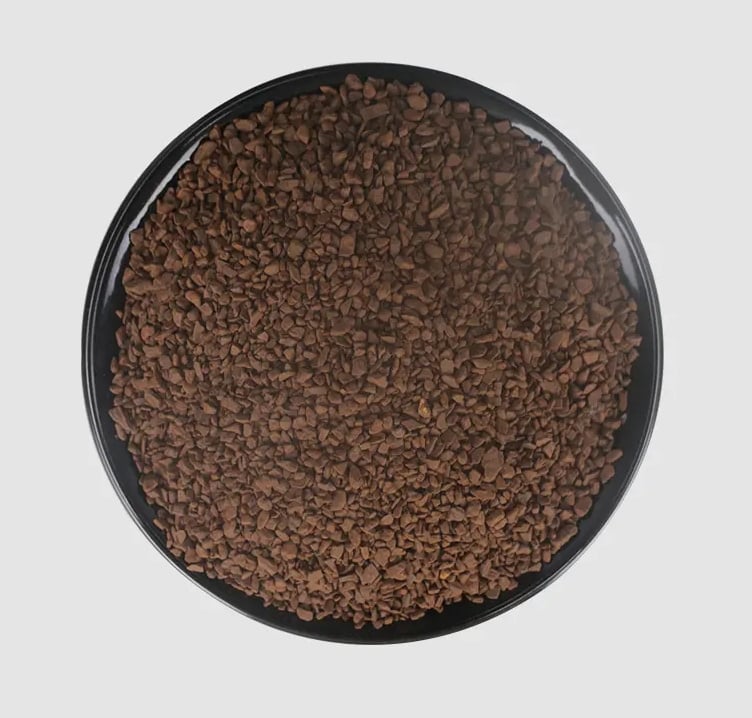
مصنوعات کی تعداد: آئرن اور منیزیم کو ہٹانے کے لئے منگنز سینڈ فلٹر بریم میڈیا
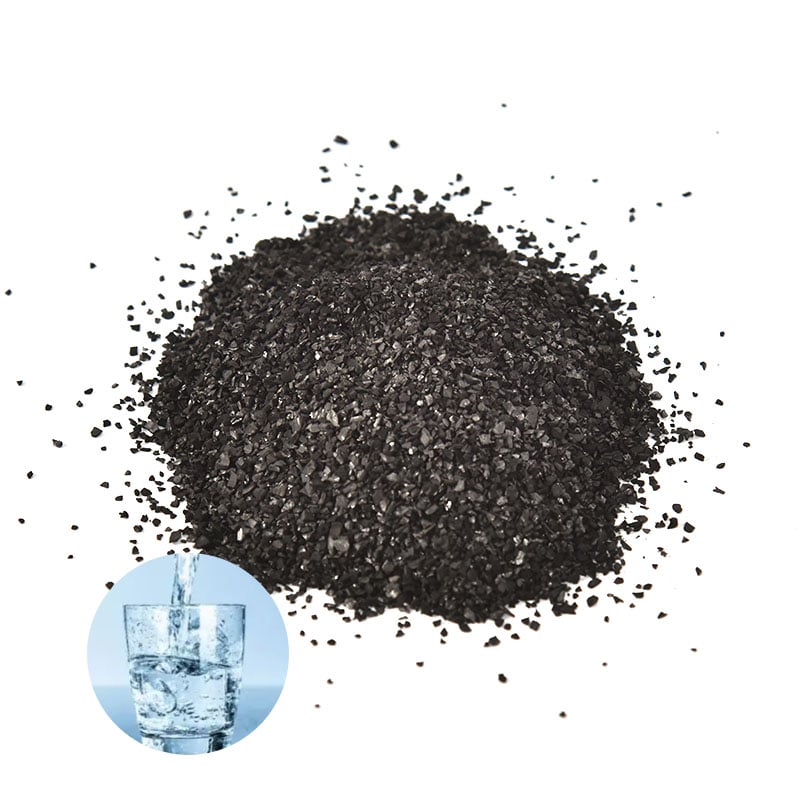
مصنوعات کی تعداد: پانی صاف کرنے کے لیے ناریل ایکٹیویٹڈ کاربن
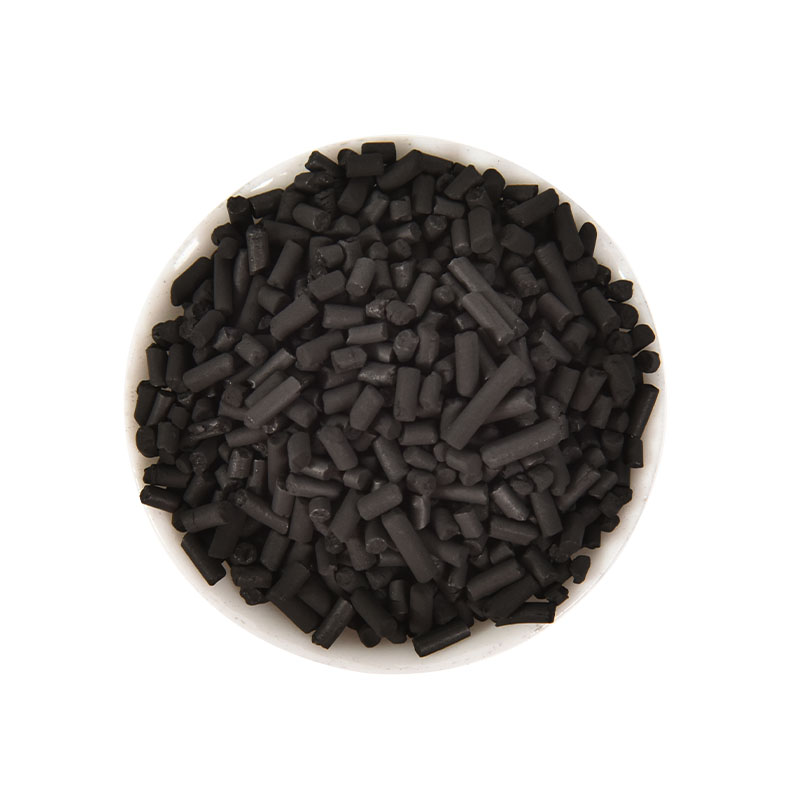
مصنوعات کی تعداد: سولفور میں داخل کردہ فاضلہ پانی کے معالجے کے لئے کویل بیسڈ کالمار ایکٹیویٹڈ کاربن
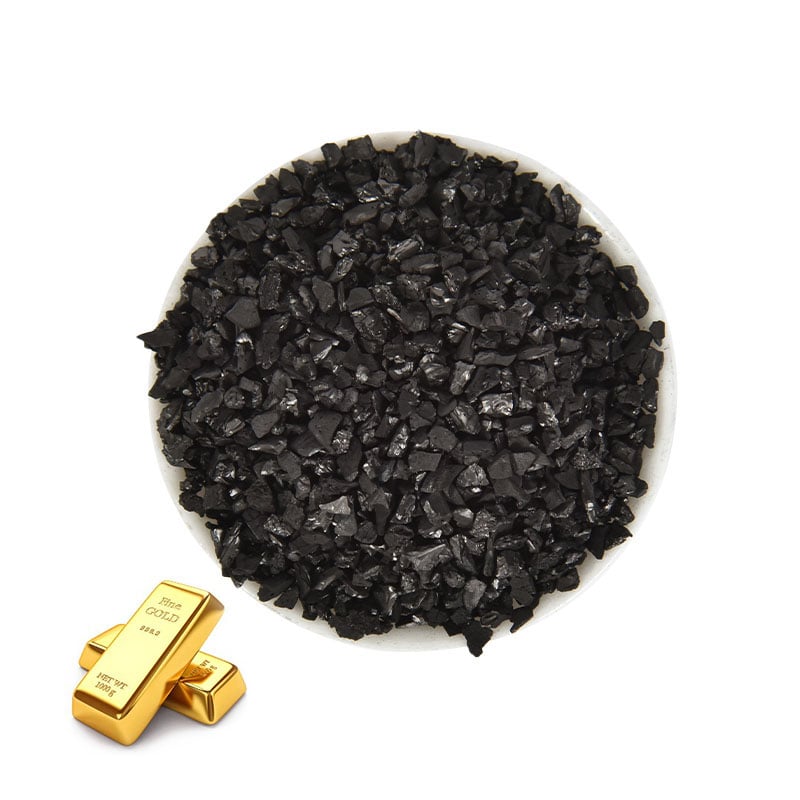
مصنوعات کی تعداد: سونے کے لیے مخصوص 6-12 میش CTC 60% ناریل شیل ایکٹیویٹڈ کاربن
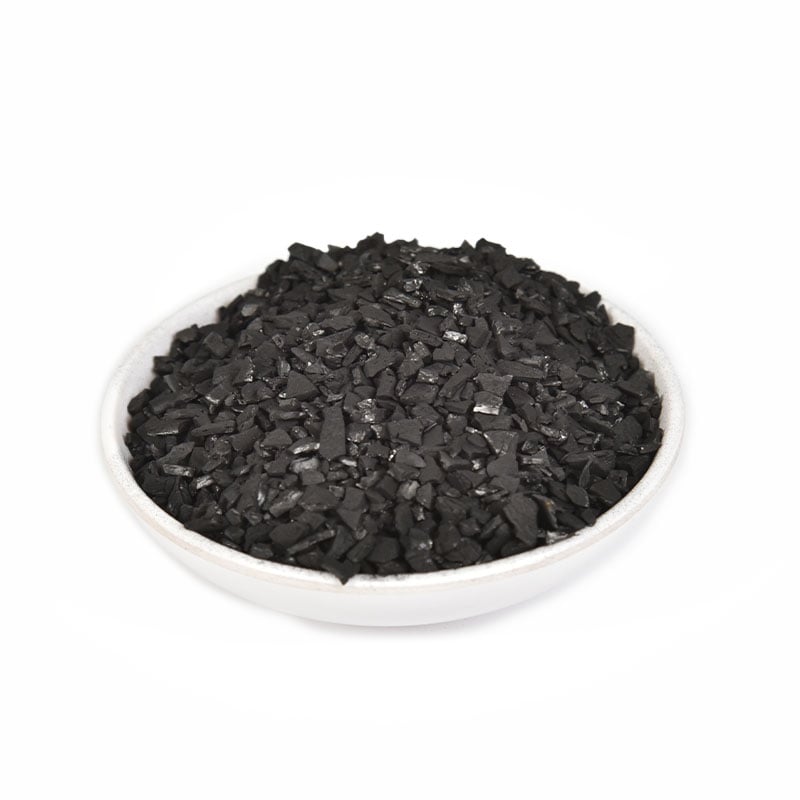
مصنوعات کی تعداد: کوکونٹ شیل ایکٹیویٹڈ کاربن جس کی آئوڈین ویلیو 1100-1200 ہے
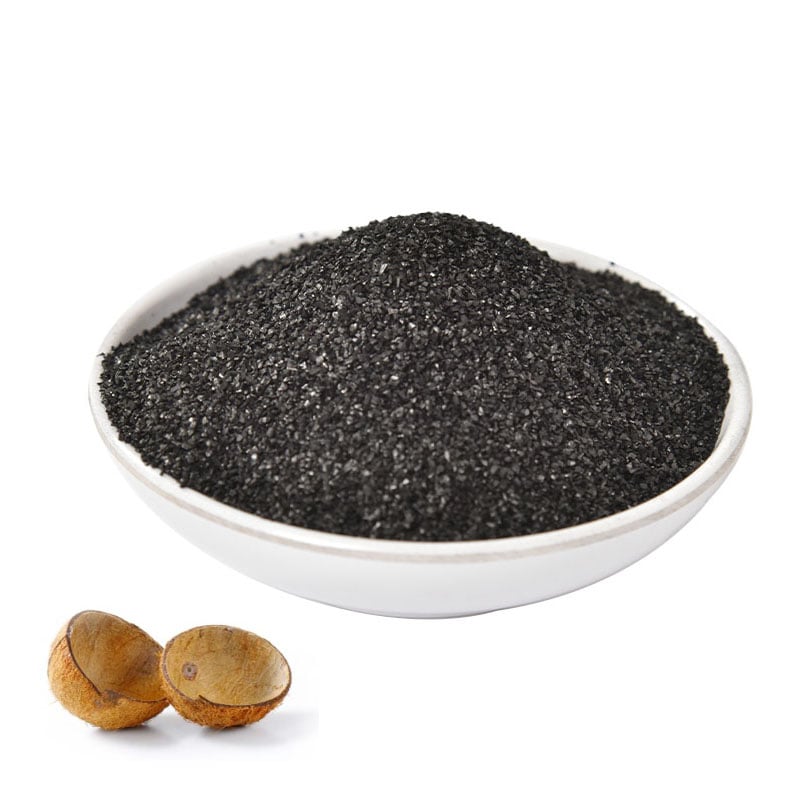
مصنوعات کی تعداد: 8×30 میش گرینولر ایکٹیویٹڈ کاربن ہائی جذب کرنے والی فضلہ گیس اور گندے پانی کے علاج کے لیے
 EN
EN