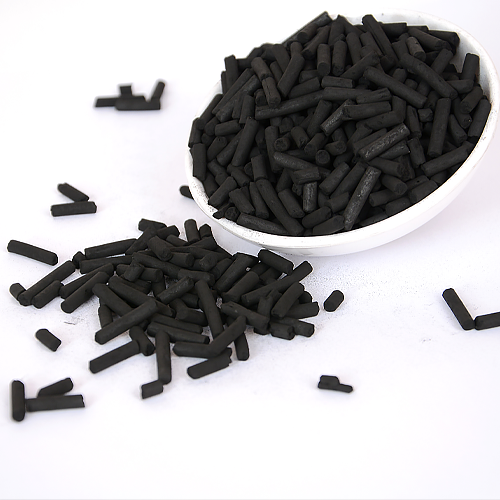
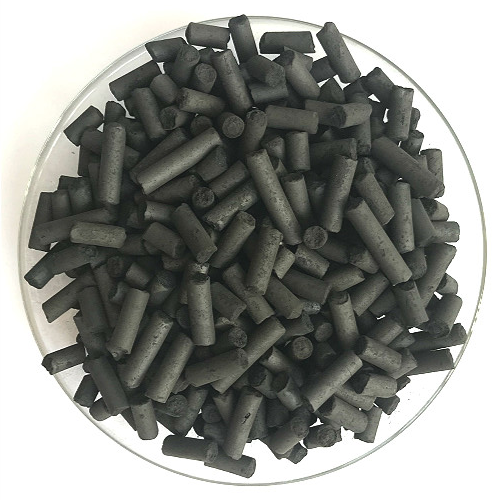
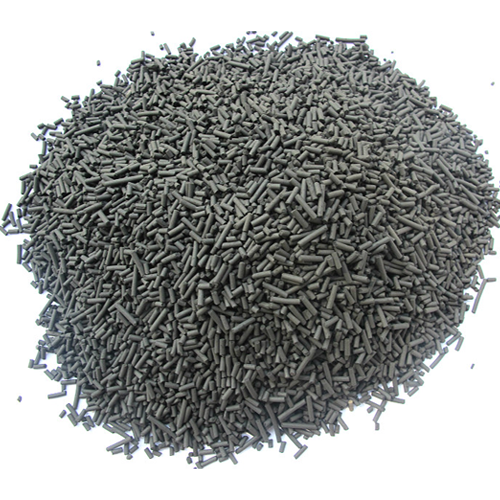
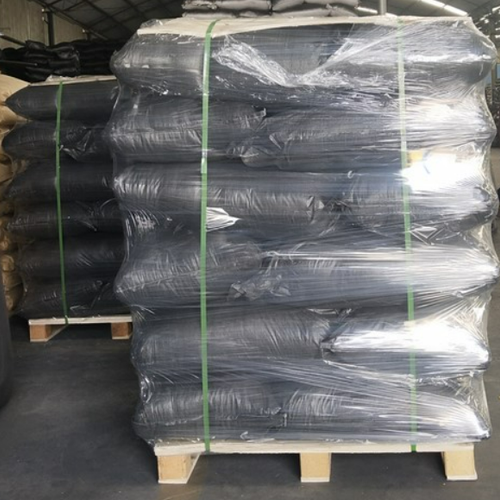
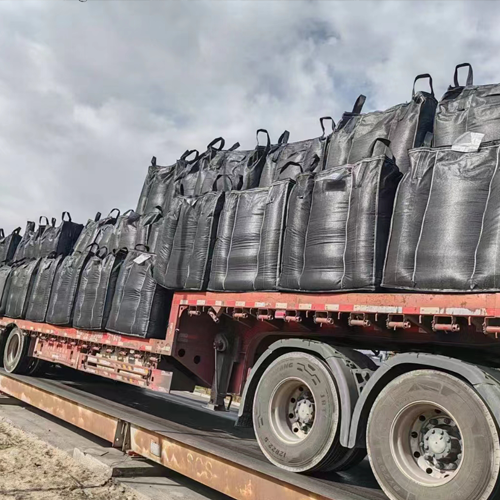
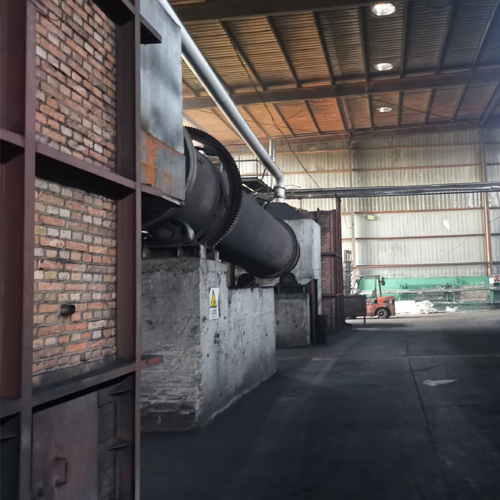
Yihang manufactures high-strength wood-based extruded/pellet activated carbon with dense granular strength and stable abrasion resistance. Optimized rich microporous structure delivers outstanding adsorption performance for industrial VOC exhaust treatment, paint fume purification, drinking water deep filtration and precious metal extraction.
Short lead time & global shipment available
Multiple customizable specs: varied particle diameters from 0.9mm - 8mm
Custom chemical impregnation available for targeted removal of Optional impregnation for H2S, VOCs, and specific gas removal;
Strict batch inspection with full COA & SGS certification
Direct From Manufacturer: Cut Costs & Middlemen & save procurement cost
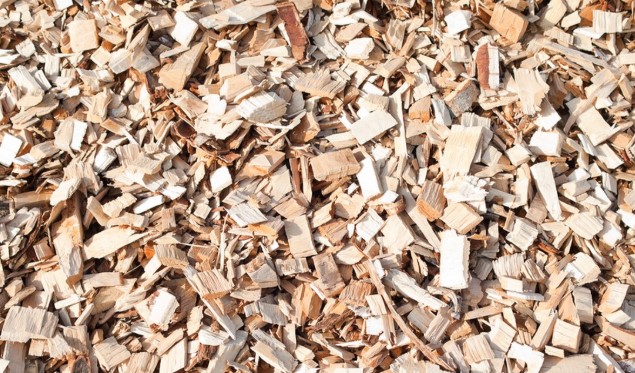
Wood-based pellet activated carbon is made from agricultural and forest biomass such as wood chips, fruit shells and coconut shells. It is processed through crushing, mixing, high-pressure extruding, drying, carbonization and chemical activation into solid black cylindrical pellets
The common wood based pellet activated carbon’s diameter sizes areφ1.5/3/4 mm and length is 5–10 mm , odor less and non-toxic.
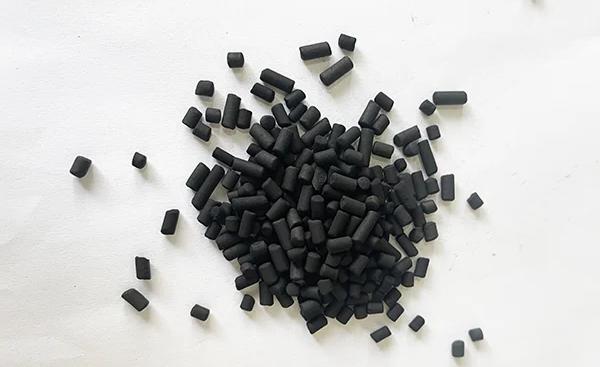
Yihang wood based pellet activated carbon has well-developed pore structure, delivers outstanding performance in adsorption, decolorization and deodorization. With low ash content and few impurities, it is safe for water treatment, food and pharmaceutical applications. The cylindrical pellets are resistant to breakage and powder loss, create low flow resistance, bear acid and alkali corrosion, can be regenerated for repeated use and boast a longer service life.
Please refer to the table below. For specific indicators, please contact us.
|
Subject |
Unit |
Grade 1 |
Grade 2 |
Grade 3 |
Grade 4 |
Grade 5 |
|
Diameter |
mm |
Φ0.9, Φ1.5, Φ3, Φ4 (can be customized) |
||||
|
Iodine |
mg/g |
≥900 |
≥1000 |
≥1100 |
≥1200 |
≥1300 |
|
Surface Area |
m²/g |
≥950 |
≥1100 |
≥1250 |
≥1350 |
≥1450 |
|
CTC |
% |
≥70 |
≥85 |
≥100 |
≥110 |
≥120 |
|
Hardness |
% |
≥85 |
≥85 |
≥88 |
≥90 |
≥90 |
|
Moisture |
% |
<5 |
<5 |
<5 |
<5 |
<5 |
|
Ash |
% |
≤5 |
≤5 |
≤5 |
≤5 |
≤5 |
|
Density |
Kg/M³ |
450–550 |
430–520 |
420–500 |
430–480 |
420–450 |
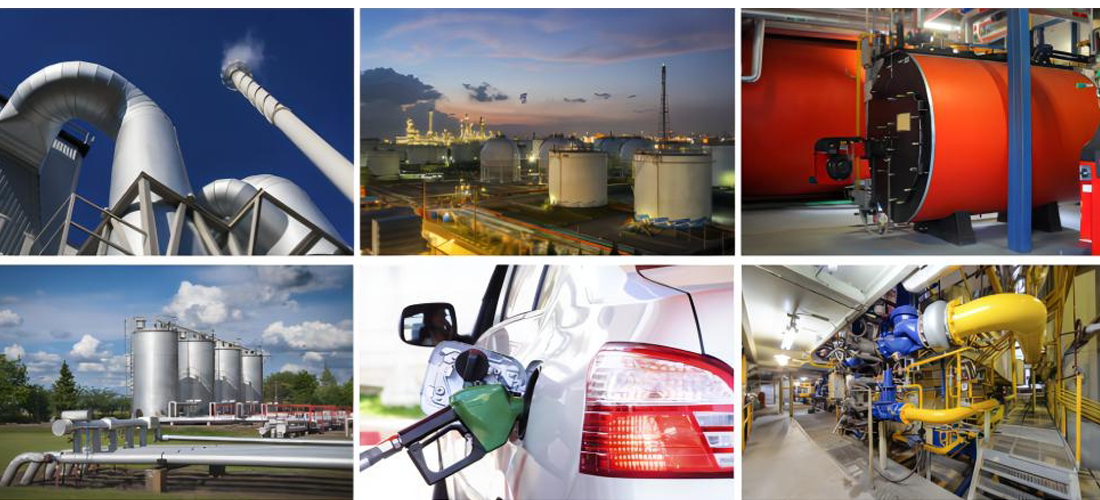
It stands as one of the core application fields of columnar wood-based activated carbon.
Widely deployed in chemical, spray painting (paint booth), printing, electronics and leather manufacturing plants to adsorb and eliminate toxic and hazardous pollutants including VOCs, benzene, toluene, xylene, sulfides (hydrogen sulfide, sulfur dioxide), nitrogen oxides, lampblack and peculiar odors.
Applied in flue gas desulfurization & denitrification and waste incineration tail gas disposal to adsorb dioxins, mercury and other heavy metal contaminants.
Fabricated into filter cartridges for gas masks, air purifiers and fresh air ventilation systems to adsorb formaldehyde, peculiar smells, bacteria and harmful gaseous pollutants in ambient air.
Used in petrochemical, rubber and textile industries for adsorption and recovery of volatile organic solvents (acetone, ethanol, gasoline etc.) generated during production, delivering both environmental and economic benefits.
Applied for advanced water purification and targeted pollutant removal in water treatment projects.
Eliminates residual chlorine, abnormal color, earthy-musty odor, organic substances and partial heavy metals to upgrade water quality.
Electroplating wastewater: adsorbs heavy metal ions;
Printing & dyeing wastewater: decolorizes water and removes refractory organic compounds;
Phenol-containing and oily toxic organic wastewater purification.
Adopted in tertiary advanced sewage treatment to cut down COD and help treated effluent meet discharge standards.
Serves as core filter medium to secure finished water purity.
In certain chemical reactions, columnar wood-based activated carbon acts directly as catalyst or carrier for precious metal catalysts (palladium, platinum), supporting catalytic hydrogenation, dehydrogenation and chemical synthesis reactions.
Decolorization, impurity removal and refining for sugar liquor, monosodium glutamate, edible oil and pharmaceutical raw materials by removing pigment, colloid and off-flavor substances.
Used as stationary phase of chromatographic columns for separation and quantitative analysis of mixed gases.
Utilized for adsorbed natural gas (ANG) and hydrogen storage; its highly porous structure enables high-capacity gas storage under relatively low pressure.
Core material for precious metal extraction such as gold via carbon-in-pulp (CIP) process.
A:Is it applicable for waste gas or water treatment? Wood-based columnar activated carbon features abundant micropores (<2 nm), making it highly suitable for waste gas treatment. It is an ideal option for your paint booth application.
A:Accurate calculation depends on two parameters: airflow rate (m³/h) and waste gas concentration (mg/m³ for benzene, TVOC and other contaminants).
Example calculation: For an airflow of 20,000 m³/h with unknown
pollutant concentration: Cross-sectional area ≈ 20000 ÷ (0.5×3600) ≈ 11.1 m² Carbon bed volume ≈ 11.1 × 0.5 = 5.55 m³
Initial filling weight ≈ 5.55 × 500 = 2775 kg (around 2.8 MT) Replacement cycle relies on concentration data;
without relevant test data, inspection and replacement every 6–12 months is recommended.
High-iodine-value activated carbon is required for small-molecule gases including benzene, formaldehyde and hydrogen sulfide. Recommended standard: wood-based columnar activated carbon with iodine value ≥800 mg/g. Products with iodine value ranging from 900 to 1000 mg/g deliver superior adsorption performance and longer service life. Note: Pay attention to carbon tetrachloride adsorption rate (CTC%), an indicator measuring organic vapor adsorption capacity; CTC ≥50% is suggested.
We provide Certificate of Analysis (COA) for every batch, covering core indexes including iodine value, abrasion strength, moisture content and ash content. Authoritative third-party inspection reports such as SGS are available for quality verification. Complete customs documents including commercial invoice, packing list and customs declaration documents can be supplied for smooth export customs clearance.
Prices vary by product type, specification and order quantity. We offer competitive pricing and discounts for large volume orders and long term customers. Please contact our sales team for a detailed quote. We also frequently offer promotions, so we suggest you follow our official website for the latest offers.
Yes, we are happy to provide samples for testing. Please contact our sales team with your requirements and contact details and we will arrange for samples to be sent as soon as possible.
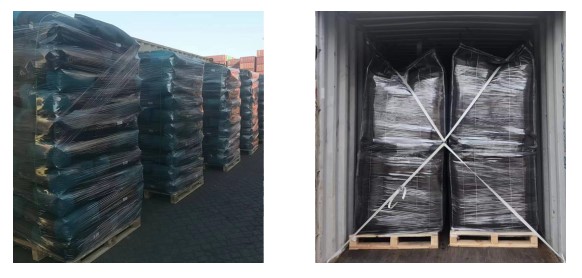
Keep goods in sealed packages, stored indoors under dry and ventilated conditions with fire and explosion prevention measures: keep away from open flame, heat sources and oxidants. Do not store alongside toxic, odorous or volatile articles to prevent premature saturation and deactivation. Moisture occupies carbon pore structures and drastically cuts adsorption capacity for target pollutants, leading to early failure. Damp activated carbon suffers severe performance degradation and is not advised for use.
Spent carbon is recyclable and proper recycling is mandatory. Saturated waste carbon is classified as hazardous waste and needs standardized disposal. Regeneration is achievable via professional high-temperature thermal regeneration (800–1000°C under steam or inert shielding gas), which desorbs and decomposes adsorbed contaminants to restore most adsorption activity for repeated application.
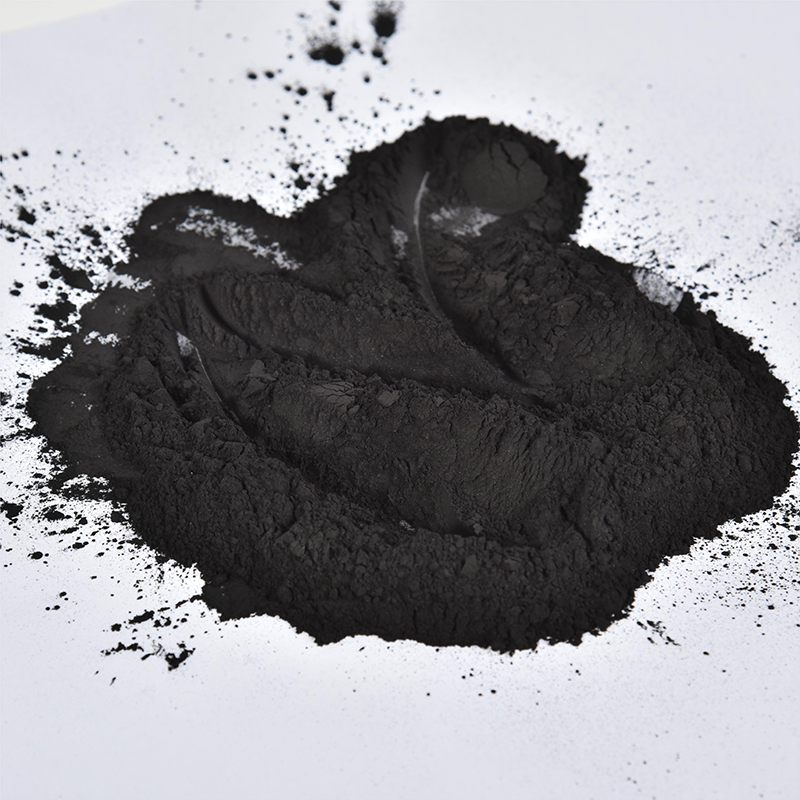
Products Number: Coal powder activated carbon
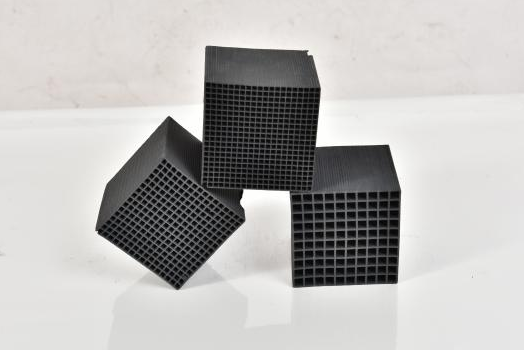
Products Number: Customized high adsorption coal honeycomb activated carbon activated carbon adsorbent for air purification
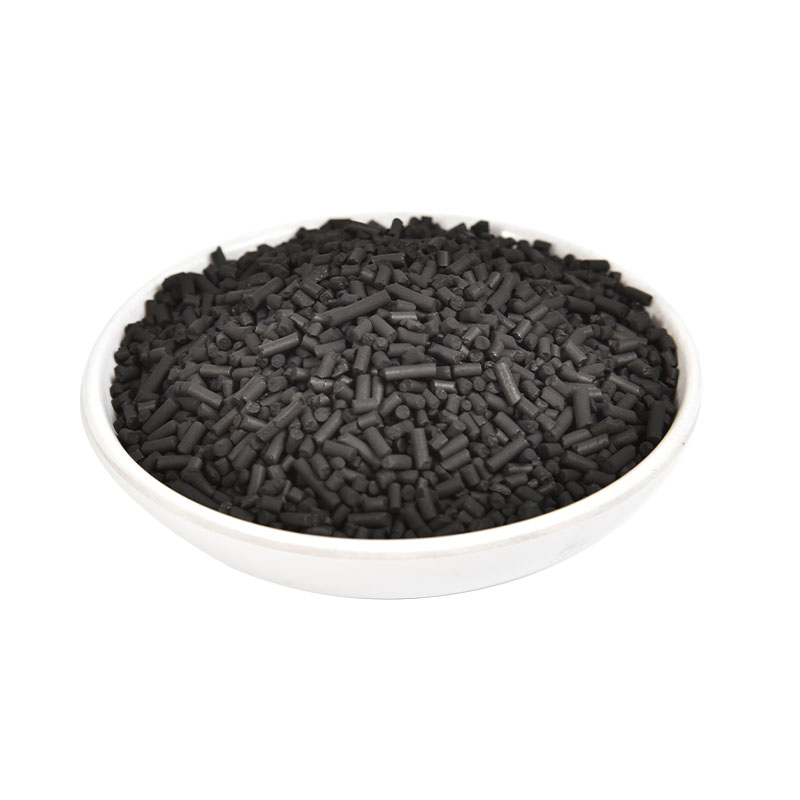
Products Number: Coal-Based Pellet Activated Carbon 4mm Diameter - Gas Adsorption for Toluene and VOC Removal
Products Number: Polyacrylamide PAM water treatment flocculant
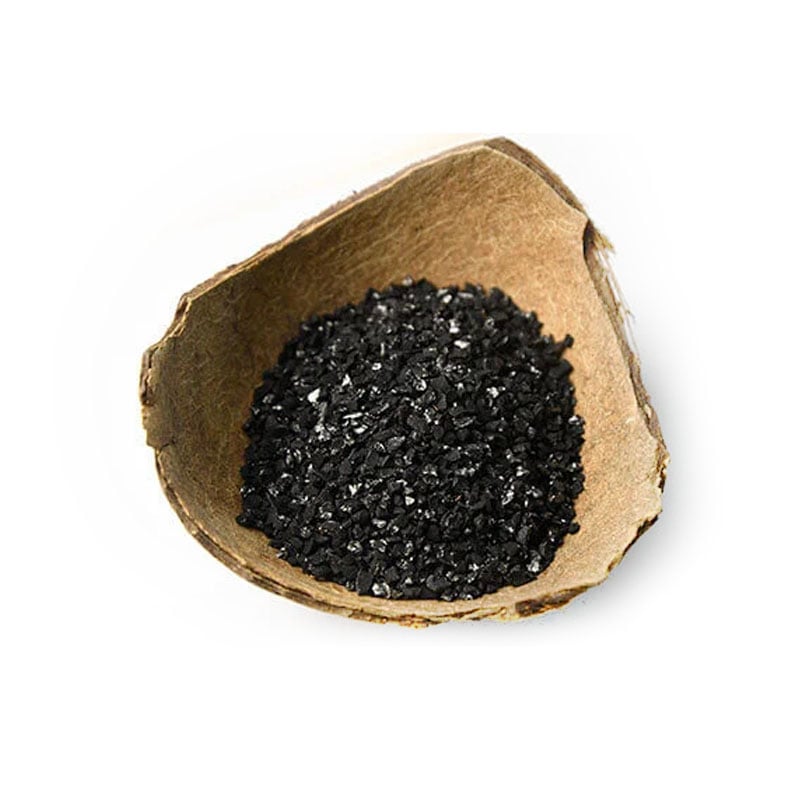
Products Number: Coconut Shell Granular Activated Carbon
Products Number: Water Filter Cartridge with Chlorine Removal - Coconut Shell Steam Activated Carbon
 EN
EN