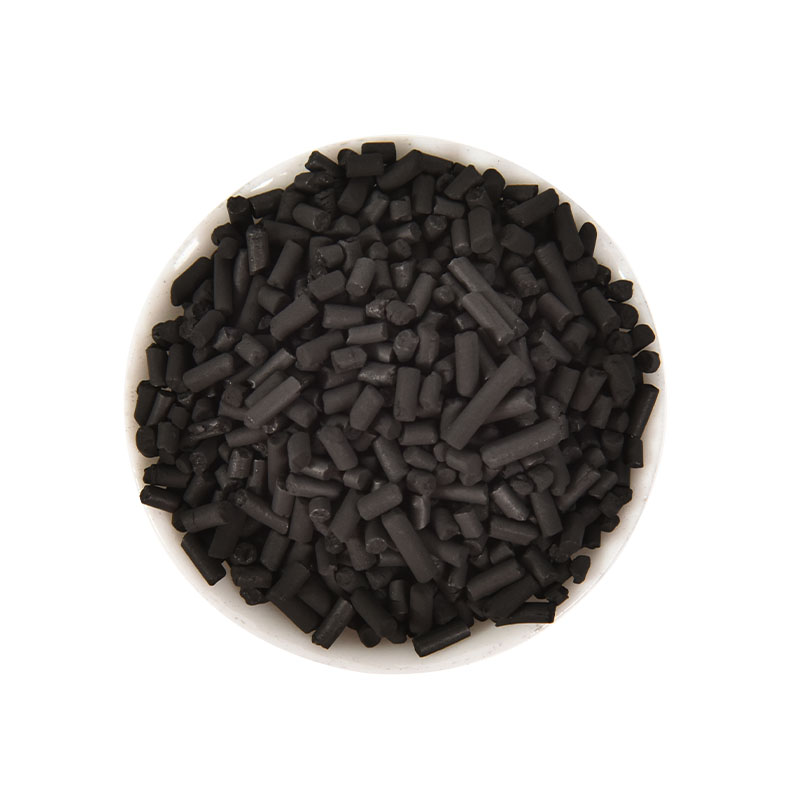
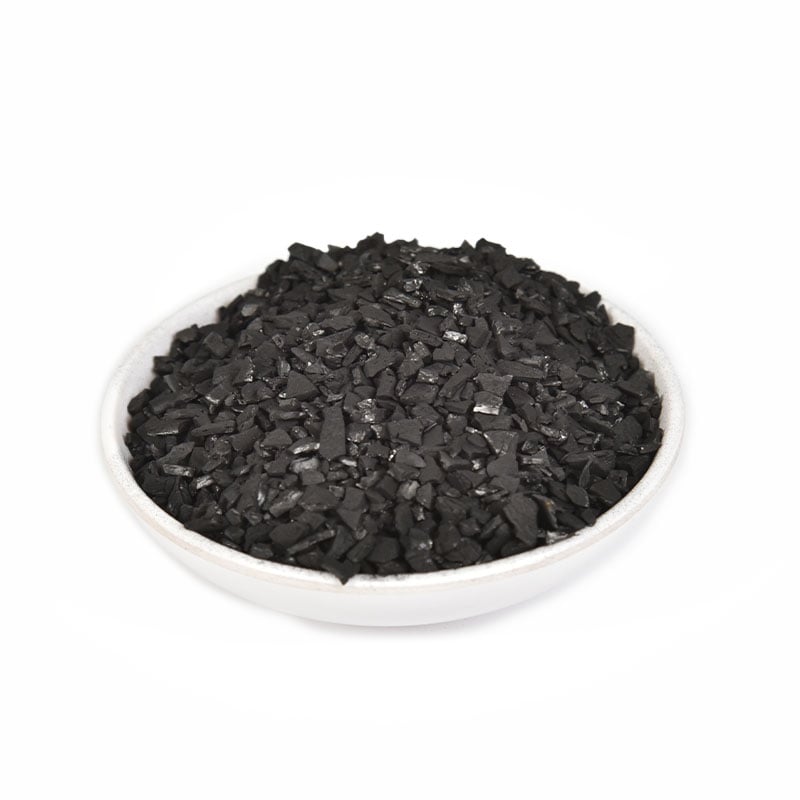
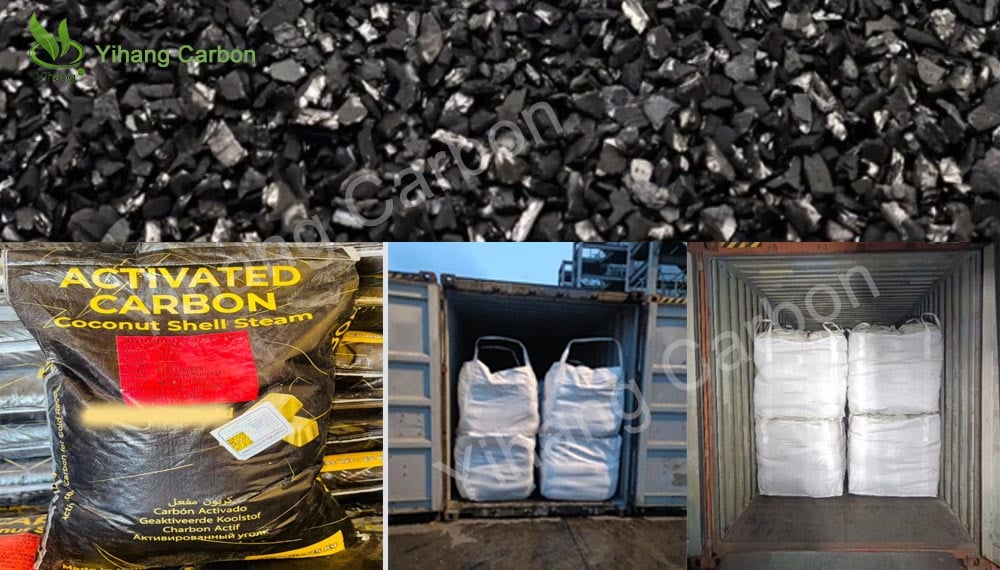
We just loaded the first batch of a 200-ton gold recovery activated carbon order — 7 full 40-foot containers — destination Sudan. This is the client's third order with us in eighteen months. The first was a cautious 28-ton trial. The second was 112 tons. Now, 200 tons across seven containers, with each container undergoing three separate sampling inspections before sealing.
This is what happens when product quality removes the need for second-guessing.
Order Summary
| Item |
Details |
| Client Region |
Sudan |
| Product |
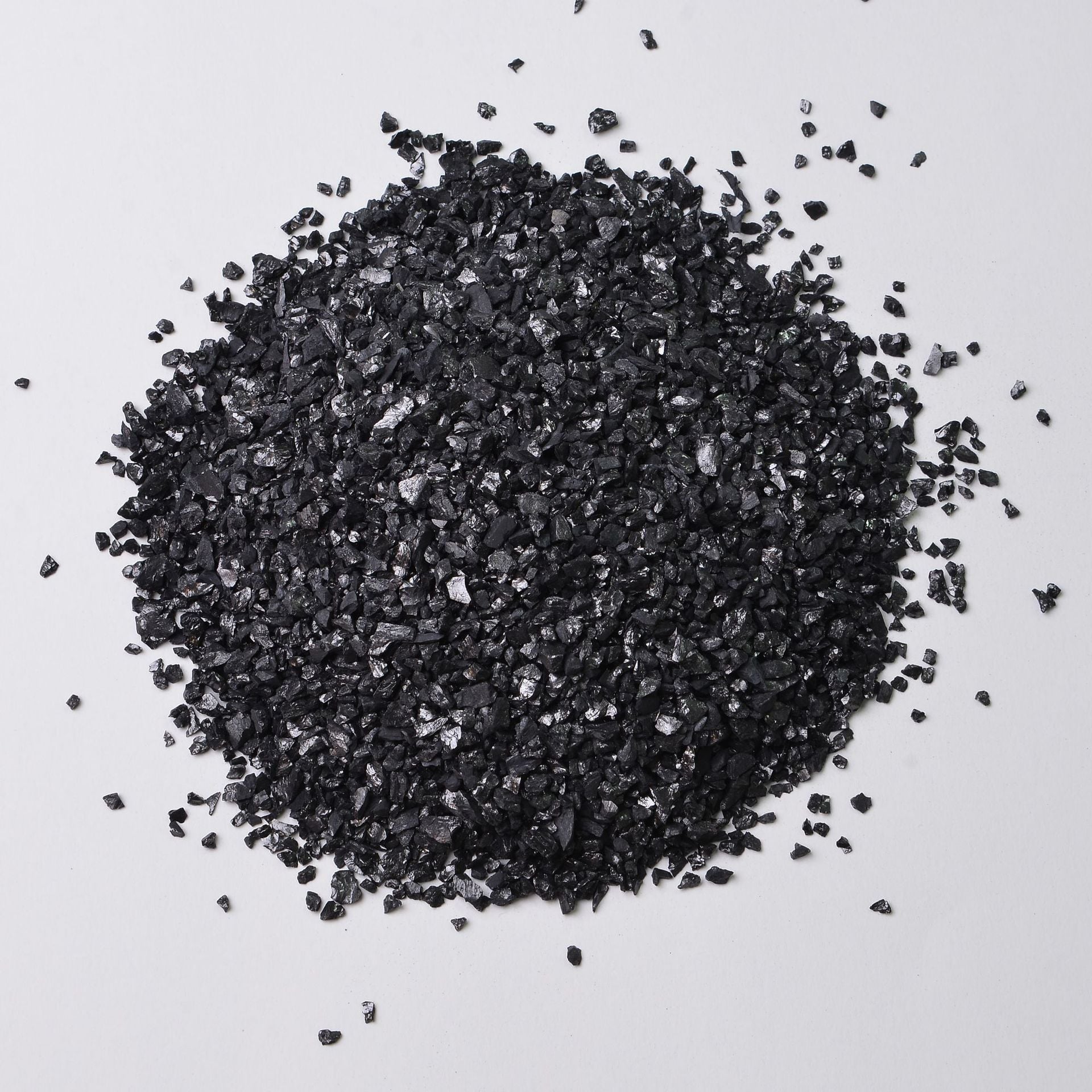
Coconut shell GAC for gold recovery / CIL circuit |
| Mesh Size |
6×12 |
| Iodine Number |
≥1150 mg/g (ASTM D4607) |
| Hardness |
≥98% (ASTM D3802) |
| Moisture |
<5% |
| Ash Content |
<4% |
| CTC Adsorption |
≥55% (ASTM D3467) |
| Apparent Density |
0.48–0.52 g/cc (ASTM D2854) |
| Quantity |
200 tons (7 × 20' FCL, ~28 tons per container) |
| Loading Port |
Shanghai |
| Destination |
Port Sudan, Sudan |
| Transit Time |
~25–30 days |
| Payment Terms |
30% deposit (booked 3 months ahead), 70% against B/L |
How the Relationship Started: From Skeptic to Advocate
The first 28-ton order was not handed over easily. Before placing it, the client flew to China, toured our factory, and personally drew samples for independent SGS testing. Only after the lab results confirmed our specs did they release the deposit.
We didn't take that trust for granted. After production was complete, they sent a second inspector to draw finished-product samples for another round of testing. The carbon passed. They paid the balance. The container sailed.
That first shipment performed so well in their CIL circuit — low attrition, stable gold loading, minimal fines generation — that the 112-ton follow-up order arrived within weeks. Six months later, the 200-ton order landed. This time, no factory visit was needed. They simply sent the deposit three months in advance to secure production slots.
Why This Client Keeps Scaling Up
1. Hardness That Survives the Circuit
Our coconut shell carbon tests at 98–99% ball-pan hardness. In a CIL circuit, that translates directly to lower attrition and fewer fines. Fines are not just carbon loss — they are gold loss, because fine particles carry adsorbed gold through screens and into tailings. With our carbon, the client reports less than 3% mass loss per regeneration cycle, surviving 5–8 thermal reactivation cycles at 700°C without structural breakdown.
Lower attrition means fewer reactivation cycles, less make-up carbon, and lower operating cost per ounce of gold produced.
2. Market Validation in Sudan
The client is not just an end-user anymore. Because our carbon performed reliably in their Sudanese gold recovery circuit, they have begun supplying the same product to other local mining operations. Our quality became their reputation. The 200-ton order is partly their own stock and partly resale — proof that the Sudan gold recovery market has accepted our product standard.
3. Factory-Direct Pricing
We manufacture in-house. No trading company. No distributor margin. Compared to equivalent Indian and European brands, our landed price is significantly more competitive — often 30–40% below European equivalents — while meeting or exceeding the same technical benchmarks.
Need Activated Carbon?
Get Factory‑Direct Pricing — No Middlemen
30 years manufacturing. MOQ 1 ton. Free samples. Reply within 1 hours.
Core Specifications for Gold Recovery Activated Carbon
| Parameter |
Target |
Reject Limit |
Test Method |
Why It Matters |
| Iodine Number |
≥1150 mg/g |
<1150 |
ASTM D4607 |
Higher micropore volume = higher gold loading capacity (typically 25–30 mg Au/g carbon) |
| Ball-Pan Hardness |
≥98% |
<98% |
ASTM D3802 |
Prevents fines generation during pumping, screening, and thermal reactivation |
| CTC Adsorption |
≥55% |
<55% |
ASTM D3467 |
Indicates mesopore structure for rapid kinetics in CIL circuits |
| Ash Content |
<4% |
≥4% |
ASTM D2866 |
Low inorganic impurities prevent interference with elution efficiency |
| Moisture |
<5% |
≥5% |
ASTM D2867 |
Excess moisture dilutes shipping weight and can cause bag condensation |
| Mesh Size |
6×12 |
Off-spec |
ASTM D2862 |
Optimal balance between adsorption kinetics and screen retention |
| Apparent Density |
0.48–0.52 g/cc |
Outside range |
ASTM D2854 |
Predicts carbon inventory mass and tank volume calculations |
Quality Control: Three Inspections per Container
We operate a dedicated, independent QC department. Our protocol is not a single check at the end — it is a gate system:
1. Raw Material Stage Every incoming batch of coconut shell charcoal is tested for ash, volatile content, and carbonization yield. Off-spec raw material is rejected before it enters the activation kiln.
2. Carbonization & Activation Stage During production, we draw samples at three intervals per batch:
-
Mid-activation iodine spot-check
-
Post-activation hardness and CTC screening
-
Final composite sample for full ASTM panel
3. Finished Product Stage Before bagging, every production lot undergoes:
-
Iodine number (ASTM D4607) — reject if <1150
-
Ball-pan hardness (ASTM D3802) — reject if <98%
-
CTC adsorption (ASTM D3467)
-
Ash, moisture, and particle size distribution
-
Apparent density (ASTM D2854)
For this Sudan shipment, each of the 7 containers was sampled and inspected three separate times: at warehouse stacking, during palletization, and at container sealing. The COA and SGS pre-shipment reports were transmitted to the client before the vessel departed Nansha.
Packaging & Branding
This client requested full private-label packaging. Our in-house design team worked through multiple layout revisions to match their brand guidelines.
-
Bag type: 25 kg multi-layer package
-
Inner liner: Moisture-proof PE plastic film
-
Outer layer: Premium PE woven bag with custom logo and print
-
Bulk option: 500 kg / 1,000 kg FIBC jumbo bags available.
We handle all export documentation: commercial invoice, packing list, COA, fumigation certificate, SGS report, and bill of lading. FOB, CIF, or DAP — arranged to your preference.
Frequently Asked Questions
What is your MOQ for gold recovery activated carbon?
Standard MOQ is 1 FCL (18–28 tons depending on destination). For first-time buyers, we offer a 1-ton trial shipment for lab and circuit testing. Free 1 kg samples are available for iodine and hardness evaluation.
Can you customize packaging with our brand?
Yes. Send us your logo files, color requirements, and bag specifications. Our design team will provide layout proofs within 48 hours. We have produced private-label packaging for clients across Africa and the Middle East.
Which African countries do you supply?
We currently supply gold recovery activated carbon to gold operations in Sudan, Egypt, Libya, Burkina Faso, and Tanzania. Our product is used in both CIL and CIP circuits across North, East, and West Africa.
Can you provide reference documents or past shipment records?
Yes. Contact us with the specific documents you need — past COAs, SGS reports, or export declarations. We respond within 1 hour during business hours.
How do you guarantee product quality?
We issue a factory COA for every batch. Third-party inspection by SGS, Intertek, or Bureau Veritas is available on request. No container leaves our warehouse until the carbon passes both our internal lab and the client's nominated inspector.
What is your production lead time?
For standard gold recovery grades, production takes 10–14 days. Because our order book is consistently full, we recommend booking production slots at least 6–8 weeks in advance. This Sudan client paid their deposit three months ahead to secure priority scheduling.
Do you offer technical support for CIL circuit optimization?
Yes. We can advise on carbon inventory management, reactivation frequency, and mesh-size selection based on your ore type and circuit design. Our team has supported gold plants across Africa for over 20 years.
Need Gold Recovery Carbon?
Tell us your target iodine number, hardness requirement, and annual volume. We'll send a spec sheet, competitive pricing, and free samples within 1 hour.

 EN
EN