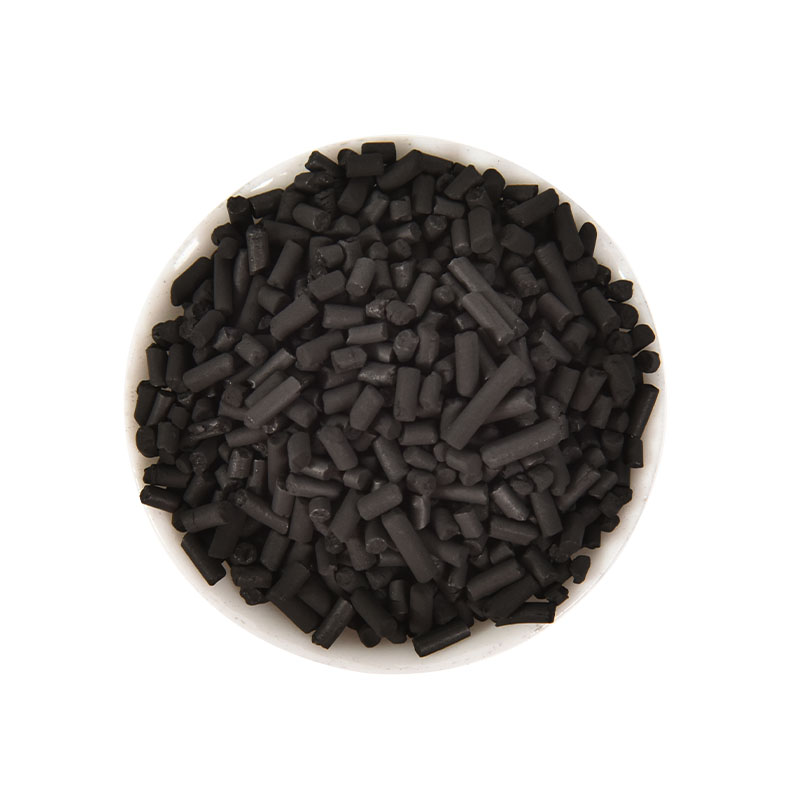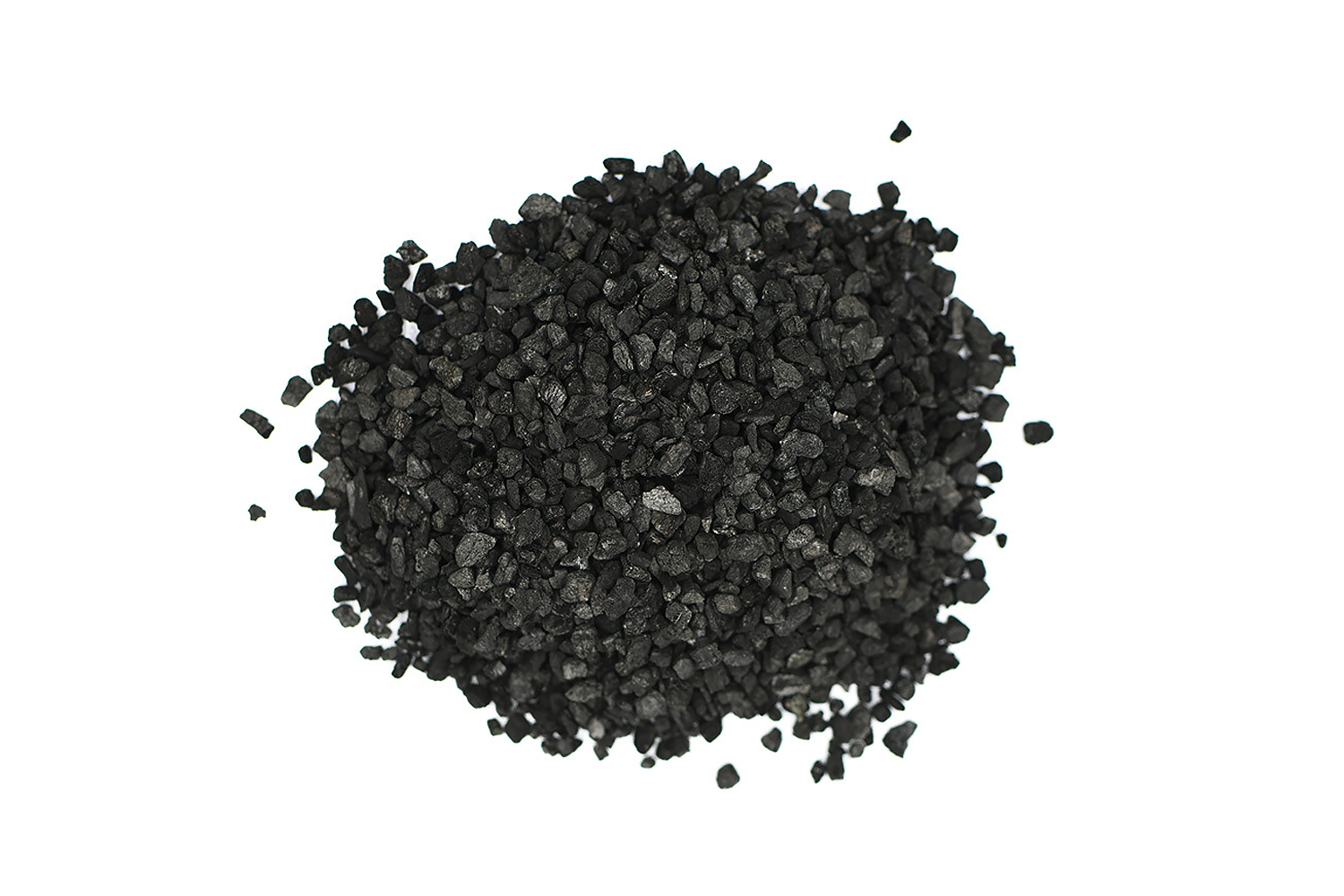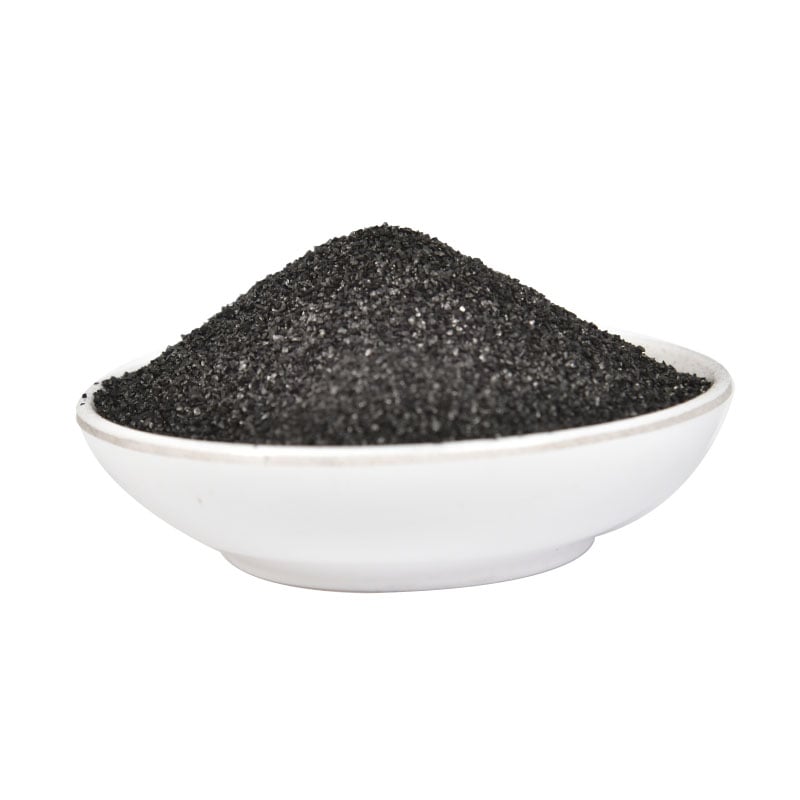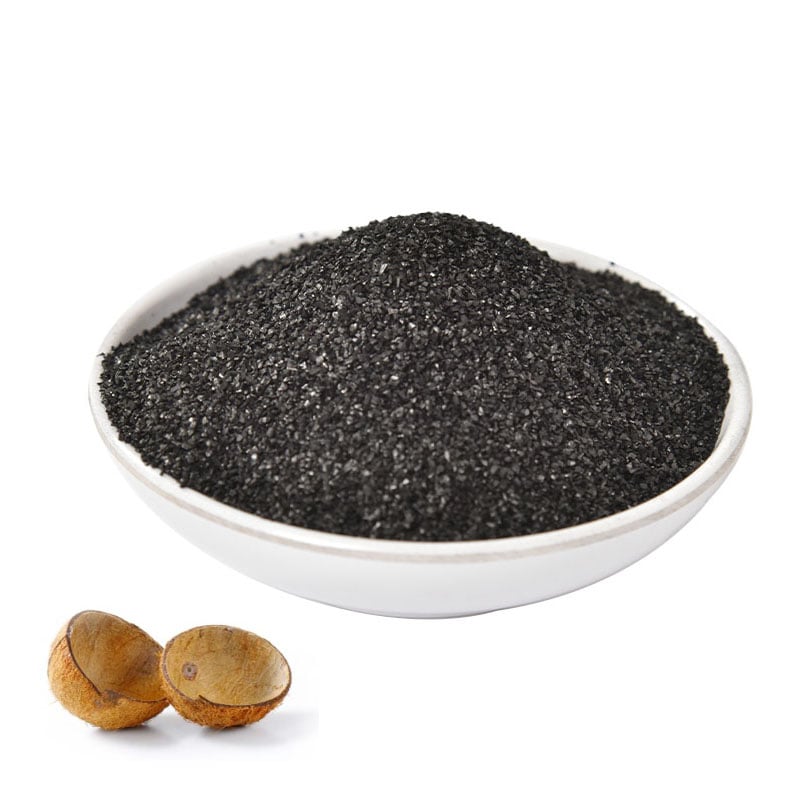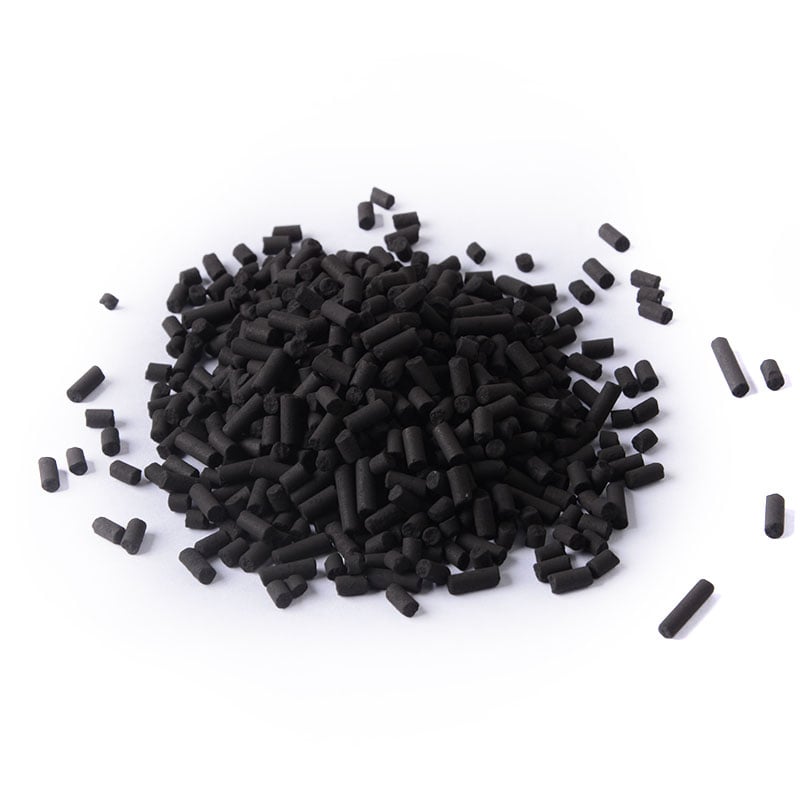
This article documents YIHANG CARBON's export of 56 tons of 12×40 mesh coconut shell granular activated carbon for water treatment to a Bangladeshi client. The buyer paid by 100% LC at sight with exceptionally strict document review, requiring third-party loading supervision and detailed packing data in addition to standard documents. Our team ensured complying presentation and smooth collection through clause-by-clause LC review, multi-level document verification, SGS third-party testing, and full-process loading supervision. The client highly praised the product quality and service, confirming a repeat order of two more containers within three months.

Shipping 56 tons of coconut shell granular activated carbon (12×40 mesh, iodine ≥950 mg/g, hardness ≥96%) to Bangladesh is not just about making a good product. Bangladeshi buyers almost universally pay by 100% Letter of Credit (LC at sight), and their banks review documents with extreme rigor — beyond the standard packing list, commercial invoice, and bill of lading, they also require a shipping advice, packing certificate, packing requirements statement, third-party loading supervision report, and detailed packing data file. Any single discrepancy can lead to a payment refusal.
This order was completed successfully not only because the product met every specification, but because our international trade team handled the full LC process with precision.
| Item | Details |
|---|---|
| Client Region | Bangladesh |
| Application | Coconut shell GAC for water treatment |
| Mesh Size | 12×40 mesh (US mesh) |
| Iodine Value | ≥950 mg/g (ASTM D4607) |
| Hardness | ≥96% (ASTM D3802) |
| Ash Content | ≤5% |
| Moisture | ≤5% |
| Packaging | 25 kg/bag, without pallet |
| Quantity | 56 MT (2 × 40ft FCL) |
| Shipment | By container |
| Payment | 100% LC at sight |
| Trade Term | CFR Chattogram, Bangladesh |
Bangladesh maintains strict foreign exchange controls. All import payments must be settled through bank-issued letters of credit, approved and monitored by the central bank (Bangladesh Bank). Since the bank bears primary payment liability, it applies a zero-tolerance review standard — every document must strictly comply with LC terms ("complying presentation"). Even minor discrepancies in spelling, dates, or signatures can trigger a refusal. Combined with Bangladesh's complex customs documentation requirements, exporters must satisfy every additional document clause listed in the LC.
For the Bangladesh market, documentation capability is payment capability.
1. Regulatory requirement
Bangladesh Bank mandates that most imported goods be settled via letter of credit to control foreign exchange outflow and verify the authenticity of import transactions. It is not a buyer's preference — it is a regulatory requirement.
2. Trust protection for both parties
For first-time or large-value orders, an LC substitutes bank credit for commercial credit. The exporter gets paid against compliant documents without worrying about buyer default; the buyer confirms shipment has been made before releasing funds.
3. Financing convenience
Importers can obtain short-term bank financing (e.g., Trust Receipt) under an LC to ease cash flow pressure. Exporters can also apply for packing loans or negotiation against the LC to accelerate working capital.
4. Customs and foreign exchange compliance
Bangladesh customs and exchange control authorities treat the LC as the core document for verifying import authenticity. Without LC-compliant documents, cargo cannot clear customs or complete foreign exchange verification.
12×40 mesh (1.70–0.425 mm) — the classic particle size range for water treatment filtration. This range strikes the optimal balance between filtration rate and adsorption efficiency: particles are large enough to maintain low head loss and easy backwashing, yet fine enough to provide sufficient surface area for adsorbing free chlorine, organics, color, and odor. Too fine a grade causes bed clogging and high pressure drop; too coarse reduces contact time and compromises effluent quality.
Iodine value ≥950 mg/g — iodine number is the core indicator of micropore volume and adsorption capacity. Coconut shell carbon above 950 mg/g features a well-developed micropore structure that delivers excellent adsorption of free chlorine, small-molecule organics (VOCs, pesticide residues), and color- and odor-causing compounds, significantly improving effluent taste and safety.
Hardness ≥96% — water treatment carbon undergoes repeated filtration, backwashing, and hydraulic abrasion inside filter vessels. High hardness means less particle breakage and lower fines generation, maintaining a stable filter bed structure and longer service life while preventing efficiency loss and downstream clogging caused by fine carbon loss.
Ash ≤5% — ash represents inorganic impurities in activated carbon. Low ash means higher purity — no metal ions or inorganics leaching into the water to cause secondary contamination. Low-ash coconut shell carbon also has cleaner pores and more effective adsorption sites.
Moisture ≤5% — excessive moisture not only reduces the effective carbon content per shipment, but can also cause packaging dampness and caking during transport and storage, affecting dosing and filtration performance. Strict moisture control ensures stable product performance upon arrival.
100% coconut shell raw material — compared to coal-based carbon, coconut shell activated carbon offers lower ash, higher hardness, more developed micropores, and better adsorption selectivity, making it the preferred material for drinking water purification and food-grade water treatment. We guarantee this shipment is 100% coconut shell — no coal-based or inferior raw material blended in.
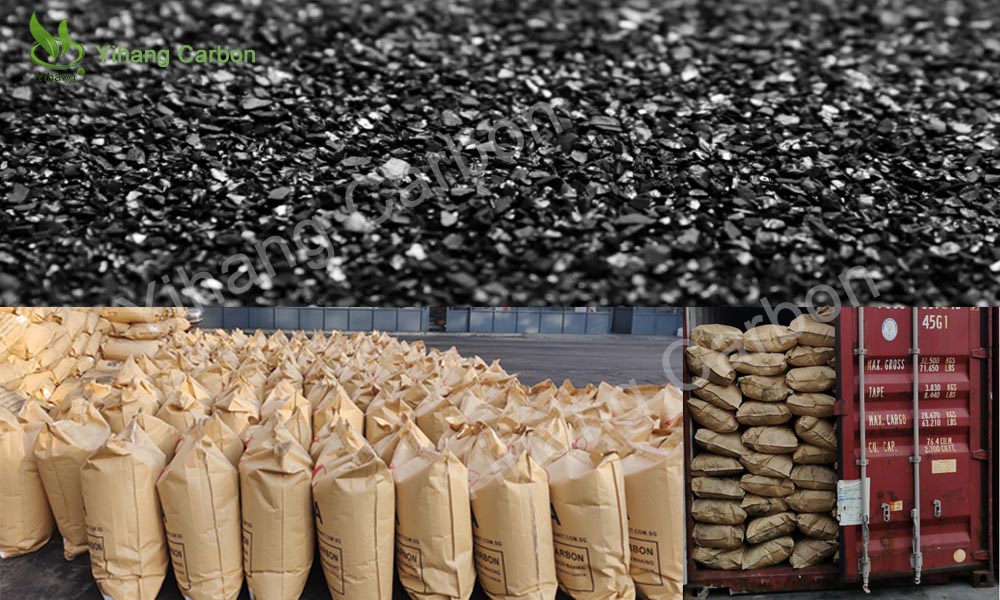
For a 56-ton, two-container order, quality cannot be left to chance. We executed a complete verification process before dispatch:
1. Full batch inspection
Every production batch passes our in-house lab before leaving the factory:
2. Certificate of Analysis (COA)
We issued a Certificate of Analysis covering the entire shipment, based on composite samples drawn from the production lots corresponding to both containers — ensuring the COA reflects the true quality of the full cargo, not a single favorable batch.
3. Third-party SGS testing
At the client's request, we sent samples to SGS for independent testing. Iodine value, ash, and other key indicators all met the client's specifications. The SGS report was submitted together with the LC document set for additional quality assurance.
4. Shipment only after confirmation
We arranged loading and shipment only after in-house testing, COA issuance, and SGS results were all confirmed compliant. Non-conforming product never leaves our factory.
30 years manufacturing. MOQ 1 ton. Free samples. Reply within 1 hours.
For a Bangladesh LC order, product quality is just the entry ticket — documentation is what determines whether you get paid. Our international trade team follows a proven LC workflow:
Step 1: Receive and review the LC MT700
Upon receipt of the LC, we immediately conduct a thorough review:
Step 2: Coordinate with bank, forwarder, and client
Step 3: Document preparation and multi-level review
We prepare the full document set per LC terms, including but not limited to:
Each document goes through three review levels: preparer self-check → supervisor review → bank pre-review — ensuring "complying presentation, consistent documents."
Step 4: Third-party supervised loading
Per LC requirements, we arranged a third-party inspection agency to supervise the entire loading process, recording and verifying:
Step 5: Timely presentation and payment tracking
After vessel departure, we present the full document set to the bank within the LC presentation period, track the bank's review progress, and ensure smooth collection without discrepancies.
表格
| Category | Document | Description |
|---|---|---|
| Core Documents | Commercial Invoice | Prepared per LC terms, with goods description, unit price, total amount |
| Core Documents | Packing List | Detailed breakdown of quantity, gross/net weight, volume per package |
| Core Documents | Bill of Lading | Ocean B/L with consignee and notify party per LC |
| Origin | Certificate of Origin | Certifying goods origin in China |
| Shipment | Shipping Advice | Sent to client and insurer promptly after vessel departure |
| Packing | Packing Certificate | Certifying packaging complies with LC requirements |
| Packing | Packing Requirements Statement | Detailed packaging method, shipping marks, etc. |
| Packing | Third-Party Loading Supervision Report | Independent inspection agency's loading supervision report |
| Packing | Detailed Packing Data Sheet | Per-container loading data: container No., seal No., bag count, weight |
| Quality | Certificate of Analysis (COA) | In-house lab batch test report |
| Quality | SGS Test Report | Third-party independent test report |
Many factories are reluctant to handle LCs — especially Bangladesh LCs — because the documentation is complex, review is strict, and discrepancy risk is high. We do it, and we do it professionally, because:
1. A dedicated international trade team
Our experienced documentation team is familiar with the bank review practices and common pitfalls of high-LC markets like Bangladesh, the Middle East, and Africa. We identify risk clauses the moment an LC arrives.
2. Closed-loop process management
From LC review → document preparation → third-party inspection coordination → loading supervision → presentation and collection, every step has a designated owner, standard procedures, and multi-level review — not one person handling everything end-to-end.
3. Long-term partnerships with banks and inspection agencies
We maintain long-term cooperation with international banking departments and third-party agencies like SGS, enabling quick coordination for pre-review, expedited certification, and on-site supervision — avoiding delays from external parties.
4. Stable, controllable product quality
LC payment presupposes compliant product quality. Our production system and QC process ensure every batch consistently meets contract specifications — no quality issues leading to rejection or document disputes.
In short: we are not afraid of strict LCs, because we get every detail right.
After receiving the cargo, the Bangladeshi client gave highly positive feedback on both product quality and our LC service:
This is the best recognition of our product quality and professional service.
Tell us your mesh size, iodine target, monthly volume, and destination port. We'll send a spec sheet, pricing, and free samples within 24 hours. LC payment supported — Bangladesh and worldwide.
A Bangladesh LC usually requires: Commercial Invoice, Packing List, Bill of Lading, Certificate of Origin, and Shipping Advice. Some LCs also add a Packing Certificate, third-party inspection certificate, loading supervision report, or insurance certificate (under CIF terms). Exact requirements depend on LC clauses — we review every clause upon receipt and advise the client accordingly.
If the bank raises discrepancies, we immediately analyze the cause: if it's a documentation error, we amend and re-present; if the LC clause itself is problematic, we contact the client to request an LC amendment; if the discrepancy cannot be corrected, we coordinate with the client to accept the discrepancy and effect payment. Our goal is zero discrepancies at presentation through multi-level review.
Typically the buyer bears the on-site supervision fee of the third-party inspection agency (e.g., SGS). We coordinate the inspection schedule, provide full on-site support, and prepare all required documents to ensure a smooth inspection. Exact cost allocation is subject to the contract and LC terms.
Compared to coal-based carbon, coconut shell activated carbon offers lower ash (typically ≤5%), higher hardness (≥95%), more developed micropores, and better adsorption selectivity — especially suitable for drinking water purification, food and beverage water treatment, and other high-purity applications. Coal-based carbon is cheaper but has higher ash and may contain trace metal impurities, making it unsuitable for high-end water treatment.
12×40 mesh is the most common grade for pressure filters and gravity filtration systems, including municipal drinking water polishing, industrial RO pretreatment, food and beverage water purification, and swimming pool recirculation. If your equipment has specific flow rate or bed depth requirements, we can recommend a more suitable mesh size.
We support T/T (Telegraphic Transfer), LC at sight, and D/P. For countries with foreign exchange controls such as Bangladesh and Ethiopia, LC is the most common settlement method, and we have extensive operational experience. Specific payment terms can be negotiated based on order value and cooperation history.
Standard grades (e.g., 12×40 mesh coconut shell water treatment carbon) are in stock and can be loaded within 7–15 days after deposit or LC receipt. Custom specifications or large orders (100+ MT) require 20–30 days depending on production scheduling.
 EN
EN