Feb 10,2025
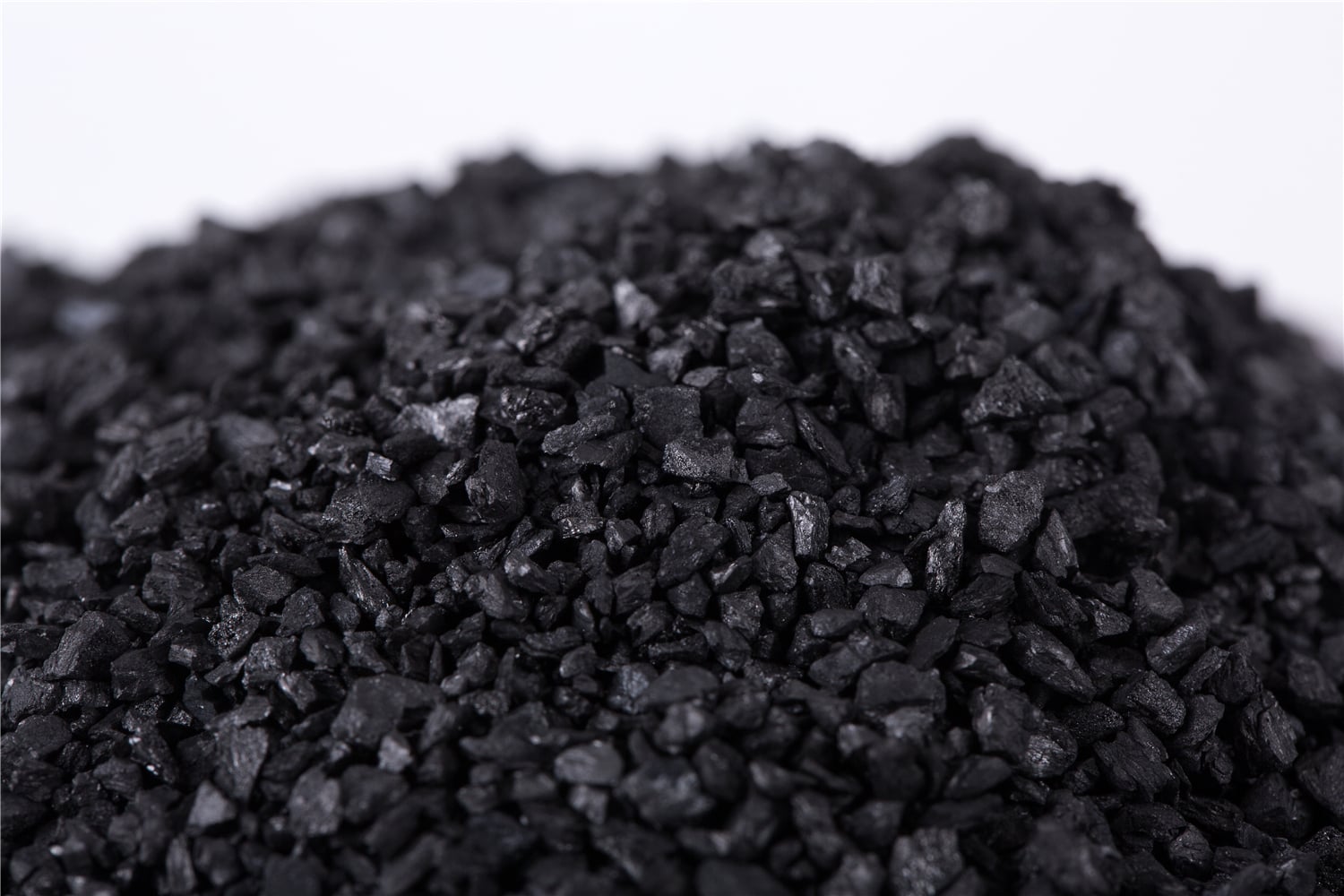
Granular Activated Carbon, or GAC for short, stands out among other types of activated carbon because of its extremely porous structure and massive surface area. These properties let it grab onto all sorts of unwanted stuff in water treatment. What makes GAC so effective at trapping impurities? Its pores work like tiny traps that catch pollutants as water passes through. That's why water treatment plants rely heavily on GAC filters. The bigger the surface area, the more stuff gets stuck to the carbon particles. This means better performance when removing harmful substances from both water supplies and industrial air systems where clean air matters.
Granular activated carbon comes mainly from stuff rich in carbon content like coal, coconut shells, and various woods. These raw materials go through intense heating and special activation treatments during manufacturing. What makes this process so environmentally friendly? Well, most of these starting materials can be replenished naturally over time since they're pretty common resources around the world. Because manufacturers use all sorts of different plant-based feedstocks, we actually see quite a range in how effective each batch of GAC turns out to be for specific applications. Some work better than others depending on what exactly needs filtering or purifying.
Granular Activated Carbon (GAC) works inside water filters by grabbing onto stuff we don't want in our drinking water using both physical sticking and chemical reactions. When water passes through these GAC filters, all sorts of bad stuff gets caught on the carbon granules including those pesky chlorine smells and weird tastes people complain about. The carbon basically acts like a magnet for impurities, which is why so many filtration systems include it. Homeowners love this because it tackles not just health risks but also makes tap water taste better overall. Most plumbers will tell anyone who asks that good quality GAC filters make a world of difference when dealing with municipal water supplies.

Granular Activated Carbon, or GAC as it's commonly called, works really well for improving water quality in all sorts of situations. Municipal water treatment plants rely heavily on GAC when they need to clean massive amounts of water at once. Think about those big filtration systems that remove chlorine taste and smell from tap water, plus get rid of stubborn organic contaminants that regular filters miss. For home users, GAC shows up in two main forms. Some people install small units right under their kitchen sink (Point-of-Use), while others go for whole house systems (Point-of-Entry) so every faucet delivers cleaner water. The industrial sector also makes good use of GAC, especially in food processing and pharmaceutical manufacturing where even tiny impurities can cause problems. Water treatment professionals often point to GAC as their go-to solution because it handles so many different contaminants across such a wide range of applications.
Granular Activated Carbon (GAC) offers real advantages for water treatment because it grabs hold of all sorts of nasty stuff floating around in our water supply. When installed as filters, GAC does wonders for making tap water actually pleasant to drink by knocking out those chemical smells from chlorine and that rotten egg stench caused by hydrogen sulfide. Most people don't realize this until they've tasted the difference. What's really impressive though is how GAC tackles these stubborn Per- and Polyfluoroalkyl Substances, or PFAS for short something environmental agencies have been sounding alarms about lately. Given all this, it's no surprise why so many municipalities and industrial facilities rely on GAC systems to keep their water clean enough to drink and good enough to enjoy.

Granular Activated Carbon, or GAC for short, stands out as one of the key ingredients in most city water treatment plants. What makes GAC so important? Well, it grabs onto all sorts of nasty stuff floating around in our tap water, which helps keep everyone safe from contamination risks. Municipal facilities typically combine GAC with methods like sand filters and chemical treatments to get cleaner water than what would come out otherwise. The way GAC works is pretty cool actually - because of those tiny pores throughout the material, it can latch onto bad chemicals including chlorine compounds and VOCs. This not only cleans up the water but also makes it taste better and smell less unpleasant. Most importantly, this process meets all the required health regulations set by local authorities. Cities across the country rely on this combination approach when dealing with massive amounts of drinking water day after day.
GAC finds widespread use across many industrial settings because it works well with different kinds of processes. Take chemical manufacturing for instance. Here, GAC helps clean up process water by taking out leftover chemicals that might mess with the final product quality. The food processing sector also relies on GAC quite a bit. It filters out stuff from the water that could change how food tastes or even make it unsafe to eat. When looking at wastewater treatment plants, GAC plays a really important part in what they call tertiary treatment stages. During this phase, it grabs hold of remaining organic material and certain disease-causing organisms, making sure the water meets standards before being let back into nature or reused somewhere else. All these specific applications show just how good GAC actually is at solving real world problems in industrial water treatment situations.
Looking at Granular Activated Carbon (GAC) versus Reverse Osmosis (RO) for water treatment shows some pretty big differences in what they actually do. GAC has all that surface area which helps grab onto lots of different stuff in the water. Works really well against organic chemicals and those pesky trace pollutants we find in tap water these days. On the other side of things, RO systems work by pushing water under pressure through special membranes. These membranes catch tiny particles like dissolved salts and heavy metals that would otherwise slip right through. The downside? This method strips out not just bad stuff but also important minerals our bodies need. That's why many RO systems add minerals back into the water after purification.
Looking at what works best financially shows clear differences between these approaches. Granular Activated Carbon (GAC) tends to save money in operation because the carbon just needs occasional cleaning and reuse, making it cheaper in the long run for many facilities. Reverse Osmosis (RO) systems tell a different story though. They come with big upfront costs since they need lots of energy to run and regular maintenance too. The system has to handle all that concentrated waste water and keep those delicate membranes working properly. What really stands out about GAC is how long it lasts and can be used again and again, especially when dealing with simpler water treatment needs. That's why so many operations stick with GAC when money matters most and they want something that will last years instead of months.
Granular activated carbon, or GAC for short, works really well in treating water at city facilities, especially when it comes to getting rid of tricky stuff like those pesky PFAS chemicals. Take one water plant in particular that had serious PFAS issues in their supply. They decided to go with GAC filtration and saw some pretty amazing improvements after implementing it. PFAS levels dropped dramatically, which meant they were finally able to comply with all those strict regulations about safe drinking water. Beyond just meeting requirements, this approach actually made the water better overall. People started trusting the tap water again, which is huge for any community dealing with contamination problems. The long term gains from using GAC extend beyond immediate results too.
A real world example of GAC success happened at a manufacturing plant dealing with wastewater issues. When they started using granular activated carbon in their treatment process, they suddenly found themselves way ahead of both state and federal discharge standards. What made all the difference? GAC proved extremely effective at pulling out heavy metals and organic contaminants that had been causing problems for years. The facility manager mentioned that their monthly testing results showed consistently lower pollutant levels than required. Beyond just checking boxes on regulatory forms, this approach actually helped position the company as an industry leader in sustainability practices. For businesses facing similar challenges, this case shows that investing in GAC isn't just about meeting minimum requirements but making smart long term choices for both wallet and environment.

Activated carbon made from coal works really well for cleaning water and has become a go to option across many different industries. The stuff is pretty good at pulling out all sorts of nasties from water supplies, which helps maintain clean and safe water quality. What makes this material stand out is the granular form of activated charcoal that comes with high iodine numbers and solid structural integrity. These properties explain why so many treatment plants rely on it for everything from tap water purification to handling industrial waste streams.

This product finds its way into all sorts of water purification work, from cleaning up air quality issues to recovering solvents and treating wastewater. The efficiency numbers speak for themselves most of the time, often going beyond what the industry typically expects. What makes it stand out? Well, the carbon component grabs hold of those pesky volatile organic compounds (VOCs) really well. And don't worry about quality concerns either since it comes with proper ISO certification after thorough checks. Plus, companies have found they can save money without cutting corners on performance when using this solution. That combination of cost savings and reliable results explains why so many turn to it whenever faced with tough water purification problems.
 EN
EN