Feb 15,2025
Coconut shell activated carbon stands out as one of those really sustainable materials because it comes from something that grows back coconut trees. Farmers grow these trees all over the tropics, especially places like Southeast Asia and parts of Africa. They produce pretty decent yields too, so there's always plenty of shells coming through the system. The fact that coconut shells keep showing up means manufacturers can count on a regular supply without running into shortages. Plus, when looking at the big picture, this makes the whole process of making activated carbon from coconut shells much greener than other options. A report from the International Coconut Community points out that most coconut farming practices actually do a good job of keeping environmental damage low while still getting enough product out of the ground.
Coconut shells, which are basically trash from the coconut industry, actually help cut down on waste and support circular economy principles, something really important for our planet's future. When manufacturers turn these discarded shells into activated carbon, they're making a greener choice that makes sense economically too. The whole process means less stuff going to landfills and more creative use of what nature already provides. For instance, companies in Southeast Asia have started turning millions of coconut shells into carbon filters for water purification systems. This kind of resourcefulness creates jobs locally while keeping harmful materials out of ecosystems, proving sustainability can work hand in hand with business growth.
Coconut shell activated carbon actually has a much smaller carbon footprint compared to versions made from coal. Making this type of carbon takes less energy overall and produces far fewer greenhouse gases during production. This makes a big difference right now when cutting down on carbon emissions matters so much for fighting climate change. What's great about coconut shell carbon goes beyond just the product itself. Many manufacturers follow sustainable practices throughout their operations, which means this material plays a genuine part in creating a greener future for our planet.

The reason coconut shell activated carbon works so well is because of all those tiny holes inside it. These pores let the material grab onto pollutants really effectively. People actually use this stuff for lots of environmental cleanup tasks around the world. Research shows that when compared to regular activated charcoal, coconut shell version often comes out on top when we talk about how good it is at grabbing stuff from water or air. What makes it special? Those microscopic pores act like little traps for impurities, which means cleaner results whether someone needs to purify drinking water or filter industrial waste products.
Coconut shell based activated carbon works really well for cleaning both water and air. We see it all over the place in city water treatment plants and industrial air filters, grabbing hold of stuff we don't want floating around. People who live near these facilities often notice better tasting tap water and fewer respiratory issues during pollen season. While not a magic solution, this type of carbon does a solid job removing nasty chemicals from drinking water sources and cutting down on factory emissions. Many environmental groups actually recommend it as part of their standard cleanup protocols because it handles so many different types of pollutants at once.
Coconut shell activated carbon works wonders in all sorts of places, both big factories and small homes alike. We find it in everything from massive industrial filters that clean chemical waste to those little air purifiers people keep on their kitchen counters. Industries love this stuff because it helps them meet environmental standards without breaking the bank. The same material that cleans factory emissions can also remove chlorine from tap water at home. What makes coconut shell carbon so special? Well, it adapts to different situations pretty well. Water treatment plants use it to filter out contaminants, while homeowners rely on it to improve indoor air quality. This kind of flexibility explains why manufacturers continue choosing coconut shell over other options despite higher costs sometimes.

When it comes to green alternatives, coconut shell activated carbon beats out coal-based versions hands down. Coal is basically running out, but coconut shells come from palm trees that keep growing back year after year, making them much easier on the planet. What really sets coconut shell carbon apart though is how good it is at grabbing stuff out of the air and water. The material has this massive surface area that just soaks up impurities better than most other options. Research into different types shows these tiny pores work wonders for filtering things out, especially when looking at how they stack up against wood based products. Some tests even suggest coconut shell carbon might be able to catch certain contaminants that others miss completely.
What makes coconut shell activated carbon stand out is its special pore structure, which really boosts how well it filters stuff out of water. Studies in environmental science show that when compared to other types of activated carbon, coconut shells just work better because they have this amazing network of tiny holes throughout them. Because of this, many industries actually prefer using coconut shell carbon when dealing with environmental challenges. The material grabs onto small particles and all sorts of contaminants pretty effectively, which explains why it's becoming so popular across different fields where clean water matters most.

Coconut shell based activated carbon is really important across many industries, especially when it comes to cleaning water and purifying gases. What makes it so valuable is how well it removes all sorts of impurities from different substances. This capability lets companies meet those tough environmental rules while keeping their operations safe. Take the chemical manufacturing sector for instance they absolutely depend on these carbon filters to clean up waste products properly. Same goes for pharmaceutical companies who need to treat their waste streams before letting anything out into nature. Without proper treatment, there would be serious risks to people's health and damage to local ecosystems over time.

Coconut shell activated carbon plays a big part in both health and environmental contexts across homes and businesses alike. What makes this material so sought after? Well, it has these amazing detox properties that work wonders in air and water filtration systems. When installed properly, the carbon grabs onto all sorts of bad stuff like dust particles, volatile organic compounds, and even certain heavy metals in tap water. Homeowners install it in their air purifiers because they want cleaner breathing space, while restaurants and offices rely on it for their water filtration needs. The result? People end up with better quality air to breathe and safer drinking water without having to spend a fortune on bottled alternatives.
The mining sector relies heavily on coconut shell activated carbon during gold recovery operations. What makes this material stand out is how well it grabs onto certain metals through its special surface properties. Compared to older techniques for extracting minerals from ore, many mines have found coconut shell carbon works just as good without all the harsh chemicals. For companies trying to cut down on pollution but still need to keep profits steady, switching to this type of carbon makes sense both environmentally and financially. Mines across South America and Africa are already seeing real benefits from making the switch, proving that sometimes nature provides solutions better than anything invented in a lab.

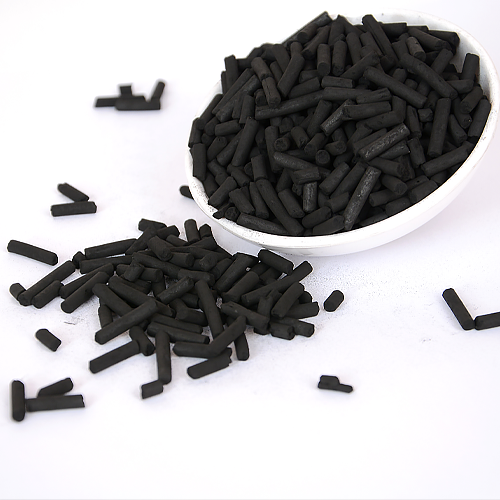
Wood based columnar activated carbon works pretty much the same way as coconut shell versions when it comes to tackling different filtration jobs. Made primarily from wood sawdust mixed with coconut shells, these products make good use of what nature provides, which is why they remain popular among manufacturers looking for something both green and efficient. How do they actually work? The manufacturing process starts with breaking down raw materials, mixing them together, then subjecting everything to activation treatments that create all those tiny pores we need for proper adsorption. This gives the final product that extra bit of surface area required to grab onto contaminants effectively during water treatment applications.
When looking at what makes activated carbon work so well, it actually performs pretty much like the coconut shell versions many people know about. What really matters is how much surface area there is combined with strong adsorption properties that pull impurities right out of both air and water systems. Industrial users find this material particularly valuable because it doesn't break down easily over time. Plus, most types can be cleaned and reused multiple times, which means factories don't have to replace filters as often as they would with other materials. This kind of longevity translates into real cost savings across manufacturing operations where consistent performance matters most.
The versatility of wood-based columnar activated carbon spans across municipal water treatment and industrial applications such as solvent recovery and exhaust gas purification. Its ability to trap volatile organic compounds effectively positions it as a reliable option in various environmental management solutions.
The environmental impact of using wood-based activated carbon is significant, with its sustainable sourcing minimizing waste and its regeneration capability supporting green practices. By providing a renewable option, it upholds eco-friendly methodologies in vital sectors.
 EN
EN