
Feb 05,2025
Activated carbon comes from stuff like coconut shells, wood, or even coal, and what makes it special is how much surface area it has plus its ability to grab onto all sorts of stuff. Because of this, food manufacturers rely on it heavily across different purification steps. When processing foods, activated carbon takes care of getting rid of unwanted tastes, smells, and bad chemicals, which really helps keep food safe to eat and tasting good. Its knack for doing this matters a lot when companies need to remove color or eliminate unpleasant odors during production, making products look better on store shelves and last longer before going bad. Food producers know that activated carbon isn't simply something they throw into the mix but rather a key element behind maintaining those quality standards customers expect from their favorite foods.

Activated carbon is really important in food and drink manufacturing, especially when it comes to removing color and bad smells from products. The stuff works wonders because it can grab onto all sorts of impurities through its amazing surface area. It sucks up pigments and those pesky volatile compounds that cause off-coloring and unpleasant odors across many different foods. Take sugar solutions, wines, and gelatin as common examples where this treatment happens regularly. These industries need their products to look clean and taste right after processing. Beyond just making things look better and smell nicer, using activated carbon helps manufacturers meet quality control requirements too. Most companies would struggle to keep consistent batches without some form of carbon filtration during production runs.
Activated carbon plays a big part in getting rid of stuff like pesticides, heavy metals, and other organic污染物 from our food. What happens here is called adsorption where the carbon grabs onto these bad guys and holds them tight. This means our food stays safe and meets those tough health rules that governments set. We find activated carbon all over the food industry actually. It treats things before they even become food items and helps clean up final products too. The result? Food that's been properly cleaned passes safety tests with flying colors and people feel better knowing what they eat isn't contaminated.

In food and beverage manufacturing, activated carbon plays a big role in improving both water quality and ingredient purity. What makes this material so effective is its ability to grab onto and trap all sorts of impurities and undesirable stuff from liquids passing through it. This means products coming off the line tend to be cleaner and better tasting overall. For companies making drinks or processed foods, using activated carbon isn't just nice to have but actually essential for meeting those strict taste profiles consumers expect plus keeping things safe enough to eat or drink without worry.
Activated carbon is essential stuff in wastewater treatment plants across the country because it grabs all sorts of nasty pollutants and dangerous chemicals before they hit our waterways. What makes activated carbon so effective? Well, its massive surface area combined with tiny pores lets it soak up both organic matter and various metals that would otherwise slip through standard filtration systems. This helps facilities meet those tough EPA requirements while keeping local ecosystems healthy. For manufacturers concerned about their green credentials, using activated carbon isn't just good for compliance either. Many plant managers actually see it as part of their core values now, especially after recent changes in federal guidelines made stricter standards mandatory for industrial discharges. Companies investing in proper carbon filtration aren't just following rules anymore they're building long term trust with communities downstream from their operations.

Activated carbon does a lot for food safety, basically acting like a filter that pulls out all sorts of bad stuff from our food products. It gets rid of things we definitely don't want in what we eat pesticide residues, traces of heavy metals like lead or mercury, and those stubborn organic impurities that slip through other filtration methods. Food companies rely on this process because when people see their products go through such thorough cleaning, they tend to trust the brand more. After all, nobody wants to buy something that might make them sick, right? So while most consumers never think about activated carbon, its presence behind the scenes makes a big difference in how safe and trustworthy our food supply actually feels.
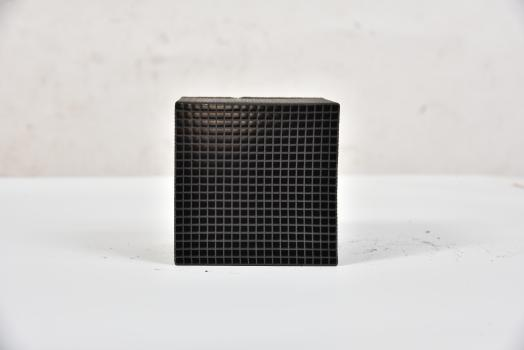
Activated carbon offers another real advantage when it comes to keeping food fresh longer on store shelves. What makes this possible? Well, it works against spoilage from those pesky microbes and bad smells that tend to develop over time. Food stays fresher and better tasting for longer periods, which means less gets thrown away and companies save money too. The economics work out pretty well here while also helping cut down on wasted food overall. For best results many manufacturers actually prefer cubic shaped activated carbon because it seems to do an even better job at preserving food quality across different types of products in the market today.
High quality cubic activated carbon stands out because of how well it grabs onto stuff and holds together even under tough conditions, which makes it great for all sorts of hard-to-handle situations, especially when working with food products. With such a large surface area, these materials can really get rid of unwanted substances and clean things up thoroughly where strict filtering standards are needed. What makes them work so well is their unique honeycomb shape that increases the amount of contact between the material and whatever needs cleaning. This feature becomes super important during processes where getting rid of bad stuff quickly matters most, like removing toxins from water or other liquids before they go into production.
Activated carbon has become really important for keeping food safe and pure in the food industry. When added to processing systems, it grabs onto all sorts of unwanted stuff like bad colors and strange flavors that might end up in drinks such as fruit juices and syrup mixtures. Food companies rely heavily on this decolorizing effect because consumers expect their products to look good and taste right. Production facilities need consistent results day after day, which is why many operations stick with activated carbon filtration methods. Using this material helps manufacturers produce food items that are not only safer but also look better on store shelves, something that builds customer confidence over time.
 EN
EN