Sep 18,2025
 What is decolorization with activated carbon?
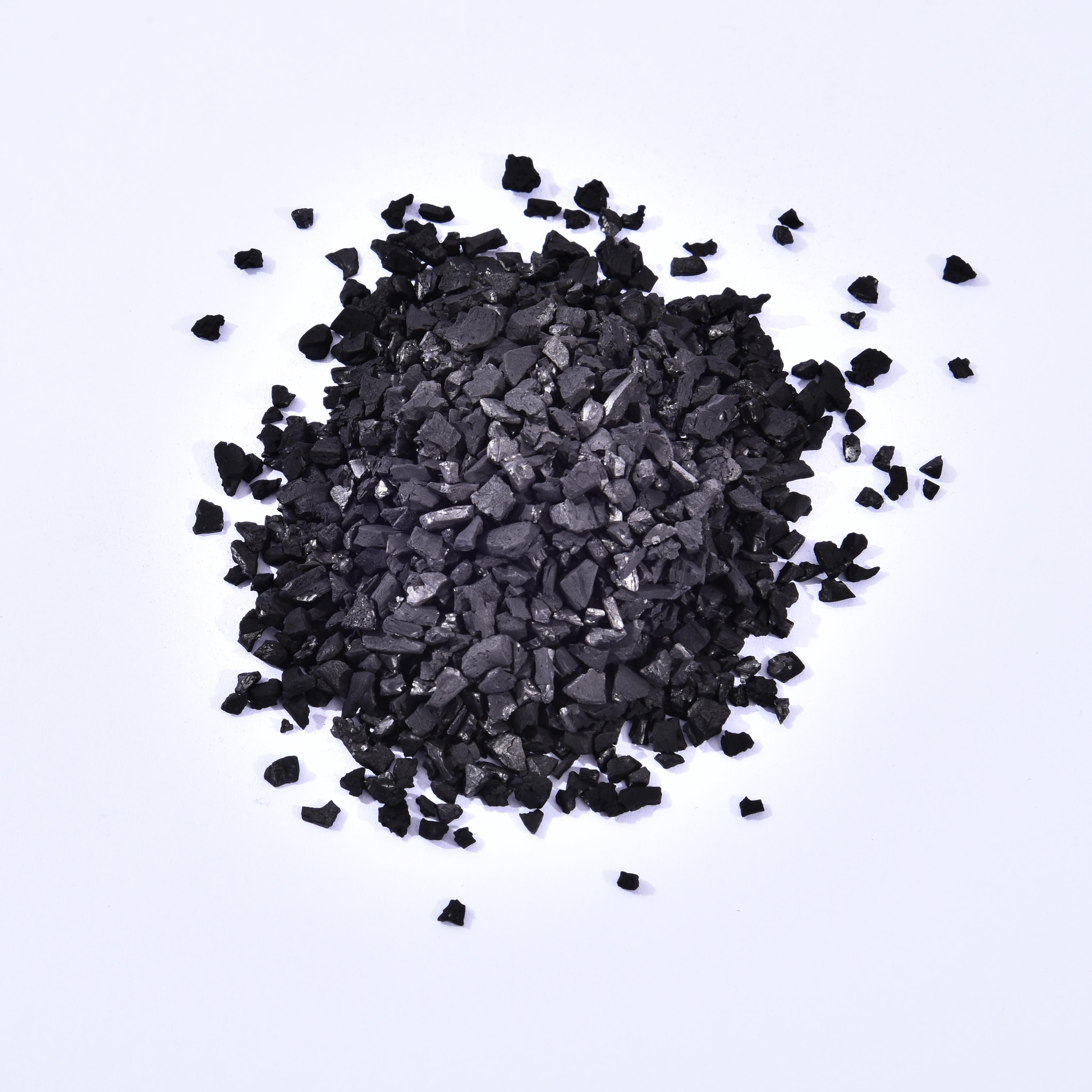
Activated carbon works wonders when it comes to removing those pesky colors and impurities from our food stuffs, all thanks to something called physical adsorption. What makes this material so effective? Well, take a look at its structure: packed full of tiny pores measuring just 1 to 2 nanometers across. These microscopic spaces act like little traps for color molecules found in things we eat daily. Think about how anthocyanins give berries their vibrant hues but can be problematic in juice production, or how caramel compounds develop during sugar processing. The beauty here is that activated carbon doesn't use any chemicals in the process, which means our foods retain most of their nutrients. Studies published back in 2019 showed impressive results too, with some tests reaching nearly complete color removal when everything was set right for maximum efficiency.
With a surface area of 500–1,500 m²/g, activated carbon also eliminates off-flavors, odors, and contaminants beyond just color. Key applications include:
Recent studies show that properly selected activated carbon maintains flavor profiles more effectively than synthetic resins in 78% of beverage processing cases, making it a preferred choice for high-quality product refinement.
Activated carbon's effectiveness at removing certain pollutants while keeping important nutrients intact depends largely on two factors: the iodine value which typically ranges from around 900 to 1,100 mg per gram, and the molasses number usually somewhere between 150 and 250. When we talk about high selectivity grades, these can take out approximately 98.7 percent of those nasty 3-MCPD esters that show up in refined oils and might actually be cancer causing agents according to recent studies. What makes this really valuable is that they do all this without stripping away vitamin E, something the FDA emphasized in their 2023 update regarding how much fat soluble vitamins should stay in food products after processing. The level of detail at the molecular level means there's less need for excessive processing steps too. Plus, manufacturers will find that leftover carbon particles stay well under the 0.5 parts per million threshold, which helps keep everything safe for consumers in the end.
The best results for removing color happen when pH is somewhere around 4.5 to 6.5. At these levels, the pigment molecules actually change their charge state and stick better to surfaces during processing. When it comes to temperature, going over 50 degrees Celsius definitely speeds things up because molecules move faster. But there's a catch - some sensitive parts can break down at higher temps. That's why most plants keep operations between 35 and 45 degrees Celsius. Finding this sweet spot keeps everything working properly without wasting resources. Recent research published in Food Chemistry showed something interesting too. They found that letting the process run longer, about 90 minutes instead of just half an hour, made a big difference. The study reported nearly 40% better pigment removal in syrup with lots of sugar content. This shows how important it is to give enough time for proper contact in batch processing systems.
PAC comes in powder form with particles around 0.1 to 0.2 mm in size. These tiny particles work much quicker when it comes to grabbing onto stuff they need to remove from solutions. They're especially good at picking out those little color molecules floating around in thick substances such as cooking oils. On the other hand, granular activated carbon has bigger grains measuring between 0.5 and 2.5 mm. The sugar refining industry tends to go for this type because it doesn't create so much resistance when passing through filters during ongoing production processes. This means factories can run their systems smoothly on a larger scale without constantly dealing with clogged equipment or reduced efficiency problems down the line.
Many modern processing plants use upward flow adsorption columns together with membrane filters to get rid of almost all pigments, sometimes reaching as high as 99.9%. The cross flow setup stops carbon particles from getting into the finished product, which is really important for meeting those strict FDA requirements when making drinks. Looking at data across about 320 different facilities shows something interesting too. When they automate the backwash cycle every 8 to 12 hours, these systems maintain around 93% of their original ability to absorb stuff. That kind of performance makes the whole process much more dependable over time, especially during long production runs.
Advanced refineries use real-time UV-Vis spectrophotometry to adjust carbon dosing with ±2% accuracy, maintaining consistent color quality. According to a 2024 industry benchmark, facilities using automated regeneration systems reduced annual carbon consumption by 18 metric tons–saving approximately $740,000–while keeping sugar color stability below 5 ICUMSA units in 98% of batches.
Activated carbon plays a key role in the various stages of sugar refining where manufacturers need to hit those tough ICUMSA color standards. When we talk about thermally reactivated carbons that have been specially designed with mesopores measuring between 20 and 50 angstroms, these materials work really well at grabbing onto melanoidins and phenolic compounds while still keeping the sucrose yield intact. Looking at edible oils now, coconut shell based activated carbon makes quite an impact during palm oil bleaching processes. It manages to remove around 95% of carotenoids, which beats the old clay methods hands down. Traditional approaches would typically lose about 35% of the oil, but with this newer method, losses drop below 8%, according to research published by Chew and Nyam back in 2020.
Countercurrent adsorption systems operating at 70–80°C enable modern refineries to achieve liquid sugar color indices below 10 IU. The elevated temperature increases polyphenol adsorption capacity by 40%, which is crucial for minimizing Maillard reaction byproducts in high-fructose syrups and ensuring product clarity and shelf stability.
Modern oil decolorization follows four key stages:
| Processing Stage | Activated Carbon Function | Industry Benchmark |
|---|---|---|
| Degumming | Phospholipid adsorption | <10 ppm phosphorus |
| Neutralization | Soap removal | <0.005% FFA |
| Bleaching | β-carotene elimination | <0.5 mg/kg pigments |
| Deodorization | Aldehyde/ketone capture | <0.1 PV peroxide |
This integrated approach reduces hexane residues in soybean oil to below 1 ppm, meeting FDA 21 CFR 173.275 requirements for food-grade solvents.
Juice processors apply pH-controlled treatments (3.8–4.2) to eliminate mycotoxins like patulin without compromising volatile aroma compounds. Trials have shown acid-washed activated carbon removes 99.6% of aflatoxins in apple juice while retaining 92% of native terpenes, preserving the sensory profile critical for consumer acceptance.
Any plant that works with activated carbon in food production needs to stick to FDA and EFSA rules. The regulatory bodies set pretty tight restrictions when it comes to heavy metals in the final product - no more than 0.1 parts per million allowed. Plus they want independent verification that the carbon actually does what it's supposed to do regarding adsorption. Look at facilities that have implemented both HACCP and ISO 22000 standards. A recent 2023 report from the Global Food Safety Initiative found these plants saw around 62% fewer recalls linked to contamination issues. Makes sense really. When companies take a methodical approach to managing risks, everyone wins including consumers who get safer products.
Food additive purification through activated carbon works wonders for products like citric acid and vitamin C, effectively stripping away unwanted pigments, harmful mycotoxins, and leftover solvents. When it comes to powdered variants, these can eliminate nearly all (around 99.8%) of the problematic 4-methylimidazole substance that comes from caramel coloring production, especially within the pH range of 6 to 7.5. This level of cleanup meets those strict Codex Alimentarius standards for purity that many food companies need to follow. For manufacturers working with this stuff day in and day out, keeping detailed records on how each batch performs with different materials is absolutely essential. These adsorption profile documents become critical evidence when regulators come knocking during their routine inspections.
While activated carbon delivers 85–97% decolorization efficacy in sugar syrups (Journal of Food Engineering, 2022), improper reactivation can reintroduce polycyclic aromatic hydrocarbons (PAHs) at levels between 0.05–1.2 μg/kg. To mitigate this risk, quarterly testing per FDA 21 CFR §173.345 is recommended, ensuring that high performance does not compromise safety.
More companies in the food sector are starting to embrace circular approaches when it comes to using activated carbon. When they optimize how they reactivate this material, many sugar refineries see their need for new carbon drop anywhere between 35 to almost half, which obviously cuts down expenses while being better for the planet. A lot of top players these days get their coconut shell based carbon from places that have proper certification for sustainable farming practices. These sources actually make up around two thirds of all food grade carbon produced worldwide according to numbers released by the Global Carbon Council back in 2024.
Proper handling of spent activated carbon means following environmental regulations closely. About 60 percent of big plants have switched to closed loop thermal regeneration methods according to recent EPA guidelines, but many small businesses continue using stabilized landfills because they're cheaper upfront. New tech is changing things though. Some systems can pull out around 95% of heavy metals from old carbon that was used in oil refining processes. What used to be considered waste material is now finding new life as raw material for other industries, particularly in chemical manufacturing where these recovered metals serve as important components.
Using thermal and chemical methods for regeneration brings back about 70 to 80 percent of what food grade carbon can absorb. Recent research from NSF International in 2024 showed that this reactivated carbon is safe enough for clarifying drinks too. After going through three cycles of reuse, contaminants stay under 0.2 parts per million which is well within acceptable limits. Companies save around four dollars twenty cents every year on replacement costs per kilogram when they do this instead of buying new stuff. The performance actually matches fresh carbon materials so many manufacturers are starting to switch over as part of their sustainability efforts these days.
 EN
EN