Sep 18,2025
More than half of people around the world live in urban areas these days, which creates about 380 billion cubic meters of city wastewater every year according to the latest UN report from 2023. As cities grow so fast, old infrastructure can't keep up. Take a look at big cities with over three million residents - roughly sixty percent simply don't have enough facilities to handle all that waste properly. When raw sewage gets dumped into rivers and streams, it brings along nasty stuff like disease-causing organisms, tiny plastic particles, and leftover medicines from our medicine cabinets. These pollutants find their way into groundwater supplies, and we're talking about nearly one quarter of all drinking water sources being affected this way.
Around the world, about 80 percent of wastewater flows back into our water systems without proper cleaning first, which dumps roughly 580 tons worth of nitrogen pollution into rivers and lakes every year. What happens next? Well, this stuff ends up creating those dreaded dead zones across more than 700 coastal areas where nothing seems to live anymore because all the oxygen gets sucked out. The real problem comes from these new kinds of chemicals we're finding everywhere now like nonylphenol compounds and carbamazepine medications that slip right past regular water treatment plants. They stick around in fish and other sea creatures building up over time until they reach dangerous levels sometimes as high as 1.2 milligrams per liter according to research published by Ponemon in their 2022 report.
Modern sewage waste water treatment systems now prioritize dual objectives: safeguarding public health through pathogen removal (<1 CFU/100mL E. coli targets) and recovering resources like phosphorus (up to 90% recapture rates) for agricultural reuse.
Aerobic activated sludge systems remain the backbone of modern sewage treatment, using oxygen-dependent bacteria to degrade 85–90% of organic pollutants in aerated tanks. Municipal plants typically achieve biochemical oxygen demand (BOD) reductions exceeding 95% through optimized microbial consortia and precise dissolved oxygen control.
Vermifiltration techniques augment microbial digestion with Eisenia fetida earthworms, accelerating cellulose decomposition by 40% compared to conventional methods. This hybrid approach reduces sludge volumes by 30–35% while eliminating odors—a key benefit for decentralized systems.
Closed anaerobic digesters convert wastewater’s chemical energy into biogas, with recent studies demonstrating 0.35–0.45 m³ biogas yield per kg of COD removed. Co-digestion with food waste boosts methane content to 65–70%, transforming treatment plants into net energy producers.
Pilot projects using Chlorella vulgaris microalgae achieve 89% nitrogen and 76% phosphorus recovery through algae-wastewater symbiosis. Combined duckweed ponds and constructed wetlands remove residual heavy metals at 60–80% efficiency, enabling safe water reuse in agricultural irrigation.
Once the biological treatment stage is complete, the process moves on to coagulation where chemicals like alum or ferric chloride get added to break down those stubborn suspended particles in the water. What happens next is called flocculation - basically just slow stirring that helps these tiny particles clump together into bigger flocs which eventually sink to the bottom during sedimentation. Most modern treatment plants can knock turbidity levels down by around 80 to 90 percent within an hour's time. When operators fine tune their chemical doses properly, they often see better results too. Solid removal rates jump up about 35 to 40 percent, and there's also less sludge produced overall, which makes waste management easier for plant staff.
Sand filters and membrane systems (microfiltration/nanofiltration) capture particles down to 0.1 microns, removing 95% of microplastics and pathogens. Advanced oxidation processes (AOPs) like ozone/UV or Fenton’s reaction degrade pharmaceuticals and pesticides through hydroxyl radical generation, achieving >99% breakdown of persistent organic compounds.
Final disinfection eliminates residual pathogens via:
| Method | Contact Time | Residual Effect | Byproduct Risk |
|---|---|---|---|
| Chlorine | 30–60 min | High | THMs |
| UV | 10–20 sec | None | None |
| Chloramines | 90–120 min | Moderate | NDMA |
Recent analyses show UV systems reducing fecal coliforms to <10 CFU/100ml in 98% of municipal plants while avoiding disinfection byproducts (DBPs).
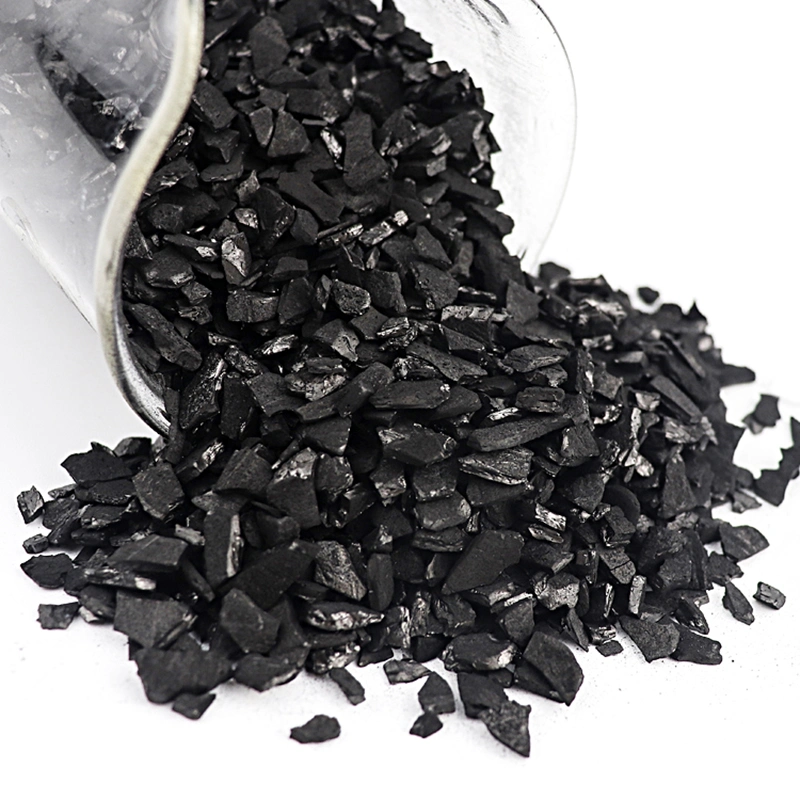
Activated carbon adsorption and ozonation target endocrine-disrupting compounds (EDCs) and pharmaceuticals (PPCPs) escaping secondary treatment. Granular activated carbon (GAC) filters remove 60–80% of estrogenic compounds, while ozone doses of 3–5 mg/L degrade 90% of antibiotics like sulfamethoxazole.
Most modern wastewater treatment facilities manage to convert around 95% of their sludge into stable biosolids using methods like anaerobic digestion combined with thermal drying processes. Research published in 2025 looked at how hydrothermal carbonization systems work, and what they found was pretty impressive actually. These systems cut down on disposal expenses by roughly two thirds while creating something called hydrochar that farmers can use in their fields. The return on investment happens pretty quickly too, usually within just three years or so. What makes this approach particularly valuable is that it gets rid of harmful pathogens and those pesky volatile organic compounds. That means the end product meets all the requirements set forth by the EPA for Class A biosolids, which is important for any facility looking to stay compliant with environmental regulations.
Modern tech can pull out around 80 to 90 percent of phosphorus and nitrogen from waste sludge, which is then used to make fertilizers. This helps tackle the problem of scarce minerals worldwide. Treatment facilities get about a third to half their power needs from methane produced in those big digesters, and sometimes even send extra electricity back into the grid. Some newer pyrolysis systems are starting to turn sludge lipids into biodiesel at rates between roughly 120 and maybe 150 liters for every ton processed. These innovations significantly reduce how much we depend on traditional fossil fuels for energy.
The latest IoT enabled bioleaching tech is making waves in metal recovery, pulling out copper, zinc and those tricky rare earth elements about 40% faster than old school methods. Cities getting serious about circular economy principles are finding ways to put nearly all their treated water back into circulation. Around 98% gets reused for things like watering parks or keeping industrial equipment cool. And don't forget the cellulose they pull from wastewater sludge which is actually becoming pretty valuable in the growing market for biodegradable packaging materials. From what we can see, these approaches check off several boxes on the EU's Circular Economy Action Plan. The carbon footprint over the entire life cycle comes in around 18 to maybe 22 percent lower compared to just tossing everything away after one use.
Getting good results from sewage wastewater treatment starts by looking at what chemicals are present and how much pollution there actually is. When dealing with industrial waste that has heavy metals or leftover medicines, special treatments like advanced oxidation or ion exchange work best. For regular city sewage full of organic stuff, biological approaches tend to be better choices. The activated sludge process remains popular for this kind of material. According to recent findings from the Water Reuse Report published last year, customized treatment systems that target particular pollutants can boost efficiency around 30% compared to one-size-fits-all approaches. This makes sense because different types of waste require different handling methods to get the job done properly.
Wastewater treatment plants need to follow specific limits on things like BOD levels, nitrogen content, and pathogen counts as outlined by regulatory bodies such as the EPA and World Health Organization. Take UV disinfection for instance it works well against microbes when water needs to be reused for irrigation purposes. On the other hand, membrane bioreactor systems help facilities meet those tough requirements for discharging treated water into city sewers or waterways. Many larger treatment centers handling waste from communities over 10 thousand people are now installing real time monitoring equipment just to stay on top of their permits and regulations according to recent guidance from health authorities in 2023.
The latest developments in AI for process optimization and nutrient recovery are changing the game when it comes to treating sewage wastewater. More than 40 percent of newer treatment plants these days actually capture biogas through anaerobic digestion processes. Meanwhile, those fancy direct potable reuse projects that rely on reverse osmosis plus UV and advanced oxidation treatments have seen their numbers jump nearly double compared to what we saw back in 2022. Some interesting hybrid approaches are popping up too, where they combine traditional algal ponds with smart automated sludge management systems. These setups really showcase how applying circular economy concepts can cut down on operating expenses quite substantially, somewhere around 18 to 22 percent each year according to recent industry reports.
 EN
EN