Activated Carbon Applications in Biogas Purification As a leading activated carbon manufacturer with 30 years of expertise, Yihang Carbon provides high-performance activated carbon solutions tailored to meet diverse treatment requirements in biogas p...
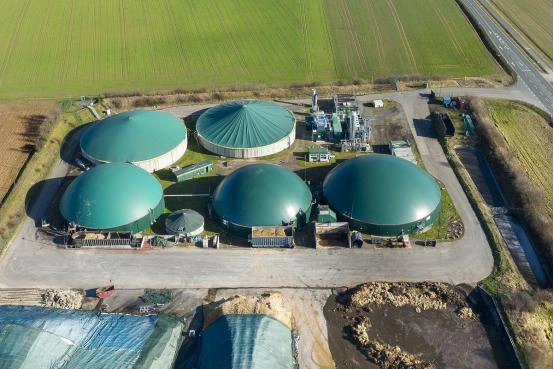
As a leading activated carbon manufacturer with 30 years of expertise, Yihang Carbon provides high-performance activated carbon solutions tailored to meet diverse treatment requirements in biogas purification.
Biogas, a clean and renewable energy source generated through the anaerobic fermentation of organic matter, primarily comprises methane (CH₄), carbon dioxide (CO₂), hydrogen sulfide (H₂S), volatile organic compounds (VOCs), and other trace impurities. Systematic gas purification and separation are essential to ensure safe, efficient, and environmentally friendly utilization of biogas.
|
Hydrogen Sulfide Removal |
Siloxane Removal |
|
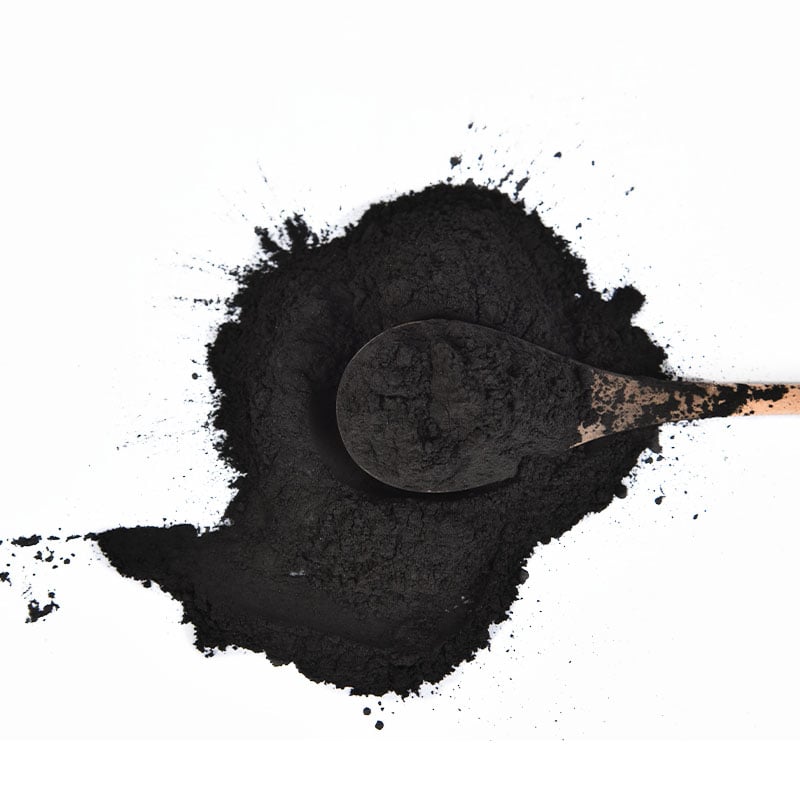
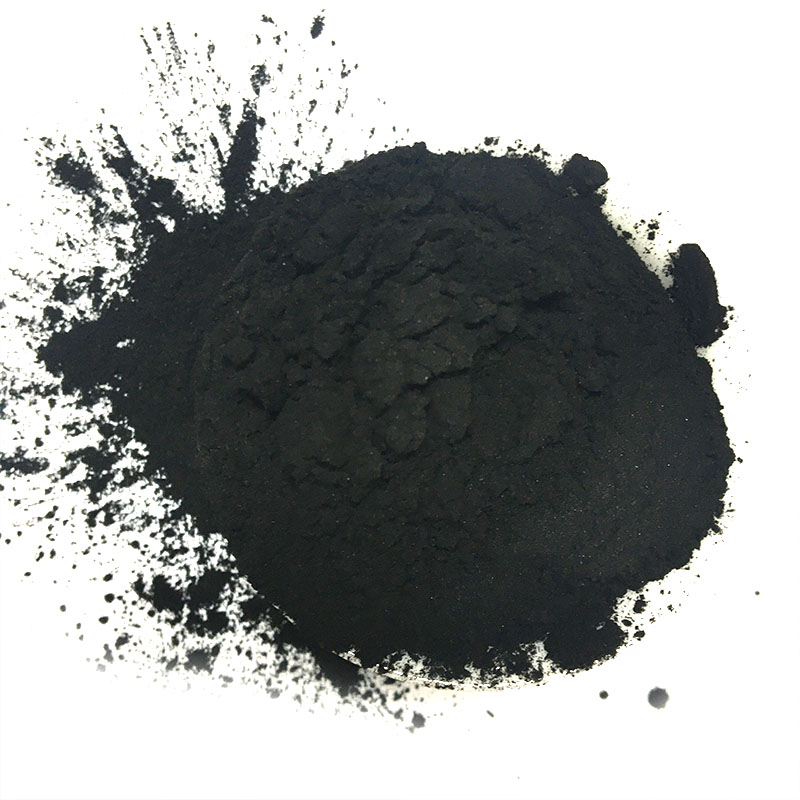
Hydrogen sulfide is a major corrosive and toxic component in biogas, posing serious threats to downstream equipment and operational safety. Deep removal is essential to prevent pipeline corrosion, equipment damage and ensure compliance with emission standards.Core Principles- Catalytic oxidation via specially impregnated activated carbon- Convert H₂S into stable elemental sulfur for safe disposal- Achieve high removal efficiency with customized chemical impregnationRecommended Products- KI-impregnated activated carbon- CuO-impregnated activated carbon- KOH-impregnated activated carbon |
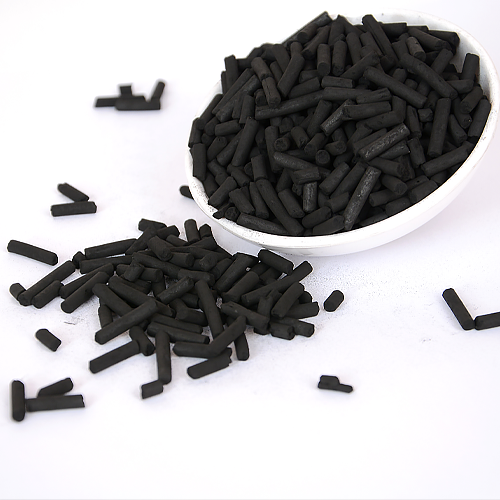
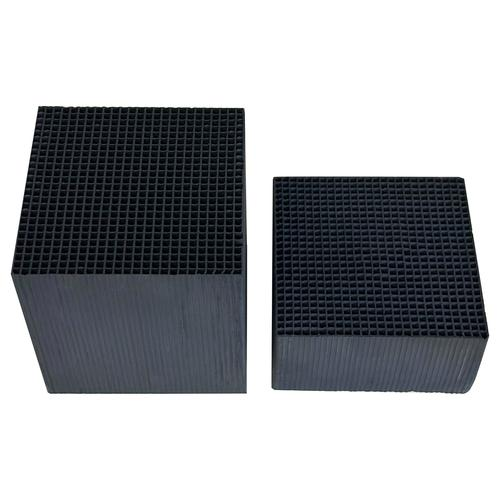
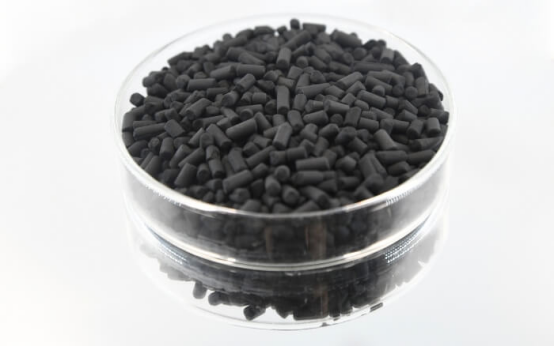
Organosilicon compounds in biogas form silica deposits during combustion, leading to equipment scaling, reduced operational efficiency and shortened service life. Effective siloxane removal is key to maintaining system stability.Key Benefits- Prevent silica scaling in combustion systems- Preserve equipment performance and operational efficiency- Extend maintenance cycles and reduce downtimeRecommended Products- 4mm CTC60 pelletized/extruded activated carbon- High-density coal-based granular activated carbon |
|
VOCs Control |
Nitrogen & CO₂ Separation |
|
Volatile organic compounds degrade biogas quality, reduce energy utilization efficiency and pose environmental risks. Effective control is necessary to meet regulatory requirements and optimize biogas performance. Core Principles- Efficient physical adsorption through microporous structure- Multi-layer adsorption mechanism for mixed VOC components- High surface area utilization for long service life Recommended Products- Coal-based granular activated carbon- 4mm pelletized/extruded activated carbon |
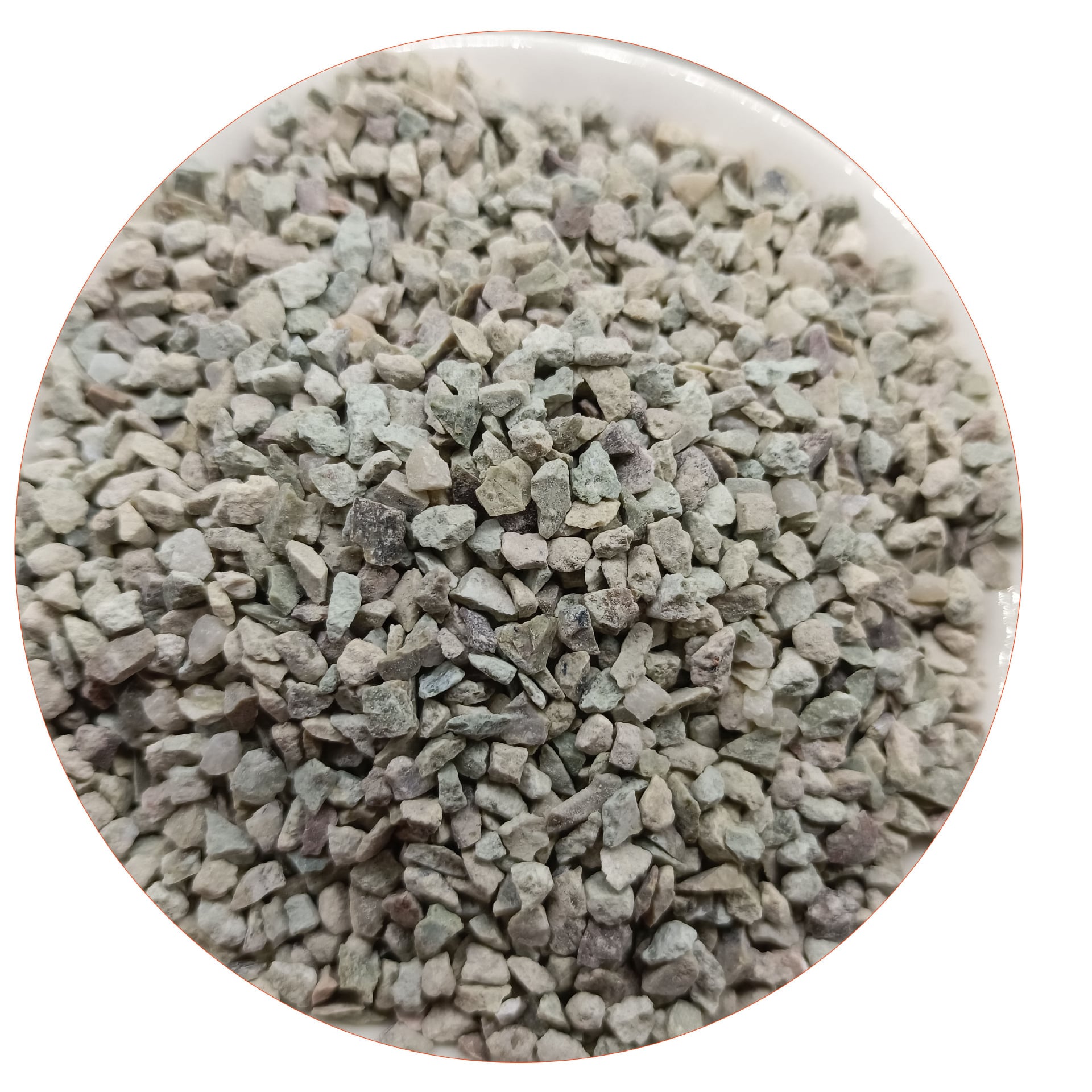
Nitrogen and CO₂ are inert components that reduce the calorific value of biogas. Separation treatment increases methane concentration, improving the overall energy value and application flexibility of biogas. Key Applications- Pressure Swing Adsorption (PSA) upgrading technology- Molecular sieve-based gas separation processes- Biogas upgrading for grid injection or vehicle fuel Recommended Products- Carbon Molecular Sieve (CMS)- PSA-grade pelletized/extruded activated carbon |
 EN
EN