Jun 22,2026
Granular Activated Carbon (GAC) is a porous carbon-based adsorbent. Featuring excellent adsorption capacity and stable physical properties, it is widely applied in water treatment, air purification, industrial refining and other environmental & industrial fields. With nearly 30 years of experience in GAC production and R&D, Yihang Carbon delivers reliable products with strong adaptability, suitable for various commercial and industrial purification projects.
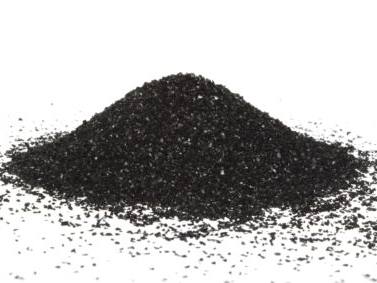
Per industry standards, GAC refers to carbon particles retained on a 50-mesh sieve, with a regular particle size of 0.2–5 mm, distinct from powdered activated carbon. It boasts high mechanical strength, low dust generation and great resistance to water erosion, enabling long-term stable operation in fixed-bed filters, tower purification systems and other continuous processing facilities.
With a hierarchical pore structure including micropores, mesopores and macropores, GAC has a large specific surface area and outstanding adsorption performance. Its pore structure can be adjusted via professional processes to effectively remove residual chlorine, odors, organic compounds, VOCs and other contaminants from water and gas, meeting diverse purification requirements.
Coal-based Granular Activated Carbon Made from premium low-ash and low-sulfur coal. It features high strength, excellent wear resistance, reusability and cost efficiency. Ideal for municipal water supply, industrial wastewater treatment, waste gas treatment and solvent recovery for large-scale industrial operations.
Biomass-based Granular Activated Carbon Produced from coconut shell activated carbon, fruit shell and wood chips. It contains minimal impurities with high purity, and delivers remarkable decolorization and deodorization effects. Perfect for food & beverage processing, pharmaceutical purification, high-end water treatment and ultra-pure water production with strict quality standards.
Yihang Carbon adopts standardized and mature production procedures with strict quality control to ensure consistent performance across all batches. Main process flow: Raw material crushing, sieving and impurity removal → Low-temperature oxygen-free carbonization → High-temperature steam activation for pore formation → Grading, sieving, acid & water washing modification → Full inspection before delivery.
Activation parameters are precisely controlled to customize products with different adsorption indicators for various application demands.
As a high-efficiency filter media for water treatment, GAC relies on its well-developed hierarchical pore structure and large specific surface area to achieve superior purification. It is extensively used for municipal water supply, sewage treatment, industrial circulating water, as well as deep purification of pure water and ultra-pure water.
Residual Chlorine and Disinfection By-products Effectively adsorbs residual chlorine, chloramine, trichloromethane and other disinfection by-products, improving water taste and reducing potential health risks.
Organics, Color and Odor Removes natural organic matter, humus and metabolites of algae, eliminating discoloration, unpleasant smells and earthy odor to restore clean water quality.
Trace Harmful Contaminants Captures trace organic pollutants including VOCs, pesticide residues, antibiotics and per- and polyfluoroalkyl substances (PFAS), greatly enhancing outlet water safety.
Heavy Metal Reduction Adsorbs heavy metal ions such as lead, mercury and cadmium, lowering their concentration in water and optimizing water quality.
Biological Purification Effect Microorganisms can attach to the surface of GAC to form a bio-carbon layer. Combined with biodegradation, it further improves purification efficiency and extends the service life of filter media for long-term continuous operation.
Deep Purification for Industrial Water Widely used in pure water and ultra-pure water production for food, pharmaceutical, electronic and other industries. It thoroughly removes trace impurities to guarantee qualified process water.
Stable Physical Performance for Continuous Operation High particle strength and low dust output make GAC resistant to water scouring and breakage. It works steadily in fixed-bed filters for long-term continuous operation with longer service life.
Adjustable Adsorption Performance & Wide Adaptability The pore structure can be customized according to water quality conditions, fitting municipal water purification, industrial wastewater treatment, high-end pure water production and various other working conditions.
Reusable & Cost-effective Spent GAC can be regenerated via high-temperature treatment to restore adsorption capacity for repeated use. It ensures stable system operation and lowers overall operational costs.
|
Parameter Category |
Test Item |
Standard Value |
Remarks |
|
Adsorption Performance |
Iodine Adsorption Value |
800–1200 mg/g (Typical: 900–1100 mg/g) |
Evaluates micropore adsorption capacity, core index for water treatment |
|
|
Methylene Blue Adsorption Value |
≥ 150 mg/g |
Reflects mesopore structure, for decolorization and organic removal |
|
|
Specific Surface Area |
900–1300 m²/g |
Larger value means higher adsorption capacity |
|
|
Pore Volume |
0.4–0.7 cm³/g |
Suitable for adsorption of various water contaminants |
|
Physical Properties |
Mechanical Strength |
95%–99% |
Resists water erosion and particle breakage |
|
|
Moisture Content |
≤ 5% |
Factory standard |
|
|
Ash Content |
Coal-based: ≤ 12%; Shell-based: ≤ 5% |
Lower ash content ensures higher water purity |
|
|
Apparent Density |
0.48–0.55 g/mL |
General density for water treatment |
|
Chemical Safety Index |
pH Value |
6.0–9.0 (Neutral) |
Will not alter the pH of raw water |
|
|
Water Soluble Matter |
≤ 1.5% |
Prevents secondary pollution |
|
|
Heavy Metal Leaching |
Lead, Cadmium, Mercury, Arsenic comply with drinking water standards |
Applicable to drinking water treatment |
|
Common Particle Size |
8×30 Mesh |
0.60–2.36 mm |
General specification for municipal & industrial water treatment |
|
|
12×40 Mesh |
0.43–1.70 mm |
For deep purification of pure water & ultra-pure water |
|
|
6×12 Mesh |
1.70–3.35 mm |
For high-flow water treatment systems |
|
Executive Standard |
National Standard |
GB/T 7701.2-2008, CJ/T 345-2010 |
National standards for water purification activated carbon |
Contact an Activated Carbon Manufacturer
There is no need to blindly pursue extreme indicators. The key is to select GAC based on water contaminants, operating conditions and overall costs. Based on industry standards and practical experience, please follow the guidance below:
Select Raw Material According to Water Contaminants (Most Important)
Check Core Adsorption Indicators for Purification Effect Qualified GAC for water treatment shall have sufficient adsorption capacity: Iodine value between 800–1100 mg/g guarantees removal of small molecular contaminants; Methylene blue value ≥ 150 mg/g ensures effective decolorization and organic removal. Well-developed pores and large specific surface area ensure stable purification performance.
Check Mechanical Strength for Long Service Life GAC is constantly scoured by running water. Products with mechanical strength ≥ 98% feature excellent wear resistance and low breakage rate. They avoid filter bed clogging, reduce pressure drop and cut down replacement frequency.
Check Safety Indicators to Avoid Secondary Pollution For drinking water treatment, products must comply with national standards, featuring low ash content, low water soluble matter and negligible heavy metal leaching with neutral pH value.
Match Particle Size with Working Conditions & Evaluate Economy 8×30 mesh is the universal choice for regular water treatment; 12×40 mesh is recommended for deep purification of pure water. In addition, GAC can be regenerated and reused, bringing lower long-term operational costs for engineering projects.
Matched Yihang Carbon products for different scenarios:
The ideal GAC features long service life, reusability and low comprehensive cost, rather than merely high initial adsorption performance.
Q:Granular activated carbon vs powdered activated carbon, which one to choose?
A:For continuous operation and fixed-bed systems, select granular activated carbon for its high strength, reusability and longer service life. For emergency treatment and direct dosing, powdered activated carbon is the better option.
Q:How often should GAC be replaced?
A:It depends on water quality and water flow. For regular municipal water supply, replacement or regeneration is required every 6–12 months; for industrial wastewater, every 3–6 months.
Q:Coconut shell based or coal based GAC?
A:Choose coconut shell based GAC for drinking water, pure water and applications with strict purity requirements. Choose coal based GAC for industrial wastewater and large-flow projects where cost efficiency is prioritized.
Q:Does a higher iodine value mean better activated carbon?
A:The iodine value reflects adsorption capacity for small molecular substances. Higher iodine value delivers better performance on residual chlorine and small molecular contaminants. For decolorization and macromolecular organic removal, the methylene blue value shall also be taken into consideration.
Q:What is the difference between different mesh sizes? How to choose? A:Higher mesh number means smaller particle size, faster adsorption speed but higher water flow resistance. 8×30 mesh for general use; 12×40 mesh for deep water purification; 6×12 mesh for high-flow systems.
Q:Can GAC completely remove heavy metals from water?
A:It can effectively adsorb and reduce heavy metal content for deep purification, but cannot remove heavy metals 100%.
Q:Will GAC change the pH value of water during use?
A:Qualified products have a pH range of 6.0–9.0, and will not cause obvious changes to the pH of raw water in normal use.
 EN
EN