Discover how activated carbon removes chlorine, pesticides, and heavy metals for safer, better-tasting drinking water. Enhance your purification system today.
How Activated Carbon Enhances Drinking Water Purification Results
In today’s drinking water purification systems, activated carbon stands out as a highly effective water contaminant removal cartridge. The permeable framework and highly developed porous surface enables adsorption of a wide array of water purity challenges, going beyond what other filtration media are unable to do. Using a carbon cartridge as part of a household water filter, in portable purification devices, or in municipal treatment plants, activated carbon eliminates bad taste and odor, and significantly reduces other harmful chemicals in water, without depleting essential mineral content. This article details how activated carbon improves overall water quality and safety.
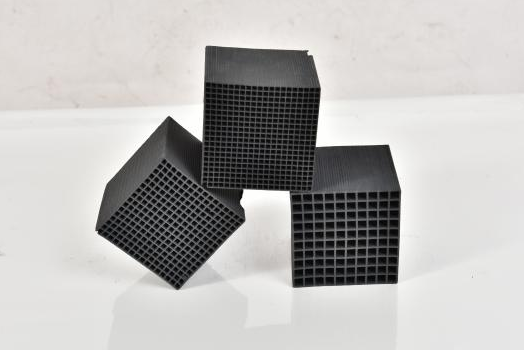
Unique Porous Structure and Adsorption Mechanism
The secret to the ability of activated carbon to filter or purify substances comes from the structure formed during the activation process which comprises of many tiny holes called pores. These holes are formed due to the use of either heat or chemicals which extremely expands the its internal surface area. A single gram of activated carbon may have around a surface area of a football field. Activated carbon has pores ranging from micro to macropore which are proficient in capturing different contaminants because of the tremendous surface area. In the process of adsorption which activated carbon undergoes, a water molecule comes in contact with the carbon and gets through the surface of the carbon. The impurities, organized compounds and many chemicals in the water are absorbed or attracted to the surface of the carbon. The adhesion to the carbon surface happens because of Van Der Waals forces which works in a distance between 0.2 and 0.5 nm. These are weak forces which are responsible in the bonding of contaminants such as pesticides, chlorine, and volatile organic compounds (VOCs) and the carbon. The process of physical adsorption does not chemically alter the water and neither does it add contaminants unlike other chemical processes.
Removal of Chlorine and Chlorination Byproducts
Removing Chlorine and Its Byproducts. There are different organizations including municipal water plants that disinfect water using Chlorine. This does have some advantages but there are some disadvantages that can come up. Chlorine disinfected water does have some odors associated with it and it can also possess an unusual taste. Chlorine with organic matter also produces something called disinfection byproducts that are dangerous, especially when consumed. This includes Trihalomethanes and Haloacetic Acids. These are long-term consumed health risks that a lot of people associate with. Absorbing free Chlorine and disinfection byproducts which are harmful to people reduces health risks. This, in turn, prevents the feeling of odorous and unwanted tastes in the mouth.
A prime example of the above is a water faucet that is designed especially for households. These rests have Chlorine Cartridges that absorb it and turn out the water which is much healthier for drinking and also.
Elimination of Organic Contaminants and Pesticides
Among many substances that might be found in drinking water, pesticides, herbicides, solvents, and even leftover medications, activated carbon has no problem removing all of them. Most of the time, these water sources are the results of residues from agriculture, industries, and the careless disposal of waste. Because the compounds in question are organic, they are attracted and bind during filtration to activated carbon and its porous surface. For example, activated carbon filters become notably effective when removing groundwater pesticides such as atrazine and glyphosate. Other regions are equipped with more countermeasures to agricultural pollution, making activated carbon more prolific in such areas, as other regions are more densely populated and their water sources are quite vulnerable.
Reduction of Heavy Metals
Although primarily known for its abilities to adsorb organic materials, the use of activated carbon in the removal of some heavy metals from drinking water, especially when modified or combined with other materials, is also notable. Simple activated carbon can adsorb lead, copper, and even mercury through the ion exchange or surface complexation mechanisms where the metal ions complex with active functional groups on the surface of the carbon. More chemically modified activated carbon (for example, activated carbon treated with chemcial compounds such as sulfur or iron) which has been shown to adsorb heavy metals more readily, is more efficient in removal. In portable water filters for lead-contaminated water, activated carbon is used in conjunction with other materials (for example, ion exchange resins) to bring down lead concentrations to acceptable limits as prescribed by the EPA.
Improvement of Taste and Odor
In addition to removing harmful contaminants, activated carbon improves the sensory quality of drinking water by removing bad taste and odor. Such problems can be geosmin and 2-methylisoborneol (MIB) that make water earthy and musty smelling, even in very small amounts. The activated carbon’s macro- and mesopore structure adsorbs and holds the negative smelling compounds, resulting in much more pleasant water. This attribute serves as an attraction to both municipal water suppliers and home water filter manufacturers, since taste and odor are the primary determinants of acceptability of tap water. They lose less water to recall and less reliance to packed bottled water, losing bottled water environmental consequences.
Compatibility with Other Purification Methods
Activated carbon enhances the performance of other technologies utilized to purify water. It is often used in municipal treatment plants after the processes of coagulation, flocculation, and sedimentation to remove organic contaminants and chlorine before the water is distributed. In reverse osmosis (RO) household systems, activated carbon filters are used before and after the RO membranes. Pre-filters remove chlorine, which is harmful to the membranes, and organic matter, and post-filters remove some contaminants to enhance the taste of the RO water. UV disinfection systems are complemented by activated carbon because it eliminates organic constituents which shield microorganisms from the UV light used for disinfection. Such versatility gives activated carbon the ability to improve the effectiveness of multi-stage purification systems.
Applications in Different Purification Settings
The uses of activated carbon in drinking water filtration systems is numerous and each setting uses its advantages in filtration Iron removal. In municipal filtration systems, heated granular activated carbon is put in large filters which focus on removing chlorine, and other organic contaminants in GAC systems, processing millions of gallons daily. In household systems, powdered activated carbon is used in tap filters, pitcher filters, and under-sink systems, counteracting GACs disadvantages and offering convenient point of use filtration. Portable activated carbon filters, such as water bottles, are advantageous in travel and activites outdoors. They remove contaminants in the water which is unfit for drinking. In addition, activated carbon tablets and sachets are easy and convenient forms of filtration for emergency situations where safe drinking water is not available.
Long-Term Effectiveness and Maintenance
In order for activated carbon to enhance purification results, proper upkeep is crucial. The adsorption capacity is lessened when carbon pores which are full of contaminants. Activated carbon filters depends on, water quality, flow rate, and contaminant concentration; household faucet filters typically need to be replaced every two to six months while municipal GAC filters can last for years before requiring regeneration or replacement. Rechargeable GAC systems that are more cost effective and friendly to the environment use heavy carbon, which is heated to extremely high temperatures to release the contaminants the carbon pores hold. Scheduled maintenance increases the efficacy of activated carbon filters, producing high quality drinking water.

 EN
EN