Sep 07,2026
ໃນການສະກັດເອົາຄຳ CIP/CIL, ປະສິດທິພາບຂອງຖ່ານກາກບອນທີ່ເປີດໃຊ້ດ້ວຍເປືອກໝາກພ້າວຈະຄວບຄຸມໂດຍກົງຕໍ່ປະສິດທິພາບການຟື້ນຟູຄຳ ແລະ ຄ່າໃຊ້ຈ່າຍໃນການດຳເນີນງານໂດຍລວມ. Norit GCN612G ແມ່ນຖ່ານກາກບອນເມັດເປືອກໝາກພ້າວທີ່ມີຄຸນນະພາບສູງທີ່ນຳໃຊ້ທົ່ວໂລກສຳລັບວົງຈອນ CIP/CIL/CIC ຄຳ. YHGOLD GRADE 1903 ແມ່ນຄາບອນຟື້ນຟູຄຳເປືອກໝາກພ້າວ 6×12 ທີ່ໄດ້ຮັບການຮັບຮອງຈາກ SGS ຂອງ YH‑Carbon, ເຊິ່ງຖືກອອກແບບເປັນທາງເລືອກທີ່ມີລາຄາແຂ່ງຂັນສຳລັບ GCN612G. ຄູ່ມືນີ້ປຽບທຽບພາລາມິເຕີຜະລິດຕະພັນສອງຢ່າງ. ບ່ອນທີ່ວິທີການທົດສອບແຕກຕ່າງກັນ, ພວກເຮົາລະບຸມັນຢ່າງໂປ່ງໃສ, ຊ່ວຍໃຫ້ທ່ານສາມາດຕັດສິນໃຈຈັດຊື້ໄດ້ຢ່າງມີຈຸດປະສົງ.
ຕົວເລກທັງໝົດແມ່ນມາຈາກແຜ່ນຂໍ້ມູນທາງການຂອງຜູ້ຜະລິດ; ສຳລັບ YHGOLD GRADE 1903, ຂໍ້ມູນແມ່ນມາຈາກບົດລາຍງານການທົດສອບຂອງ SGS. ໝາຍເຫດຈະຖືກເພີ່ມໃສ່ບ່ອນທີ່ມາດຕະຖານການທົດສອບບໍ່ສອດຄ່ອງກັນ.
| ຄ່າພາລາມິເຕີ | YHGOLD GRADE 1903 | ນໍຣິດ GCN612G | ໝາຍເຫດ |
|---|---|---|---|
| ວັດຖຸດິບ | ເປືອກມະພາຍ | ເປືອກມະພາຍ | ໝວດໝູ່ວັດຖຸດິບດຽວກັນ, ເປີດໃຊ້ດ້ວຍໄອນ້ຳ |
| ການນຳໃຊ້ | ການກູ້ຄືນຄຳ CIL / CIP / CIC | ການກູ້ຄືນຄຳ CIL / CIP / CIC | ຂອບເຂດຂະບວນການທີ່ຄືກັນ |
| ไอโอดีน | 1145 ມກ/ກຣາມ (ຢັ້ງຢືນໂດຍ SGS) | ບໍ່ແມ່ນຕົວຊີ້ວັດຫຼັກທີ່ເຜີຍແຜ່ແລ້ວ | ທາດໄອໂອດິນສູງຊີ້ບອກເຖິງໂຄງສ້າງຮູຂຸມຂະໜາດນ້ອຍທີ່ມີຮູບຮ່າງດີສຳລັບການດູດຊຶມ Au(CN)₂⁻ |
| ປະລິມານຂີ້ເຜົາ | 2.41% (ຢັ້ງຢືນໂດຍ SGS) | ≤3.5% | ຂີ້ເທົ່າຕ່ຳກວ່າແມ່ນເອື້ອອຳນວຍ; YHGOLD 1903 ຕັ້ງຢູ່ຕໍ່າກວ່າຂີດຈຳກັດສູງສຸດຂອງ GCN612G |
| ຄວາມຊຸ່ມຊື່ນ | 4.7% (ຢັ້ງຢືນໂດຍ SGS) | ≤5% | ທັງພາຍໃນມາດຕະຖານຄວາມທົນທານຂອງອຸດສາຫະກໍາ |
| ຄວາມແຂງແຮງ / ຄວາມແຂງ | 98.3% (ວິທີ GB/T) | ≥99% (ບານແພນ ASTM D3802) | ⚠️ ຫຼັກການທົດສອບທີ່ແຕກຕ່າງກັນ; ຄ່າຕ່າງໆບໍ່ສາມາດປຽບທຽບໂດຍກົງໄດ້ |
| ຄ່າ K (ຄວາມສາມາດໃນການໂຫຼດຄຳ) | 31 ກິໂລກຣາມ/ໂຕນ | 29 ກິໂລກຣາມ/ໂຕນ | ຊຸດ YHGOLD ກວມເອົາມູນຄ່າທີ່ກຳນົດໄວ້ຂອງ GCN612G ຢ່າງເຕັມທີ່ |
| ຄ່າ R (ອັດຕາການດູດຊຶມ) | 60‑62% | 60% | ແຖບປະສິດທິພາບສູງສຸດຂອງ YHGOLD ກົງກັບມາດຕະຖານ GCN612G |
| ການຖອນສີ | ຂໍ້ມູນຍັງຄ້າງຢູ່ | <1.0% (ການທົດສອບຂວດມ້ວນ) | ການທົດສອບການເສື່ອມສະພາບຂອງ YHGOLD ຍັງດຳເນີນຢູ່; ຜົນໄດ້ຮັບຈະຖືກເຜີຍແຜ່ເມື່ອສຳເລັດ |
| ປະລິມານເມັດເລືອດຂາວ | ຂໍ້ມູນຍັງຄ້າງຢູ່ | <3.5% | ການທົດສອບເມັດເລືອດ YHGOLD ກຳລັງດຳເນີນຢູ່ |
| ຂະໜາດຂອງເຊື່ອງ | 6 × 12 / 8 × 16 / 5×10 | 6 × 12 / 8 × 16 | ຕົວເລືອກຂະໜາດອະນຸພາກທີ່ຄືກັນ; ເຂົ້າກັນໄດ້ກັບລະບົບຢອດລົງແບບກົນຈັກ |
ໝາຍເຫດທີ່ຊື່ສັດກ່ຽວກັບການປຽບທຽບຄວາມແຂງ ຄວາມແຂງແຮງ 98.3% ຂອງ YHGOLD GRADE 1903 ຖືກວັດແທກໂດຍມາດຕະຖານການບີບອັດ GB/T ຂອງຈີນ. ຄວາມແຂງຂອງ Norit GCN612G ≥99% ປະຕິບັດຕາມວິທີການທົດສອບການຂັດຖູແບບ tumbling ຂອງ Ball-Pan ຕາມມາດຕະຖານ ASTM D3802. ຄວາມຕ້ານທານການບີບອັດ ແລະ ຄວາມຕ້ານທານການຂັດຖູແບບ tumbling ສະແດງຄຸນສົມບັດທາງກາຍະພາບທີ່ແຕກຕ່າງກັນ. ການປຽບທຽບຕົວເລກໂດຍກົງແມ່ນເຮັດໃຫ້ເຂົ້າໃຈຜິດ. ຖ້າຄວາມທົນທານທາງກົນຈັກຂອງຄາບອນຢູ່ໃນລະດັບສູງໃນເງື່ອນໄຂການປະມູນຂອງທ່ານ, ຂໍໃຫ້ຜູ້ສະໜອງທັງສອງສົ່ງຂໍ້ມູນການທົດສອບພາຍໃຕ້ມາດຕະຖານການທົດສອບແບບລວມສູນອັນດຽວ ຫຼື ປະຕິບັດການທົດລອງການຂັດຖູແບບຂວດມ້ວນພາຍໃນ.
ຈຳນວນທາດໄອໂອດິນເຮັດໜ້າທີ່ເປັນຕົວແທນຂອງພື້ນທີ່ຜິວໜ້າຮູຂຸມຂົນຂະໜາດນ້ອຍ. ສຳລັບຄາບອນທີ່ຟື້ນຟູຄຳຈາກເປືອກໝາກພ້າວ, ທາດໄອໂອດິນທີ່ສູງກວ່າ 1000 ມກ/ກຣາມ ຢືນຢັນວ່າຮູຂຸມຂົນຂະໜາດນ້ອຍພຽງພໍທີ່ຈະຈັບໂມເລກຸນສະລັບສັບຊ້ອນຂອງຄຳ-ໄຊຢາໄນ.
ຂີ້ເທົ່າຄອບຄອງປະລິມານຮູຂຸມຂົນພາຍໃນທີ່ຄວນຈະເປັນບ່ອນດູດຊຶມຄຳ-ໄຊຢາໄນ. ຂີ້ເທົ່າທີ່ສູງຂຶ້ນຄ່ອຍໆຫຼຸດປະສິດທິພາບລົງໃນຮອບວຽນການກະຕຸ້ນຄວາມຮ້ອນຊ້ຳໆ.
ສຳລັບຖ່ານກາກບອນທີ່ສະກັດຈາກຄຳ, ລາຍລະອຽດຂັ້ນສອງທັງໝົດໃນທີ່ສຸດກໍໃຫ້ຜົນໄດ້ຮັບຕົວຈິງສອງຢ່າງຄື: ຄາບອນທອງສາມາດດູດຊຶມໄດ້ເທົ່າໃດ ແລະ ໄວເທົ່າໃດ .
ປະສິດທິພາບທີ່ຕີພິມຕາມມາດຕະຖານຂອງ Norit GCN612G: K = 29 kg/t, R = 60%.
YHGOLD ເກຣດ 1903 ສົ່ງມອບ K 27‑31 ກິໂລກຣາມ/ໂຕນ ແລະ R 54‑62% ລະດັບປະສິດທິພາບລະດັບກາງຫາສູງຂອງມັນຕອບສະໜອງ ແລະ ເກີນກວ່າຄ່າມາດຕະຖານ K ແລະ R ຂອງ GCN612G ບາງສ່ວນ, ເຊິ່ງເຮັດໃຫ້ YHGOLD GRADE 1903 ຢູ່ໃນລະດັບປະສິດທິພາບທີ່ທຽບເທົ່າກັບລາຄາທາງການຄ້າທີ່ດີກວ່າ.
ຜະລິດມາເປັນເວລາ 30 ປີ. ຈຳນວນສັ່ງຊື້ຂັ້ນຕ່ຳ (MOQ) 1 ຕັນ. ມີຕົວຢ່າງຟຣີ. ສົ່ງຄຳຕອບພາຍໃນ 1 ຊົ່ວໂມງ.
ຄາບອນພາຍໃນຖັງ CIL/CIL ທີ່ຖືກກະຕຸ້ນຢ່າງຕໍ່ເນື່ອງຈະປະສົບກັບຄວາມກົດດັນຈາກການຂັດຖູຂອງອະນຸພາກຕໍ່ອະນຸພາກ ແລະ ການລະລາຍຂອງນ້ຳເຊື່ອມຢ່າງຕໍ່ເນື່ອງ. ຄວາມແຂງທີ່ບໍ່ພຽງພໍຈະເຮັດໃຫ້ເກີດຄ່າຄາບອນລະອຽດ. ອະນຸພາກຄາບອນລະອຽດທີ່ບັນຈຸດ້ວຍຄຳທີ່ດູດຊຶມຈະຜ່ານການກັ່ນຕອງລະຫວ່າງຂັ້ນຕອນ ແລະ ປ່ອຍອອກພາຍໃນແຮ່ແຮ່. ແຕ່ລະເປີເຊັນທີ່ເພີ່ມຂຶ້ນຂອງຄ່າຄຳລະອຽດຈະແປໂດຍກົງໄປສູ່ການສູນເສຍຄຳທີ່ບໍ່ສາມາດກູ້ຄືນໄດ້.
ວິທີການທົດສອບທັງສອງຢ່າງນີ້ປະເມີນຮູບແບບຄວາມລົ້ມເຫຼວທາງກົນຈັກທີ່ແຕກຕ່າງກັນ: ການບີບອັດ ທຽບກັບ ການຂັດແບບວົງຈອນ. ຕົວຢ່າງຄາບອນທີ່ມີຄະແນນ 98.3% ພາຍໃຕ້ GB/T ບໍ່ໄດ້ຕໍ່າກວ່າຜົນໄດ້ຮັບ Ball-Pan 99% ໂດຍທຳມະຊາດ, ແລະ ການປຽບທຽບຕົວເລກຂ້າມມາດຕະຖານບໍ່ສາມາດພິສູດໄດ້ວ່າລະດັບໜຶ່ງດີກວ່າກົນຈັກ.
ຄຳແນະນຳທີ່ເໝາະສົມ ຖ້າຄວາມທົນທານທາງກົນຈັກເປັນປັດໄຈຕັດສິນການຈັດຊື້, ໃຫ້ຖາມຜູ້ຂາຍທັງສອງຝ່າຍສຳລັບຜົນການທົດສອບພາຍໃຕ້ມາດຕະຖານການທົດສອບດຽວກັນ (ASTM D3802 Ball‑Pan ຫຼື GB/T 12496.6), ຫຼື ດຳເນີນການທົດສອບໃນຫ້ອງທົດລອງການສວມໃສ່ຂອງຂວດມ້ວນຂອງທ່ານເອງເພື່ອບັນລຸການປຽບທຽບລະຫວ່າງໝາກໂປມກັບໝາກໂປມ.
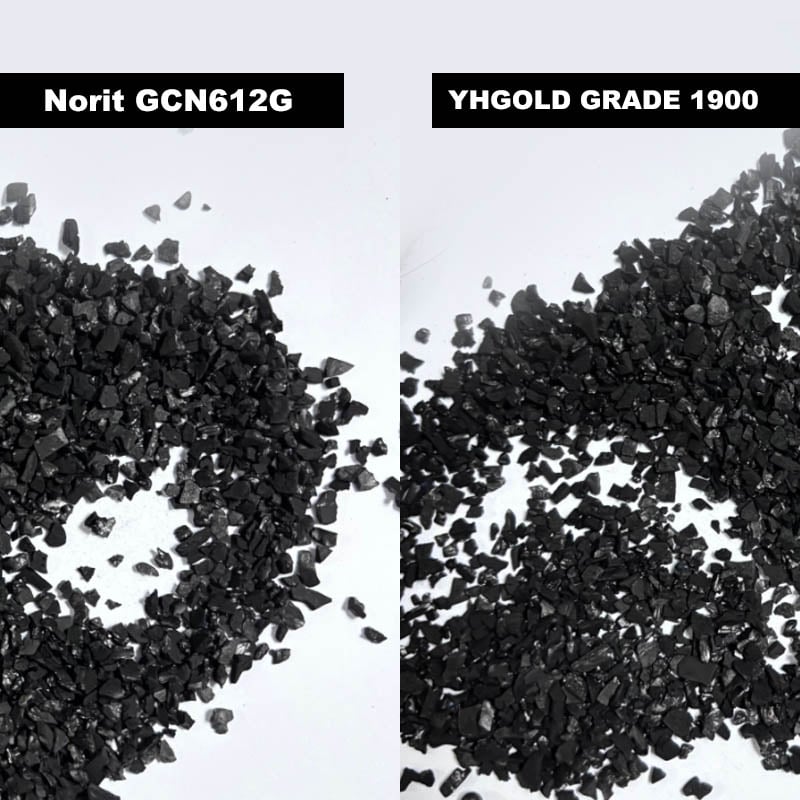
ເກຣດ YHGOLD 1903 ແລະ ຄາບອນຟື້ນຟູຄຳເປືອກໝາກພ້າວ Norit GCN612G ຄຽງຄູ່ກັນ — ປຽບທຽບຂະໜາດເມັດ, ຮູບຮ່າງ ແລະ ຄວາມສະໝໍ່າສະເໝີ.
Norit ເຜີຍແຜ່ຂໍ້ກຳນົດກ່ຽວກັບການຕັດອອກຢ່າງສົມບູນ (<1.0%, ການທົດສອບຂວດມ້ວນ) ແລະ ເກັດເລືອດ (<3.5%) ສຳລັບ GCN612G. ການຕັດອອກຕໍ່າຊ່ວຍຫຼຸດຜ່ອນການສູນເສຍຄາບອນໃນວົງແຫວນ CIL; ປະລິມານເກັດເລືອດຕໍ່າຊ່ວຍຫຼຸດຜ່ອນເມັດຄາບອນຮູບຊົງຮາບພຽງເຊິ່ງເຮັດໃຫ້ການຍຶດຕິດຂອງໜ້າຈໍບໍ່ດີ.
ສຳລັບ YHGOLD GRADE 1903, ຜົນການທົດສອບການເສື່ອມສະພາບຂອງຂວດມ້ວນ ແລະ ປະລິມານເມັດເລືອດຂາວແມ່ນຢູ່ພາຍໃຕ້ການກວດສອບຄວາມຖືກຕ້ອງຂອງຫ້ອງທົດລອງຄັ້ງສຸດທ້າຍ. ແທນທີ່ຈະອ້າງອີງຕົວເລກຕົວແທນທີ່ຄາດຄະເນ ຫຼື ຄາດຄະເນໄວ້, ພວກເຮົາໝາຍຕົວຊີ້ວັດເປັນ "ຂໍ້ມູນທີ່ຍັງຄ້າງຢູ່". ມີພຽງແຕ່ຂໍ້ມູນທີ່ວັດແທກໄດ້ທີ່ຖືກກວດສອບແລ້ວເທົ່ານັ້ນທີ່ຈະຖືກປ່ອຍອອກມາ ແລະ ບົດຄວາມນີ້ຈະຖືກອັບເດດເມື່ອລາຍງານຫ້ອງທົດລອງສຳເລັດແລ້ວ.
ຖ້າພາລາມິເຕີເຫຼົ່ານີ້ເປັນຂໍ້ກຳນົດການປະມູນບັງຄັບ, ໃຫ້ຕິດຕໍ່ YH‑Carbon ສຳລັບຄວາມຄືບໜ້າຂອງການທົດສອບລ່າສຸດ, ຫຼື ສັ່ງຊື້ຕົວຢ່າງທີ່ກົງກັນ ແລະ ດຳເນີນການທົດສອບໃນຫ້ອງທົດລອງເອກະລາດ.
Norit (Cabot) ເປັນຍີ່ຫໍ້ຄາບອນກະຕຸ້ນລະດັບພຣີມຽມທີ່ໄດ້ຮັບການຍອມຮັບທົ່ວໂລກ. ລາຄາຜະລິດຕະພັນຂອງມັນສະທ້ອນໃຫ້ເຫັນເຖິງລະດັບພຣີມຽມຂອງຍີ່ຫໍ້ສາກົນ, ການເກັບຮັກສາສິນຄ້າທົ່ວໂລກ, ເຄືອຂ່າຍການແຈກຢາຍຫຼາຍຊັ້ນ ແລະ ພື້ນຖານໂຄງລ່າງການສະໜັບສະໜູນດ້ານວິຊາການຂອງແອັບພລິເຄຊັນທີ່ສົມບູນ - ເຊິ່ງນຳມາເຊິ່ງມູນຄ່າທີ່ຈັບຕ້ອງໄດ້ສຳລັບຜູ້ປະກອບການຂຸດຄົ້ນບໍ່ແຮ່ຫຼາຍຄົນ.
ຊັ້ນ YHGOLD 1903 ຮັບຮອງເອົາການວາງຕຳແໜ່ງຕະຫຼາດທີ່ແຕກຕ່າງກັນ: ປະສິດທິພາບດ້ານໂລຫະສາດທີ່ທຽບເທົ່າກັນດ້ວຍລາຄາທີ່ແຂ່ງຂັນໄດ້ຫຼາຍຂຶ້ນຈາກໂຮງງານໂດຍກົງ. ສຳລັບບໍ່ແຮ່ທີ່ໃຊ້ກາກບອນຫຼາຍຮ້ອຍໂຕນຕໍ່ປີ, ການປະຫຍັດຕົ້ນທຶນຕໍ່ໂຕນໃນລະດັບປານກາງຈະສະສົມເປັນການຫຼຸດຜ່ອນຕົ້ນທຶນການດຳເນີນງານທັງໝົດຢ່າງຫຼວງຫຼາຍ, ໂດຍບໍ່ມີການຫຼຸດຜ່ອນຄວາມຕ້ອງການດ້ານປະສິດທິພາບການດູດຊຶມຄຳຂອງວົງຈອນ CIP/CIL ທີ່ມີຢູ່ແລ້ວ.
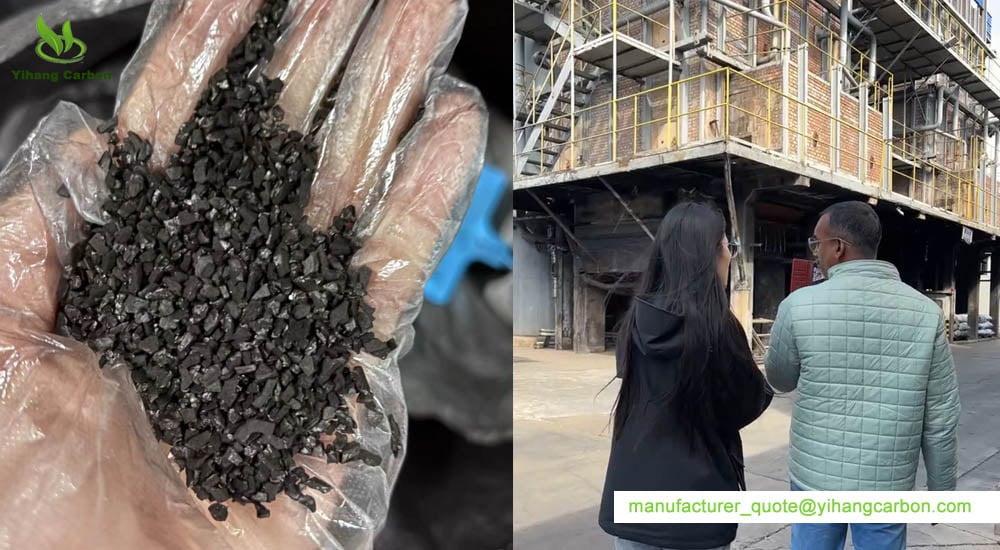
ຕົວຢ່າງຂອງຖ່ານກາກບອນ YHGOLD ເກຣດ 1903 ທີ່ໃຊ້ເປືອກໝາກພ້າວສຳລັບການຂຸດຄົ້ນຄຳ ໄດ້ຖືກວາງສະແດງຢູ່ໃນສະຖານທີ່ໃນລະຫວ່າງການທ່ຽວຊົມໂຮງງານຂອງລູກຄ້າ. ການໄປຢ້ຽມຢາມຂອງຜູ້ຊື້ ແລະ ການກວດສອບພາກສ່ວນທີສາມທີ່ເປັນເອກະລາດແມ່ນຍິນດີຕ້ອນຮັບຢ່າງອົບອຸ່ນ.
| ປັດໄຈ | ນໍຣິດ GCN612G | YHGOLD GRADE 1903 |
|---|---|---|
| ไอโอดีน | ບໍ່ແມ່ນສະເປັກຫຼັກ | 1145 ມກ/ກຣາມ (ຢັ້ງຢືນໂດຍ SGS) |
| ປະລິມານຂີ້ເຜົາ | ≤3.5% | 2.41% (ໄດ້ຮັບການຢັ້ງຢືນຈາກ SGS) |
| ຄວາມຊຸ່ມຊື່ນ | ≤5 % | 4.7% (ຢັ້ງຢືນໂດຍ SGS) |
| ຄວາມແຂງແຮງ / ຄວາມແຂງ | ≥99% (ບານແພນ ASTM D3802) | 98.3% (GB/T, ມາດຕະຖານການທົດສອບທີ່ແຕກຕ່າງກັນ) |
| ຄ່າ K | 29 ກິໂລກຣາມ/ໂຕນ | 27‑31 ກິໂລກຣາມ/ໂຕນ |
| ຄ່າ R | 60% | 54–62 % |
| ການຖອນສີ | <1.0% | ຂໍ້ມູນຍັງຄ້າງຢູ່ |
| ເມັດເລືອດ | <3.5% | ຂໍ້ມູນຍັງຄ້າງຢູ່ |
| ຂະໜາດຂອງເຊື່ອງ | 6 × 12 / 8 × 16 | 6 × 12 / 8 × 16 |
| ຕຳແຫນ່ງດ້ານລາຄາ | ຍີ່ຫໍ້ພຣີມຽມລະດັບໂລກ | ລາຄາໂຮງງານໂດຍກົງ - ແຂ່ງຂັນໄດ້ |
| ການຢັ້ງຢືນຈາກພາກສ່ວນທີສາມ | ການຄຸ້ມຄອງຄຸນນະພາບ Cabot-Norit | ມີ COA ຕາມຊຸດຂອງ SGS / Intertek |
ພິຈາລະນາ YHGOLD ເກຣດ 1903 ຖ້າ ປະຈຸບັນທ່ານກຳລັງໃຊ້ງານ Norit GCN612G ພາຍໃນວົງຈອນ CIP/CIL/CIC, ຕ້ອງການຫຼຸດຜ່ອນງົບປະມານການດຳເນີນງານທີ່ກ່ຽວຂ້ອງກັບກາກບອນ, ແລະມັກການທົດແທນແບບ drop-in ໂດຍບໍ່ມີການດັດແປງວົງຈອນ ຫຼື ມີຄວາມສ່ຽງຕໍ່ປະສິດທິພາບການຟື້ນຟູຄຳ. YHGOLD GRADE 1903 ມີຂະໜາດຕາໜ່າງຄືກັນ, ຊ້ອນກັນລະຫວ່າງປະສິດທິພາບ K-value / R-value, ການຢັ້ງຢືນຈາກພາກສ່ວນທີສາມຂອງ SGS, ແລະຖືກອອກແບບມາສຳລັບການດຳເນີນງານຂຸດຄົ້ນບໍ່ແຮ່ທີ່ມີຄ່າໃຊ້ຈ່າຍຕ່ຳ.
ສືບຕໍ່ດ້ວຍ Norit GCN612G ຖ້າ ຂໍ້ກຳນົດການປະມູນຂອງທ່ານກຳນົດຢ່າງຊັດເຈນກ່ຽວກັບຍີ່ຫໍ້ Norit; ຫຼື ເງື່ອນໄຂການຍອມຮັບດ້ານໂລຫະວິທະຍາຂອງທ່ານຮຽກຮ້ອງໃຫ້ມີການວັດແທກການຈາລະກຳ ແລະ ເມັດເລືອດທີ່ເຜີຍແຜ່ຢ່າງຄົບຖ້ວນ ເຊິ່ງ YHGOLD 1903 ຍັງບໍ່ທັນໄດ້ສຳເລັດເທື່ອ. ການຈັດຊື້ທີ່ລະບຸໄວ້ໂດຍຍີ່ຫໍ້ ແລະ ເອກະສານຂໍ້ມູນສະເພາະທີ່ຄົບຖ້ວນແມ່ນສິ່ງສຳຄັນສຳລັບຂະບວນການຈັດຊື້ບໍ່ແຮ່ບາງຢ່າງ.
ມາດຕະຖານຄຳສຳລັບການປຽບທຽບລະດັບຄາບອນຍັງຄົງເປັນການທົດລອງການໂຫຼດແບບຂະໜານໂດຍໃຊ້ເນື້ອແຮ່ໃນສະຖານທີ່ຂອງທ່ານເອງ. ຂໍຕົວຢ່າງຄາບອນທີ່ກົງກັນຈາກຜູ້ສະໜອງທັງສອງ ແລະ ທົດສອບພາຍໃຕ້ເງື່ອນໄຂຂະບວນການດຽວກັນ; ສິ່ງນີ້ໃຫ້ຜົນສະຫຼຸບການປະຕິບັດຢູ່ໃນສະຖານທີ່ທີ່ແນ່ນອນ.
ບອກພວກເຮົາກ່ຽວກັບ CTC ຂອງທ່ານ, ຄ່າ K/R ເປົ້າໝາຍ, ແລະ ປະລິມານ. ພວກເຮົາຈະສົ່ງແຜ່ນສະເປັກ, ໃບຢັ້ງຢືນ SGS, TDS ແລະ ລາຄາພາຍໃນ 1 ຊົ່ວໂມງ — ແລະ ສົ່ງຕົວຢ່າງຟຣີສຳລັບການທົດສອບ.
YHGOLD GRADE 1903 ຖືກອອກແບບມາເປັນທາງເລືອກແບບກົນຈັກທີ່ມີປະສິດທິພາບດ້ານຕົ້ນທຶນສຳລັບ Norit GCN612G. ທັງສອງແມ່ນຄາບອນຟື້ນຟູຄຳທີ່ກະຕຸ້ນດ້ວຍໄອນ້ຳຈາກເປືອກໝາກພ້າວທີ່ມີຂະໜາດຕາໜ່າງ 6 × 12 / 8 × 16, ປ່ອງຢ້ຽມປະສິດທິພາບ K-value ແລະ R-value ທີ່ຊ້ອນກັນ. ເຖິງຢ່າງໃດກໍ່ຕາມ, ການທົດສອບການດູດຊຶມແບບຄຽງຄູ່ກັນໂດຍໃຊ້ເນື້ອເຈ້ຍຂຸດຄົ້ນບໍ່ແຮ່ຕົວຈິງຂອງທ່ານພາຍໃຕ້ພາລາມິເຕີການເຮັດວຽກທີ່ຄືກັນແມ່ນແນະນຳຢ່າງຍິ່ງສຳລັບການກວດສອບຄວາມຖືກຕ້ອງສຸດທ້າຍກ່ອນການປ່ຽນຂະໜາດເຕັມ.
ການປຽບທຽບຕົວເລກໂດຍກົງບໍ່ຖືກຕ້ອງ. YHGOLD GRADE 1903 ຄວາມແຂງແຮງ 98.3% ຖືກວັດແທກໂດຍວິທີການທົດສອບທີ່ອີງໃສ່ການບີບອັດ GB/T; Norit GCN612G ຄວາມແຂງ ≥99% ໃຊ້ການທົດສອບການຂັດຖູແບບ tumbling ຂອງ ASTM D3802 Ball-Pan. ທັງສອງວິທີການປະເມີນຮູບແບບຄວາມລົ້ມເຫຼວທາງກົນຈັກທີ່ແຕກຕ່າງກັນ. ຂໍໃຫ້ຜູ້ຂາຍທັງສອງສະໜອງບົດລາຍງານພາຍໃຕ້ມາດຕະຖານການທົດສອບແບບລວມສູນ ຫຼື ປະຕິບັດການທົດສອບການຂັດຖູພາຍໃນເພື່ອການປຽບທຽບທີ່ທຽບເທົ່າກັນຢ່າງແທ້ຈິງ.
ຕາມບົດລາຍງານການທົດສອບຂອງ SGS: ໝາຍເລກທາດໄອໂອດິນ 1145 ມກ/ກ, ຂີ້ເທົ່າ 2.41%, ຄວາມຊຸ່ມ 4.7%, ຄວາມເຂັ້ມຂຸ້ນຂອງ GB/T 98.3%. ປະສິດທິພາບຂອງຄຳ K-value 27-31 kg/t, R-value 54-62%. ການສຽດສີ ແລະ ປະລິມານເມັດເລືອດຍັງຢູ່ພາຍໃຕ້ການທົດສອບ ແລະ ໝາຍວ່າຍັງຄ້າງຂໍ້ມູນ; ມີພຽງຜົນການທົດສອບທີ່ວັດແທກໄດ້ເທົ່ານັ້ນທີ່ຈະຖືກເຜີຍແຜ່.
ຖ່ານກາກບອນທີ່ຜະລິດຈາກເປືອກໝາກພ້າວພັດທະນາການແຈກຢາຍຮູຂຸມຂົນຂະໜາດນ້ອຍທີ່ເໝາະສົມກັບມິຕິໂມເລກຸນຂອງຊັບຊ້ອນໄຊຢາໄນຄຳ, ປະສົມປະສານຄວາມແຂງແຮງທາງກົນຈັກທີ່ສູງ ແລະ ປະລິມານຂີ້ເທົ່າທີ່ຂ້ອນຂ້າງຕໍ່າ. ຄຸນສົມບັດທີ່ສຳຄັນເຫຼົ່ານີ້ຊ່ວຍໃຫ້ການດູດຊຶມ Au(CN)₂⁻ ມີປະສິດທິພາບ ແລະ ການຢູ່ລອດໃນໄລຍະຍາວພາຍໃນຖັງ CIL/CIP ທີ່ມີຄວາມສັ່ນສະເທືອນສູງ. ທັງ Norit GCN612G ແລະ YHGOLD GRADE 1903 ຮັບຮອງເອົາວັດຖຸດິບເປືອກໝາກພ້າວຍ້ອນເຫດຜົນເຫຼົ່ານີ້ຢ່າງແນ່ນອນ NORIT.
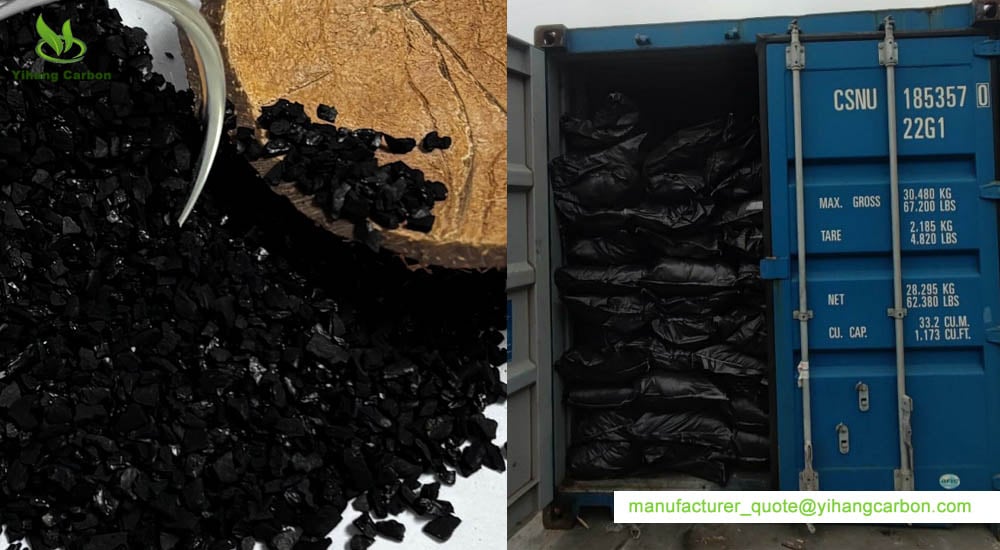
ແມ່ນແລ້ວ. YH‑Carbon ສະໜອງຄາບອນເມັດທີ່ຟື້ນຟູຄຳຈາກເປືອກໝາກພ້າວທົ່ວໂລກໃຫ້ແກ່ສະຖານທີ່ຂຸດຄົ້ນບໍ່ແຮ່. ມີການຈັດການຂົນສົ່ງສິນຄ້າສາກົນຢ່າງຄົບຖ້ວນ, ເອກະສານສົ່ງອອກທີ່ຄົບຖ້ວນ ແລະ ວິທີແກ້ໄຂການຈັດສົ່ງທີ່ທ່າເຮືອປາຍທາງ. ສິນຄ້າຖືກບັນຈຸໃນຖົງໃຫຍ່ສຳລັບການໂຫຼດຕູ້ຄອນເທນເນີ 40’HC, ພ້ອມດ້ວຍເອກະສານ COA ຂອງ SGS / Intertek ຕາມຊຸດການຂົນສົ່ງໃນທຸກໆຄັ້ງ.
 EN
EN