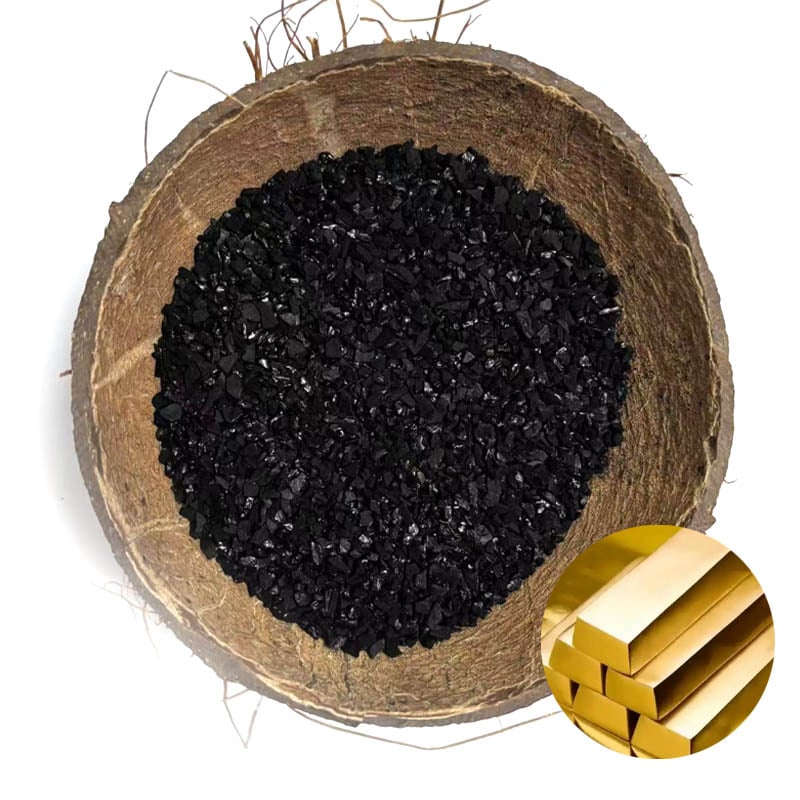
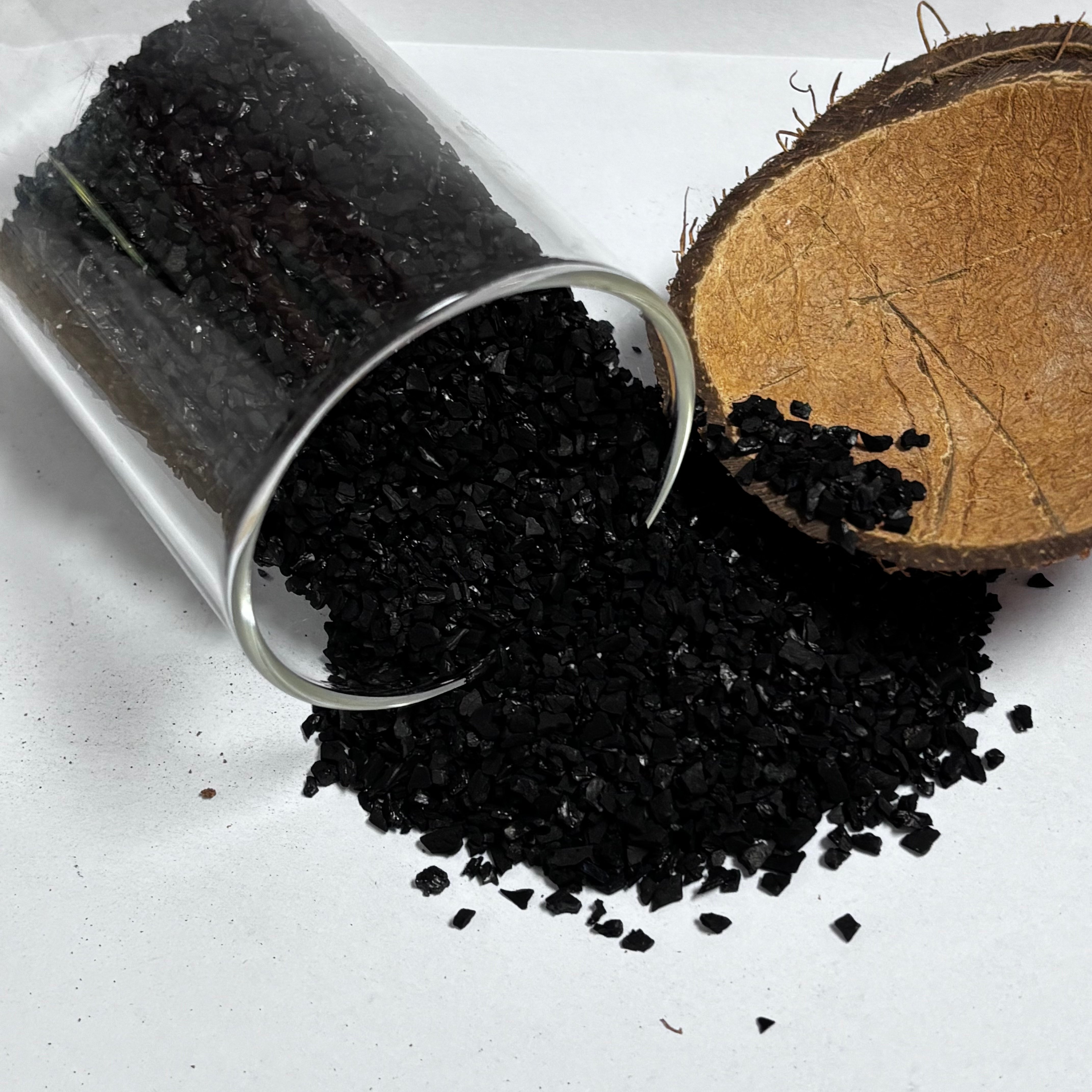
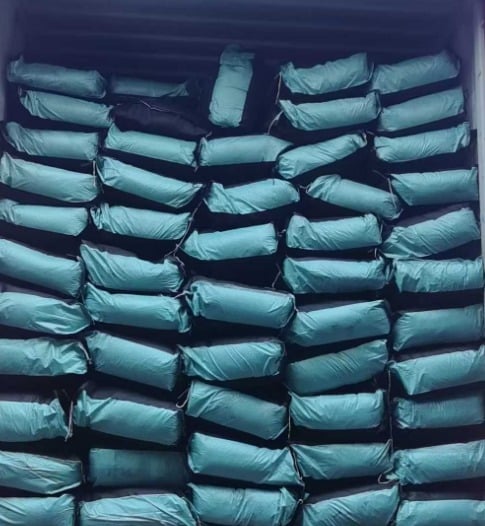
YHGOLD series metallurgical‑grade coconut‑shell activated carbon is specially developed for industrial gold recovery. Made from premium coconut shells via high‑temperature steam activation, it possesses optimized micropores for adsorbing gold‑cyanide complexes.
Four grades cover iodine values from 1050 mg/g to 1200 mg/g. Featuring ≥98.5% ball‑pan hardness and low attrition loss, it minimizes gold loss and supports multiple regeneration cycles. Available in 6×12, 6×16, 8×16 mesh sizes, it suits CIP, CIL, CIC and heap‑leach processes. Each batch comes with COA; third‑party inspection is acceptable. It helps mines improve gold yield and reduce operational costs.
YHGOLD series metallurgical‑grade activated carbon is premium regenerable granular activated carbon manufactured from high‑grade mature coconut shell charcoal via high‑temperature steam activation process, specially engineered for precious‑metal cyanide leaching and gold elution‑regeneration operations.
The product features well‑developed microporous pore architecture optimized for selective adsorption of gold‑cyanide complex ions. Strict raw‑material screening, carbonization, activation, crushing, screening and dedusting procedures deliver outstanding mechanical hardness, low attrition loss, minimal platelet content and stable batch‑to‑batch consistency.
When deployed in slurry‑based gold extraction circuits, YHGOLD carbon maintains fast gold loading kinetics, high volumetric activity and elevated gold loading capacity, while lowering soluble gold losses caused by carbon fines. Multiple thermal reactivation cycles are supported, helping mines cut carbon consumption and operating expenditure. Four grades are available covering iodine values from 1050 mg/g up to 1200 mg/g to match different ore conditions, throughput demands and process configurations for global gold mining projects across Africa, Southeast Asia and Latin America.
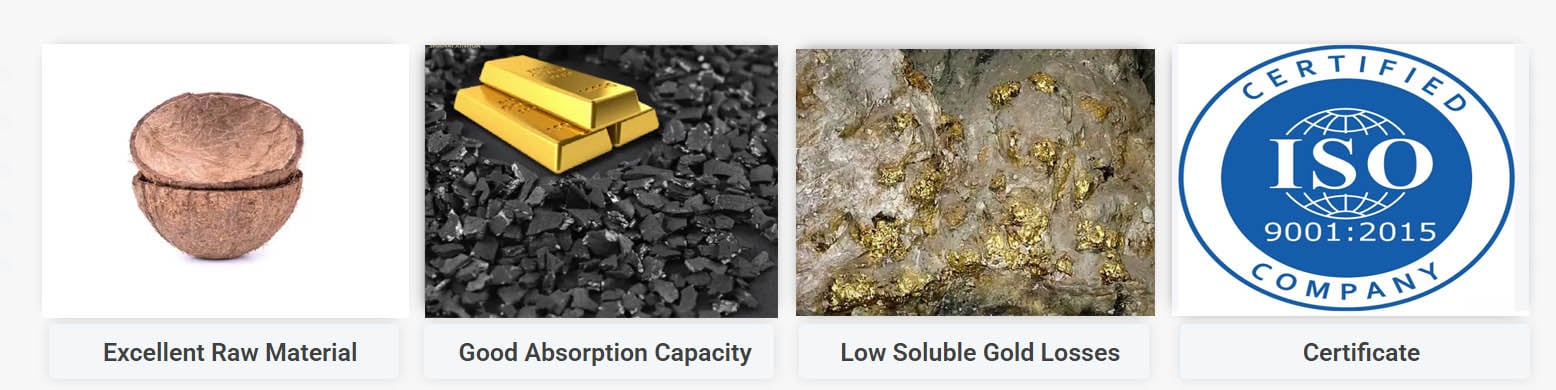
Core Product Advantages
| Product Model | Iodine Number |
|---|---|
| YHGOLD GRADE 1901 | 1050 mg/g |
| YHGOLD GRADE 1902 | 1100 mg/g |
| YHGOLD GRADE 1903 | 1150 mg/g |
| YHGOLD GRADE 2000 | 1200 mg/g |
| Item | Standard Value | Test Reference |
|---|---|---|
| Appearance | Black irregular granular particles | Visual inspection |
| Available Mesh Sizes | 6×12 mesh, 6×16 mesh, 8×16 mesh | ASTM D2862 |
| Ball‑pan Hardness | ≥ 98.5 % | ASTM D3802 |
| Attrition Rate | ≤ 0.5 % | ASTM D3802 |
| Ash Content | ≤ 3 % | ASTM D2866 |
| Moisture Content | ≤ 5 % | ASTM D2867 |
| Bulk Density | 0.48‑0.54 g/cm³ | ASTM D2854 |
| pH Value | 9‑11 | Aqueous slurry test |
| Raw Material | 100 % premium coconut shell | — |
| Activation Method | High‑temperature steam activation | 900‑1000 °C |
| Gold Activity (K‑Value) | 26‑32 kg Au/ton carbon | AARL test method |
| Adsorption Rate (R‑Value) | 50‑65 | AARL test method |
Note: K‑value and R‑value reflect real‑world gold adsorption capacity and kinetic speed. Batch COA documents including iodine, hardness, particle‑size distribution are supplied per shipment. Third‑party inspection reports are available upon request.
YHGOLD metallurgical‑grade coconut shell activated carbon is widely adopted for precious‑metal extraction circuits in global gold‑mining operations:
Mesh selection guidance:
- 6×12 mesh: Global mainstream standard for CIP / CIL, balances screening efficiency and gold‑loading kinetics, low carbon carry‑over loss
- 8×16 mesh: Faster adsorption kinetics, fit for CIC column‑type systems with well‑controlled screening
- 6×16 mesh: Intermediate option for mixed‑condition mining sites
A: For conventional CIP/CIL circuits, YHGOLD GRADE 1901 (1050 mg/g iodine) works well for general‑grade ores. High‑throughput plants or preg‑robbing carbon‑rich ores are recommended to choose GRADE 1902 / 1903. YHGOLD GRADE 2000 (1200 mg/g iodine) is the premium choice for demanding high‑gold‑loading scenarios. Share your ore characteristics, circuit type and throughput, and our technical team can deliver targeted recommendations.
A: Carbon is continuously agitated, pumped and screened inside ore slurry. Low‑hardness carbon breaks easily and generates fine particles. Carbon fines loaded with gold pass through safety screens into tailings ponds, directly causing irreversible gold loss and increasing carbon make‑up costs. Our YHGOLD series maintains ≥ 98.5 % ball‑pan hardness to minimize fine generation over multiple re‑activation cycles.
A: Under proper thermal re‑activation operation, YHGOLD carbon can achieve 5‑8 effective re‑activation cycles before major replacement. Service life varies according to ore abrasiveness, elution‑regeneration operation quality and on‑site screening performance. Strict batch‑consistent quality helps extend service life and stabilize your gold‑recovery rate.
A: Iodine number reflects overall micropore volume, while K‑value directly characterizes real gold‑loading capacity under mining‑simulated conditions. Higher iodine provides a good foundation, yet you should evaluate both K‑value and R‑value (adsorption kinetic rate) to judge actual gold‑capture performance of activated carbon, instead of only comparing iodine‑number figures.
A: Standard minimum order quantity for YHGOLD series is 5 tons. Plant‑trial samples are available. Contact sales team for sample specifications, shipping arrangement and quotation. Every commercial shipment comes with complete batch COA documentation.
A: Normal production lead‑time is 10‑15 working days for standard‑spec bulk orders. We support FOB major Chinese ports, and can coordinate DDP services for mining destinations in Africa and other regions.
I can further compress this into short e‑commerce product‑card version, or add Call‑to‑action blocks for “Get Instant Quote / Request TDS / Request Sample” .
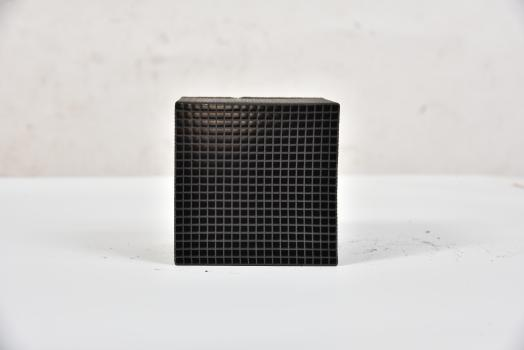
Products Number: Wholesale High Quality Cubic Activated Carbon Honeycomb Activated Carbon
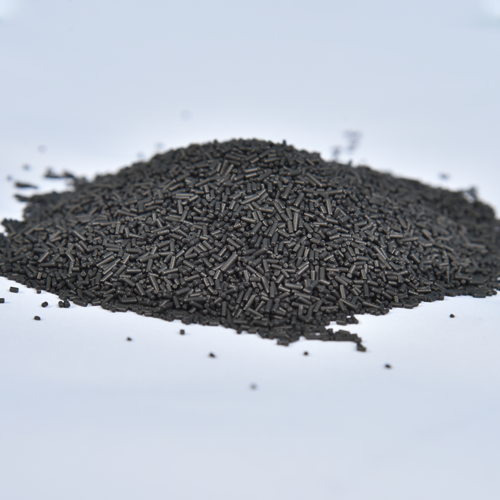
Products Number: Carbon Molecular Sieve PSA N2 Generator CMS
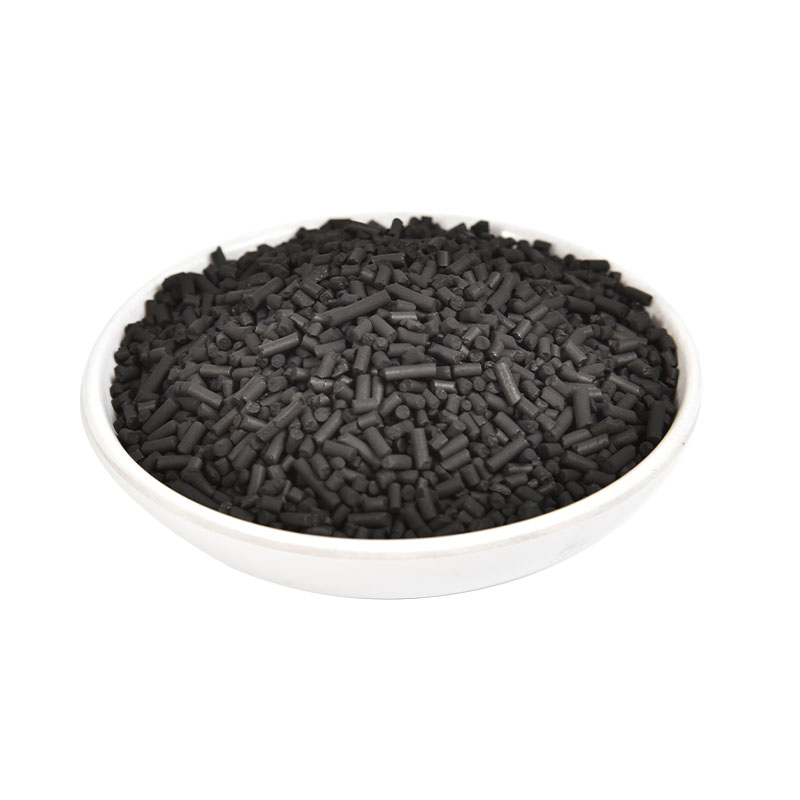
Products Number: Impregnated cylindrical activated carbon
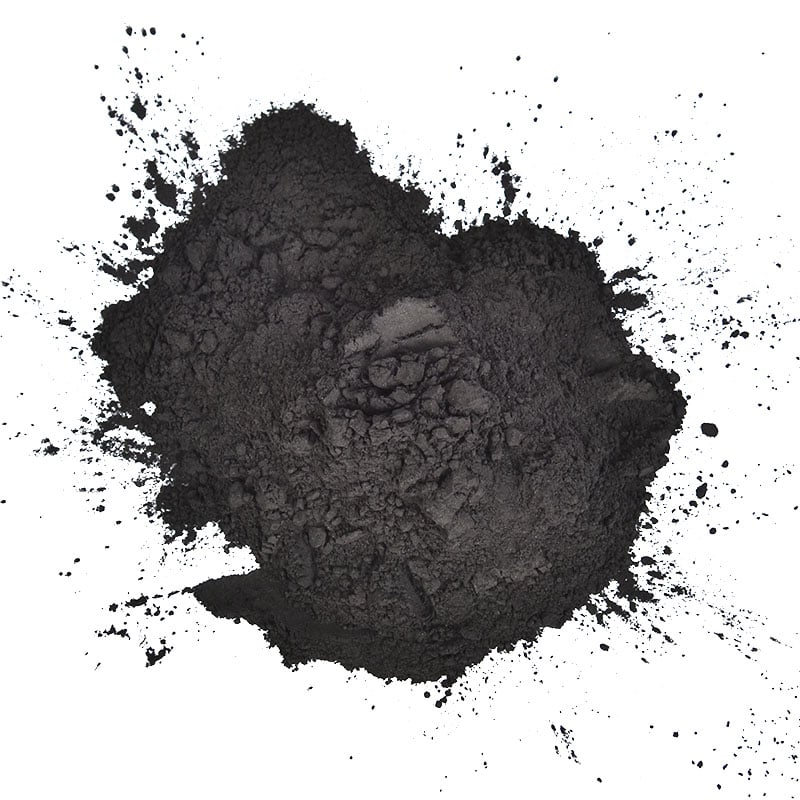
Products Number: Powdered Activated Carbon for Textile & Dyeing Wastewater Color Removal
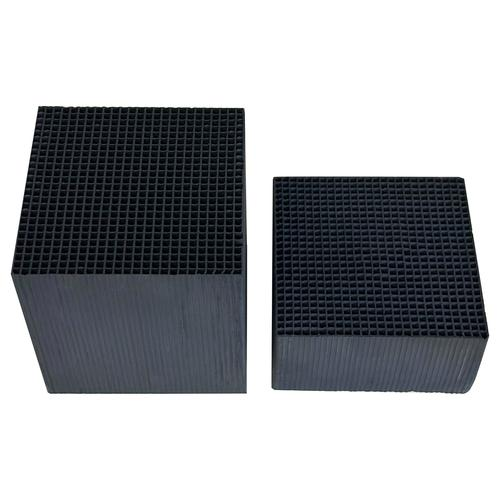
Products Number: Honeycomb Activated Carbon for VOC Gas Treatment
Products Number: YHGOLD Grade Activated Carbon For Gold Recovery
 EN
EN