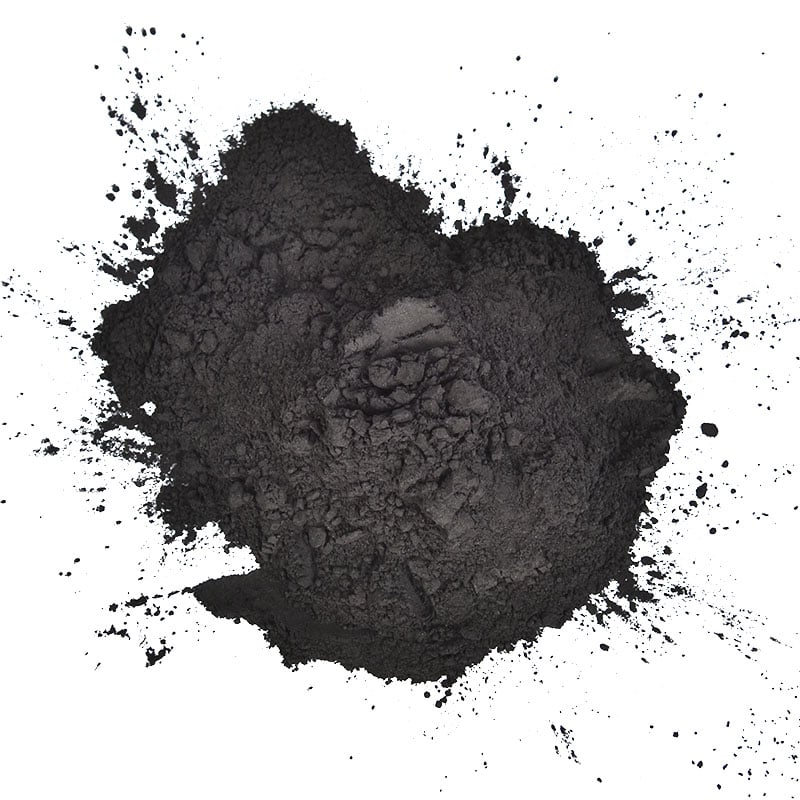
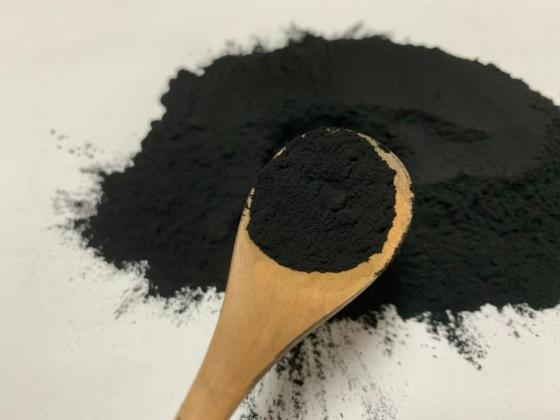
Powdered Activated Carbon (PAC) is widely used in textile and dyeing wastewater treatment due to its strong adsorption capacity and fast reaction performance. With a high surface area and porous structure, it effectively removes dyes, organic pollutants, and color, significantly reducing COD and improving biodegradability. It is commonly used as a polishing step or combined with coagulation and biological processes to enhance effluent quality and meet discharge standards.
Powdered Activated Carbon for textile wastewater, Dyeing wastewater treatment PAC, Textile effluent treatment carbon.
The manufacturing of PAC focuses on maximizing surface area through precise thermal or chemical pathways:
Raw Material Selection: Common sources include wood (sawdust), coal, or coconut shells.
Carbonization: Heating the raw material in an inert atmosphere to remove moisture and volatiles, creating a carbon char.
Activation: * Physical Activation: Using steam or CO2 at high temperatures (800°C to 1000°C) to develop the pore network.
Chemical Activation: Using agents like phosphoric acid (H3PO4) or zinc chloride (ZnCl2) at lower temperatures, which is especially common for wood-based PAC used in decolorization.
Milling & Grinding: The activated carbon is pulverized into a fine powder, typically where 90% or more passes through a 325-mesh (44 microns) or 200-mesh (74 microns) screen.
Ultra-Fine Particle Size: The powdered form provides a significantly higher external surface area compared to granular carbon.
Developed Mesoporosity: Wood-based PAC, in particular, features a high volume of mesopores (2–50 nm), which are essential for capturing large-molecule organic pollutants and dyes.
High Functional Group Density: The chemical activation process often leaves oxygen-containing functional groups on the surface, enhancing its chemical adsorption capabilities.
Rapid Adsorption Kinetics: Because the particles are so small, the "diffusion path" for contaminants is very short, allowing for near-instantaneous adsorption.
Low Capital Investment: PAC is often dosed directly into existing treatment tanks as a slurry, requiring no expensive fixed-bed adsorber vessels.
Flexible Dosing: Operators can adjust the dosage according to the seasonal or hourly fluctuations in water contamination levels, making it highly cost-effective for intermittent issues.
Superior Decolorization: It is the industry standard for removing color, taste, and odor (T&O) compounds due to its ability to reach high iodine and methylene blue values quickly. 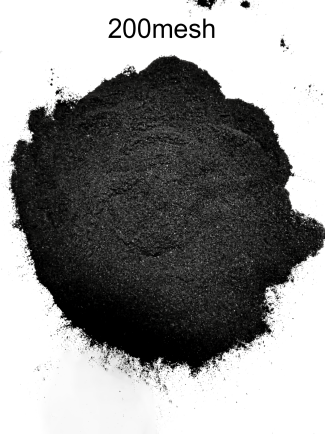
|
Parameter |
Unit |
Wood-Based PAC (Recommended) |
Coal-Based PAC |
|
Iodine Value |
mg/g |
800 - 1100 |
800 - 1000 |
|
Methylene Blue |
mg/0.1g |
12 - 18 (High Decolorization) |
10 - 15 |
|
Specific Surface Area |
m2/g |
900 - 1200 |
900 - 1100 |
|
Ash Content |
% |
< 5% |
< 8% |
|
Moisture Content |
% |
< 8% |
< 8% |
|
PH Value |
- |
3.0 - 5.0 (Acidic) or 7.0 |
8.0 - 11.0 |
|
Particle Size |
mesh |
200 - 325 |
200 - 325 |
|
Bulk Density |
g/L |
420 - 520 |
420 - 520 |
1.Core Application: Textile & Dyeing Wastewater
Exceptional Decolorization: PAC is highly effective in removing complex organic dyes (such as reactive, acid, and disperse dyes) that are difficult to treat with biological methods.
Rapid COD & BOD Reduction: It quickly adsorbs refractory organic matter, helping factories meet strict environmental discharge standards.
Synergistic Coagulation: In wastewater plants, PAC is often added alongside coagulants. It acts as a "nucleus" for floc formation, leading to faster settling and clearer effluent.
Pre-treatment for Membrane Systems: By removing organic foulants, PAC protects expensive RO (Reverse Osmosis) membranes from clogging, extending the equipment's lifespan.
2. Other Major Applications
Drinking Water Purification: Used for seasonal taste and odor (T&O) control, and the removal of pesticides and micro-pollutants.
Food & Beverage Industry: Decolorization of sugar, glucose, and edible oils. It ensures high purity and clarity in the final product.
Waste-to-Energy: Injected into flue gas streams to capture heavy metals (mercury) and dioxins, ensuring air emission compliance.
Pharmaceutical Industry: Purification of APIs (Active Pharmaceutical Ingredients) and removal of impurities during the chemical synthesis process.
Q1: Why is Powdered Activated Carbon (PAC) preferred over Granular Activated Carbon (GAC) for wastewater treatment?
A: PAC offers a much larger surface area and faster adsorption kinetics. Since wastewater treatment often involves large volumes of water with varying pollution levels, PAC can be dosed directly and reacts almost instantly, providing more operational flexibility without the need for expensive filtration columns.
Q2: Can your PAC meet specific food-grade or international environmental standards?
A: Yes, we can customize technical parameters (such as Iodine value, Methylene Blue value, and PH) to meet specific requirements. We provide COA (Certificate of Analysis) for every batch to ensure consistency and compliance with your local regulations.
Q3: What are the standard packaging and storage requirements?
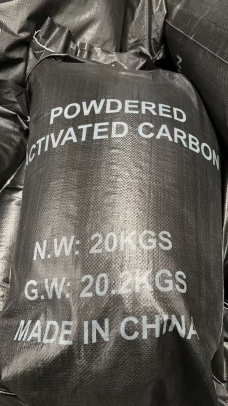
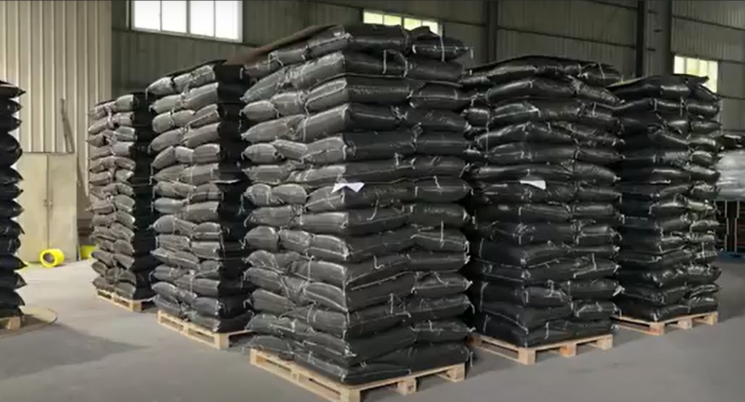
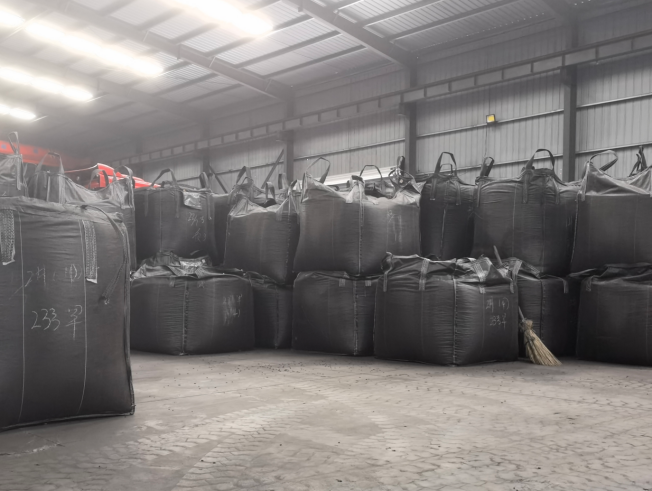
A: Our PAC is typically packed in 20kg bags or 500kg/1000kg jumbo bags. It should be stored in a cool, dry place away from oxidizing agents and direct sunlight. To maintain its adsorption capacity, keep the bags sealed until use to prevent the absorption of atmospheric moisture and odors.
Certifications: ISO 9001 Quality Certification, NSF/ANSI 61 Standard Certification, meeting drinking water treatment safety requirements.
PAC Application Case Studies: Textile Wastewater Decolorization Project
Location: Ho Chi Minh City, Vietnam
Industry: Textile & Dyeing (Printing/Fabric Finishing)
Challenge: The client’s biological treatment system couldn’t effectively remove color from reactive and acid dyes, leading to non-compliance with local discharge standards.
Our Solution: Provided high-mesopore Wood-based PAC (325 Mesh).
Key Results:
Achieved 98% decolorization rate within 30 minutes of contact time.
Reduced effluent COD from 150 mg/L to below 50 mg/L.
Improved sludge compaction, reducing overall waste disposal costs.
Products Number: 70% 80% 85% 90% fixed carbon content
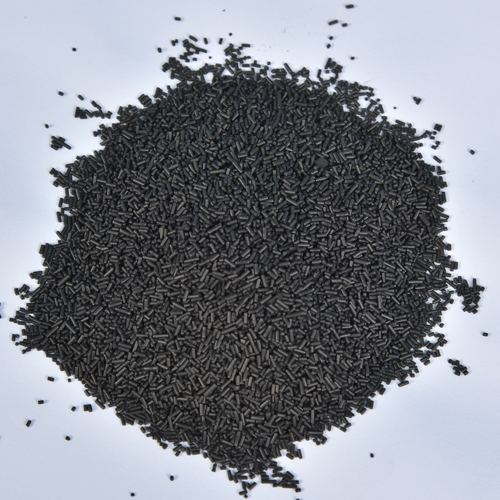
Products Number: Carbon molecular sieve nitrogen generator CMS200-280
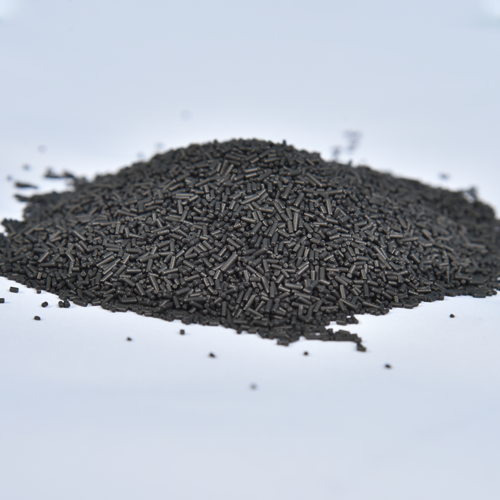
Products Number: Carbon Molecular Sieve PSA N2 Generator CMS
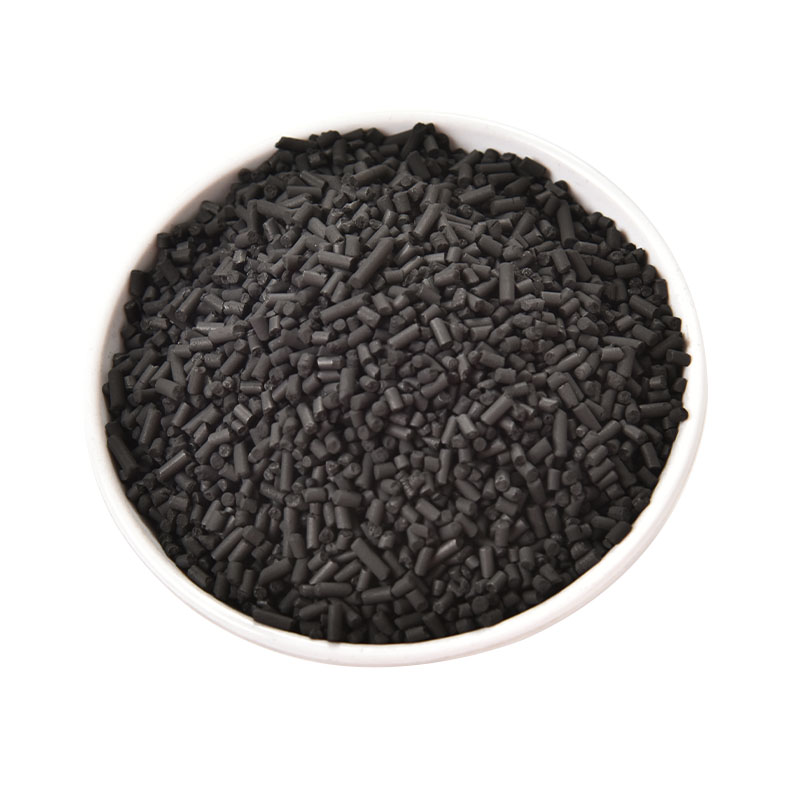
Products Number: Supplier Manufacturer Impregnated Copper Oxide Formaldehyde Columnar Sulfur-impregnated Activated Carbon
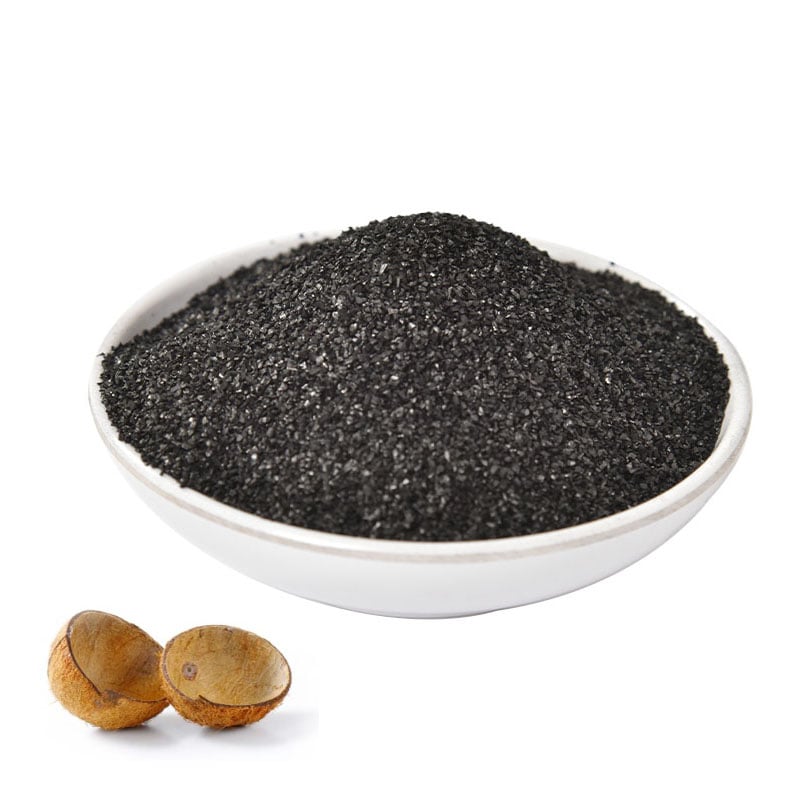
Products Number: 8×30 Mesh Granular Activated Carbon for High-Adsorption Waste Gas & Wastewater Treatment
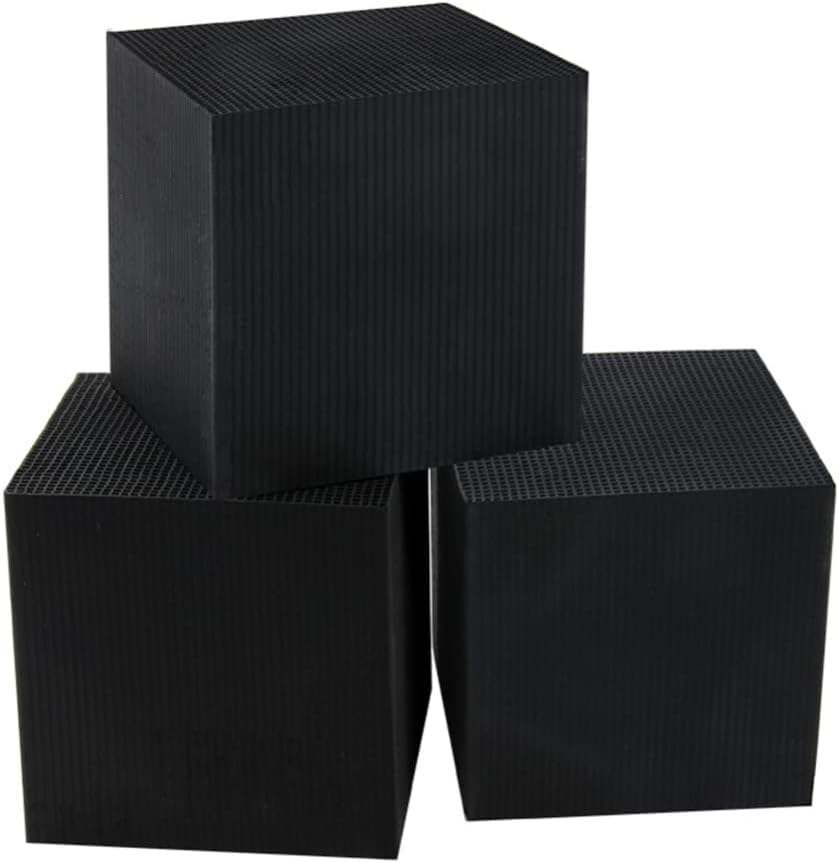
Products Number: Honeycomb Activated Carbon Specialized for Pool & Aquarium Water Purification
 EN
EN