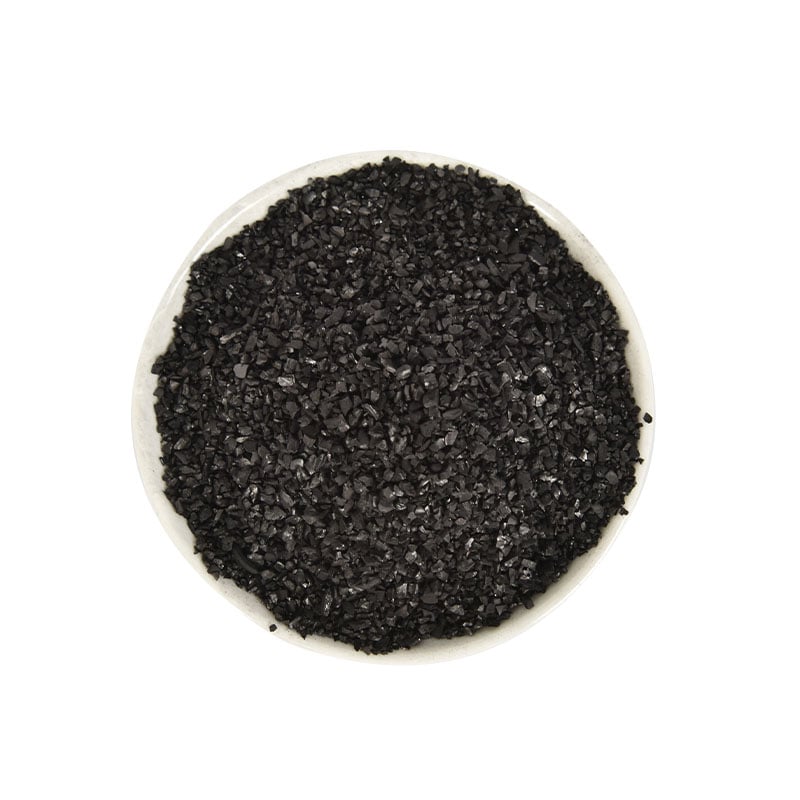
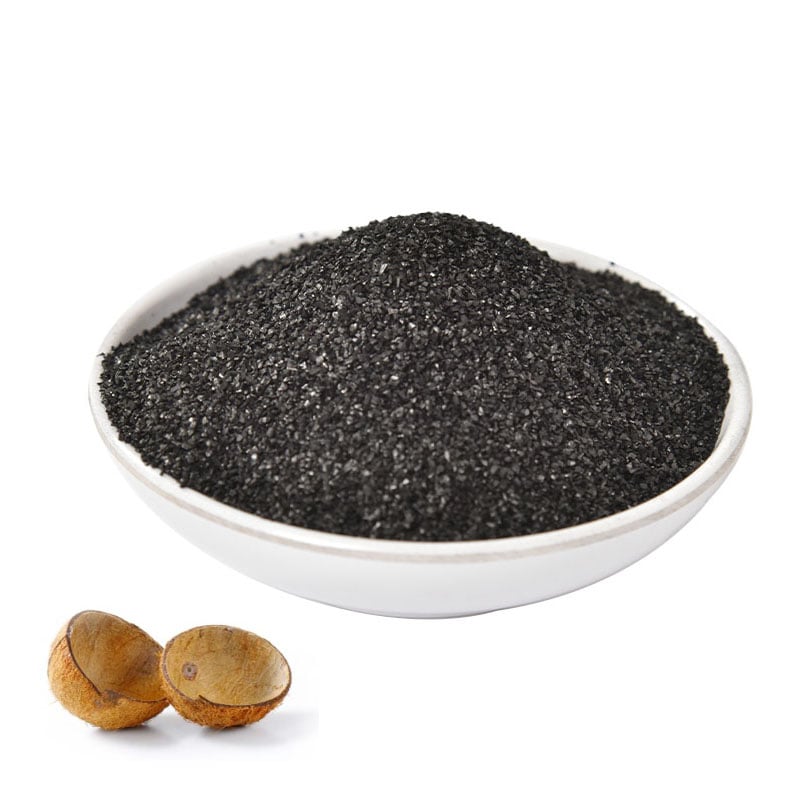
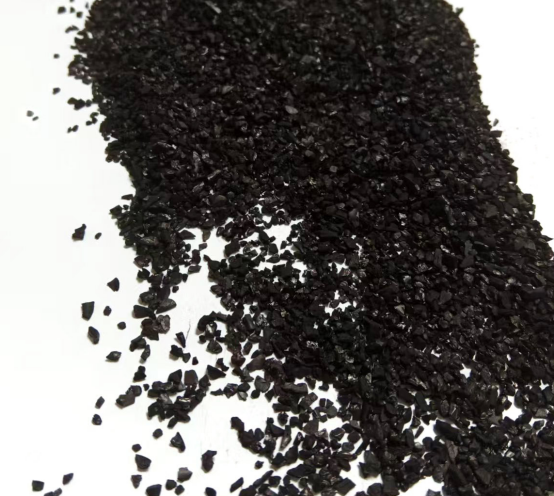
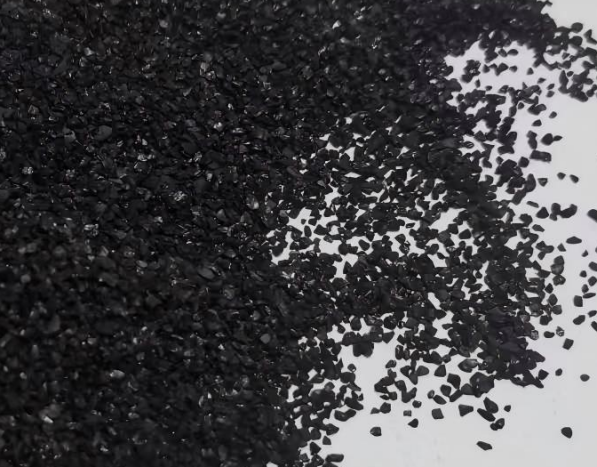
High-performance coal & coconut shell granular activated carbon to protect RO membranes, reduce operational costs and deliver premium fresh water quality for all desalination plants
Factory Direct Supply Coal & Acid Washed Coconut Shell Granular Activated Carbon | Specialized Filter Media For Desalination RO Pretreatment & Drinking Water Post Polishing, Extend RO Membrane Service Life, Cut Plant Operation Costs & Optimize Final Tap Water Quality
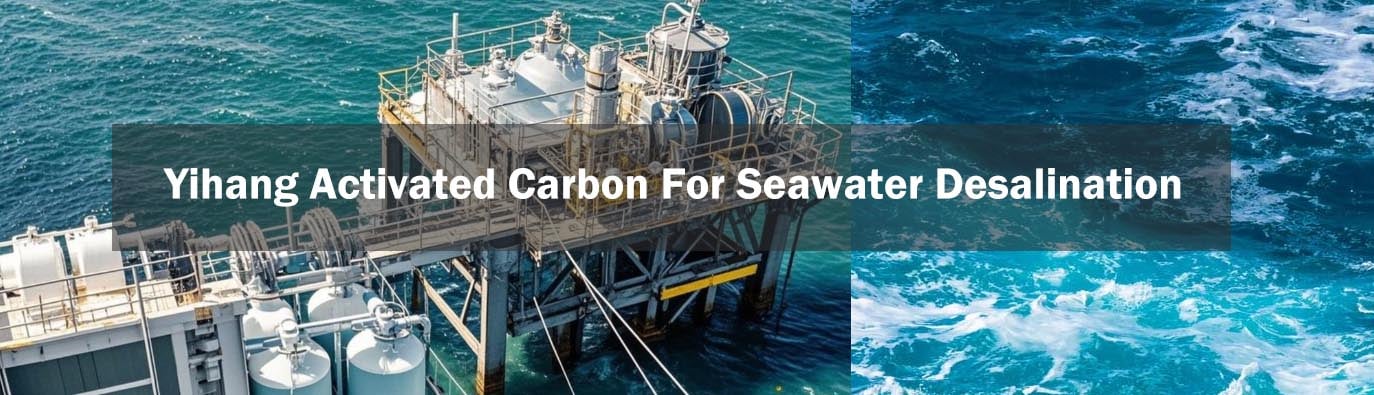
Seawater contains free chlorine, natural organic matter, algae metabolites and colloids, which cause irreversible oxidation, biofouling and frequent chemical cleaning of expensive RO membranes. Yihang seawater desalination activated carbon includes two dedicated grades: coal-based granular carbon for front-end pretreatment and acid-washed coconut shell carbon for final freshwater polishing.
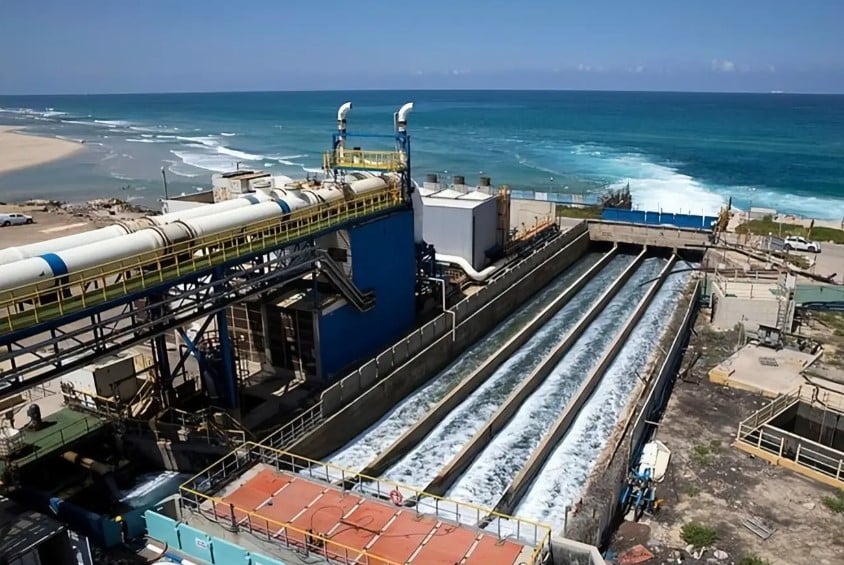
Our carbon is manufactured with balanced micro and mesopore structure, high iodine value and powerful chlorine removal performance. Installed in filter tanks before reverse osmosis units, it captures oxidants and organic contaminants, extending RO membrane service life by 30%–50%. Deployed at the post-treatment stage after desalination, it absorbs trace VOCs, disinfection by-products and unpleasant odor, refining water taste to meet global drinking water standards.
Boasting high mechanical hardness, minimal dust generation and low ash content, our carbon withstands repeated long-term backwashing without introducing secondary water contamination. We customize particle sizes, iodine values and adsorption indicators to match varying seawater salinity, system flow rates and project budgets, serving coastal desalination stations, brackish water treatment and industrial water reuse projects worldwide.
https://www.carbonyihang.com/granular-activated-carbon-is-used-for-water-treatment
| Item | Specification |
|---|---|
| Raw Material | Bituminous coal |
| Particle Size | 8×30 mesh / 12×40 mesh |
| Iodine Number | 800–1100 mg/g |
| Hardness | ≥93% |
| Moisture | ≤4% |
| Ash Content | ≤10% |
| Bulk Density | 0.45–0.55 g/ml |
| pH Value | 6–9 |
| Item | Specification |
|---|---|
| Raw Material | Coconut shell, acid rinsed |
| Particle Size | 8×30 mesh/12×40 mesh |
| Iodine Number | 900–1200 mg/g |
| Hardness | ≥96% |
| Moisture | ≤4% |
| Ash Content | ≤2% |
| pH Value | 6–8 |
| Chlorine Removal Rate | ≥98.5% |
A1: No. Activated carbon only adsorbs organics, chlorine, odor and impurities. Desalination relies on RO or CDI membrane systems; carbon acts as a critical protective filter media instead of desalting material.
A2: Pick coal-based carbon for front-end RO pretreatment with cost advantages. Select acid-washed coconut shell carbon for post-drinking water polishing if strict water taste and low ash standards are required.
A3: Replacement cycle depends on seawater organic load and system flow rate, generally 3–6 months. Carbon can be sent for thermal regeneration to lower long-term procurement costs for large plants.
A4: Our carbon features high mechanical hardness to minimize abrasion during backwashing. Low dust output avoids secondary membrane blockage; we provide customized high-strength formulas for high-flow heavy-duty systems.
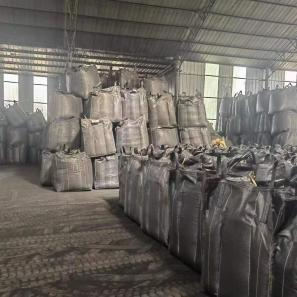
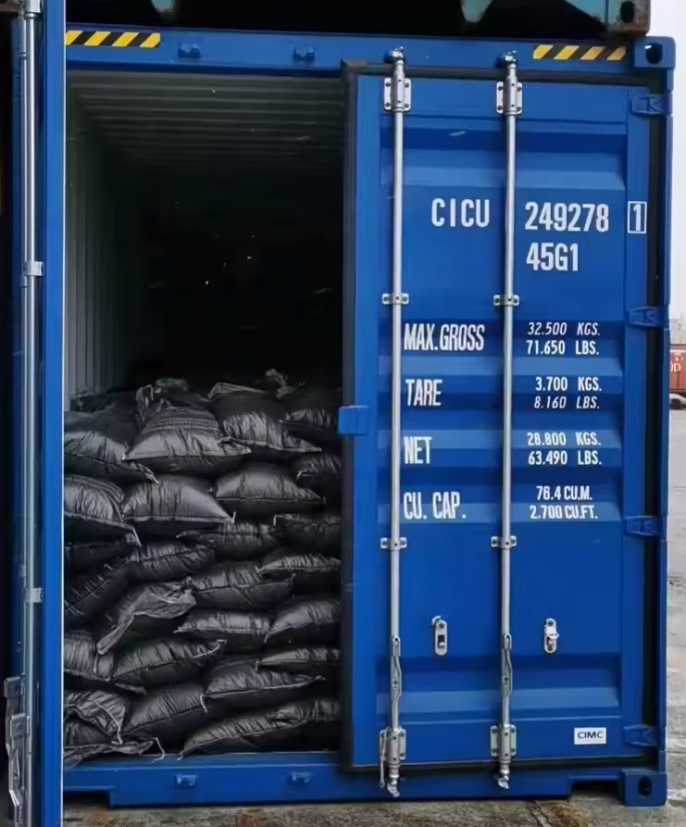
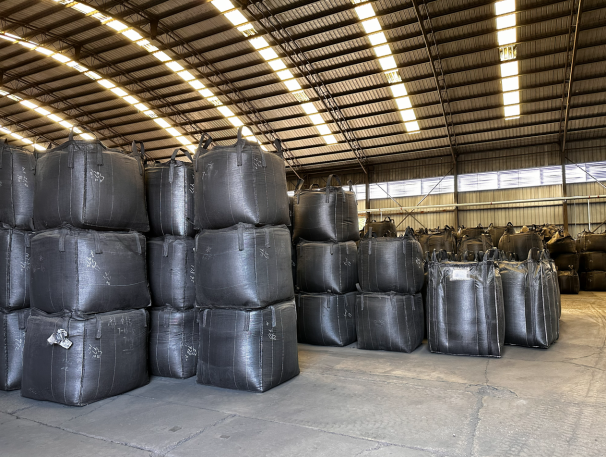
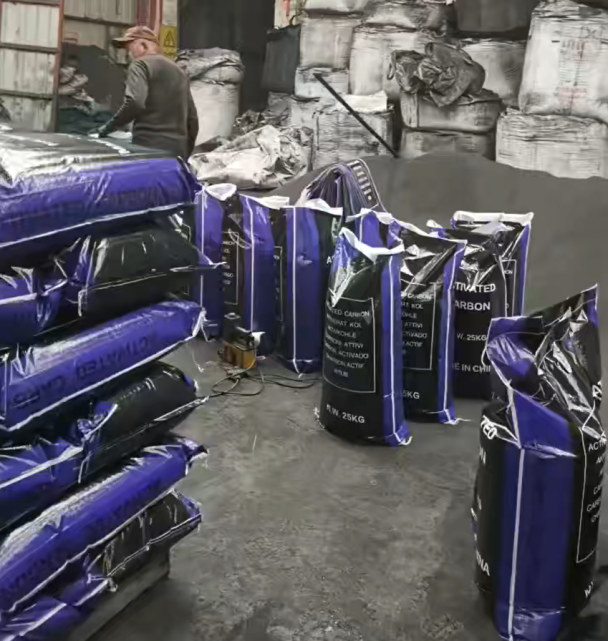
A5: Yes. We adjust mesh size, iodine value and pH per your water test report. Standard 25kg woven bags are available, plus OEM printed packaging and free sample supply for project testing.
A6: Extend RO membrane lifespan, reduce chemical cleaning agents, stabilize effluent quality, cut long-term equipment replacement and maintenance costs, and lower total energy consumption of the whole system.
A7: We support SGS third-party inspection and supply full factory QC documents covering iodine value, hardness, ash and chlorine removal indicators before shipment.
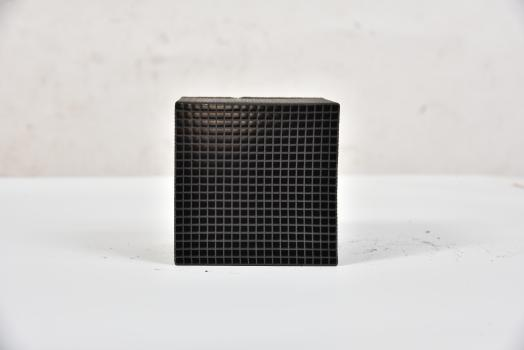
Products Number: Wholesale High Quality Cubic Activated Carbon Honeycomb Activated Carbon
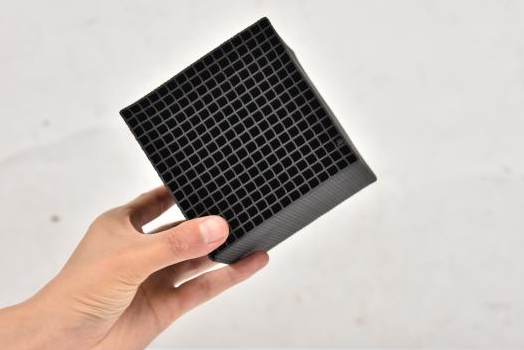
Products Number: Waterproof cubic activated carbon water purification honeycomb activated carbon
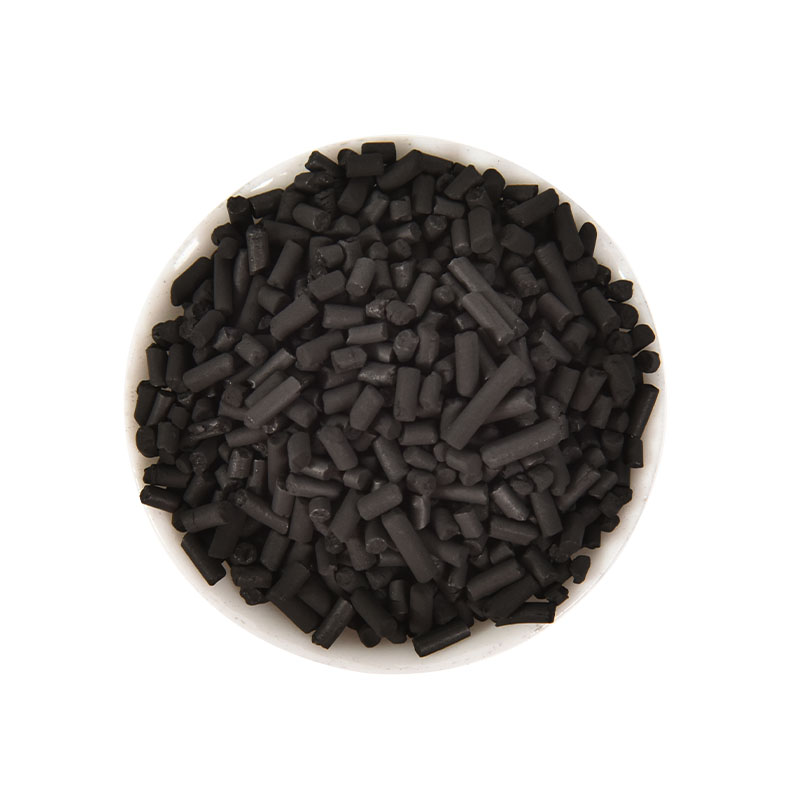
Products Number: Coal-based Pellet Activated Carbon
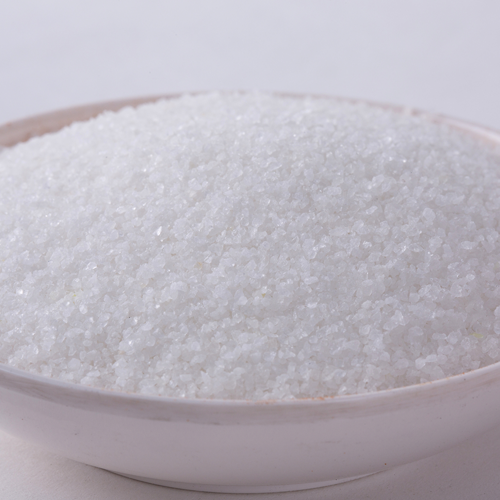
Products Number: Polyacrylamide PAM water treatment flocculant
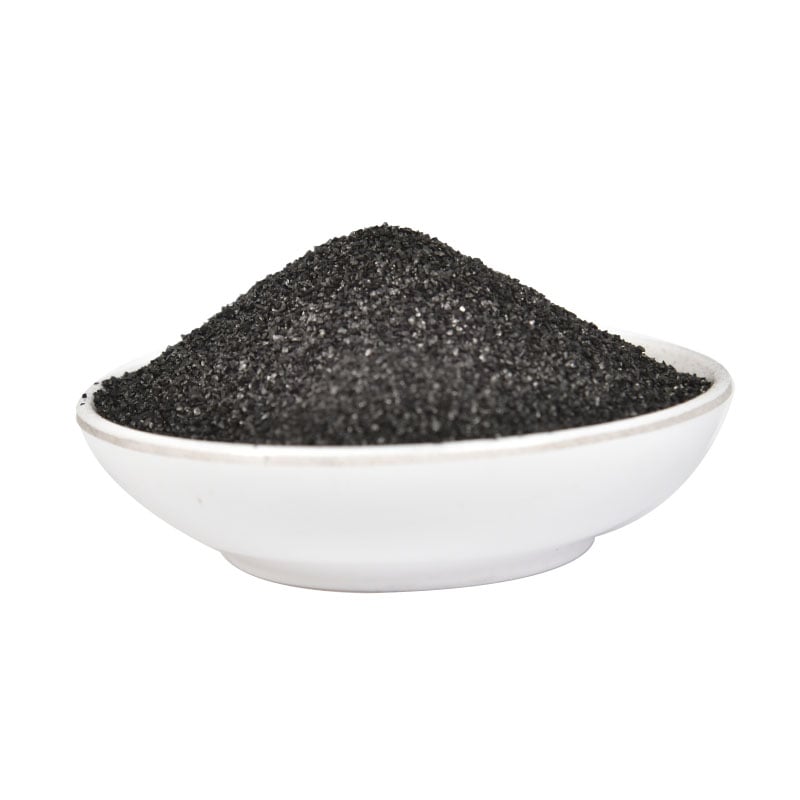
Products Number: Water Filter Cartridge with Chlorine Removal - Coconut Shell Steam Activated Carbon
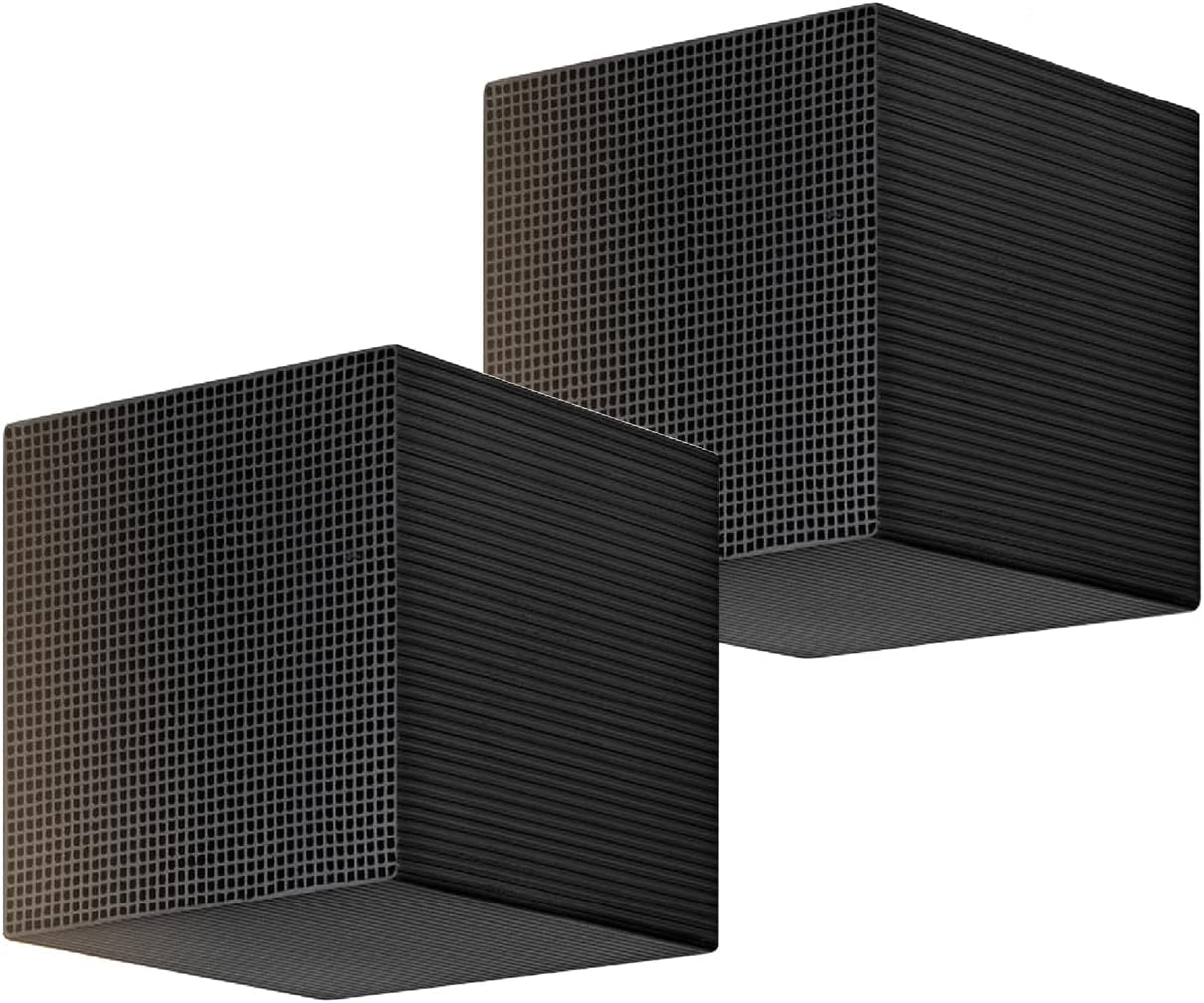
Products Number: Honeycomb Activated Carbon for Air Treatment in Fresh Air Systems
 EN
EN