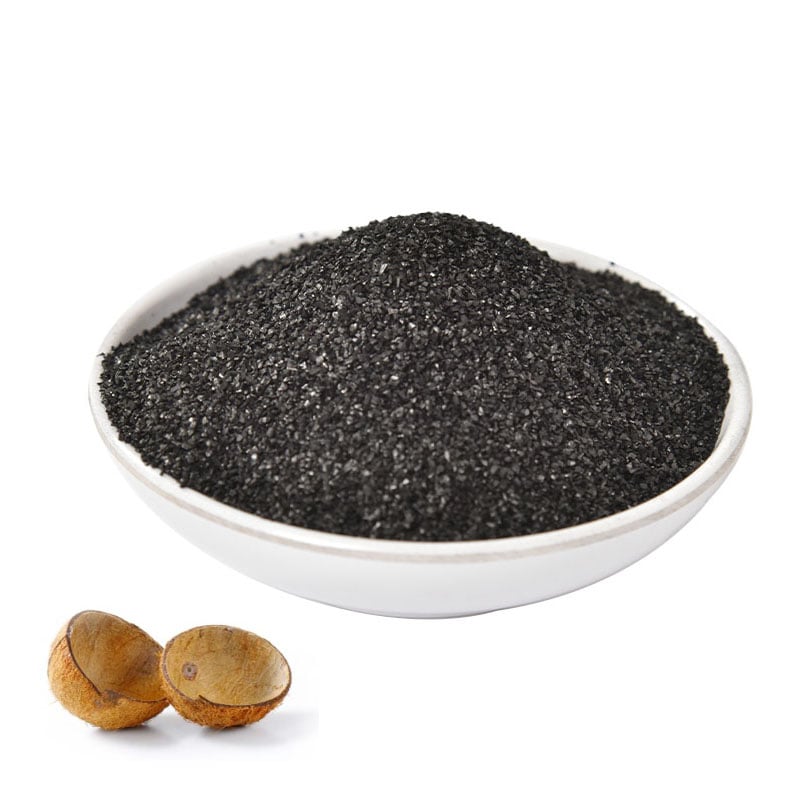
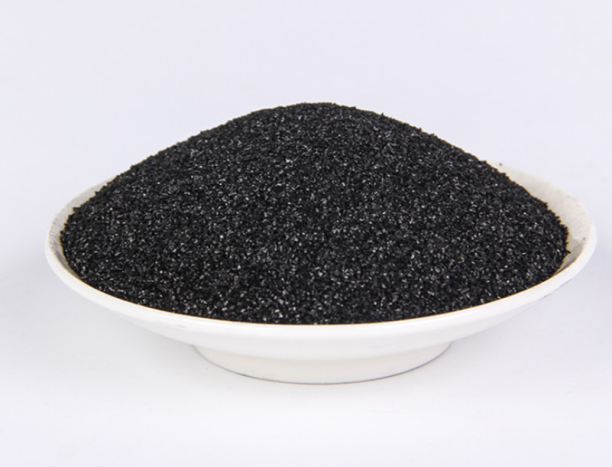
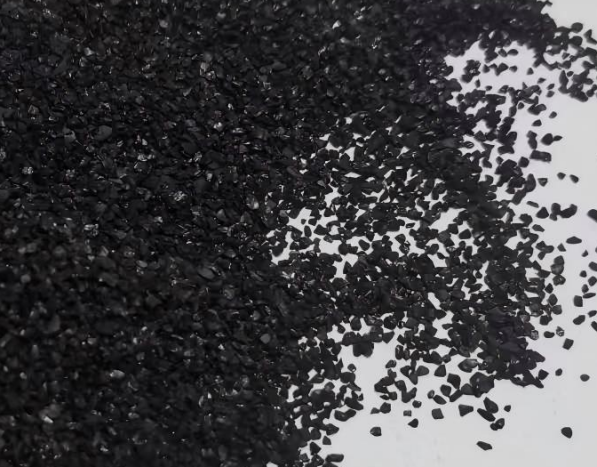
Industrial-grade 8×30 mesh granular activated carbon offers high-efficiency pollutant adsorption, is environmentally safe, and suitable for water treatment and air purification.
8×30 mesh granular activated carbon; high iodine value for dechlorination and decolorization; water purification / waste gas treatment / gold recovery; customizable by manufacturer
The production of 8x30 mesh activated carbon follows a rigorous thermal activation sequence to ensure high mechanical integrity and adsorption capacity.
Carbonization (Pre-treatment): Raw materials (predominantly bituminous coal or coconut shell) are heated in a controlled, oxygen-free environment. This eliminates non-carbon elements (H2, O2, N2), resulting in a carbon-rich intermediate.
High-Temperature Steam Activation: The carbonized granules are subjected to steam at temperatures between 850°C and 950°C. This stage induces a controlled oxidation reaction, etching the carbon surface to create a sophisticated internal pore network.
Precision Sizing (Granulation): The activated material is crushed and passed through a series of mechanical sieves. Only the particles that pass through an 8-mesh screen but are retained by a 30-mesh screen are collected.
Acid Washing (Optional): For high-purity requirements, the carbon may be acid-washed to reduce ash content and neutralize pH, followed by rinsing and drying.
Macroporous & Mesoporous Dominance: Due to its larger grain size, 8x30 mesh carbon often exhibits a well-developed mesoporous structure, making it highly effective at adsorbing larger molecular weight organic compounds.
Granular Geometry: The irregular, angular shape of the granules provides a high degree of "inter-particle space," which is essential for maintaining fluid flow.
Thermal Stability: The structure is highly resistant to thermal shocks, allowing it to be thermally regenerated and reused multiple times.
Bulk Density: It typically maintains an apparent density of 0.40 - 0.50 g/cm3, providing a stable and heavy filter bed that resists "flotation" during high-flow operations.
Exceptional Flow Rates: The primary advantage of 8x30 mesh is its low hydraulic resistance. It allows for significantly higher flow rates with minimal pressure drop compared to finer meshes like 12x40 or 20x50.
Resistance to Clogging: The larger voids between granules make it less prone to "blinding" or clogging by suspended solids or biological films, making it ideal for wastewater with higher turbidity.
Optimized for Deep Bed Filtration: It is the preferred choice for deep-bed filters where long contact times are required to remove complex organics, taste, and odor.
High Mechanical Durability: The larger particle size offers superior physical strength. It experiences minimal "fines" generation during transport, loading, and high-velocity backwashing.
Cost-Efficient Maintenance: Because it is easier to backwash and slower to clog, the operational costs and energy consumption of the filtration system are significantly reduced.
|
Parameter Item |
Standard |
|
Mesh |
8×30 mesh |
|
Iodine Adsorption Value |
≥800 mg/g |
|
Hardness |
≥95% |
|
Ash Content |
≤5% |
|
Moisture Content |
≤5% |
|
Bulk Density |
450–550 g/L |
|
Packaging |
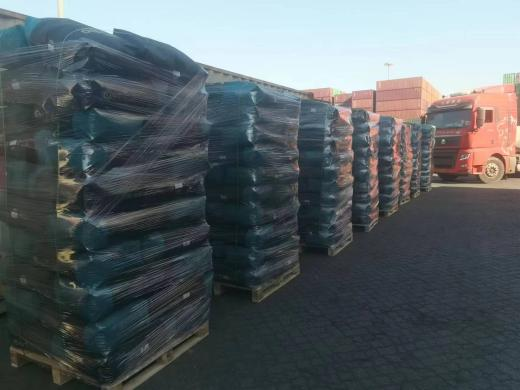
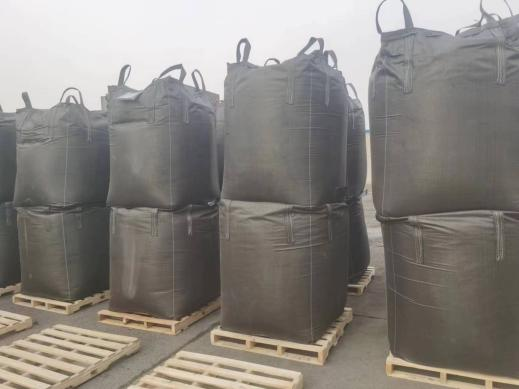
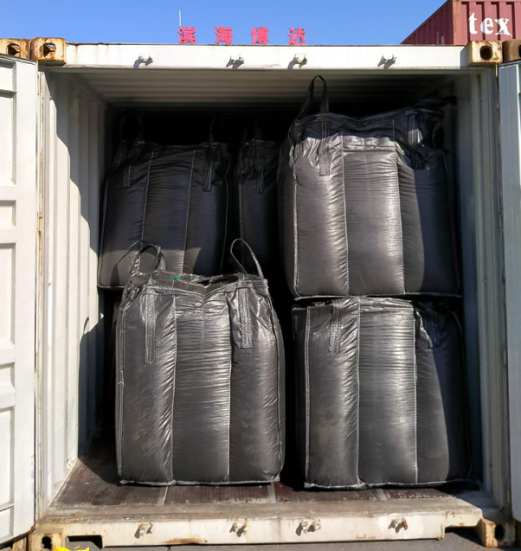
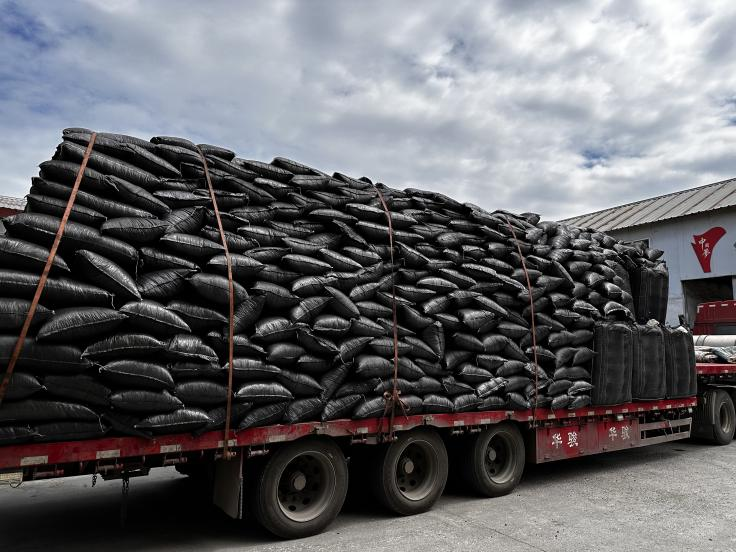
25kg/bag, 500 kg/bag, customized as requested |
1.Municipal & Industrial Water Treatment
Potable Water Purification: Used in municipal water plants to remove chlorine, TTHMs (Total Trihalomethanes), and organic contaminants that affect taste and odor.
Wastewater Remediation: Ideal for treating industrial effluents with high organic loads. Its larger particle size prevents the filter bed from clogging quickly due to suspended solids.
Pre-treatment for RO Systems: Acts as a protective filter for Reverse Osmosis (RO) membranes by removing chlorine and preventing biofouling.
2.Decolorization & Chemical Purification
Sugar & Sweetener Refining: Used to remove color bodies and organic impurities from cane sugar, corn syrup, and starch-based sweeteners.
API & Pharmaceutical Intermediates: Effective for the decolorization and purification of bulk drugs and chemical reagents during the manufacturing process.
3.Vapor Phase & Air Filtration
VOC Emission Control: Adsorption of Volatile Organic Compounds (VOCs) from industrial exhaust stacks to comply with environmental regulations.
Industrial Air Scrubbers: Used in large-scale HVAC or air scrubbing systems to remove odors and toxic gases (e.g., H2S, NH3) with minimal energy consumption for fans.
Catalyst Support: Serves as a robust carrier for chemical catalysts or impregnated treatments (such as KOH or NaOH) due to its high mechanical strength.
4.Food & Beverage Industry
Beverage Dechlorination: Ensuring the water used in soft drinks and beer is free from chlorine and off-flavors.
Edible Oil Purification: Removal of pigments, PAHs (Polycyclic Aromatic Hydrocarbons), and oxidation products from vegetable oils.
5.Gold Recovery
Carbon-in-Leach (CIL) / Carbon-in-Pulp (CIP): While 6x12 mesh is common, 8x30 mesh coconut shell carbon is frequently used in specific gold mining circuits where high hardness and a precise particle size distribution are required to minimize gold loss during friction.
Q1: What size is 8×30 mesh exactly? Why is this size most widely used?
A: "Mesh" refers to the number of openings per square inch. 8×30 mesh corresponds to a metric particle size of approximately 0.6 mm – 2.3 mm.This size is called an all-purpose size because it balances adsorption efficiency and pressure loss: fine enough for sufficient contact area, yet large enough to avoid excessive resistance to water or air flow.
Q2: Both coal-based and coconut shell activated carbon are available in 8×30 mesh. How do I choose?
A: It depends on your application and budget:Coal-based carbon: Cost-effective with well-developed mesopores. Ideal for industrial wastewater treatment, large-scale VOCs projects, and general circulating water filtration.
Coconut shell carbon: Extremely well-developed micropores and higher hardness. Suitable for drinking water purification, gold recovery (CIP/CIL), and high-purity food & pharmaceutical purification.
Q3: Does a higher iodine value always mean better adsorption performance?
A: Iodine value is a key indicator of micropore adsorption capacity, but not the only one.
For small-molecule pollutants (e.g., residual chlorine, small organic compounds), a higher iodine value is more effective.
For large-molecule pigments or complex waste gases, refer also to CTC (carbon tetrachloride adsorption) or methylene blue value.We recommend the most suitable parameter combination based on your actual working conditions, rather than simply pursuing a high iodine value, to help you save unnecessary costs.
Free sample testing and technical guidance provided.
Customized solutions and preferential quotes for bulk orders.
Free replacement or refund for quality issues within the warranty period.
1.Certifications: ISO 9001 Quality Certification, NSF/ANSI 61 Standard Certification, meeting drinking water treatment safety requirements.
2.Project Experience: Served waterworks and chemical enterprises worldwide, stably applied in industrial wastewater and drinking water purification projects with good reputation.
3.Professional Support: Over 25 years of R&D and production experience in water treatment activated carbon, providing one-on-one selection guidance.
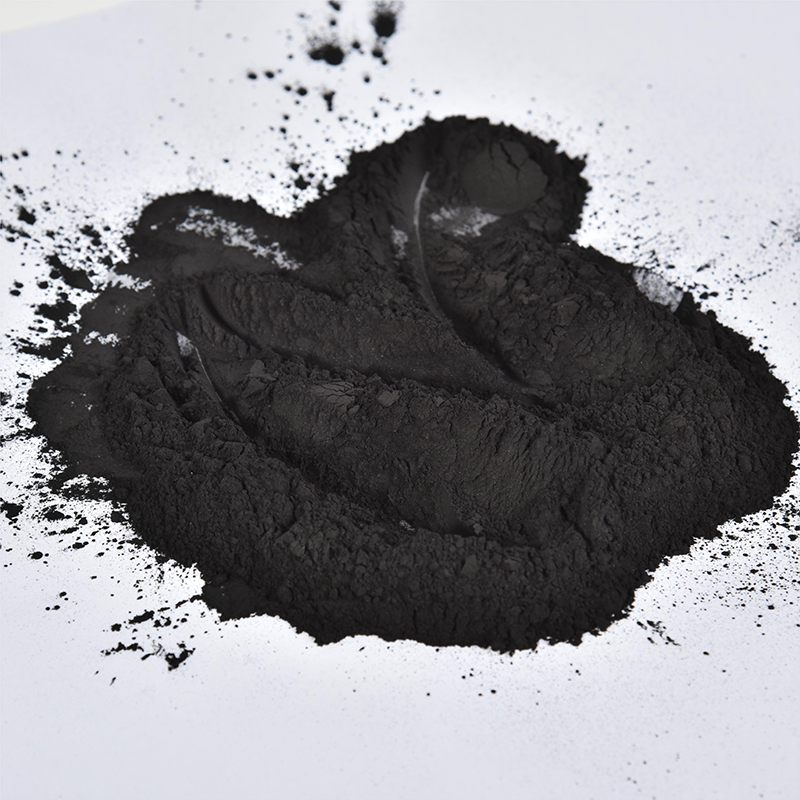
Products Number: Coal powder activated carbon
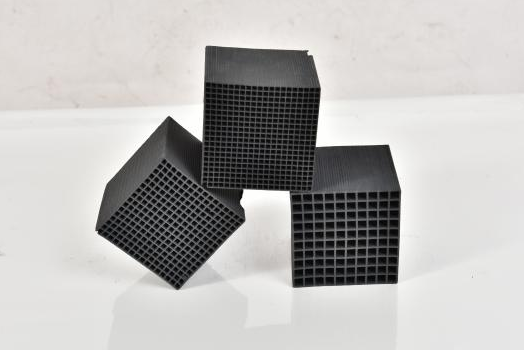
Products Number: Customized high adsorption coal honeycomb activated carbon activated carbon adsorbent for air purification
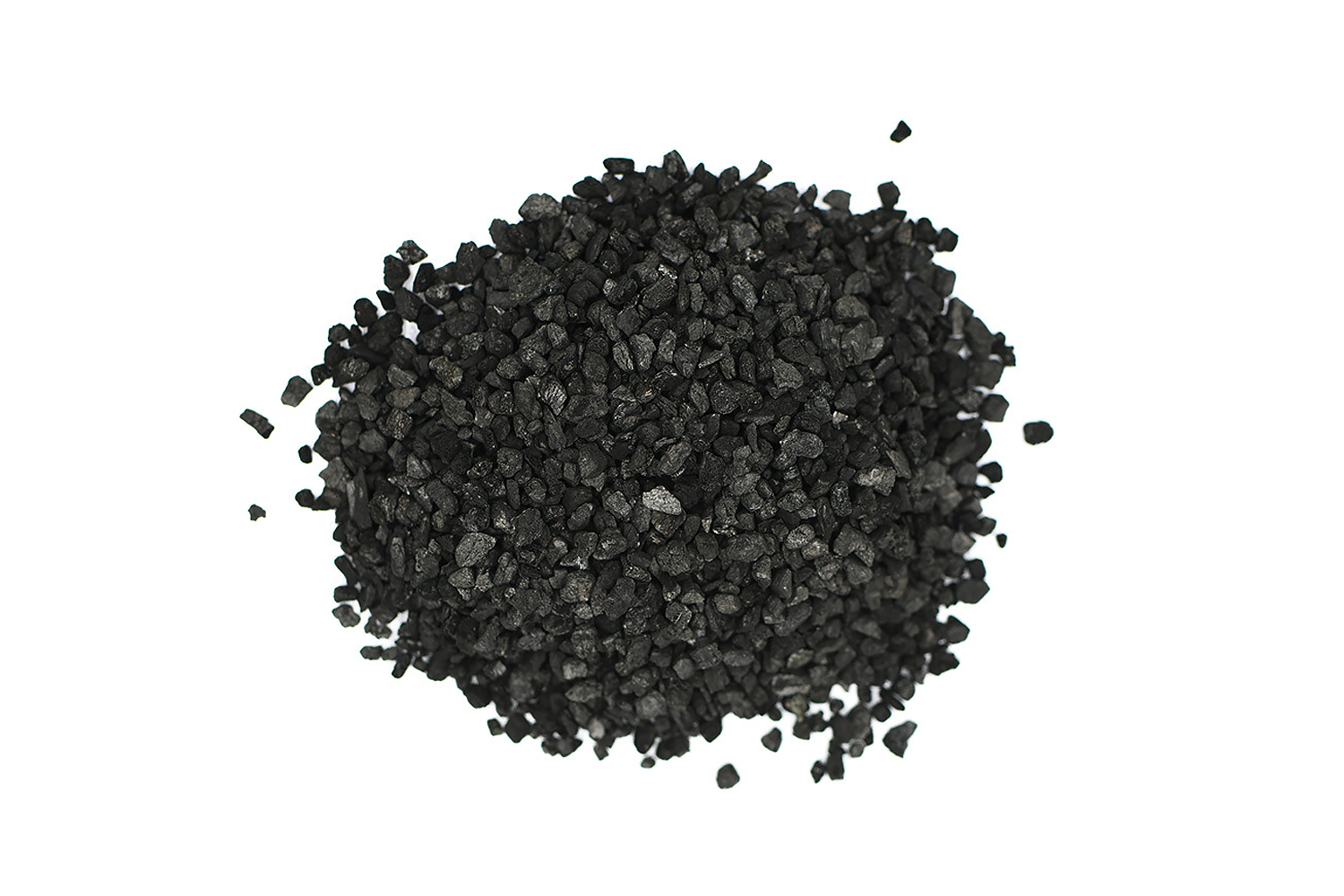
Products Number: Crushed activated charcoal Water Treatment Granular Activated Carbon
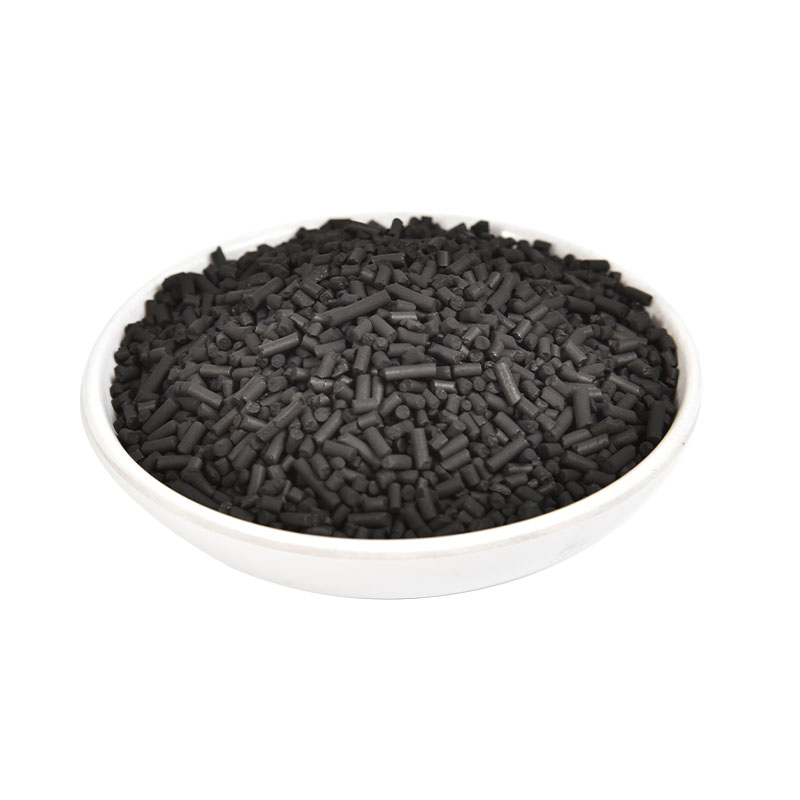
Products Number: Impregnated cylindrical activated carbon
Products Number: 8×30 Mesh Granular Activated Carbon for High-Adsorption Waste Gas & Wastewater Treatment
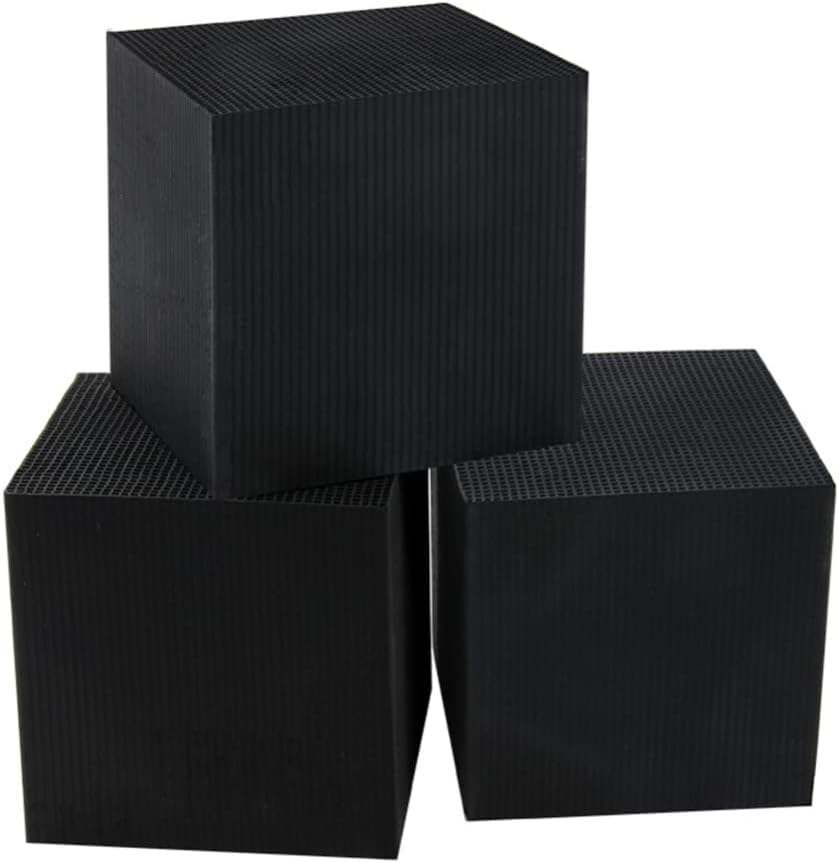
Products Number: Honeycomb Activated Carbon Specialized for Pool & Aquarium Water Purification
 EN
EN