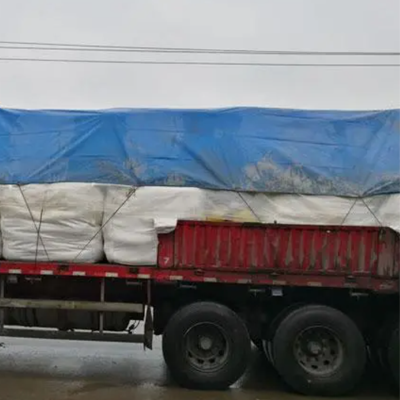
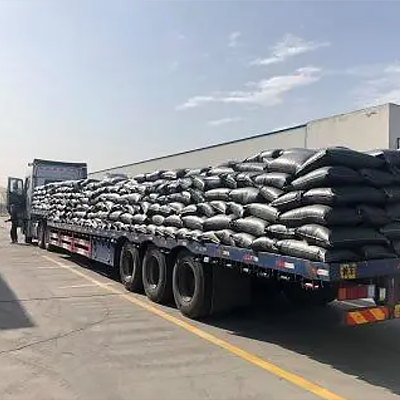
Crushed Block Granular Activated Carbon | Multi-coal Blending & Powder Compression Process | Uniform Pore Structure | High Strength, Zero Floating & Easy Regeneration | Specialized for Advanced Purification of Industrial Wastewater & Drinking Wate
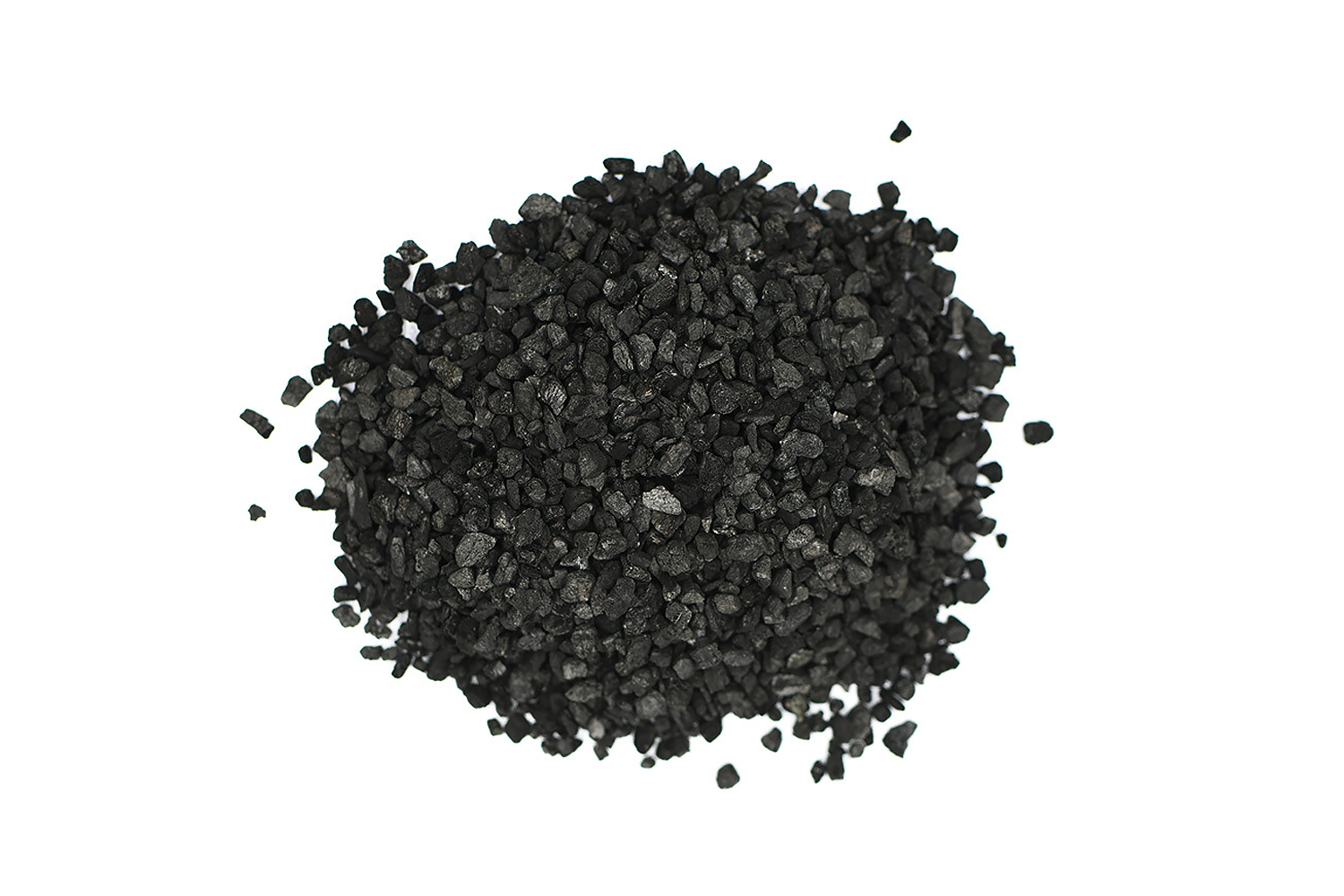
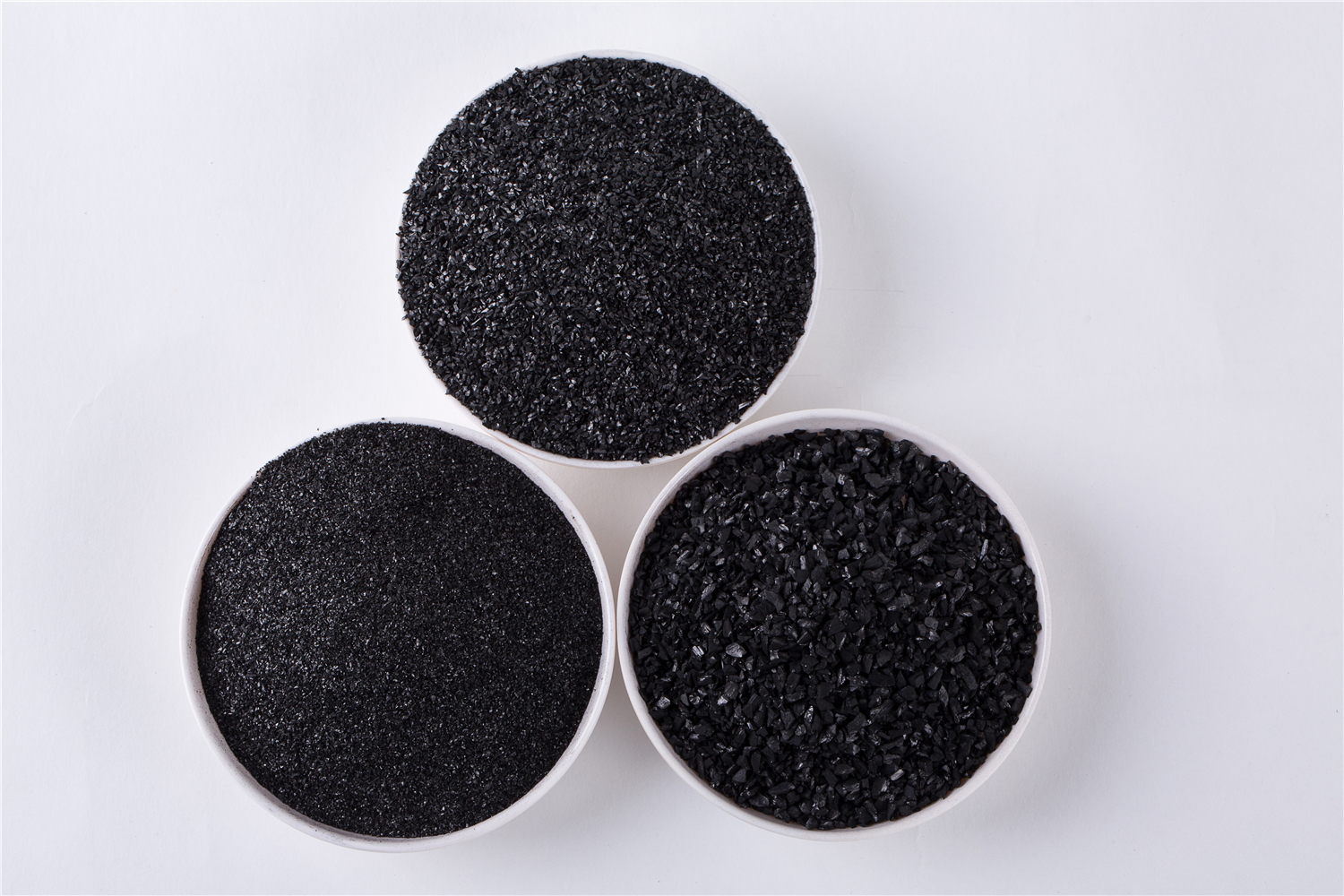
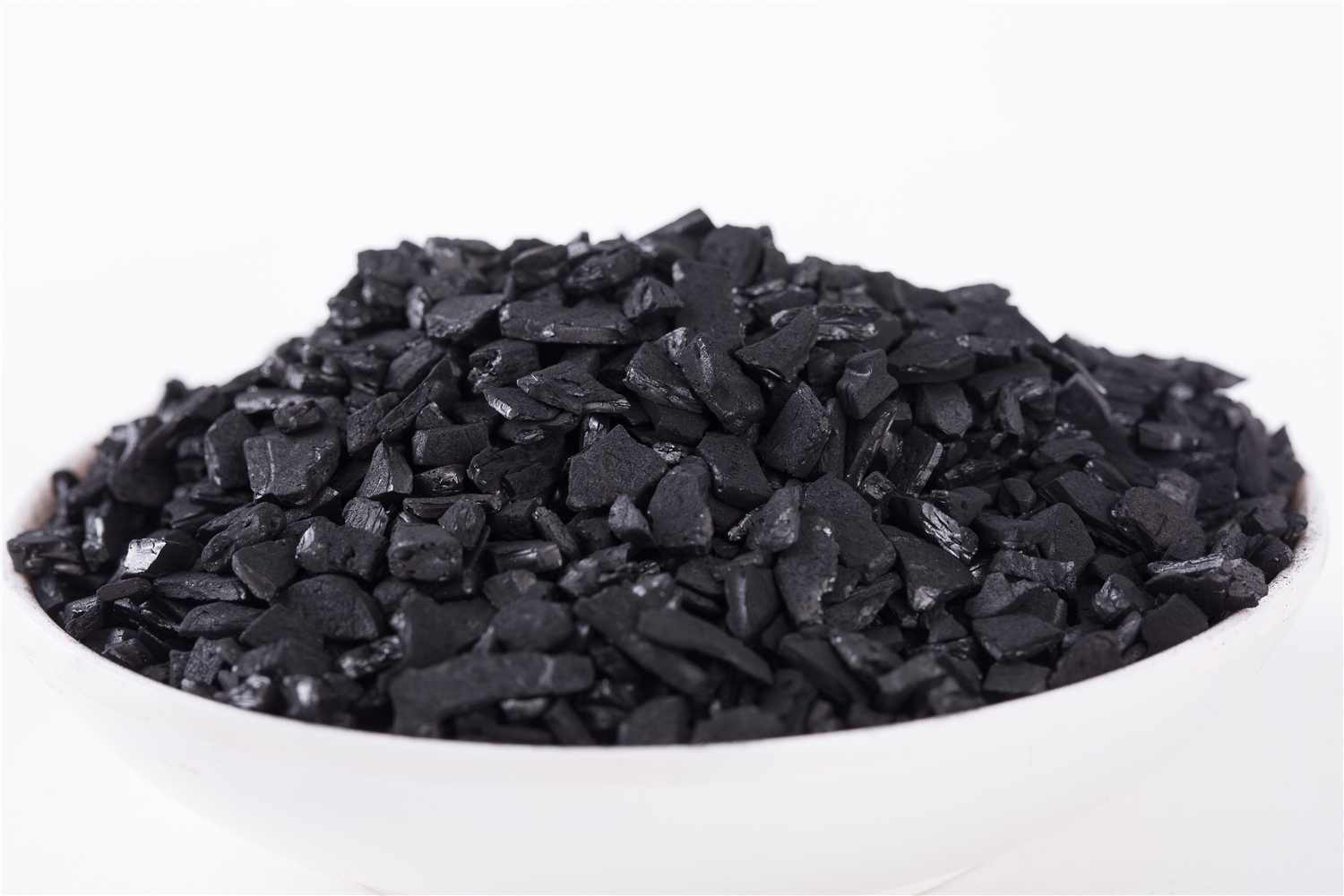
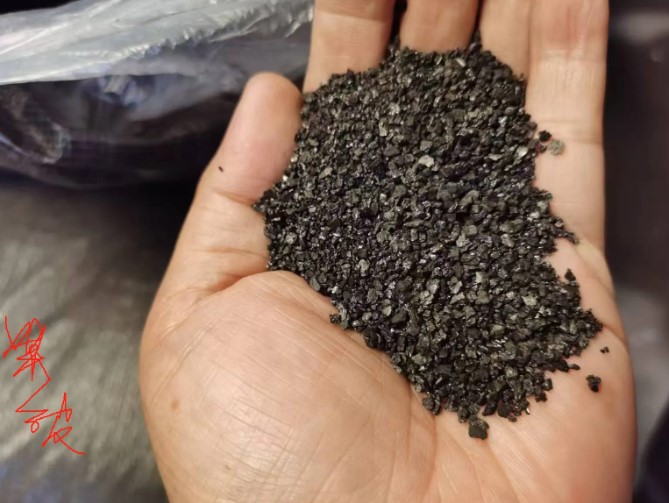
Crushed granular activated carbon, also known as crushed block activated carbon, is mainly made of high-quality bituminous coal. Adopting the powder milling and tabletting process, it is produced by blending various coals with different pore structures in specific proportions, followed by carbonization, activation, crushing and screening. It appears as black irregular particles. Different from raw coal crushed carbon and columnar activated carbon, it features a more rational pore distribution and retains the advantages of well-developed mesopores and micropores of columnar carbon. Its irregular particles create proper bed gaps, ensuring smooth fluid flow and greatly improved adsorption efficiency.
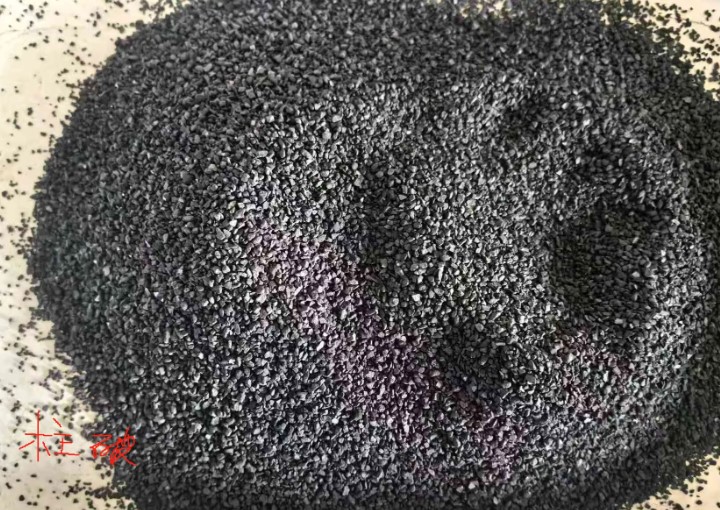
This product has zero floating property, high mechanical strength, excellent wear resistance and low pulverization rate, resulting in minimal loss during filling and operation. Its ash content is controlled between 5% and 10% with few impurities, making it ideal for high-precision purification applications. With coal blending technology, we can customize pore structures to produce carbon with a molasses value over 240mg/g for macromolecule adsorption. It also boasts outstanding regeneration performance and high regeneration yield, effectively cutting overall operating costs.
|
Item |
Specification |
|
Product Name |
Crushed Granular Activated Carbon (Block-crushed Type) |
|
Raw Material |
High-quality bituminous coal (single coal or blended multiple coals available) |
|
Standard Particle Size |
4-8 mesh, 8-30 mesh, 12-40 mesh, 30-60 mesh |
|
Iodine Number |
900-1100 mg/g |
|
Methylene Blue Value |
150-240 mg/g (Molasses value up to over 240 mg/g for premium grade) |
|
Ash Content |
5%-10% (without acid washing) |
|
Strength |
≥95% (wear-resistant and low pulverization) |
|
Floating Rate |
0% (zero floating) |
|
Pore Characteristic |
Well-developed micropores and mesopores; macropore structure customizable |
Yihang supply Coal-based Block-crushed Granular Activated Carbon (8-30 mesh)
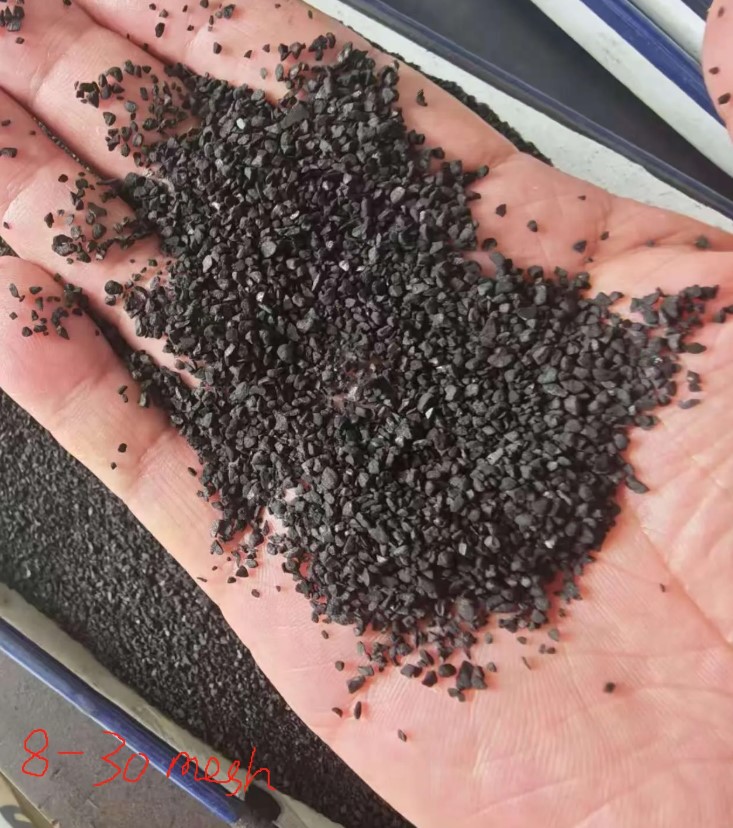
The data parameter table is as follows:
|
Item |
English Name |
Unit |
Grade 1 |
Grade 2 |
Grade 3 |
Grade 4 |
|
Iodine Adsorption Value |
Iodine Number |
mg/g |
≥900 |
≥950 |
≥1000 |
≥1050 |
|
Methylene Blue Value |
Methylene Blue |
mg/g |
≥160 |
≥180 |
≥200 |
≥220 |
|
Ash Content |
Ash |
% |
6-15 |
6-15 |
8-15 |
8-15 |
|
Hardness |
Hardness Number |
% |
≥95 |
≥95 |
≥95 |
≥95 |
|
Apparent Density |
Apparent Density |
mg/cm³ |
470±30 |
450±30 |
430±30 |
420±30 |
|
Moisture Content |
Moisture |
% |
<3 |
<3 |
<3 |
<3 |
|
Molasses Value |
Molasses Value |
— |
≥180 |
≥210 |
≥230 |
≥250 |
A1: Compared with raw coal crushed carbon, this product features higher strength and more uniform pore structure. Versus columnar activated carbon, its irregular particles form better bed gaps for smoother fluid flow and higher adsorption efficiency. Its pore structure can also be customized with developed macropores to adsorb macromolecular substances.
A2: Organic matter in water has various molecular weights and requires different pore sizes for adsorption. With well-distributed pores, this carbon can adsorb small molecules such as residual chlorine and odors, as well as macromolecules including pigments and COD. It also boasts high strength, low loss and excellent reusability, delivering high cost performance for long-term use.
A3: It has excellent regeneration capability and high regeneration yield. It maintains stable adsorption performance after multiple regenerations, greatly reducing replacement costs. It is well suited for large-scale and high-load water treatment projects.
Q4: Can customized specifications be provided? A4: Yes. We can adjust particle size, iodine number, methylene blue value and pore structure (e.g. macropore carbon with high molasses value) to meet different demands for water treatment and air purification.
A1: While retaining the high strength and low ash content of columnar carbon, it features irregular particle shape after crushing. This brings higher bed porosity, lower resistance to water and air flow, and greatly improved adsorption efficiency. In addition, coal blending technology enables flexible adjustment of pore distribution to treat pollutants of different molecular weights simultaneously.
A6: Absolutely. Its zero-floating property and high strength facilitate filling and backwashing. It also achieves higher regeneration efficiency than common carbon types, cutting long-term operating costs. Though not fully popularized nationwide currently, it is widely applied in advanced drinking water purification and deep treatment processes.
A7: Generally, smaller particle sizes (e.g. 30-60 mesh) offer faster adsorption speed yet higher water flow resistance, ideal for scenarios with strict water quality requirements and small treatment capacity. Larger sizes (e.g. 4-8 mesh, 8-30 mesh) are recommended for gradual filtration or high-flow systems. It is advised to make a comprehensive choice based on flow rate, retention time and molecular size of pollutants.
A8: Ash refers to inorganic residues after carbon combustion. Lower ash content means higher purity of activated carbon and lower risk of impurities dissolving into water. For drinking water purification and ultra-pure water production, low ash content effectively prevents secondary pollution and ensures safe effluent quality.
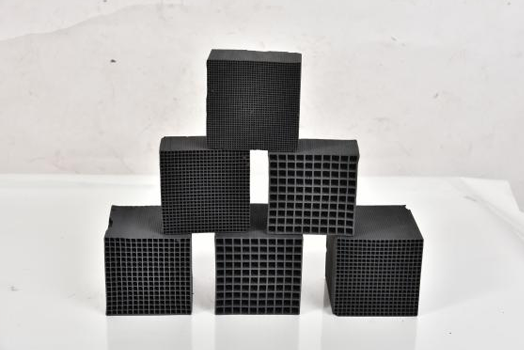
Products Number: Waterproof cubic activated carbon water purification honeycomb activated carbon
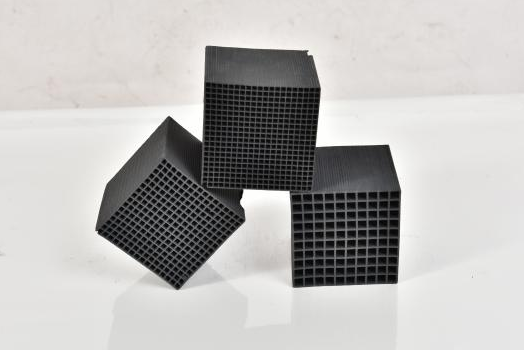
Products Number: Customized high adsorption coal honeycomb activated carbon activated carbon adsorbent for air purification
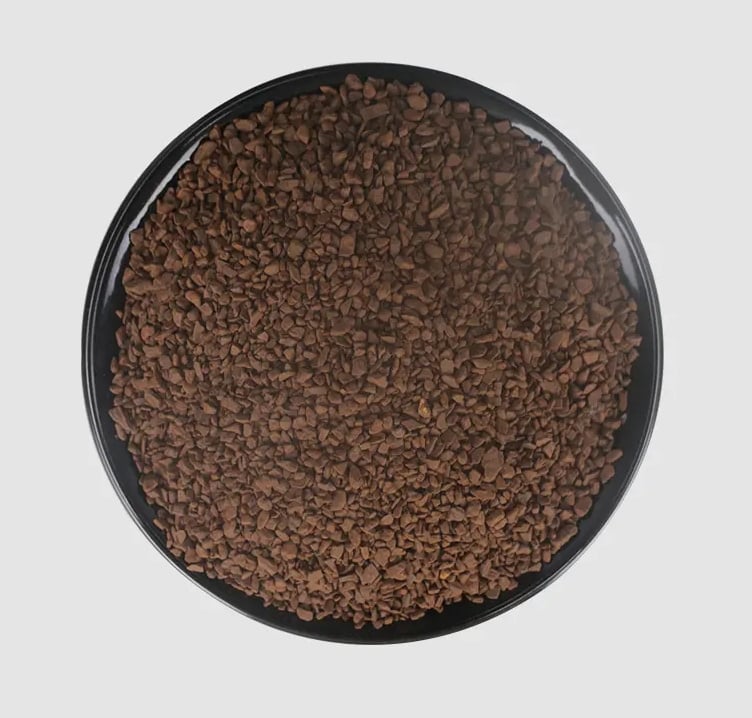
Products Number: Manganese sand filter for Iron and Manganesium removal birm media
Products Number: Polyacrylamide PAM water treatment flocculant
Products Number: Coconut Activated Carbon for the Water Purification
Products Number: 8*30 Mesh Coconut Shell Activated Carbon (830 Coconut Shell Activated Carbon)
 EN
EN