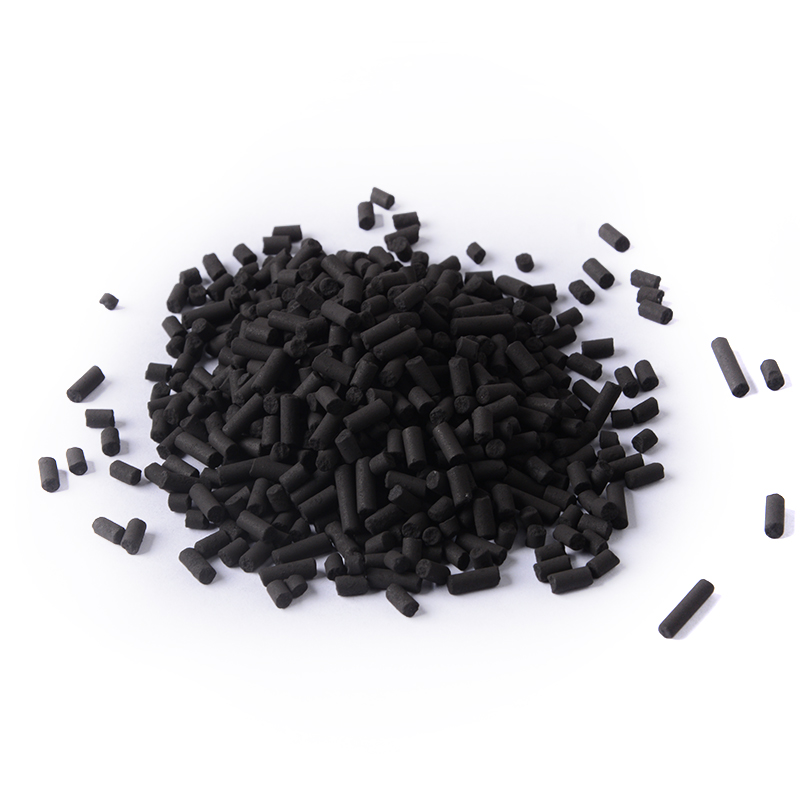
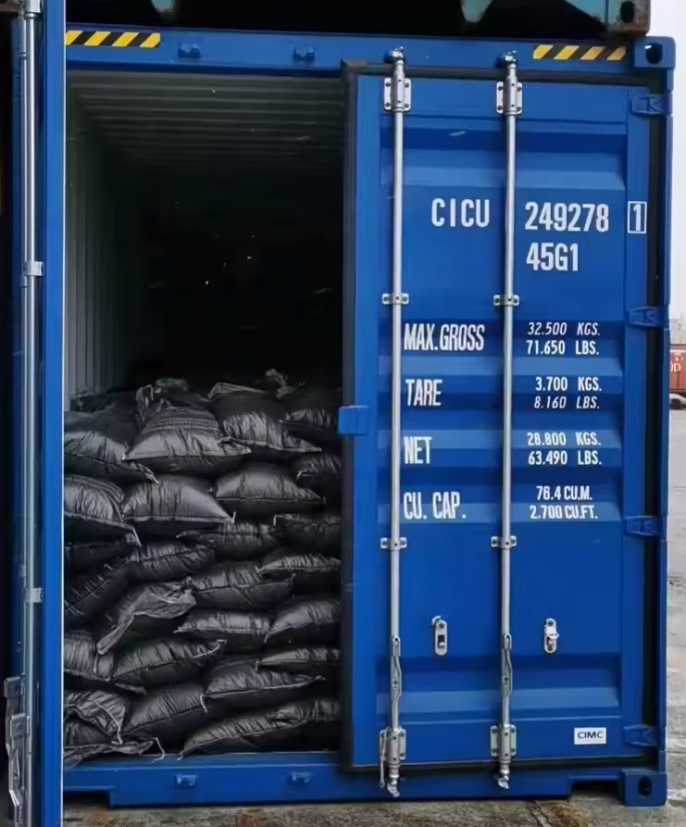
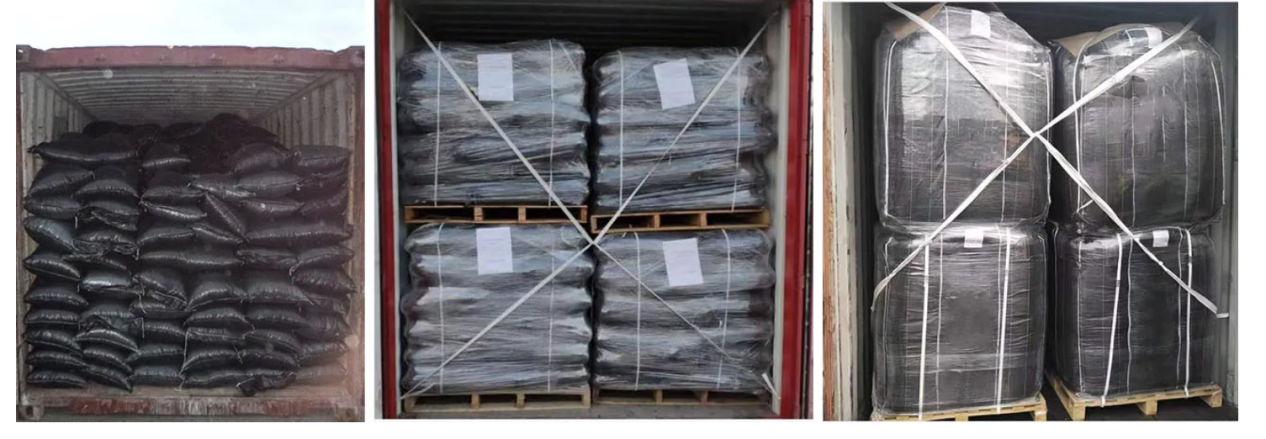
Our impregnated extruded activated carbon is specially designed for VOCs abatement, desulfurization and denitrification, deep heavy metal removal, and high-demand gas/liquid purification scenarios. Made from premium coal-based or wood-based extruded carbon as the carrier and loaded with specific chemical reagents such as KOH, KI, and Cu²⁺, it activates targeted adsorption capacity through chemical modification. Leveraging the dual purification mechanisms of catalytic oxidation and physical adsorption, it precisely tackles stubborn pollutants including hydrogen sulfide H2S, ammonia NH3, formaldehyde, and mercury vapor, achieving a leap from "broad-spectrum adsorption" to "targeted removal" to effectively address the purification requirements of acidic gases, organic vapors, heavy metal ions, and radioactive substances.
This product uses high-quality coal-based or wood-based extruded activated carbon as the carrier. Through a special impregnation process, it is loaded with specific chemical reagents (such as potassium hydroxide, sodium carbonate, iodides, copper/silver/zinc salts, etc.). While retaining the original high specific surface area and well-developed pore structure of activated carbon, this treatment further enhances its chemical adsorption and catalytic decomposition capabilities for specific pollutants. It is suitable for industrial and environmental applications requiring efficient removal of acidic gases, organic vapors, heavy metal ions, radioactive substances, or odorous components.

1,Targeted Modification: Custom impregnation formulas based on application requirements, significantly improving the adsorption rate and capacity for specific pollutants such as hydrogen sulfide, ammonia, formaldehyde, mercury vapor, chlorine, and sulfur dioxide.
2, High-Strength Extruded Structure: Wear-resistant and pressure-resistant, suitable for dynamic adsorption devices like fixed beds and moving beds, with low pressure drop and long service life.
3,Dual Purification Mechanism: Combines physical adsorption (pore capture) with chemical adsorption/catalytic oxidation (reaction with impregnated components), ideal for deep removal of trace pollutants.
4,Low Risk of Secondary Pollution: Converts toxic substances into stable forms through chemical reactions, facilitating subsequent treatment or safe disposal.
5,Targeted Modification: Custom impregnation formulas based on application requirements, significantly improving the adsorption rate and capacity for specific pollutants such as hydrogen sulfide, ammonia, formaldehyde, mercury vapor, chlorine, and sulfur dioxide.
6, High-Strength Extruded Structure: Wear-resistant and pressure-resistant, suitable for dynamic adsorption devices like fixed beds and moving beds, with low pressure drop and long service life.
7, Dual Purification Mechanism: Combines physical adsorption (pore capture) with chemical adsorption/catalytic oxidation (reaction with impregnated components), ideal for deep removal of trace pollutants.
8, Low Risk of Secondary Pollution: Converts toxic substances into stable forms through chemical reactions, facilitating subsequent treatment or safe disposal.
|
Item |
Parameter/Value |
Remarks |
|
Material |
Coal-based extruded carbon / Wood-based extruded carbon |
Base carbon can be selected according to target pollutants |
|
Impregnation Components |
KOH,NaOH Na₂CO₃, KI, Cu²⁺, Ag⁺, Zn²⁺, etc. |
Customizable on demand, support multi-component composite modification |
|
Particle Size (mm) |
3.0 / 4.0 / 6.0 / 8.0 |
Support non-standard size customization |
|
Specific Surface Area (m²/g) |
800 – 1200 |
Depends on the grade of base carbon |
|
Impregnation Loading (wt%) |
1 – 15 |
Optimized according to reagent type and adsorption target |
|
Characteristic Adsorption Capacity (Marker Substances) |
H₂S Adsorption Capacity ≥ 200 mg/g · Formaldehyde Adsorption Capacity ≥ 50 mg/g · Mercury Vapor Adsorption Capacity ≥ 80 mg/g |
Data measured under 25°C, 50% relative humidity conditions |
|
Compressive Strength (N/granule) |
≥ 30 |
Extruded structure ensures no breakage during long-term operation |
|
Moisture Content (wt%) |
≤ 5 |
/ |
|
Ash Content (wt%) |
≤ 12 |
Standard for coal-based base carbon |
|
pH Value |
6 – 11 |
Depends on the type of impregnation reagent |
|
Recommended Space Velocity (h⁻¹) |
200 – 1000 |
For gas phase applications |
|
Recommended Space Velocity (BV/h) |
2 – 5 |
For liquid phase applications |
Application Scenarios, Target Pollutants & Recommended Impregnation Formulas for Impregnated Extruded Activated Carbon

|
Application Field |
Target Pollutants / Requirements |
Recommended Impregnation Formula Direction |
|
Chemical & Petrochemical Waste Gas |
Hydrogen sulfide, ammonia, hydrogen chloride, formaldehyde, alcohol-aldehyde-ketone VOCs |
KOH, Na₂CO₃, KI impregnated carbon |
|
Waste Incineration / Gas-Fired Power Plant |
Dioxins, mercury vapor, SO₂, HCl |
Iodine-containing, sulfur-containing, chlorine-containing catalytic impregnated carbon |
|
Drinking Water & Wastewater Treatment |
Arsenic, fluoride, hexavalent chromium, heavy metal ions, pesticide residues |
Fe³⁺, Al³⁺, Cu²⁺ modified carbon |
|
Nuclear Industry / Radioactive Water Treatment |
Radioactive isotopes such as iodine, palladium, strontium, cesium |
Silver salt, iodide, transition metal loaded carbon |
|
Food & Pharmaceutical Industry |
Decolorization, deodorization, removal of lower alcohols/aldehydes, bitter substances |
Neutral or acidic modified carbon (e.g. H₃PO₄) |
|
Air Purification / Gas Mask |
Nerve agents, mustard gas, industrial toxic gases |
Multi-metal salt composite impregnated carbon |
|
Confined Spaces / Submarines / Aerospace Cabins |
CO₂, NH₃, formaldehyde, microbial metabolites |
Amine-loaded, copper-silver ion, MnO₂ loaded carbon |

A: Standard carbon relies solely on physical adsorption via its porous structure. Impregnated carbon adds chemical adsorption and catalytic reactivity by loading specific reagents (e.g., KOH, KI, CuO, ZnO). For example, when treating H₂S, standard carbon saturates quickly, while impregnated carbon catalytically oxidizes H₂S into stable sulfur or sulfates, significantly extending service life.
A: Yes. We tailor solutions based on your gas/liquid composition, concentration, temperature, and humidity, selecting the optimal base carbon (coal/wood/coconut shell) and impregnants:
A: We provide SGS third-party test reports and dynamic breakthrough tests using your actual operating parameters (airflow, concentration, temperature/humidity). Free 1kg samples are available for lab-scale comparison trials.
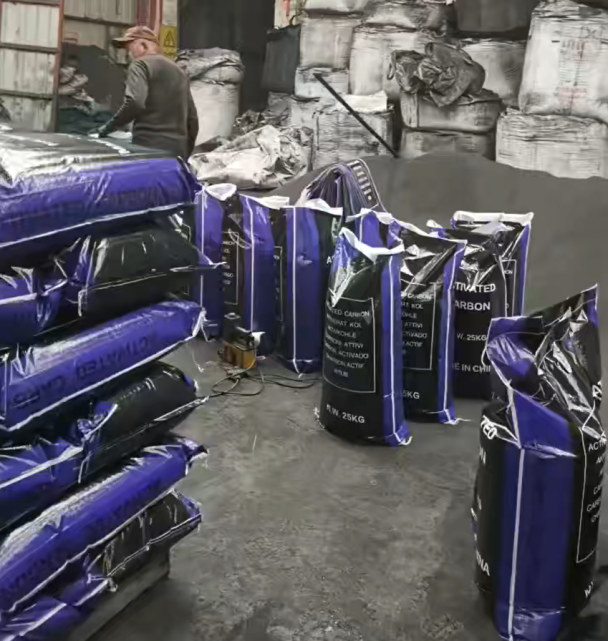
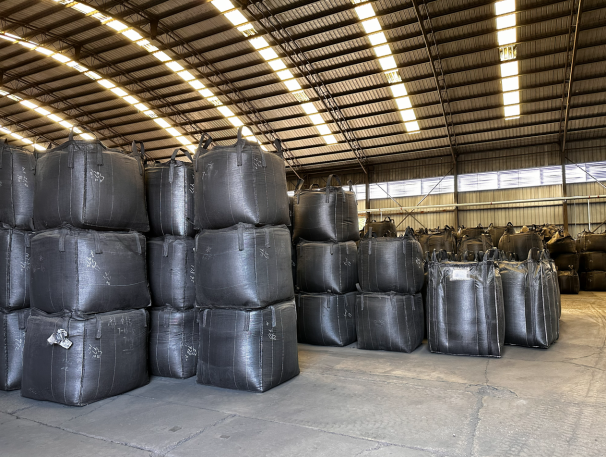
A: Standard MOQ is 1 ton (bulk or super sacks). For initial trials, we offer 25kg drums or 1kg lab samples, with trial fees creditable against future bulk orders.
A: 3-year shelf life when stored sealed, cool, and dry (RH <60%). Avoid mixing with volatile organics or acid/alkaline solvents, and keep away from ignition sources. Use promptly after opening to prevent moisture-related deactivation.
A: Yes. While the unit price is higher, its far greater adsorption capacity reduces long-term costs. For H₂S removal, standard carbon has 5-10% sulfur capacity vs. 30-50% for impregnated carbon, cutting usage volume by 1/3–1/5 and reducing replacement frequency, labor, and downtime costs.
A: Use loose filling (avoid over-compacting to prevent pressure drop issues). Install support structures for beds over 1m high. We provide free remote video guidance, with optional on-site technical support (costs vary by location).
A: We guarantee custom-formulated solutions for your application. Products not matching order specifications are eligible for free return/exchange. If performance issues arise due to unreported operating conditions, we will analyze the root cause and provide a revised formula for a free trial.
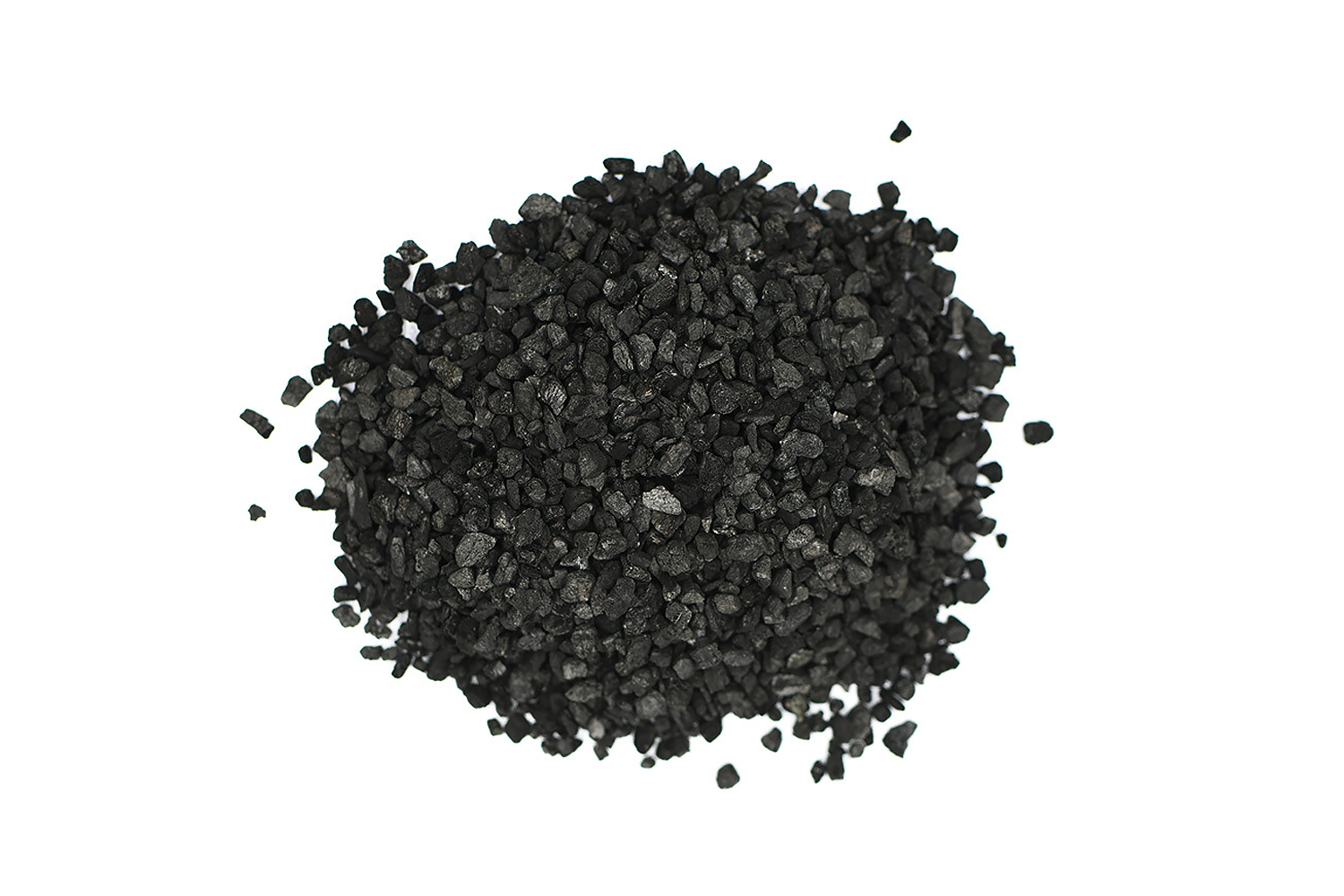
Products Number: Crushed activated charcoal Water Treatment Granular Activated Carbon
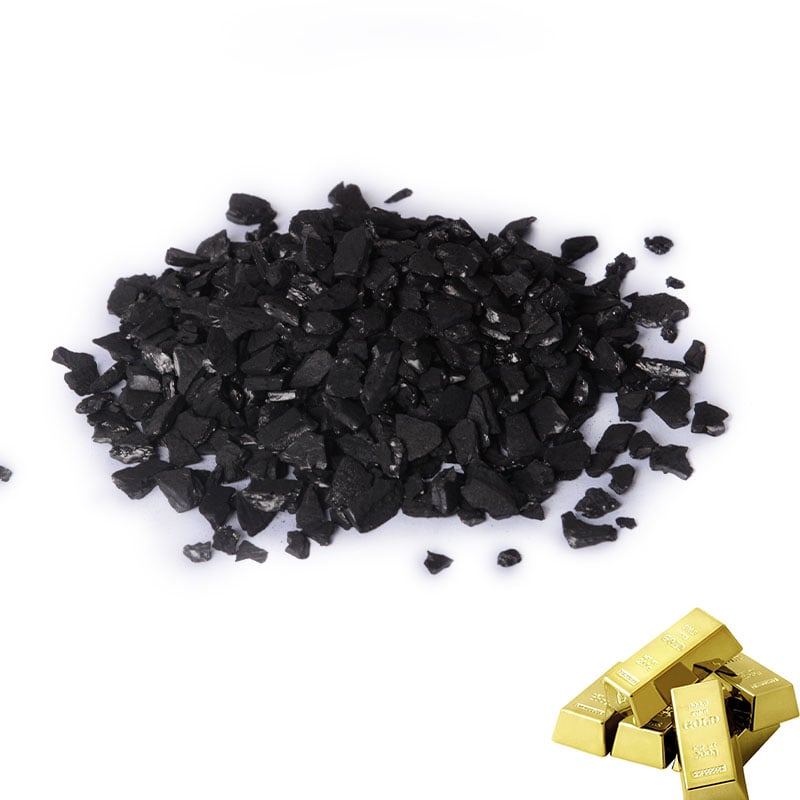
Products Number: Gold Recovery Activated Charcoal Coconut Shell Granular Activated Carbon
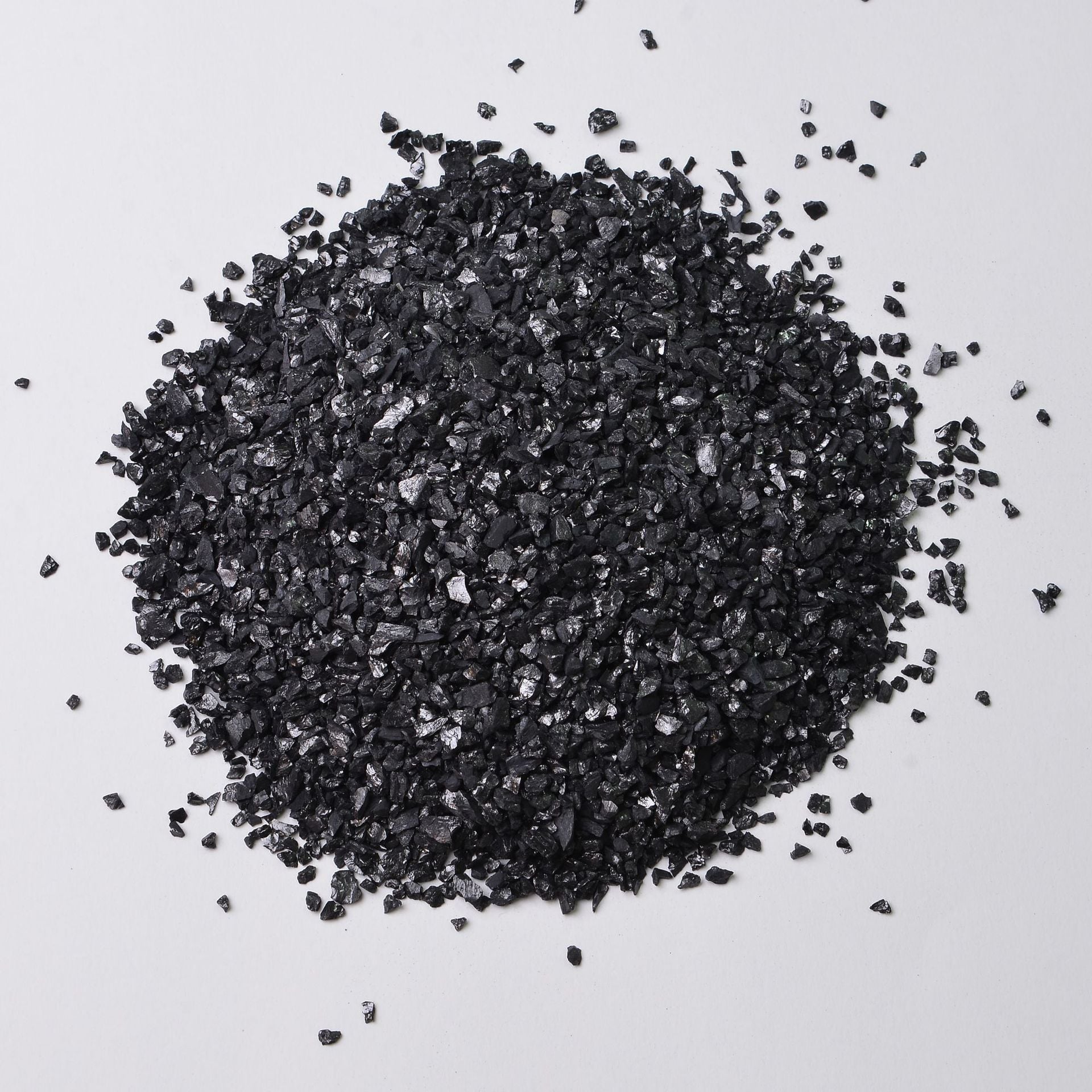
Products Number: 70% 80% 85% 90% fixed carbon content
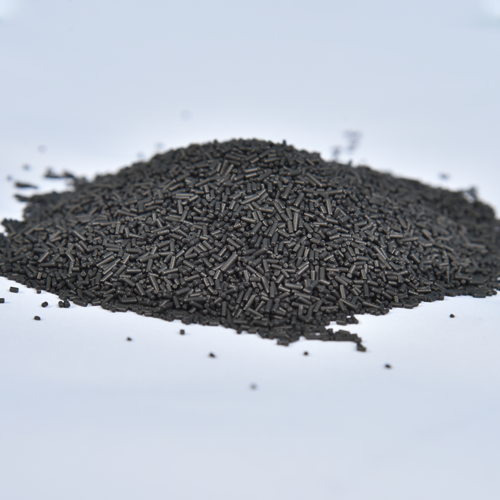
Products Number: Carbon Molecular Sieve PSA N2 Generator CMS
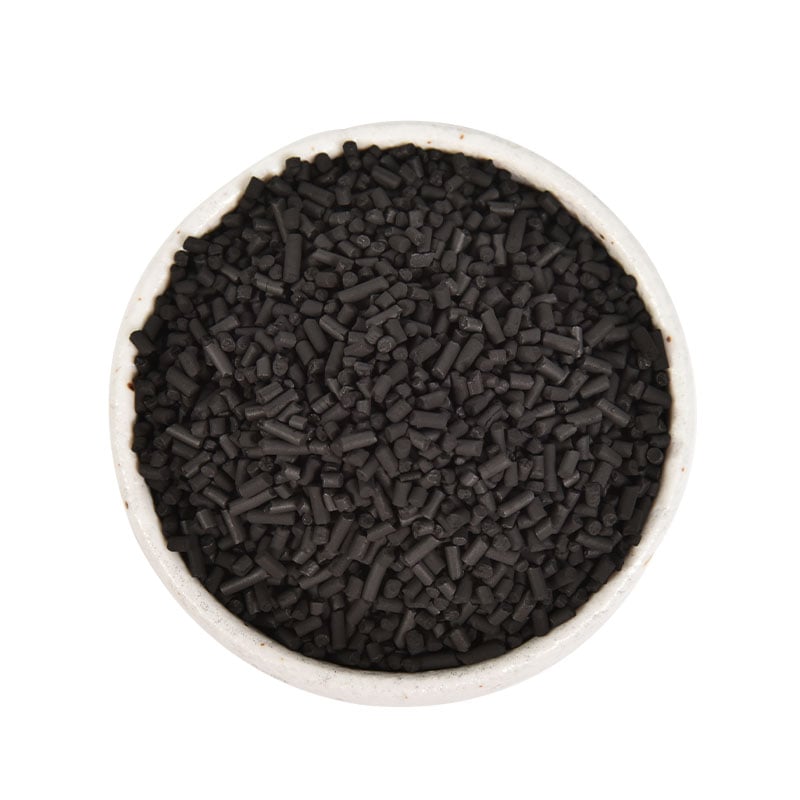
Products Number: Coal-based Columnar Activated Carbon Was Used for Sulfur-impregnated Activated Carbon for Wastewater Treatment
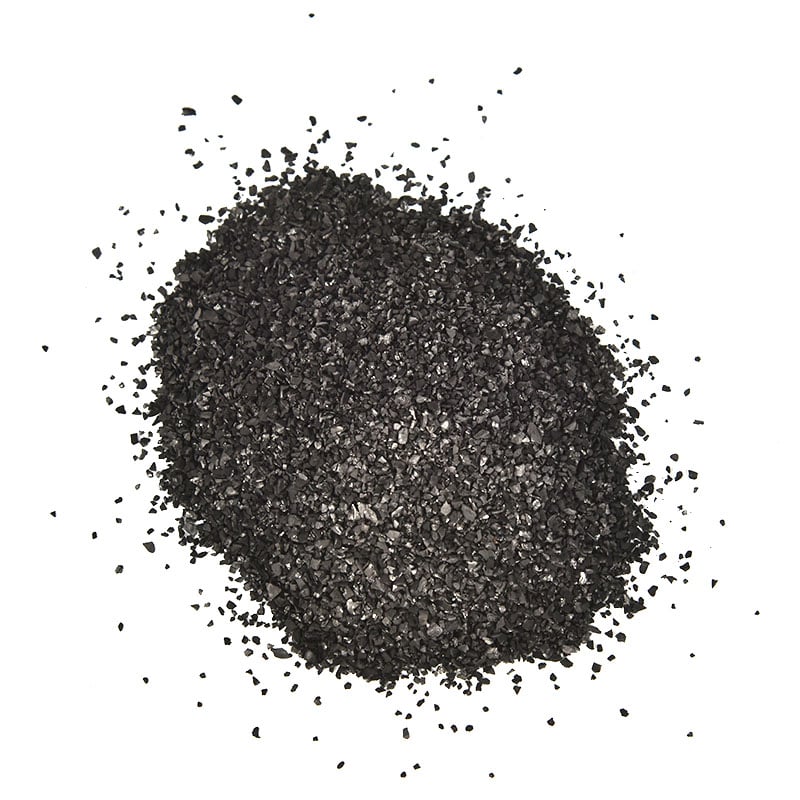
Products Number: 12×40 Mesh Granular Activated Carbon for Water Filter Cartridges – Efficient Impurity Removal and Water Quality Enhancement
 EN
EN