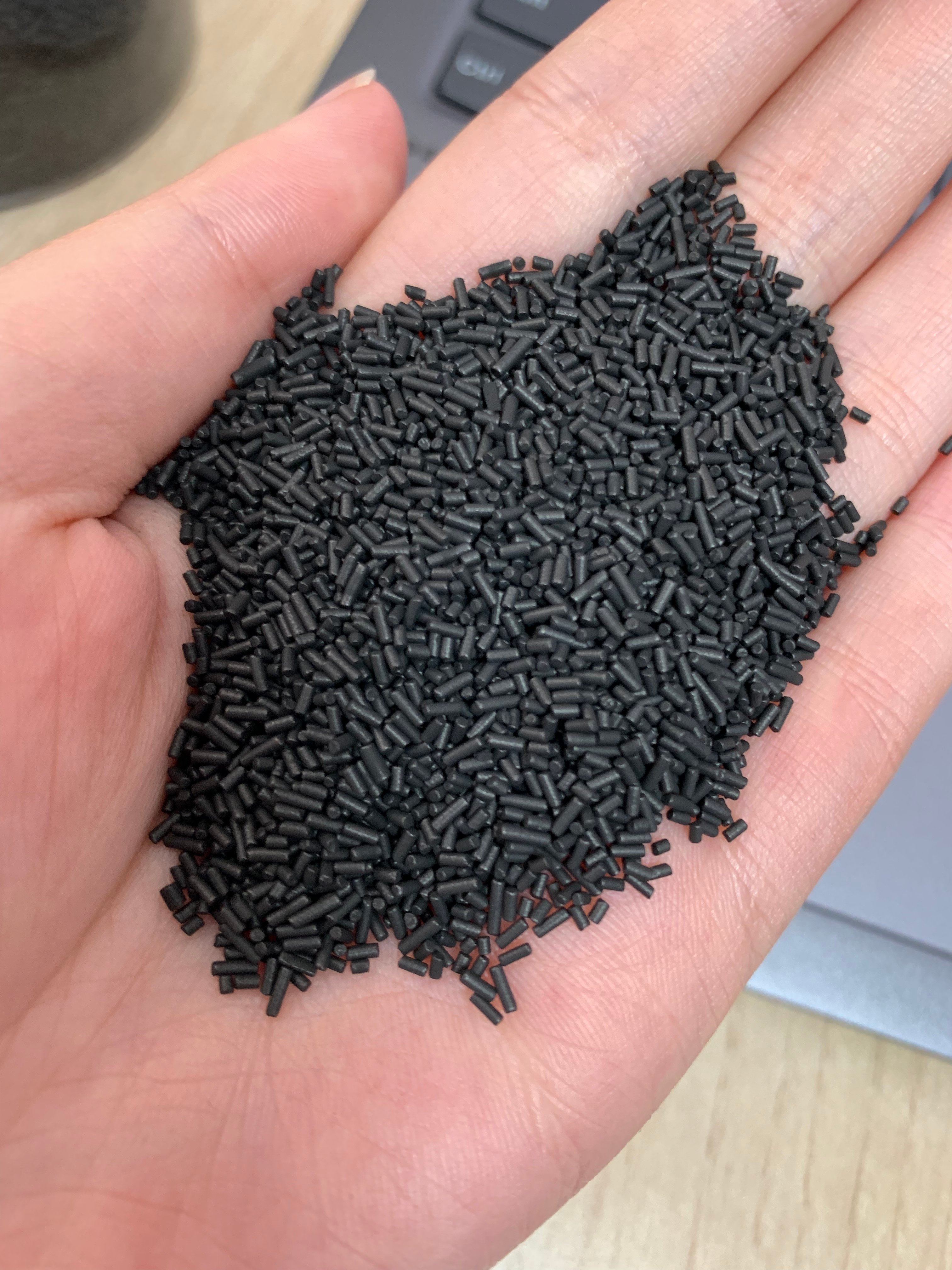
How Pellet Length Affects Performance in Compact Industrial TowersDefining Pellets Activated Carbon Length and Its Role in System EfficiencyThe length of pellets used in activated carbon systems basically means how long these cylinder-shaped adsorben...
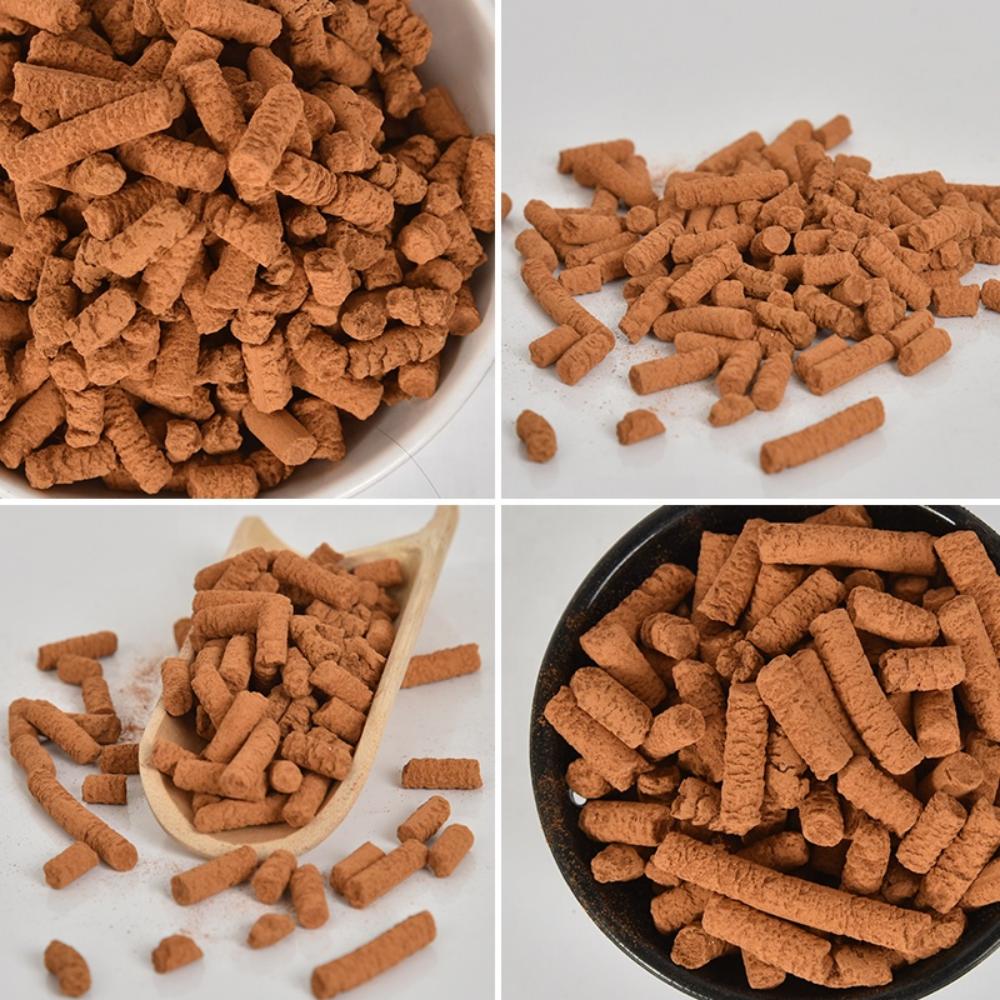
Understanding Drinking Water Purification Carbon and Its Role in Filtration What is Drinking Water Purification Carbon? Water purification carbon is basically activated carbon that's been specially processed to grab hold of all sorts of stuff in dri...
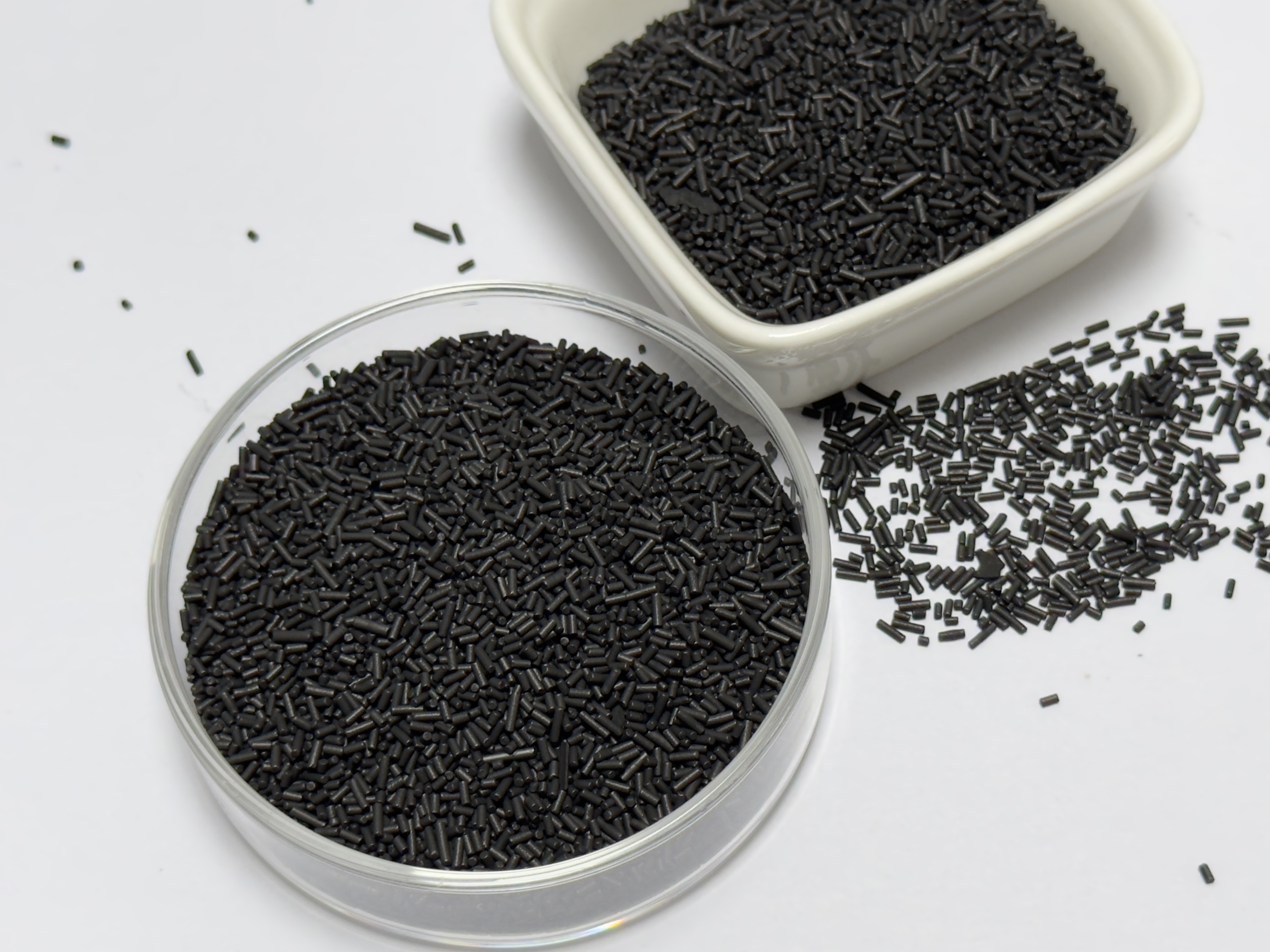
Nature of Mixed-Chemical Contamination in Industrial WastewaterIndustrial wastewater these days is basically a soup of chemicals from all sorts of sources. We're talking about stuff like antibiotics and hormones from pharmaceutical waste, heavy metal...

Understanding Used Granular Activated Carbon in Plants and Its Reactivation Potential What Is Granular Activated Carbon (GAC) and Its Role in Industrial Applications Granular Activated Carbon, commonly known as GAC, comes from various organic source...

Explore the superior adsorption capabilities of Granular Activated Carbon (GAC) for effective industrial water treatment. Discover its efficiency in removing diverse contaminants, cost-effectiveness, compatibility, and environmental sustainability. Learn why GAC is preferred in various industries for its reliability and compliance with water quality standards.
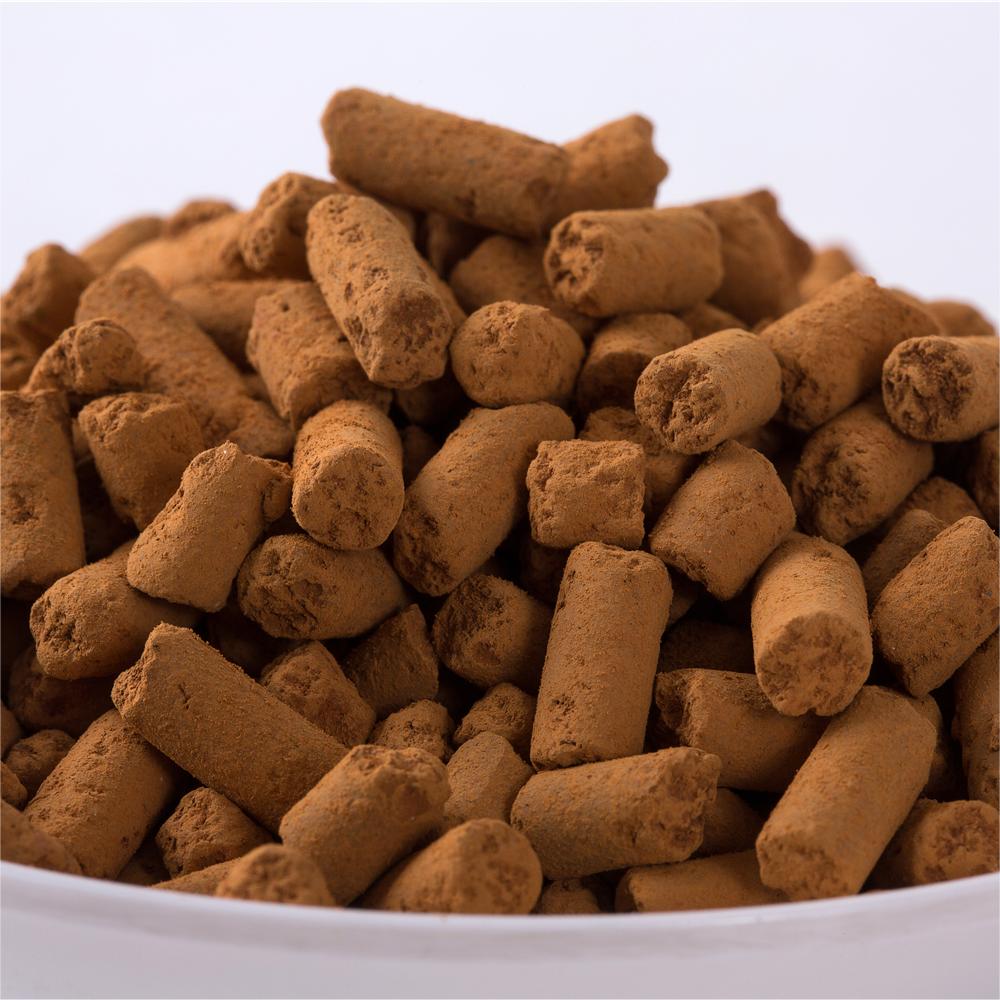
Explore the structural advantages of honeycomb activated carbon in air filtration systems, focusing on hexagonal cell designs, increased surface area, and energy efficiency in various industrial applications.
Discover the advantages of activated carbon pellets for industrial odor control, highlighting their high surface area, cost-effectiveness, and innovative integration strategies. Explore the growing adoption in Asia-Pacific chemical sectors and learn about new developments in high-efficiency carbon production.
Explore the differences between Powdered Activated Carbon (PAC) and Granular Activated Carbon (GAC) in terms of their particle size, adsorption efficiency, and use in filtration systems. Learn how these properties impact cost, regeneration, and application-specific suitability in water treatment and other industries.
Explore the distinctions and applications of powdered activated carbon vs. granular activated carbon, delving into particle size, surface area efficiency, adsorption kinetics, and cost-saving potential.
 EN
EN