
Discover advanced wastewater solutions that remove 95% of pollutants, recover energy, and support circular economies. Learn how cities are cutting costs by 45% with innovative treatment tech. Explore the future of water reuse today.

Maximize color removal and safety in food processing with optimized activated carbon use. Discover how pH, temperature, and regeneration boost efficiency by 40%. Learn more.

Discover proven and emerging methods for effective VOC removal from drinking water. Learn how activated carbon, AOPs, and smart hybrid systems reduce health risks. Get the full expert breakdown.

Discover how activated carbon removes 90%+ of pollutants like VOCs, chlorine, and odors in air and water. Learn about pore structure, adsorption science, and real-world performance. Read the full guide.
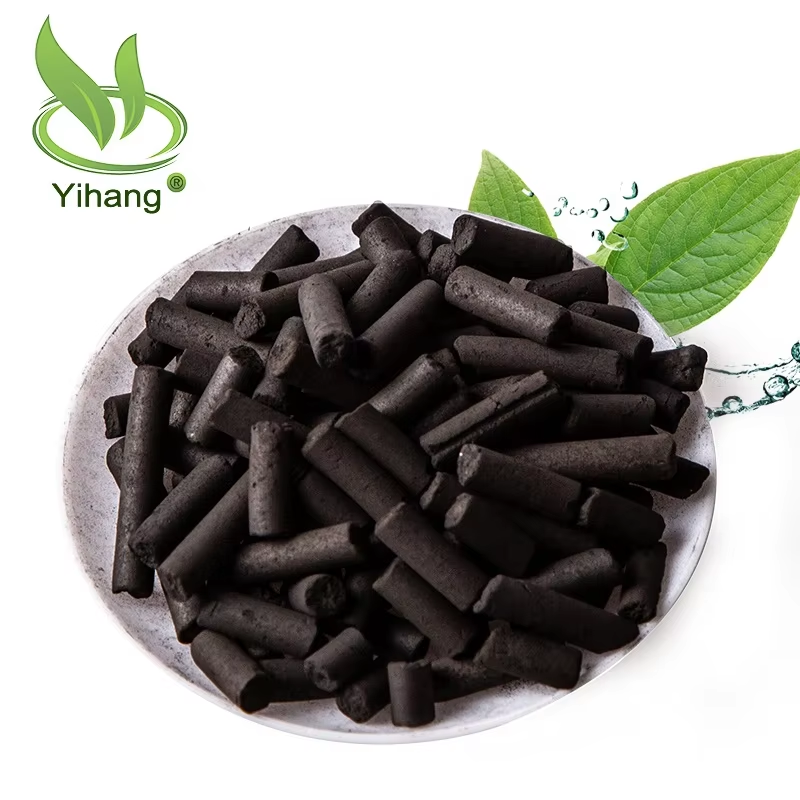
Discover how activated carbon removes VOCs, chlorine, and odors from air and water through adsorption. Learn about GAC, PAC, carbon blocks, and ACF. Choose the right solution.
Discover how Yihang Carbon's advanced purification solutions remove toxins, bacteria, and pollutants from water and air, reducing health risks. Learn how activated carbon safeguards families and workplaces. Get expert solutions today.

Discover how activated carbon enhances air purification efficiency by capturing 90% more pollutants. Learn the science behind its adsorption power and why it's essential for industrial applications. Explore solutions now.

Discover how activated carbon removes chlorine, pesticides, and heavy metals for safer, better-tasting drinking water. Enhance your purification system today.

The Science and Application of Bulk Powdered Activated Carbon in Water TreatmentHow Bulk Powdered Activated Carbon Enhances Contaminant Removal in Drinking WaterPowdered activated carbon, or PAC for short, works really well because of its tiny pores ...
 EN
EN