An in-depth comparison of six leading activated carbon manufacturers in Zhengzhou—Xingsen, Jinling, Xingnuo, Zhongli, Yihang, and Tianchen—covering product categories, iodine values, MOQs, and core competitive advantages. Includes scenario-based selection guides for gold extraction, water purification, exhaust gas treatment, and bulk export, plus quality verification checkpoints and FAQs to help international buyers identify high-performance, cost-effective suppliers.

This technical article analyses coconut‑shell granular activated carbon dedicated to gold‑recovery mining processes (CIP/CIL/CIC). It explains why coconut‑shell carbon is the industry‑preferred raw material, and breaks down core indicators including iodine value, hardness, CTC, moisture, ash content and particle size. Standard parameter tables, global manufacturers, market price range and OEM‑customizable packaging solutions are covered to help mines select cost‑effective gold‑grade carbon and reduce gold‑loss risks.
The global water shortage is worsening, and seawater desalination has become the core solution for ensuring water supply for daily life and industrial use in drought-stricken coastal countries. Reverse osmosis membranes are the core equipment of the desalination system, but residual chlorine, natural organic matter, and algal colloids in seawater are prone to cause membrane oxidation and biological fouling, significantly increasing the operation and maintenance costs. Activated carbon, as the core filter material for pre-treatment and post-treatment, can protect the reverse osmosis membrane from the root cause and stabilize the water quality of the produced water. It is an indispensable key consumable in modern seawater desalination plants. This article comprehensively analyzes the application scheme of seawater desalination-specific activated carbon based on the current industry situation, process principles, product selection, and implementation cases.

Learn how activated carbon protects ion exchange resins, removes chlorine, chloramines, and organic contaminants in deionized water systems. Discover the best coconut shell carbon for high-purity industrial water treatment.
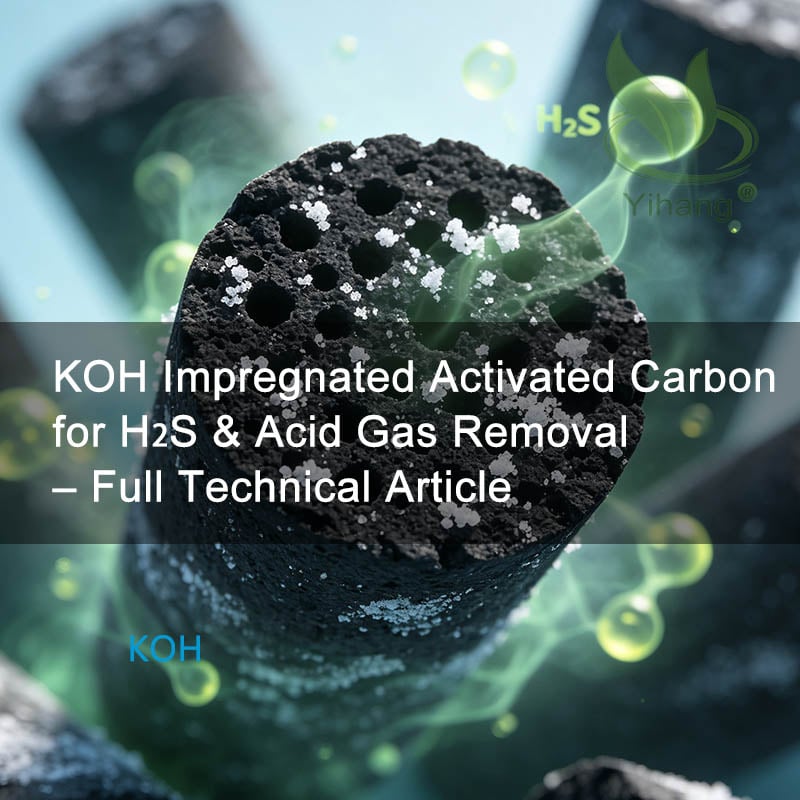
This article comprehensively introduces KOH impregnated activated carbon, a high-efficiency adsorbent tailored for industrial H₂S and acidic gas removal. Modified via professional spray impregnation, it features dual physical and chemical adsorption for stable, deep desulfurization. Verified by YIHANG Carbon’s production data, the impregnation process causes over 5% material abrasion loss, making its unit price USD 450/ton higher than ordinary activated carbon. Despite higher costs, it delivers superior purification performance and longer service life, widely applicable to refineries, biogas purification, sewage treatment and other industrial scenarios with strict acid gas treatment demands.
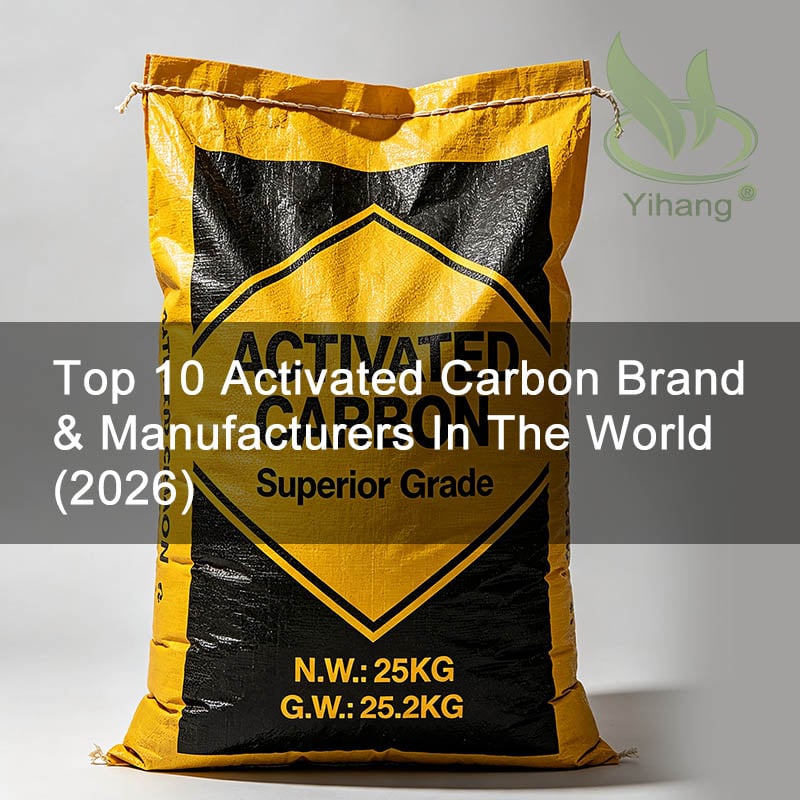
The global activated carbon industry sustains stable development in 2026, supported by escalating global environmental governance requirements. The North American activated carbon market reached $990.6 million in 2023 and is set to grow at a 3.6% CAGR between 2024 and 2030, reflecting steady regional market expansion. Global activated carbon manufacturers present a differentiated competitive landscape, covering high-end century-old international brands, professional coconut carbon producers and localized service-oriented manufacturers. Diverse activated carbon categories including coconut shell, coal-based and wood-based products serve core sectors such as water treatment, air purification, food processing and pharmaceuticals. Currently, high-purity, environmentally friendly and customized activated carbon has become the mainstream development trend of the industry.

Global surface water and groundwater sources are continuously threatened by industrial discharge, agricultural pollution, chemical disinfection by-products, heavy metals and microbial contaminants, making water purification an indispensable link to secure safe drinking water. Among all water treatment media, coconut shell granular activated carbon (CSAC) stands out as the mainstream adsorbent for potable water treatment, relying on its unique microporous structure, high adsorption capacity, food-grade safety and stable physical performance. This article systematically analyzes global drinking water pollution risks, the purification mechanism of activated carbon, exclusive strengths of coconut shell activated carbon, standard technical indicators, process configuration, mainstream brands, 2026 market price trends and frequently asked industry questions.

This guide analyzes activated carbon for gold recovery, surging African gold mining demand across Ghana, Mali, Sudan, Kenya, compares China & India supply chains, core specs of 6–12 mesh 1100 iodine coconut shell carbon, application in CIP/CIL and supplier selection tips.

Amine absorption is the mainstream technology for removing acidic H₂S and CO₂ from natural gas and LPG via recyclable MDEA, DEA and MEA solvents. Long-term operation causes solvent contamination with organic hydrocarbons, oils, degradation products and solids, which conventional filters cannot remove. Such impurities induce severe amine foaming, lowering gas purification efficiency, triggering system instability, solvent loss and high operating costs. Granular activated carbon (GAC) serves as a core side-stream filtration medium for amine systems. With superior adsorption performance, GAC removes dissolved organic pollutants and foaming substances, effectively inhibiting solution fouling and foaming, stabilizing operational performance and extending solvent lifespan. Its purification effect relies on sufficient contact time and proper dosage. For optimal filtration, activated carbon should feature an iodine number over 900 mg/g; coal-based carbon suits large-molecule foam contaminants while coconut shell carbon targets small degradation products, ensuring efficient and stable operation of gas sweetening units.
 EN
EN